

Introduction to Cloud Computing Services🚀
In today’s hyper-connected digital era, businesses of all sizes are undergoing rapid transformation—and at the heart of this evolution lies the unstoppable force of cloud computing services.
From agile startups to global enterprises, organizations are leveraging cloud-based technologies to streamline operations, boost efficiency, and gain a competitive edge.
If you’re running a business in 2025 and not yet using cloud infrastructure, you’re not just behind—you’re losing money, time, and market share.
That’s because cloud computing services enable companies to access computing power, data storage, and software applications through the internet—without owning or managing physical servers.
Think of it as renting a highly secure and infinitely scalable data center that you can access from anywhere in the world.
With services like cloud storage and SaaS (Software as a Service), businesses can now innovate faster, reduce overhead costs, and adapt to market demands with astonishing speed.

💡 Here’s the truth: The shift to cloud isn’t a trend—it’s a fundamental shift in how businesses operate, collaborate, and grow.
Over the last decade, we’ve seen a massive surge in the adoption of cloud technologies.
But in the last two years, especially post-pandemic, this growth has accelerated exponentially due to the demand for remote work solutions, cybersecurity enhancements, and scalable infrastructure.
According to Gartner, global spending on public cloud services is projected to surpass $678 billion by 2027—a staggering figure that signals just how crucial cloud computing is becoming to the global economy.
And it’s not just about scalability.
The cloud storage segment, for instance, empowers companies to store vast amounts of data safely and access it on-demand, helping them reduce physical infrastructure costs and boost productivity.
Businesses are also embracing SaaS platforms to deploy software applications such as CRM tools, project management apps, accounting platforms, and HR solutions—all without the need for complex installations or hardware investments.
These services aren’t just convenient—they’re transformational.
🎯 For example:
- Startups use SaaS platforms to scale quickly without investing in expensive IT teams.
- Enterprises use cloud-based AI to analyze customer behavior in real-time.
- Remote teams rely on cloud storage to collaborate across time zones without losing data or version control.
This blog post is your all-in-one guide to understanding cloud computing services—what they are, why they matter, and how to make smart decisions that future-proof your business.
Whether you’re exploring options for cloud storage, considering adopting a SaaS solution, or looking to transition your on-prem infrastructure to the cloud, you’re in the right place.
⚠️ Don’t get left behind in a digital world that waits for no one.
It’s time to understand how the cloud works—and how it can work for you.
Stay with us as we break it down step-by-step and show you how to take full advantage of cloud computing’s limitless potential.
👉 Ready to upgrade your tech game and outpace the competition?
→ Click here to explore trusted cloud solutions for your business — you’ll thank yourself later.
💬 Bonus Tip: Look out for 🔒cloud security features and 📈scalable pricing plans when comparing providers.
Those two factors can make or break your cloud strategy.
🔥 Unlock the future of business success—embrace cloud computing services today and dominate your industry.
What Are Cloud Computing Services? ☁️
In the simplest terms, cloud computing services refer to the on-demand delivery of IT resources over the internet.
Instead of owning and maintaining physical servers or data centers, companies can access a wide range of computing services—including servers, storage, databases, networking, software, and analytics—through the cloud.
This powerful model allows businesses to be more flexible, scalable, and cost-efficient.
🌍 The cloud has become the ultimate equalizer for businesses—leveling the playing field between startups and Fortune 500 giants.
Cloud computing services give everyone access to enterprise-grade technology without the need for massive capital investment.
Whether you’re looking to host a website, run complex machine learning models, manage customer data, or deploy business software, the cloud makes it possible in just a few clicks.
🎯 According to Flexera’s 2024 State of the Cloud Report, over 94% of enterprises already use some form of cloud computing in their operations.
That’s because it enables them to adapt rapidly to changing needs, improve collaboration, and drive innovation faster than traditional IT systems ever could.
Let’s break down the core components of cloud computing services.

Understanding the Different Types of Cloud Computing Services 🛠️
Cloud computing services generally fall into three major categories:
These categories—while distinct—often work together to provide a full-stack infrastructure for businesses.
Each offers a unique set of benefits depending on your technical needs, business goals, and growth stage.
Infrastructure as a Service (IaaS) 🧱
IaaS is the most fundamental layer of cloud computing.
It provides virtualized computing resources over the internet such as:
- Virtual machines (VMs)
- Storage
- Networking
- Load balancers
With IaaS, you rent infrastructure from a cloud provider like Amazon Web Services (AWS), Microsoft Azure, or Google Cloud, instead of owning physical servers.
This gives businesses maximum flexibility and control over their IT resources.
🛡️ Use Case: A fast-growing eCommerce brand uses IaaS to host its website and manage spikes in traffic during seasonal sales—without investing in new hardware.
Platform as a Service (PaaS) ⚙️
PaaS offers a platform that allows developers to build, test, and deploy applications without worrying about managing servers, storage, or networking.
It typically includes:
- Development tools
- Database management systems
- Middleware
This is ideal for software developers who want to focus on writing code instead of maintaining infrastructure.
🛠️ Use Case: A tech startup uses PaaS like Heroku to quickly launch a new mobile app, saving time and reducing costs associated with backend setup.
Software as a Service (SaaS) 💻
SaaS is one of the most widely adopted cloud computing services—and arguably the most user-friendly.
It delivers software applications over the internet on a subscription basis.
Users simply log in through a browser to access applications hosted on the cloud.
Popular SaaS platforms include:
- Google Workspace (formerly G Suite)
- Microsoft 365
- Salesforce CRM
- Slack
SaaS applications are automatically updated, backed up, and secured by the provider—making them an excellent choice for teams who want convenience and reliability.
🧠 Bonus Tip: SaaS eliminates the need for installations, patches, or local storage—everything is managed remotely for you.
How Do Cloud Storage Services Fit In? 💾
One of the most popular cloud services is cloud storage.
Cloud storage is a key component of both IaaS and SaaS.
It allows you to store and access data through the internet rather than your computer’s hard drive.
This makes file sharing, backups, and collaboration incredibly easy and secure.
Leading cloud storage solutions include:
- Dropbox Business
- Google Drive for Work
- OneDrive for Business
- Amazon S3
These platforms use distributed networks of servers to store data redundantly—minimizing the risk of data loss and ensuring fast access from anywhere in the world.
🔥 Pro Tip: Look for providers that offer military-grade encryption, version history, and real-time sync when choosing a cloud storage service.

Key Benefits of Cloud Computing Services ✅
Here’s why cloud computing services have become indispensable for modern businesses:
- Lower Operational Costs: No need for upfront hardware purchases.
- Scalability: Scale resources up or down depending on demand.
- Flexibility: Access your data and applications from any device, anywhere.
- Automatic Updates: Stay current with the latest features and security patches.
- Enhanced Security: Top-tier providers offer encryption, firewalls, and multi-factor authentication.
- Disaster Recovery: Data is backed up across multiple locations to ensure business continuity.
What Makes Cloud Services So Revolutionary? 🚀
Unlike traditional IT models that require significant investment and maintenance, cloud computing enables businesses to operate more efficiently and stay agile in a rapidly changing environment.
The true power lies in its ability to support remote work, big data analytics, artificial intelligence, and automation—all without requiring an in-house IT team.
It’s no longer a matter of “if” you should move to the cloud—it’s “when.”
And for most businesses, that time is now.
💡 Ready to explore cloud services that can transform your business?
→ Check out these game-changing cloud platforms to get started today.
Exploring Cloud Storage Solutions 🗂️
When it comes to the core components of cloud computing services, one of the most impactful—and widely used—is cloud storage.
Whether you’re a solo entrepreneur, a growing small business, or a global enterprise, cloud storage is the digital vault where your most valuable data lives.
It eliminates the need for physical storage infrastructure and provides secure, flexible, and real-time access to your files from virtually any device, anywhere in the world.
And here’s the game-changer: With cloud storage, you’re not just saving space—you’re unlocking speed, collaboration, and security.
In 2025, data is currency.
Businesses generate more information than ever, and cloud storage services are essential to keep that data organized, accessible, and protected.
According to Statista, the global cloud storage market is expected to surpass $472 billion by 2030—a clear indicator of its importance to the digital economy.
So let’s dive deeper and explore what makes cloud storage solutions a must-have in your cloud computing toolkit.
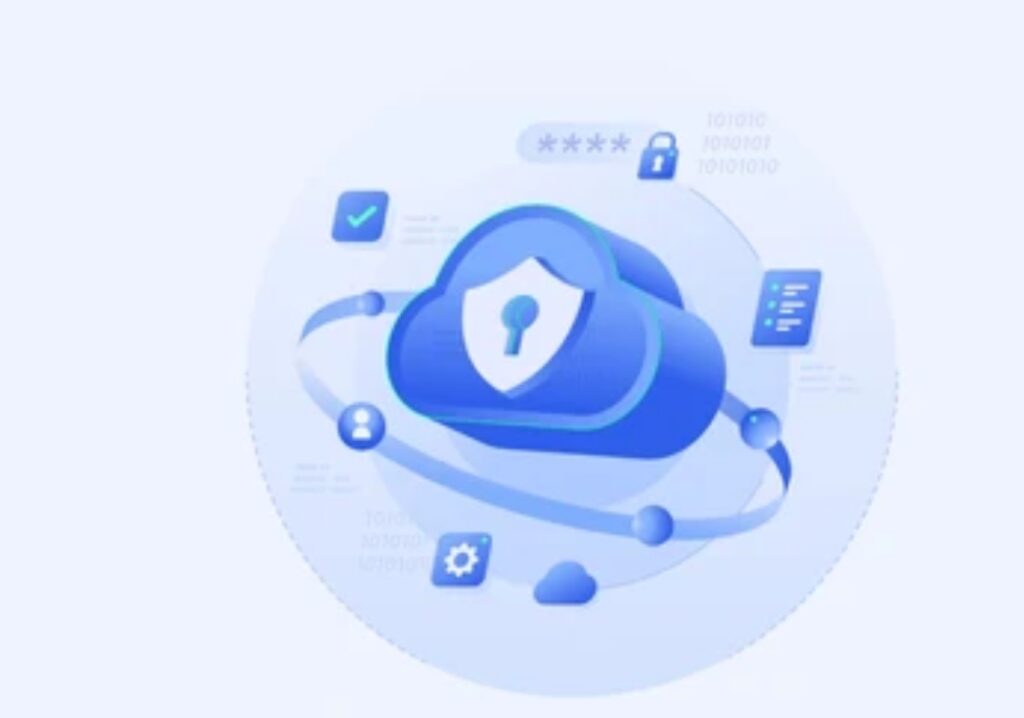
What Is Cloud Storage & Why Does It Matter? 📦
Cloud storage is a model that stores digital data on remote servers, which are managed and maintained by a third-party cloud provider.
Instead of saving files on your personal computer or in-house servers, cloud storage allows you to upload and retrieve data through the internet—instantly and securely.
Popular use cases include:
- Storing business documents and sensitive client data
- Hosting large media files like images, videos, and backups
- Syncing files between teams and remote workers
- Creating secure archives for compliance and audit purposes
But here’s where it gets powerful: Most cloud storage platforms integrate with SaaS tools like CRM software, project management apps, and file collaboration tools—making your entire workflow smarter and more efficient.
Types of Cloud Storage Services ☁️
Cloud storage comes in different forms, depending on your business needs.
Let’s break down the most common types:
Public Cloud Storage
- Hosted by major providers such as Google Cloud, AWS, and Microsoft Azure
- Data is stored on shared infrastructure (multi-tenant)
- Affordable and easy to scale
- Ideal for startups and small businesses
Private Cloud Storage
- Custom-built for a single organization
- Hosted on-premises or by a dedicated third-party vendor
- Offers high-level customization and control
- Suitable for companies with strict regulatory requirements
Hybrid Cloud Storage
- A combination of public and private storage
- Enables organizations to store sensitive data in a private cloud and general data in the public cloud
- Balances security, cost-efficiency, and scalability
Features to Look for in a Cloud Storage Provider 🧐
Choosing the right cloud storage solution can make or break your data strategy.
Here are the must-have features to look for when evaluating providers:
- Military-grade encryption for data at rest and in transit
- Automatic backups and version history
- Real-time sync and cross-device accessibility
- Two-factor authentication and user permission controls
- Integration with popular SaaS platforms (like Google Workspace, Slack, or Salesforce)
- Scalable pricing based on usage or storage tiers
💡 Pro Tip: Always choose a provider that offers detailed SLAs (Service Level Agreements) for uptime and data recovery. It ensures you’re protected when seconds matter.
Top Cloud Storage Providers in 2025 🏆
The cloud storage landscape is competitive, but a few providers consistently lead the pack with their performance, scalability, and innovation:
- Google Drive for Business — Seamlessly integrates with Google Workspace and offers industry-leading AI-powered search.
- Dropbox Business — Known for its smart sync, intuitive sharing tools, and powerful team collaboration features.
- Microsoft OneDrive for Business — Perfect for Microsoft 365 users, with native Office file collaboration and enterprise-grade compliance.
- Amazon S3 — Developer-friendly, highly scalable, and designed for handling massive amounts of data with granular controls.
- Box for Business — Tailored for enterprises, especially those in highly regulated industries like finance and healthcare.
Benefits of Cloud Storage Solutions ✅
Here’s why cloud storage is not just a “nice to have,” but a business-critical investment:
- Eliminates the cost of physical infrastructure
- Supports real-time collaboration across teams and time zones
- Offers disaster recovery options that ensure business continuity
- Simplifies compliance with data regulations (GDPR, HIPAA, etc.)
- Improves remote work capabilities with instant access and sharing
🔥 Power Stat: 79% of businesses say cloud storage improves operational efficiency and decision-making through enhanced data accessibility.

Common Use Cases Across Industries 🔄
Cloud storage is not industry-specific—it’s universal.
Here’s how businesses across sectors are using it today:
- Retail & eCommerce: Securely store customer data, product catalogs, and transaction records
- Healthcare: Store and encrypt sensitive patient information with HIPAA compliance
- Creative Agencies: Manage large media files and collaborate on visual projects
- Financial Services: Maintain auditable archives of invoices, statements, and legal files
- Education: Distribute e-learning materials and enable student collaboration
Security in the Cloud: Is Cloud Storage Safe? 🔐
One of the biggest myths about cloud storage is that it’s unsafe.
But that couldn’t be further from the truth—if you choose the right provider.
The top cloud storage platforms use enterprise-grade encryption, automatic failover, multi-factor authentication, and continuous monitoring to protect your data.
In fact, your data is often more secure in the cloud than on local drives—especially with the rise in ransomware attacks and insider threats.
💬 Quick Tip: Look for features like zero-knowledge encryption, granular user roles, and geo-redundant backups to bolster your data protection.
Cloud Storage vs. Traditional Storage: The Verdict ⚖️
Let’s compare the two side-by-side:
Traditional Storage:
- Expensive to scale
- Prone to hardware failure
- Requires physical access
- Limited by device and location
Cloud Storage:
- Pay-as-you-go pricing
- Access from anywhere
- Automated backups and redundancy
- Easily scalable based on usage
The choice is clear.
If your business values speed, flexibility, and security, cloud storage is the superior solution in every metric.
💥 Don’t wait until disaster strikes.
→ Get started with a secure cloud storage provider today and protect your business for the future.
Understanding SaaS and Its Role in Business Growth 💼
Software as a Service (SaaS) has become the beating heart of modern digital transformation.
In today’s fast-paced, cloud-first business landscape, SaaS empowers organizations of all sizes to access world-class software solutions without the overhead of traditional software installations, maintenance, or licensing headaches.
But SaaS isn’t just a tech trend—it’s a complete paradigm shift in how businesses operate, scale, and serve their customers.
In fact, SaaS is one of the most critical components of cloud computing services, enabling real-time innovation, agility, and cost savings for millions of businesses globally.
Let’s unpack what SaaS really means, how it works, and why it’s revolutionizing growth strategies from startups to enterprises.

What Is SaaS? (And How Does It Fit Into Cloud Computing?) 🧠
SaaS—short for Software as a Service—is a cloud computing delivery model where software applications are hosted by a provider and accessed by users via the internet.
That means no installations.
No updates.
No complicated setup.
With SaaS, you simply log in and use the application through your web browser, mobile device, or desktop client.
These applications are centrally maintained, automatically updated, and typically offered through a subscription pricing model (monthly or annually).
SaaS is a core pillar of cloud computing services alongside IaaS (Infrastructure as a Service) and PaaS (Platform as a Service).
In many ways, it’s the most visible and widely adopted form of cloud computing today.
SaaS applications include everything from CRMs like Salesforce and HubSpot, to productivity tools like Google Workspace and Microsoft 365, to project management platforms like Asana and Trello.
This accessibility and scalability make SaaS a no-brainer for businesses aiming to grow without the burden of traditional IT systems.
Why Is SaaS So Important for Business Growth? 📈
Here’s where the power of SaaS becomes a business advantage:
It helps you move faster, scale smarter, and innovate with less risk.
Below are some key reasons why SaaS is a growth accelerator:
- Lower Entry Costs: You don’t need to invest in costly hardware or licenses upfront.
- Speed to Market: Deploy tools instantly without waiting for installations or custom development.
- Scalability: Add users, features, or storage instantly as your needs grow.
- Remote Access: Work from anywhere, anytime—with all your tools in the cloud.
- Automatic Updates: Always have the latest features, patches, and security enhancements without lifting a finger.
- Integration Ecosystems: Easily connect with other SaaS tools to create a streamlined, end-to-end workflow.
🎯 Case Example: A 10-person marketing agency using SaaS tools like Canva, Slack, and Google Workspace can operate as efficiently as a 100-person company—without ever buying servers or hiring IT staff.
SaaS in Action — Popular Examples That Power Business 🚀
Some of the most powerful and profitable businesses in the world today run on SaaS.
Here are some top examples across business functions:
Customer Relationship Management (CRM)
- Salesforce: The market leader in cloud-based CRM
- HubSpot: An all-in-one CRM with marketing automation and content tools
- Zoho CRM: Affordable and customizable for small to mid-sized businesses
Project & Task Management
- Trello: Visual project management with drag-and-drop cards
- Asana: Organize and track team tasks with powerful workflows
- Monday.com: A flexible and colorful team collaboration suite
Communication & Collaboration
- Slack: Real-time messaging, channels, and integrations
- Zoom: Video conferencing and webinars at scale
- Google Meet: Seamlessly integrated with Google Workspace
File Management & Cloud Storage (Connected to SaaS)
- Google Drive
- Dropbox
- OneDrive
These cloud storage platforms often serve as the storage layer for SaaS platforms, further emphasizing the interconnected nature of cloud computing services.
SaaS vs Traditional Software: The New Standard ⚖️
Let’s do a quick comparison of SaaS versus legacy software models:
Traditional Software:
- Requires installation on individual devices
- Needs manual updates and maintenance
- High upfront costs
- Limited accessibility (device-dependent)
SaaS:
- Accessed via browser or app from anywhere
- Automatic updates and patches
- Subscription-based (pay-as-you-go)
- Built for collaboration and remote work
SaaS simply delivers more value for less effort.
It’s lean, agile, and designed to evolve with your business—no wonder it’s the preferred choice for over 70% of businesses today.
Key Features to Look For in a SaaS Platform 🔍
Not all SaaS platforms are created equal.
When evaluating a SaaS solution, keep an eye out for these essential features:
- Intuitive user interface and mobile access
- Integration with existing tools (e.g., cloud storage or CRM)
- Role-based access control and user permissions
- Detailed analytics and usage insights
- Responsive customer support and documentation
- Security compliance (SOC 2, ISO 27001, GDPR)
💡 Insider Tip: Always start with a free trial or demo to ensure the SaaS product meets your team’s workflow and usability expectations.

SaaS Trends in 2025: What’s Next? 🔮
SaaS is evolving rapidly.
Here are some major trends to watch in the coming year:
- Vertical SaaS: Industry-specific SaaS tailored for niches like healthcare, real estate, or law.
- AI-Powered SaaS: Smart platforms that adapt to user behavior and automate tasks using AI and machine learning.
- Low-Code & No-Code SaaS: Tools that let non-developers build apps and workflows with drag-and-drop interfaces.
- SaaS Security & Governance: Emphasis on data protection, access control, and compliance in multi-cloud environments.
- Embedded SaaS: SaaS products being embedded into other software as a feature, not just a stand-alone solution.
This innovation means more powerful tools, better user experiences, and more opportunities for businesses to scale intelligently.
How to Select the Right SaaS Tools for Your Business 🧭
Choosing the best SaaS platform depends on your business goals, team size, industry, and budget.
Here’s a quick checklist to guide you:
- Identify pain points and goals (e.g., communication, file storage, project management)
- Research top-rated SaaS solutions in your category
- Read reviews and compare features on platforms like G2 or Capterra
- Test usability with free trials or demos
- Confirm scalability, support, and pricing
- Ensure integration with existing cloud storage or cloud computing services
🎯 Action Step: Create a SaaS tech stack that supports your team’s workflows, automates repetitive tasks, and delivers measurable ROI.
The Business Case for SaaS Is Clear ✅
If you want to grow lean, scale fast, and stay competitive—SaaS is non-negotiable.
It frees up resources, boosts productivity, and supports innovation by giving you access to the best software on the planet—without breaking the bank.
And with the rise of remote work, hybrid teams, and digital-first business models, SaaS isn’t just the future—it’s the present.
🔥 Ready to supercharge your growth?
→ Explore this hand-picked list of SaaS tools designed to skyrocket productivity, reduce costs, and elevate your business.
Integrating Cloud Services into Business Strategy 🧩
Cloud computing services have evolved far beyond being just a technological convenience — they’ve become a cornerstone of strategic decision-making for modern businesses.
Whether you’re a startup, an eCommerce store, a SaaS company, or a large enterprise, integrating cloud storage, applications, and infrastructure into your core strategy gives you a powerful edge in agility, cost-efficiency, and innovation.
In today’s fast-paced digital economy, cloud integration isn’t a luxury — it’s a competitive necessity.
In this section, we’ll break down exactly how to weave cloud services into your business model, align them with your goals, and unlock unstoppable momentum across your operations.

Why Cloud Integration Matters More Than Ever in 2025 🌐
As businesses navigate economic shifts, evolving customer expectations, and global competition, digital transformation has become a survival imperative.
At the center of this transformation? Cloud services.
Integrating cloud-based tools into your strategy allows you to:
- Optimize operational costs and reduce IT overhead
- Enable remote work and real-time collaboration
- Gain scalability to grow without infrastructure bottlenecks
- Increase data security and disaster recovery capabilities
- Automate tasks and boost productivity through SaaS integrations
💡 Did You Know? According to Gartner, over 85% of organizations will adopt a cloud-first principle by 2025.
That means if you’re not already integrating cloud computing into your business, your competitors probably are — and they’re gaining a critical edge.
Key Areas Where Cloud Integration Creates Maximum Impact 📊
Let’s explore the strategic areas where cloud services deliver measurable business value:
1. Operations & Infrastructure
Cloud Infrastructure as a Service (IaaS) platforms like AWS, Microsoft Azure, and Google Cloud allow businesses to run servers, databases, and networks without owning physical hardware.
This allows IT teams to:
- Launch applications faster
- Scale infrastructure dynamically based on demand
- Monitor systems remotely and proactively
2. Data Storage & Accessibility
Cloud storage solutions like Dropbox, OneDrive, and Google Drive for Business eliminate data silos and improve access across teams.
You can securely store, organize, and share files — with version control, backup, and encryption baked in.
🛡 Bonus: Many providers offer integrations with SaaS tools so your data flows automatically between apps, reducing manual input and errors.
3. Customer Relationship Management (CRM)
CRMs like Salesforce and HubSpot are cloud-based by design, making them ideal for sales teams, marketing departments, and customer service.
With cloud integration, your entire team can:
- View real-time customer data
- Track communication history across channels
- Set up automation for leads, follow-ups, and analytics
4. Team Collaboration & Communication
Cloud-powered SaaS platforms like Slack, Zoom, Microsoft Teams, and Asana empower remote and hybrid teams with centralized communication and project management.
Benefits include:
- Organized discussions by topic or department
- Seamless file sharing from your cloud storage platform
- Real-time updates on project progress
🔥 Power Tip: Use integrations (e.g., Slack + Google Drive or Zoom + HubSpot) to eliminate context switching and streamline collaboration.
5. Financial Management & Analytics
Cloud-based accounting software like QuickBooks Online, Xero, and FreshBooks offer automation, AI-powered insights, and real-time access to your financials from anywhere.
You can:
- Send invoices and track payments instantly
- Automate expense reports and reconciliations
- Get clear dashboards for smarter decision-making
Best Practices for Seamless Cloud Integration ✅
Want to integrate cloud computing services into your business the right way?
Here’s your battle-tested blueprint:
✔ Assess Current Tools and Gaps
Start with a technology audit.
What legacy systems are you using?
Where are the inefficiencies?
Identify tools that are slowing you down or causing data silos.
✔ Define Business Goals
Do you want to scale, cut costs, improve collaboration, or enhance security?
Your goals will determine which cloud services to adopt first — SaaS for collaboration, IaaS for infrastructure, or cloud storage for data unification.
✔ Choose Scalable, Interoperable Tools
Opt for tools that integrate seamlessly with others (e.g., Slack with Google Workspace, or Salesforce with Dropbox).
Scalability and compatibility should be non-negotiable.
✔ Implement in Phases
Don’t try to migrate everything at once.
Adopt cloud services in manageable phases — starting with the most impactful areas like data storage or collaboration.
✔ Train Your Team
The best tools mean nothing if your team doesn’t use them effectively.
Invest in training and documentation to ensure everyone understands how to use cloud tools efficiently and securely.
✔ Monitor & Optimize Continuously
Track performance, user adoption, and ROI.
Adjust integrations and workflows based on real-world feedback and evolving business needs.

Cloud Integration Challenges (and How to Overcome Them) ⚠️
Yes, cloud integration is powerful — but it’s not without its hurdles.
Let’s address them head-on:
🛑 Challenge 1: Data Privacy Concerns
Some businesses worry about storing sensitive data in the cloud.
✅ Solution: Choose providers with strict compliance (e.g., HIPAA, GDPR) and enterprise-grade encryption. Look for SLAs that include disaster recovery.
🛑 Challenge 2: Vendor Lock-In
Sticking with one cloud provider can limit flexibility down the road.
✅ Solution: Use hybrid or multi-cloud strategies and prioritize tools that offer export capabilities and open APIs.
🛑 Challenge 3: Complexity of Migration
Moving data and processes to the cloud can feel overwhelming.
✅ Solution: Start with non-critical functions and use migration services from providers or certified cloud partners.
How to Align Cloud Strategy with Business Growth 📈
Here’s the secret: Don’t treat cloud services as a tech project. Treat them as a growth engine.
- Align cloud tools with business goals (e.g., use CRM to boost sales)
- Set measurable KPIs for success (e.g., reduce downtime by 30%)
- Empower each department to select tools that support their unique workflows
- Regularly review usage metrics and gather team feedback
With the right strategy, cloud integration transforms your business into a lean, agile, data-driven powerhouse.
The Cloud Advantage: Fueling Innovation & Resilience 🚀
In an age where agility equals survival, cloud computing services are the rocket fuel for businesses ready to innovate fast and scale smart.
From instant file access and real-time collaboration to analytics-driven decision-making and automated processes — integrating cloud services is how future-ready businesses thrive.
Whether you’re expanding your cloud storage capacity or deploying cutting-edge SaaS tools, remember this:
🧠 Your cloud strategy isn’t just a tech upgrade — it’s your growth strategy.
🔥 Ready to take your business to the next level?
→ Start building your cloud-first strategy today with these industry-recommended cloud platforms for every department and goal.
Cloud Services vs Traditional IT Infrastructure 🏗️
When it comes to powering your business’s technology stack, there’s an important decision to make: Stick with traditional IT infrastructure or embrace the flexibility of cloud computing services?
In 2025, this choice is no longer just about tech — it’s about survival, growth, and staying competitive.
In this section, we’ll break down the key differences between cloud services and traditional IT, compare the benefits and drawbacks, and help you determine which model aligns best with your business goals.
This comparison will not only help you make an informed decision but also highlight why cloud computing services are now considered the foundation of modern business innovation.

Understanding the Basics: What’s the Difference? 🔍
Before we dive into the pros and cons, let’s clarify what each option entails.
Traditional IT Infrastructure 🖥️
This refers to on-premises hardware and software that a company owns, manages, and maintains internally. It includes:
- Physical servers and data centers
- Internal networking equipment
- In-house data storage systems
- Licensed software installed on local machines
All operations — from backups to updates to system maintenance — are handled by the internal IT team or outsourced contractors.
Cloud Computing Services ☁️
Cloud services, on the other hand, provide on-demand access to computing resources (servers, databases, applications, and storage) via the internet. These resources are hosted in remote data centers managed by third-party providers like AWS, Microsoft Azure, or Google Cloud.
Popular examples include:
- SaaS (Software as a Service) platforms like Salesforce or Zoom
- Cloud storage solutions like Google Drive, Dropbox, and OneDrive
- IaaS (Infrastructure as a Service) providers for scalable computing power
Comparing Cloud vs Traditional Infrastructure: A Breakdown 🧠
Let’s look at the major categories that matter to business owners and decision-makers:
1. Cost Efficiency 💰
Traditional IT:
- High upfront investment in servers, storage, and licensing
- Ongoing costs for maintenance, upgrades, cooling, and physical space
- Often requires full-time IT personnel
Cloud Services:
- Pay-as-you-go pricing or scalable subscriptions
- No hardware investments
- Minimal maintenance — handled by providers
Winner: Cloud services significantly lower both capital expenditure (CapEx) and total cost of ownership (TCO).
2. Scalability & Flexibility 📈
Traditional IT:
- Scaling requires physical upgrades, delays, and higher costs
- Difficult to adapt to changing demand quickly
Cloud Services:
- Instantly scalable resources (storage, bandwidth, users)
- Ideal for seasonal businesses, growing startups, or enterprise expansions
Winner: Cloud computing services offer virtually unlimited scalability with zero physical constraints.
3. Security & Compliance 🛡️
Traditional IT:
- Full control over systems and physical access
- Risk of internal threats, hardware failure, and natural disasters
Cloud Services:
- Enterprise-grade encryption, compliance (GDPR, HIPAA, SOC2)
- Built-in redundancy and disaster recovery options
- Security patches and updates managed automatically
Winner: Cloud providers often deliver higher levels of security than in-house teams — though companies must still follow best practices for data governance.
4. Accessibility & Mobility 🌍
Traditional IT:
- Limited access to files and apps unless connected to the internal network
- Difficult for remote or distributed teams to collaborate
Cloud Services:
- Access from anywhere with an internet connection
- Real-time collaboration on shared files and projects
- Cloud storage syncs across devices and platforms
Winner: Cloud storage and SaaS tools redefine what remote work and flexibility look like.
5. Maintenance & Updates 🔧
Traditional IT:
- IT teams must manually update software and maintain hardware
- Downtime during upgrades is common
Cloud Services:
- Automatic updates with zero downtime
- Providers handle performance, bugs, and patching
Winner: Cloud services free up IT teams to focus on innovation rather than upkeep.
Real-World Example: Traditional IT vs Cloud in Action 🧪
Let’s say you run a marketing agency with 25 employees.
Using Traditional IT:
- You’d need a local server room, file storage systems, and licenses for creative software.
- Remote work would require VPNs and IT support.
- Downtime from power failures or hardware crashes could cause major project delays.
Using Cloud Services:
- You’d use Google Workspace, Adobe Creative Cloud, Dropbox, and Slack — all SaaS and cloud storage based.
- Your team can work from anywhere and collaborate in real-time.
- Your costs are lower, scalability is effortless, and IT support is minimal.
The result? You deliver faster, work smarter, and spend less.

Key Considerations Before Making the Switch ⚙️
While cloud computing services clearly offer major advantages, it’s important to assess your unique situation before making a full transition:
Ask yourself:
- What data needs to remain on-premises (e.g., highly sensitive files)?
- Are your current tools compatible with cloud platforms?
- Does your team have the skill set for cloud-based workflows?
- What is the total cost comparison over 3-5 years?
Most businesses today adopt a hybrid approach — combining traditional systems for select workloads with cloud services for flexibility and performance.
Which One Wins? 🏆
While traditional IT infrastructure has its place — especially for highly regulated industries or legacy systems — cloud services are the clear winner for most modern businesses in 2025.
Why?
Because cloud solutions offer:
- Speed and agility
- Lower costs and predictable pricing
- Enhanced collaboration and mobility
- Best-in-class security and innovation
💡 Pro Tip: If you’re not ready to go all-in, start with small cloud wins — like adopting cloud storage or a cloud-based CRM. Then scale your integration as confidence and ROI grow.
🔥 Don’t let outdated systems hold you back!
→ Embrace the cloud revolution today and power your business forward with these top-rated cloud service providers.
Understanding Different Cloud Service Models ☁️
Cloud computing has revolutionized the way businesses operate, offering flexible, scalable, and cost-effective solutions.
At the heart of this transformation are three primary service models: Infrastructure as a Service (IaaS), Platform as a Service (PaaS), and Software as a Service (SaaS).
Each model serves distinct needs, providing varying levels of control, flexibility, and management.

🔧 Infrastructure as a Service (IaaS)
Definition: IaaS provides virtualized computing resources over the internet. It’s akin to renting IT infrastructure—servers, storage, and networking—on a pay-as-you-go basis.
Key Features:
- On-demand scalability
- Eliminates the need for physical hardware
- Users manage operating systems, applications, and data
Ideal For: Businesses seeking flexibility and control over their IT resources without the capital expense of owning physical infrastructure.
Examples:
- Amazon Web Services (AWS) EC2
- Microsoft Azure Virtual Machines
- Google Compute Engine
🛠️ Platform as a Service (PaaS)
Definition: PaaS offers a platform allowing customers to develop, run, and manage applications without the complexity of building and maintaining the underlying infrastructure.
Key Features:
- Streamlined application development
- Integrated development tools
- Automatic scalability and load balancing
Ideal For: Developers focusing on building applications without worrying about infrastructure management.
Examples:
- Google App Engine
- Microsoft Azure App Services
- Heroku
📦 Software as a Service (SaaS)
Definition: SaaS delivers software applications over the internet, on a subscription basis. Users access applications via web browsers, eliminating the need for installations or maintenance.
Key Features:
- Accessible from any device with internet
- Automatic updates and patches
- Subscription-based billing
Ideal For: Businesses and individuals seeking ready-to-use applications without the need for internal infrastructure or maintenance.
Examples:
- Google Workspace (Docs, Sheets, Gmail)
- Microsoft 365
- Salesforce
🧭 Choosing the Right Model for Your Business
Selecting the appropriate cloud service model depends on your organization’s specific needs:
- IaaS: Opt for IaaS if you require high flexibility and control over your IT resources.
- PaaS: Choose PaaS to streamline the development process, especially if your focus is on building and deploying applications efficiently.
- SaaS: Ideal for businesses looking for out-of-the-box solutions without the hassle of maintenance and infrastructure management.
Understanding these models empowers businesses to make informed decisions, optimizing operations, and driving innovation in the digital age.
How to Choose the Right Cloud Provider 🏢🔍
Choosing the right cloud provider is one of the most critical business decisions in today’s digital-first world.
With dozens of cloud computing services on the market — from giants like Amazon Web Services (AWS), Microsoft Azure, and Google Cloud to specialized vendors offering niche cloud storage and SaaS solutions — it’s easy to feel overwhelmed.
But don’t worry. This guide will walk you through every factor you need to consider so you can confidently choose the provider that aligns with your business goals, budget, and long-term growth.
Let’s dive into the criteria that truly matter when selecting your ideal cloud partner.

1. Define Your Business Needs First 📌
Before you evaluate providers, get clear on your specific use case.
Ask yourself:
- Do you need a full infrastructure-as-a-service (IaaS) setup?
- Are you mainly looking for cloud storage with tight security?
- Is your goal to host SaaS applications or deploy serverless functions?
Different providers excel in different areas:
- AWS: Versatile IaaS and global scalability
- Google Cloud: AI/ML capabilities and data analytics
- Microsoft Azure: Enterprise-ready integrations and hybrid environments
- Dropbox/Box: Secure, easy-to-use cloud storage for teams
Tip: Write down your core needs — compute power, storage, data sovereignty, compliance, developer tools — and use it as a checklist during your evaluation.
2. Check for Global Availability & Data Center Locations 🌍
Where your cloud provider hosts its data matters.
If your business operates internationally or needs to comply with strict data residency laws (such as GDPR), ensure the provider has data centers in the regions you serve.
Look for:
- Region-specific storage options
- Local failover availability
- Compliance with global data privacy regulations
Pro Tip: Ask if the provider supports multi-region redundancy — this ensures business continuity even if one server location fails.
3. Evaluate Security and Compliance Standards 🛡️
Security isn’t optional. It’s essential.
Make sure the provider offers:
- End-to-end data encryption (in transit and at rest)
- Multi-factor authentication (MFA)
- Identity and Access Management (IAM)
- Firewall and DDoS protection
- Role-based access control
Also, verify certifications such as:
- ISO/IEC 27001
- SOC 2 Type II
- HIPAA, PCI-DSS (if relevant)
- GDPR/CCPA compliance
Bonus Tip: Request a copy of their compliance reports or third-party audit summaries.
4. Understand Pricing Structure & Cost Transparency 💰
One of the most common mistakes businesses make is underestimating cloud costs.
Some providers offer extremely low entry prices — but then charge heavily for bandwidth, API requests, or storage tiers.
Look for:
- Clear, transparent pricing calculators
- Pay-as-you-go vs. reserved instances
- Data egress fees (what it costs to move your data out)
- Volume discounts
Power Move: Use pricing comparison tools and conduct a total cost of ownership (TCO) analysis before committing.
5. Check Performance, Reliability & Uptime SLAs ⚙️
Speed and uptime are non-negotiable for mission-critical applications.
Here’s what to evaluate:
- Provider’s Service-Level Agreement (SLA) — aim for 99.9% or higher
- Network latency reports
- Average server response times
- Global CDN (Content Delivery Network) support
Must-Have: Ask about their incident response time and historical outage logs. A reliable cloud provider should be transparent.
6. Assess Scalability and Future-Proofing 🔄
Your cloud provider should grow with you.
Ask:
- Can they handle traffic spikes and seasonal demands?
- Do they support auto-scaling for compute/storage resources?
- What tools do they offer for DevOps and CI/CD integration?
- Is there support for containerization (Docker, Kubernetes)?
Scalable infrastructure means you don’t need to switch providers every time your needs change.
7. Test Support & Customer Service Responsiveness ☎️
Support matters — especially when something breaks.
Check:
- Availability of 24/7 live support (chat, email, phone)
- Ticket response time
- Knowledge base and documentation quality
- Dedicated account manager for enterprise clients
💡 Insider Tip: Submit a test ticket before signing a contract. It’s a great way to gauge response time and support quality.
8. Consider Ecosystem & Third-Party Integrations 🧩
Your cloud provider should seamlessly integrate with the tools you already use.
This includes:
- APIs for your internal systems
- Compatibility with CRMs, analytics tools, databases
- App marketplaces for SaaS extensions
Google Cloud, for example, is ideal for companies deeply invested in AI and data analytics, while Microsoft Azure is a great fit if you’re a Microsoft 365 or Dynamics 365 user.
9. Review Case Studies & Customer Testimonials 📚
Don’t just take the provider’s word for it.
- Look for verified case studies
- Check independent review platforms like G2 or TrustRadius
- Ask for references from companies in your industry
10. Start Small With a Pilot Project 🧪
Once you narrow down your options, do a test run.
Run a small-scale pilot for 30–60 days:
- Migrate a non-critical app or file storage to the cloud
- Monitor performance, usability, support responsiveness
- Evaluate costs and operational fit
After the pilot, assess whether to expand or try another vendor.
Choose Wisely, Scale Confidently 🧭
Choosing the right cloud computing service isn’t just a technical decision — it’s a strategic one.
The right provider empowers you to scale faster, protect your data, reduce costs, and outperform the competition.
So here’s what to do next:
- → Start your cloud journey with confidence by comparing the top-rated cloud service providers.
- → Use this checklist to evaluate providers and pick the one that matches your goals.
- → Ready to migrate? Explore our recommended cloud migration tools to streamline your switch.
Future Trends in Cloud Computing (2025 & Beyond) 🔮☁️
As cloud computing services continue to evolve, they’re not just supporting modern businesses — they’re shaping the future of digital transformation.
From the explosive growth of edge computing to the rise of AI-driven cloud platforms, tomorrow’s innovations are already underway today.
In this section, we’ll dive into the most important future trends in cloud computing you need to know in 2025 and beyond, helping you stay competitive, agile, and tech-forward.
Let’s explore what’s coming and how your business can prepare for it.
1. Edge Computing Will Enhance Real-Time Processing ⚡
With the increasing demand for low-latency applications — like autonomous vehicles, IoT devices, and real-time analytics — cloud computing is shifting closer to the source of data.
This is where edge computing comes in.
Rather than relying solely on centralized cloud servers, edge computing enables data to be processed locally on the “edge” of the network (e.g., IoT sensors, smart cameras, or mobile devices).
Key benefits:
- Drastically reduced latency
- Faster response times for critical applications
- Lower bandwidth usage and costs
Businesses will increasingly combine cloud computing services with edge technologies for hybrid environments that balance performance and cost.
Use Case: Smart cities and connected factories are already using edge + cloud infrastructure to enable instant decision-making.
2. AI and Machine Learning Will Power Intelligent Cloud Platforms 🤖
Artificial Intelligence is not just a buzzword — it’s becoming a central component of how cloud platforms function.
In 2025, expect to see more AI-integrated cloud computing services offering:
- Predictive analytics and automation
- Intelligent workload management
- Smarter cybersecurity tools
Major cloud providers (like AWS, Azure, and Google Cloud) are already embedding AI capabilities into their platforms to help businesses improve performance, reduce costs, and personalize customer experiences.
Power tip: If your business uses cloud storage, AI can help classify, secure, and analyze your stored data automatically — saving hours of manual effort.
3. Multi-Cloud and Hybrid Cloud Architectures Will Be the Norm 🛠️
As organizations demand more flexibility and avoid vendor lock-in, many are moving toward multi-cloud strategies.
What this means:
- Using multiple cloud providers (e.g., AWS + Google Cloud) for different workloads
- Integrating private cloud/on-premise infrastructure with public cloud services
This hybrid approach helps optimize performance, cost, and compliance.
In 2025, expect:
- Advanced orchestration tools for managing multi-cloud environments
- More seamless integrations between SaaS, IaaS, and PaaS platforms
- Improved security standards across cloud platforms
Helpful Insight: Businesses using a hybrid or multi-cloud approach are often more resilient during outages or service disruptions.
4. Sustainability and Green Cloud Computing ♻️
Environmental responsibility is a growing priority — and cloud providers are responding.
Sustainability in cloud computing services includes:
- Energy-efficient data centers powered by renewable sources
- Carbon-neutral or carbon-negative goals by major providers (e.g., Microsoft by 2030)
- Smart resource allocation to minimize energy waste
Why this matters: Cloud storage and processing generate a huge environmental footprint — choosing green providers is not just ethical, but often more cost-efficient.
Consumer and investor demand for ESG (Environmental, Social, and Governance) compliance is also pushing businesses to choose eco-conscious cloud vendors.
5. Serverless Computing Will Revolutionize App Deployment 🚀
Serverless computing allows developers to build and deploy applications without managing any infrastructure.
Instead of provisioning servers, developers simply write functions — the cloud provider runs them on demand.
Key benefits:
- Cost efficiency (pay only for what you use)
- Reduced complexity for DevOps teams
- Faster time-to-market for new features
Platforms like AWS Lambda, Azure Functions, and Google Cloud Functions are seeing massive adoption as companies embrace more agile development strategies.
Fun Fact: Serverless doesn’t mean “no servers” — it means you don’t have to manage them. The cloud provider takes care of everything behind the scenes.
6. Data Sovereignty and Cloud Regulations Will Tighten 🛡️
As governments around the world impose stricter data protection laws (like GDPR, CCPA, and China’s Cybersecurity Law), businesses must ensure compliance across their cloud infrastructure.
This impacts how cloud storage and processing are handled, particularly when data crosses borders.
Emerging trends include:
- Region-specific data centers to comply with local laws
- Increased demand for private and hybrid cloud options
- More emphasis on transparent data governance policies
Pro Insight: Ensure your cloud provider offers compliance tools and audit trails. This can save your business from costly legal trouble.
7. Quantum Computing and Cloud — The Long Game 🧬
While still in its infancy, quantum computing is expected to impact cloud computing in the next 5–10 years.
Leading cloud providers (like IBM and Google) are offering quantum computing access via the cloud on an experimental basis.
What this could mean:
- Exponentially faster processing for complex simulations
- Advanced cryptography and data protection
- New frontiers in AI, drug discovery, and climate modeling
Although not mainstream yet, forward-thinking businesses are already exploring how to integrate quantum cloud services for long-term R&D.
Are You Ready for the Cloud Future? 🧭
The future of cloud computing isn’t just about more storage or faster apps — it’s about transforming the way we work, serve customers, and protect data.
Here’s how to stay ahead:
- Stay agile: Choose cloud platforms that evolve with your business.
- Prioritize security and compliance from day one.
- Embrace innovation — edge, AI, and hybrid cloud will set you apart.
- Partner with providers offering sustainable and scalable solutions.
🔥 Ready to future-proof your business?
→ Explore cutting-edge cloud platforms that lead in AI, security, and innovation.
→ Make the switch today and gain a competitive edge for tomorrow.
Conclusion: Cloud Computing Services Are the Backbone of Modern Business Success ✅
As we’ve explored throughout this in-depth guide, cloud computing services are no longer a luxury or trend — they’re the lifeblood of competitive, agile, and future-ready businesses.
Whether you’re a solopreneur scaling a startup, a mid-sized enterprise undergoing digital transformation, or a global corporation optimizing costs and performance, the cloud is your launchpad for growth.
From flexible cloud storage to powerful SaaS applications, and from AI-driven platforms to hybrid cloud strategies, the possibilities are endless — and expanding every year.
Let’s recap the biggest takeaways:
- Cloud computing services deliver unmatched scalability, performance, and cost-efficiency.
- Cloud storage solutions enable secure, accessible, and reliable data management from anywhere in the world.
- SaaS platforms empower businesses to operate leaner, automate workflows, and enhance customer experiences.
- Cloud adoption is reshaping traditional IT infrastructures, unlocking innovation across all industries.
The key to success?
Choose a cloud provider that aligns with your strategic goals, prioritize security and compliance, and stay current with evolving technologies like edge computing, AI, and serverless architecture.
Looking ahead to 2025 and beyond, cloud computing will continue to disrupt, empower, and transform how we work, collaborate, and create value.
If you’re not already leveraging the cloud, you’re leaving money, speed, and opportunity on the table.
🔥 Now is the perfect time to take action.
→ Don’t wait — future-proof your business with the right cloud computing platform.
→ Explore trusted SaaS tools, cloud storage providers, and migration services to get started today.
→ Bookmark this guide and share it with your team — knowledge is your most valuable asset.
In the end, the businesses that harness cloud computing the most effectively will be the ones that lead the future.
And you’re now fully equipped to be one of them.
You might also like :