
Introduction to Smart Gardening 🌿💡
🌱 What Is a Smart Garden?
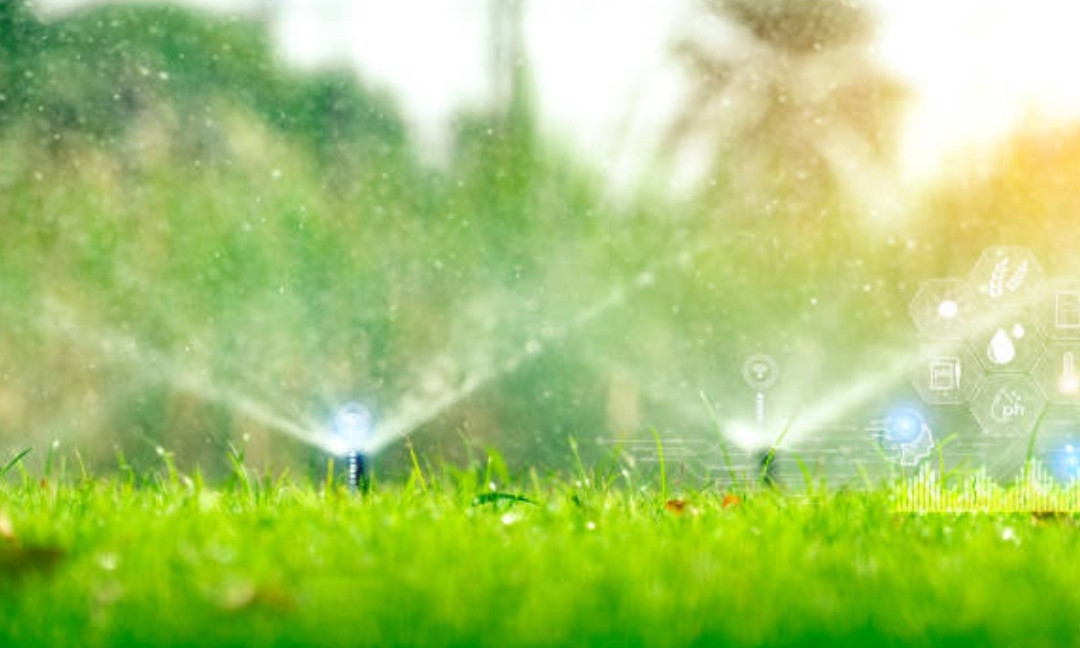
A smart garden is a modern evolution of traditional gardening that leverages technology, automation, and real-time data to help plants grow healthier, faster, and more efficiently.
Instead of relying solely on intuition or routine, smart gardens use smart sensors, automated watering systems, AI-powered apps, and even machine learning to optimize plant care based on real-time environmental feedback.
This innovative gardening approach is ideal for both urban dwellers with limited space and seasoned gardeners who want to take their green thumbs to the next level.
💡 In short, a smart garden is where nature meets innovation—combining convenience, efficiency, and sustainability.
✅ Key Features of a Smart Garden Include:
- Automated irrigation systems that know when and how much to water 🌧️
- Real-time monitoring of soil moisture, pH levels, sunlight, and temperature 🌡️
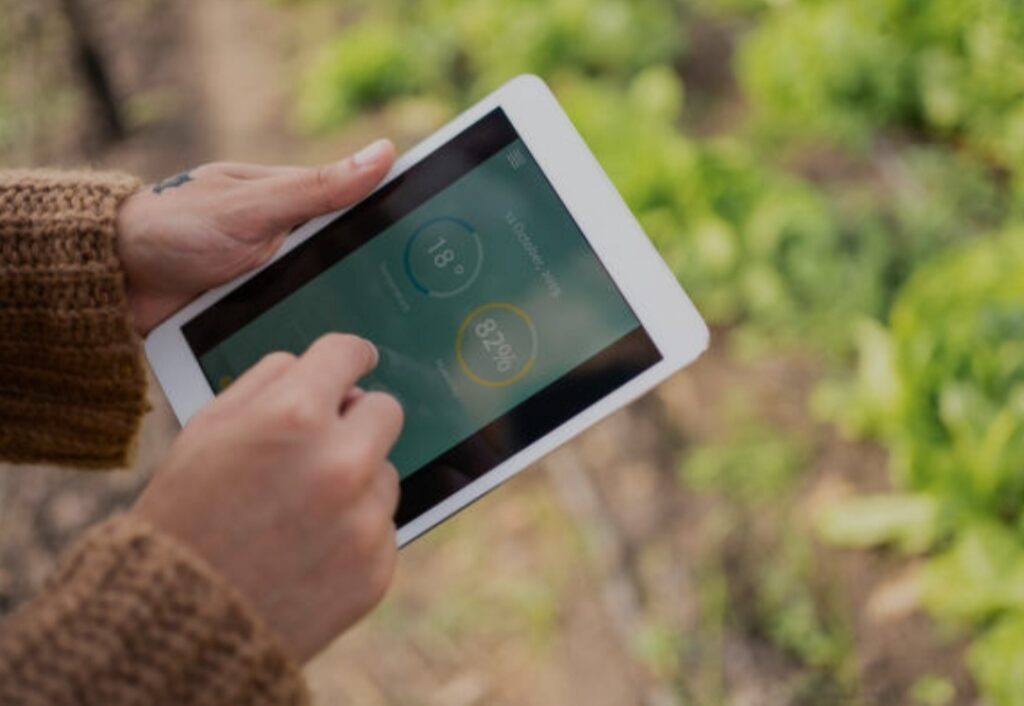
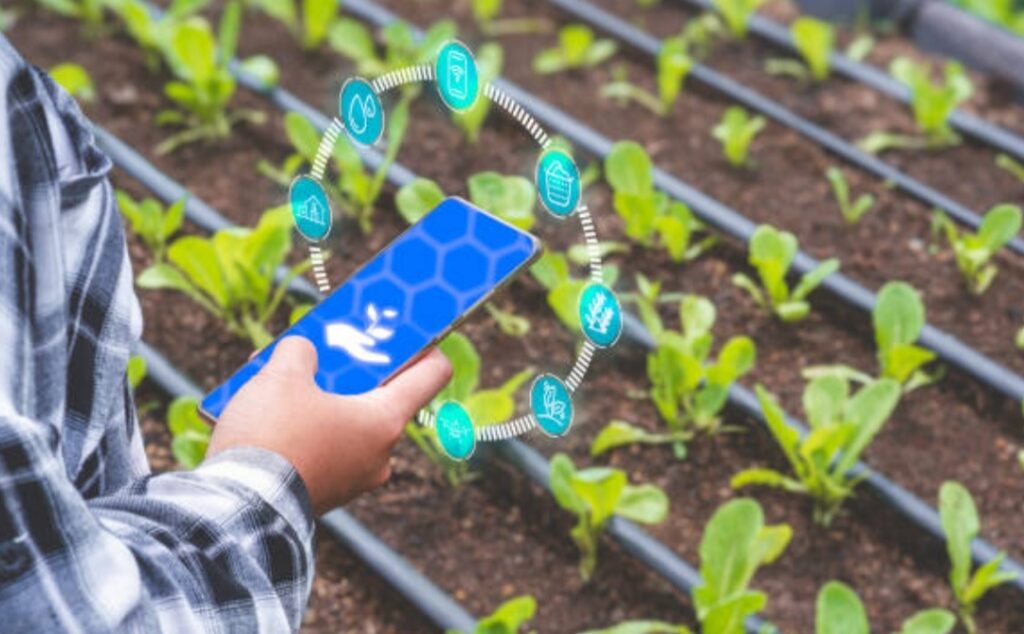
- Mobile apps that send alerts and provide growing tips 📱
- Voice-control integrations with smart home assistants like Alexa and Google Assistant 🎙️
- Smart lighting solutions for indoor and vertical gardens 💡
If you’ve ever wondered how to create a smart garden, it all begins with understanding the core features of smart gardening—and how these systems interact to create a self-regulating plant ecosystem. 🌿
🚀 Why Embrace Smart Gardening in 2025 and Beyond?
There’s never been a better time to upgrade your garden into a smart one.
Smart gardening isn’t just a trend—it’s a revolution in home sustainability and food independence.
From busy professionals with no time to water their herbs, to eco-conscious homeowners aiming to conserve water, smart gardens cater to a wide range of needs.
💥 Benefits of Smart Gardening:
- Save Time & Effort: Automated tools take care of routine tasks so you can enjoy your garden stress-free.
- Increase Plant Health: Sensors ensure optimal light, water, and nutrients for each plant’s specific needs.
- Boost Crop Yields: With consistent care, your fruits, vegetables, and herbs thrive like never before.
- Eco-Friendly: Reduce water and electricity waste using data-driven tools.
- Year-Round Growing: Control your garden environment, even in winter or indoors.
- Remote Monitoring: Check your garden’s status from anywhere in the world using your smartphone. 🌍
🌟 Smart gardening also contributes to a more sustainable lifestyle, aligning with green initiatives and carbon footprint reduction.
🌎 How the Concept of Smart Gardens Is Changing Modern Homes
Modern smart gardens are becoming the centerpieces of eco-conscious homes.
They add not only aesthetic value but also functionality—making your home smarter, greener, and more self-sufficient.
From balcony smart gardens in city apartments to automated backyard vegetable patches, these systems are being adopted across the globe.
🔧 Integrating smart garden technology with smart home systems like Wi-Fi-enabled lighting, weather-based irrigation, and AI-controlled plant care makes gardening more accessible to everyone—no matter the skill level.
💬 Imagine saying, “Hey Google, water the tomatoes,” and watching your system come to life—without lifting a finger. 🤖🌿
🌟 A Quick Glance at the Core Technologies Behind Smart Gardens
To truly understand how to create a smart garden, you need to get familiar with the technologies that power them:
🛠️ Core Technologies Include:
- IoT (Internet of Things): Devices communicate wirelessly to automate and streamline processes.
- AI & Machine Learning: Predicts plant needs based on past data and current environmental factors.
- Mobile Apps: Real-time data visualization and alerts.
- Sensor Technology: Monitors variables like moisture, light intensity, and temperature.
- Smart Controllers: Control irrigation, lights, and more, based on programmed rules.
👉 Many smart garden systems also integrate with platforms like Apple HomeKit, Google Home, or Amazon Alexa for full automation.
🌱 Who Should Start a Smart Garden?
You might think smart gardening is only for tech enthusiasts or professional botanists—but it’s for everyone.
Whether you’re:
- A busy professional with little time 🕒
- A beginner gardener who wants support 🌱
- A sustainability advocate ♻️
- A tech-savvy homeowner who loves gadgets 🤓
- Or someone looking to grow food indoors all year 🍅
—smart gardens can be tailored to your needs.
💡 Smart Tip: If you’re just starting and want an easy entry point, invest in a plug-and-play smart garden kit with mobile app support and automated lighting.
📈 The Rapid Growth of Smart Gardening in 2025
According to recent market reports, the global smart gardening market is projected to grow by over 17% CAGR through 2028.
Why? Because smart gardens:
- Save water and electricity 💧⚡
- Allow fresh food to be grown indoors 🌽
- Reduce grocery bills 🛒
- Make gardening accessible to all demographics 🙌
📊 This tech-fueled evolution is reshaping how we view gardening—not just as a hobby, but as a smart, sustainable solution for modern living.
✅ Why It All Begins with Understanding Smart Gardening 🧠🌿
Before jumping into the tools and step-by-step guide, it’s essential to grasp the fundamentals of smart gardening.
By doing so, you lay a solid foundation for making smarter choices when selecting tools, layouts, and growing systems.
👉 If you’re serious about learning how to create a smart garden, the journey begins by understanding why it matters, how it works, and what makes it so powerful in today’s world.
💥 Ready to build your smart garden? Don’t wait! Start with a smart kit that fits your lifestyle and space.
➡️ Take control of your garden and let technology do the heavy lifting.
Planning Your Smart Garden 🛠️🌱

📍 Start with Your Goals — What Do You Want from Your Smart Garden?
Before investing in gadgets or designing your layout, take a moment to clarify your goals.
Ask yourself:
- Do I want to grow fresh herbs and vegetables indoors year-round? 🌿🥕
- Is this for aesthetics and ambiance (e.g., a balcony garden)? 🌸✨
- Am I looking to automate an existing outdoor garden space?
- Do I want to reduce manual labor and save water? 💧
- Do I want to use voice controls or app-based gardening tools?
➡️ Knowing your “why” helps determine your budget, tools, and space needed.
Without a clear goal, your garden could become just another tech novelty.
💬 If your goal is to learn how to create a smart garden, start by defining what “smart” means to you.
📏 Choose the Right Location for Your Smart Garden
Your smart garden’s location plays a vital role in its effectiveness—especially when sensors and lighting are involved.
✅ Indoor or Outdoor?
- Indoor gardens require smart grow lights and controlled humidity.
- Outdoor gardens need weatherproof devices and possibly solar-powered tools.
🎯 Best Practices:
- Ensure proximity to a Wi-Fi connection or smart hub. 📶
- Choose areas with sufficient natural light or plan for artificial grow lights.
- Keep the garden accessible for occasional manual intervention if needed.
💡 Tip: If you’re tight on space, vertical smart gardens or hydroponic towers are space-saving and highly efficient.
📋 Make a Smart Garden Plan (Design + Layout)
Creating a layout helps you visualize where smart systems will go and what plants suit your setup.
Use graph paper, a digital layout tool, or even a free garden planning app like:
- Garden Planner
- SmartGardener
- Planter
Include in Your Plan:
- Location of smart sensors, controllers, and grow lights
- Grouping of plants based on watering and light needs
- Zones for vegetables, herbs, flowers, or hydroponic systems
- Backup power (optional for tech continuity during outages)
🛑 Avoid mixing plants with vastly different water needs in the same irrigation zone.
💡 Decide Which Smart Features You Actually Need
It’s tempting to go all out with every smart gadget on the market—but that can lead to wasted money and unnecessary complexity.
✅ Must-Have Smart Garden Features:
- Soil Moisture Sensors: Prevent overwatering and root rot
- Automated Irrigation Systems: Saves water and effort
- Smart Grow Lights: Ideal for low-light areas or indoor growing
- App-Controlled Timers: Automate watering/light schedules
- Plant Health Monitoring Systems: Get alerts if something’s wrong
✅ Optional (But Helpful):
- Voice Assistant Integration (Alexa, Google Assistant)
- Climate Control (for greenhouses)
- AI Gardening Assistants that give daily tips
💬 Start with core automation and expand over time as you get comfortable.
🛒 Budgeting for Your Smart Garden Setup
Smart gardening doesn’t need to break the bank.
💰 Beginner Budget Range:
- Entry-Level Smart Kits: $50–$150
- Mid-Range Setup (with multiple sensors/lights): $200–$500
- High-End or Full Outdoor Setup: $800+
Where to Shop:
- Amazon Smart Garden Deals
- Click & Grow Smart Garden
- Gardyn Smart Tower
- AeroGarden Indoor Systems
✅ Look for bundles and discounts or refurbished products to save money.
💬 A smart garden is an investment in food independence and convenience—the ROI is well worth it.
🧠 Selecting the Right Plants for Your Smart Garden
Not all plants respond equally well to automation.
✅ Beginner-Friendly Plants for Smart Gardens:
- Herbs: Basil, mint, parsley, thyme
- Leafy greens: Lettuce, kale, spinach
- Microgreens & sprouts
- Cherry tomatoes 🍅
- Strawberries 🍓
- Peppers 🌶️
🌿 Indoor Smart Garden Plant Tips:
- Focus on low-maintenance, fast-growing varieties
- Use compact or dwarf plant versions for small setups
- Avoid root-heavy or deep-soil plants unless you have room
💬 Want better results? Use pre-seeded pods that are optimized for smart gardens.
✅ Planning Is the Key to a Thriving Smart Garden 🔑🌻
The journey to learning how to create a smart garden begins with thoughtful planning.
By setting clear goals, picking the right space, budgeting wisely, and choosing suitable tools and plants—you set yourself up for success.
💡 Pro Tip:
Even the smartest garden won’t thrive without a human touch. Monitor, adapt, and learn as you grow!
🔥 Ready to take the next step? Browse beginner-friendly smart garden kits and start building today!
Essential Components of a Smart Garden ⚙️🌿
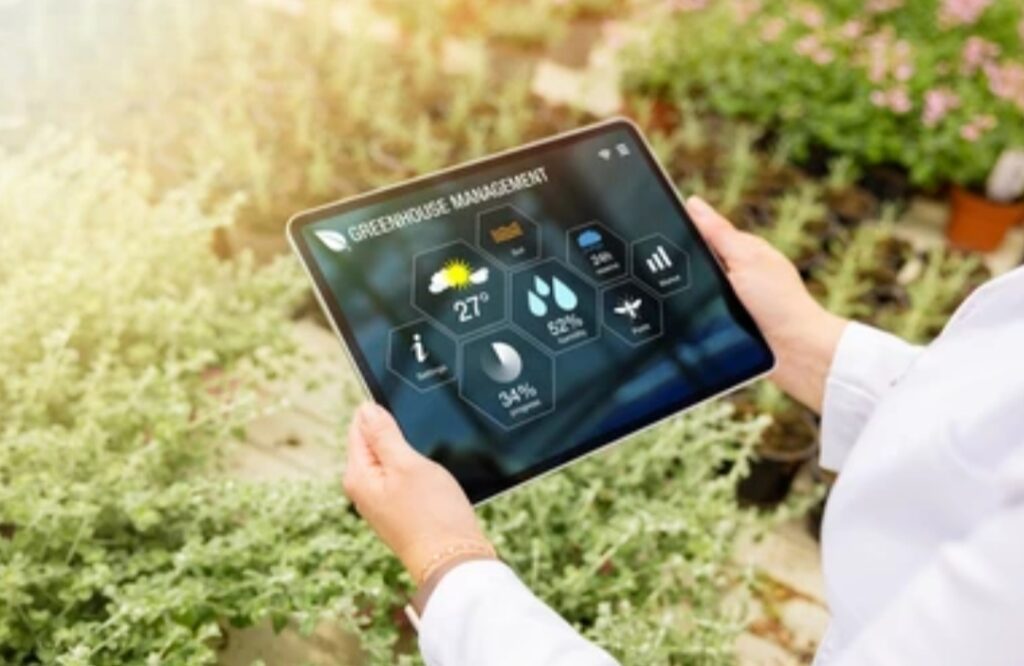
🧠 Smart Controllers — The Brain Behind Your Garden
Smart controllers act as the central nervous system of your smart garden.
These devices connect all your sensors, timers, and gadgets to a single platform—making it easy to control everything from your smartphone or voice assistant.
Key Functions of a Smart Controller:
- Coordinate watering schedules based on soil moisture and weather data
- Control grow lights, fans, and other devices remotely
- Integrate with smart home systems like Alexa, Google Home, or Apple HomeKit
- Push real-time alerts and updates via mobile apps
Popular examples include:
- Rachio Smart Irrigation Controller
- Orbit B-hyve Smart Timer
- RainMachine Pro
💬 If you’re learning how to create a smart garden, starting with a smart controller is a game-changer—it simplifies everything.
🌡️ Smart Sensors — Know Your Garden’s Needs in Real Time
Smart sensors are the eyes and ears of your garden.
They collect critical data and send it to your controller or app, enabling you to act—or let automation take over.
Must-Have Smart Sensors:
- Soil Moisture Sensor: Ensures plants are watered only when needed
- Light Sensor: Tracks exposure to natural or artificial light
- Temperature & Humidity Sensor: Essential for maintaining plant-friendly conditions
- pH Sensor (optional): Helps optimize soil conditions for specific plant types
📲 These sensors prevent overwatering, identify issues early, and maximize growth efficiency.
👉 Smart sensors like the Xiaomi Mi Flora Monitor or Blumat Digital Sensor are great for beginners and experts alike.
💧 Automated Irrigation System — Say Goodbye to Manual Watering
Automated irrigation is one of the most powerful time-saving and water-saving tools in a smart garden setup.
It ensures your plants get the right amount of water at the right time, every time—whether you’re home or on vacation.
Types of Smart Irrigation Systems:
- Drip Systems: Targeted watering at the base of each plant
- Sprinkler Systems: Ideal for lawns and large gardens
- Self-Watering Pots: Great for indoor or balcony gardens
- Hydroponic Circulation Systems: For soil-free gardening
Features to Look For:
- Weather forecasting integration ☁️
- Soil moisture data sync 🌱
- App or voice control compatibility 📱
- Zone customization for different plant types 🌼
🌟 Smart irrigation systems can save up to 50% of your water usage.
Perfect for eco-conscious growers!
💡 Smart Grow Lights — A Must for Indoor Gardening
Smart grow lights replicate sunlight and allow plants to photosynthesize indoors—even in windowless environments.
These lights mimic the sun’s spectrum, helping plants grow faster and healthier.
Why Choose Smart Grow Lights?
- Programmable light cycles
- Adjustable brightness and color temperature
- App integration for remote control
- Energy-efficient (LED-based)
- Some models even adapt based on sensor data!
Top Picks:
- GE BR30 Smart LED Grow Lights
- Spider Farmer Smart Grow Panel
- Click & Grow Light Extension Arm
💬 If you’re building an indoor smart garden, smart grow lights are absolutely essential.
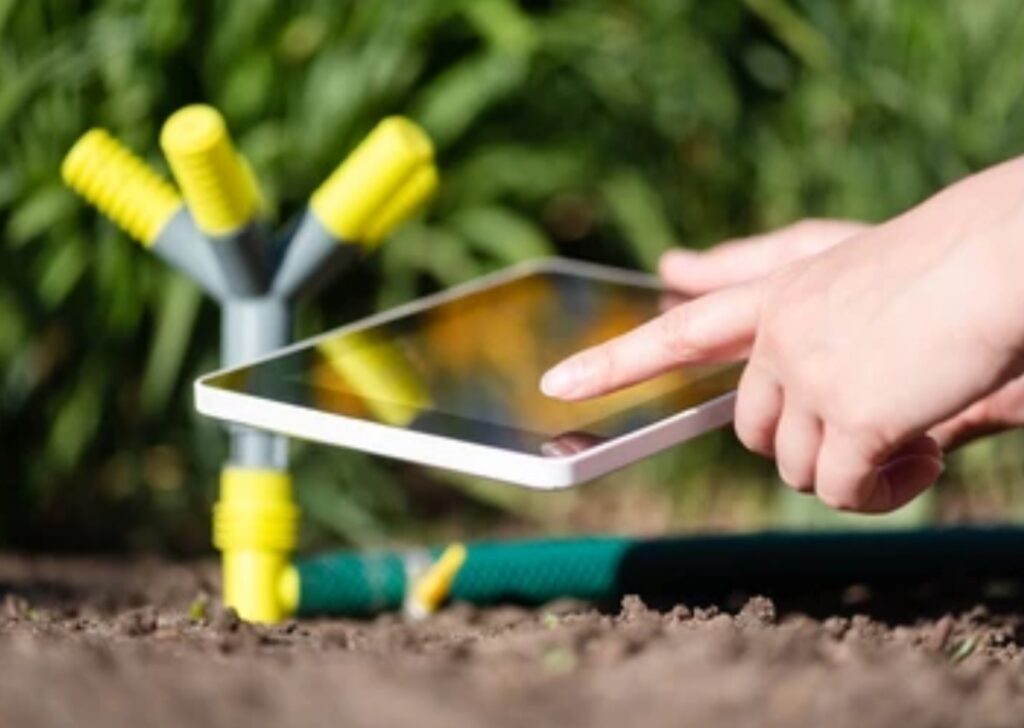
🌿 Smart Planters and Indoor Gardening Kits
Smart planters are plug-and-play gardening systems that automate almost everything for you—ideal for beginners.
They typically include:
- Built-in lighting
- Self-watering systems
- Integrated sensors
- Seed pods or compartments
- Mobile app control
Top Smart Planter Systems:
- Click & Grow Smart Garden 9
- AeroGarden Harvest Elite
- Gardyn 3.0 Home Kit
These systems are compact, attractive, and beginner-friendly—perfect for those learning how to create a smart garden without building from scratch.
⚡ Smart Power Sources and Energy Efficiency Tools
Since many smart gardening devices are electric, power efficiency matters.
Key Tips:
- Use solar-powered sensors or irrigation timers to cut down energy bills
- Connect devices to smart plugs for energy usage tracking
- Use power banks or backup batteries to maintain uptime during outages
Recommended Tools:
- Wemo Wi-Fi Smart Plug
- EcoFlow Power Bank
- TP-Link Smart Power Strip
🔌 Don’t forget surge protection—especially for outdoor gadgets.
📱 Mobile Apps and Dashboards — Control from Anywhere
The real magic of smart gardening is control and insight at your fingertips.
Most devices come with dedicated mobile apps or allow integration with third-party apps to:
- Monitor data in real-time
- Receive plant care alerts
- Adjust lighting and watering schedules
- Track plant growth progress
- Get reminders and tips
Popular Gardening Apps:
- Plant Parent
- Gardenize
- Smart Plant Home
- Click & Grow App
- AeroGarden App
💬 Your smartphone becomes your garden command center—talk about futuristic farming!
✅ These Are the Building Blocks of Your Smart Garden 🧱🌱
To truly master how to create a smart garden, it’s crucial to understand and select the right components.
These tools work together to create a seamless, efficient, and intelligent growing environment.
⚡ Power Tip: Start simple—use a smart planter or basic sensor kit, then upgrade to controllers, grow lights, and irrigation systems as your garden grows.
🔥 Ready to build your smart garden? Check out top-rated smart gardening kits here.
➡️ Let technology grow your garden while you enjoy the results!
Integrating Technology into Your Garden 🌐⚙️

🔗 Connecting Devices to Create a Seamless Ecosystem
When learning how to create a smart garden, it’s essential to ensure your devices work together seamlessly.
Smart gardening isn’t just about having gadgets—it’s about building a connected ecosystem where tools communicate and automate your garden’s care without constant manual input.
How to Build a Connected Smart Garden:
- Choose devices with cross-compatibility, like those that work with Alexa, Google Home, or Apple HomeKit
- Use a smart hub or controller to manage all devices from a single dashboard
- Link soil sensors to irrigation systems so plants are watered only when needed
- Sync grow lights to smart plugs and timers to create automated light cycles
- Connect your garden to your home Wi-Fi for remote access and real-time monitoring
💬 The key to success lies in integration—not just automation.
📡 Using Wi-Fi, Bluetooth, and Smart Hubs in Gardening
For your smart garden to truly function hands-free, your devices need to communicate reliably. This is done via Wi-Fi, Bluetooth, or a dedicated smart hub.
Understanding the Differences:
| Connection Type | Range | Speed | Use Case |
| Wi-Fi | Long | Fast | Outdoor systems, cloud syncing |
| Bluetooth | Short | Moderate | Indoor setups, close proximity |
| Zigbee/Z-Wave Hub | Medium | Efficient | Reliable smart home integration |
Recommended Smart Hubs for Gardening:
- Samsung SmartThings Hub
- Amazon Echo with Zigbee
- Hubitat Elevation
💡 If you’re integrating multiple devices, using a smart hub avoids connectivity issues and app overload.
📱 Setting Up and Managing Mobile Apps
Every smart gardening tool comes with an app or offers integration into larger platforms like Apple Home, Google Home, or Alexa.
Top Mobile Apps for Smart Garden Management:
- Click & Grow App – Manages indoor smart gardens
- AeroGarden App – Tracks plant growth & alerts
- Rachio App – Controls outdoor smart sprinklers
- Home Assistant – Centralizes all smart devices into one interface
- Google Home / Alexa App – Voice and automation controls
What You Can Do With These Apps:
- Set up automation schedules
- Get notifications about plant health
- Manually control devices remotely
- Monitor moisture, light, temperature in real-time
- Receive maintenance reminders and harvest tips
💬 Make sure to check app reviews and compatibility before purchasing any smart gardening tool.
🧠 Smart AI and Machine Learning in Gardening
Artificial Intelligence (AI) is revolutionizing gardening by offering predictive automation and personalized plant care.
Benefits of AI in a Smart Garden:
- AI learns your garden’s habits and adjusts watering schedules automatically
- Machine learning models forecast plant needs based on seasonal patterns
- Some AI tools identify plant diseases early via photo recognition
- Get tailored advice based on your specific location, plant types, and setup
Emerging Tools Using AI in Gardening:
- Plantix App – Diagnoses plant diseases from photos
- Lono Smart Sprinkler AI – Adapts watering based on weather forecasts
- Tertill Weeding Robot – Uses sensors to remove weeds autonomously
💡 Using AI helps make your garden smarter over time without additional manual work.

🔊 Voice Assistants and Automation Routines
Integrating your smart garden with voice assistants like Alexa, Google Assistant, or Siri gives you hands-free control.
Examples of Voice Commands:
- “Alexa, water my tomato plants.”
- “Hey Google, turn off the grow lights.”
- “Siri, check the soil moisture in the herb garden.”
Create Automation Routines Like:
- Turn on grow lights at 6 AM and off at 8 PM daily
- Water garden only if no rain is detected for 2 days
- Notify you when the soil is too dry or plant health is poor
✅ This hands-free functionality makes smart gardening incredibly efficient—especially for people with busy lifestyles.
🔒 Securing Your Smart Garden Technology
Just like other smart home tech, your garden devices can be vulnerable if not protected.
Smart Garden Cybersecurity Tips:
- Use strong, unique passwords for each app
- Secure your Wi-Fi network with WPA3 encryption
- Regularly update firmware on all devices
- Avoid public Wi-Fi networks for accessing your devices
- Consider using VPNs when managing your system remotely
💬 Your smart garden collects environmental data and may access your home network—protect it like any other IoT system.
✅ Build a Truly Intelligent Garden That Works for You 🧠🌱
By integrating technology into your garden, you’re creating a living ecosystem powered by automation, data, and intelligence.
Whether you use a full-blown AI-controlled greenhouse or just sync a few devices with your phone, the future of gardening is here—and it’s smarter than ever.
🔥 Ready to get started? Explore smart controllers and sensors to take your garden to the next level!
➡️ Let your garden work for you—not the other way around.
Sustainable Practices in Smart Gardening ♻️🌿
Why Sustainability Matters in a Smart Garden
Sustainability isn’t just a buzzword—it’s a core principle of smart gardening.
By integrating eco-friendly practices with smart technology, you reduce waste, conserve water, save energy, and promote a healthier environment for plants and people alike.
Benefits of Sustainable Smart Gardening:
- Lower water and energy usage
- Minimized chemical dependency
- Less food waste through controlled harvesting
- Healthier soil and ecosystems
- Reduced carbon footprint
💬 If you’re researching how to create a smart garden, integrating sustainable practices should be a top priority—not just an afterthought.
💧 Water Conservation with Smart Irrigation Systems
Water is precious—and smart gardens can dramatically reduce how much you use without sacrificing plant health.
Smart Water-Saving Features:
- Soil moisture sensors trigger irrigation only when needed
- Weather integration cancels watering on rainy days
- Drip irrigation systems minimize runoff and evaporation
- Zone customization delivers the right amount of water to each plant type
- Smart timers and flow meters monitor water usage in real time
Pro Tip: Devices like the Rachio 3 Smart Sprinkler Controller can cut water use by up to 50%.
➡️ Use less, grow more.
Upgrade to a smart irrigation system for guilt-free gardening.
♻️ Composting and Waste Reduction in Smart Gardens
Composting is a natural recycling system for your garden.
It turns kitchen scraps and garden clippings into nutrient-rich soil, helping your plants grow stronger—without synthetic fertilizers.
Smart Composting Practices:
- Use a smart compost bin that tracks temperature and decomposition
- Install a vermicompost system with sensors to monitor worm health
- Compost food scraps, grass clippings, leaves, and biodegradable pots
- Use smart reminders to manage compost rotation and moisture levels
Recommended Smart Tools:
- Lomi Smart Compost Bin
- Reencle Home Composter
- Subpod In-Garden Compost System
🟢 Healthy soil = healthy plants. Composting is your garden’s best friend.
⚡ Energy Efficiency in Smart Gardening Setups
Many smart garden gadgets require power—but that doesn’t mean they need to drain your energy resources.
Ways to Save Energy in Your Smart Garden:
- Solar-powered sensors and lights
- LED grow lights that use 80% less energy than traditional bulbs
- Use smart plugs and timers to cut off power when devices aren’t in use
- Energy usage monitoring via apps for smarter scheduling
- Group devices on a smart power strip with surge protection
Eco-Friendly Tip:
Switch to solar panels or battery banks for off-grid growing.
Recommended Tools:
- EcoFlow Solar Generator Kit
- TP-Link Kasa Smart Plug
- GE Smart LED Grow Light
💬 Power smarter, not harder. Every watt saved matters.
🌱 Organic and Chemical-Free Smart Gardening
Smart gardening lets you grow produce and plants without relying on synthetic fertilizers or pesticides.
How to Grow Organically with Smart Tools:
- Use AI plant care apps to detect pest/disease risks early
- Automate pest deterrents like ultrasonic sensors or smart sprinklers
- Integrate natural fertilizers via compost or worm castings
- Monitor plant health using real-time data and adjust care accordingly
- Choose non-GMO seed pods and biodegradable planters
Top Organic-Smart Gardening Combos:
- Click & Grow Smart Garden – Uses organic soil pods
- Gardyn Home Kit – Hydroponic system without synthetic fertilizers
- Plantix AI App – Diagnoses pests and diseases naturally
✅ Tech and nature can coexist—beautifully.
🌼 Biodiversity and Companion Planting with Smart Assistance
Biodiversity makes your garden more resilient and productive.
With smart tech, you can plan and manage diverse plant ecosystems efficiently.
Smart Practices for Biodiverse Gardening:
- Use garden planning apps to map out companion plant layouts
- Monitor microclimates with multi-zone sensors
- Track pollinator presence and flowering patterns
- Automatically adjust irrigation based on plant groupings
Example Companion Plant Pairs:
- Tomatoes + Basil
- Carrots + Onions
- Marigolds + Almost anything (natural pest repellent!)
Recommended Tool:
- Garden Planner Pro App – Perfect for layout planning
- Smart Zone Irrigation System – Waters each plant group appropriately
💡 Diversity isn’t just natural—it’s smart.
✅ Build a Garden That’s Green in Every Sense ♻️🌱
Embracing sustainable practices in your smart garden helps the planet—and your plants—thrive.
From saving water and energy to avoiding harmful chemicals and promoting biodiversity, the possibilities are endless.
🔥 Ready to create a smart garden that gives back to the earth? Shop eco-smart gardening tools here.
➡️ Be part of the solution—start growing sustainably today.
Advanced Smart Gardening Techniques ⚙️🌿
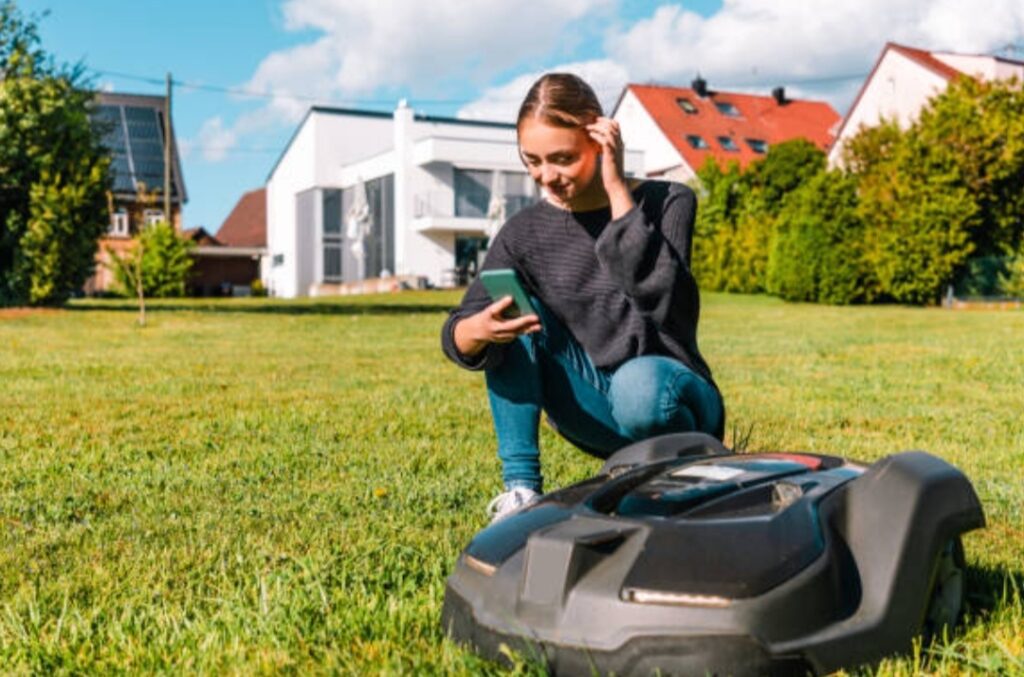
🌡️ Climate Control in Greenhouses and Indoor Gardens
Smart gardening goes beyond automation—it’s about precision control.
For those using greenhouses or indoor setups, managing temperature, humidity, and light cycles is critical for plant health and productivity.
Smart Climate Control Tools:
- Digital hygrometers and thermostats for accurate readings
- Smart ventilation fans that activate automatically
- Automated grow lights with sunrise/sunset simulation
- Humidity regulators that adapt to plant stages
Tech Tip:
Pair sensors with IFTTT routines or apps like Home Assistant for real-time climate adjustments.
💡 Want bigger yields and faster growth? Mastering indoor climate is the key.
Upgrade your greenhouse with intelligent automation today.
🧪 Precision Nutrient Management with Smart Hydroponics
Hydroponic systems are a game-changer—and they get even smarter with tech.
These soil-less systems use nutrient-rich water to grow plants faster and more efficiently.
Smart Hydroponic Features:
- EC and pH sensors monitor nutrient balance
- Dosing pumps automate nutrient delivery
- Real-time alerts on nutrient deficiencies
- Integration with apps like HydroBuddy for custom feeding schedules
Top Smart Hydroponic Kits:
- AeroGarden Farm XL
- Gardyn 3.0 AI System
- Rise Gardens Smart Hydroponics
💬 No more guesswork—just optimized plant nutrition every day.
🛰️ Leveraging Satellite Data and Microclimate Sensors
Smart gardens, especially large-scale ones, benefit from macro- and micro-environmental monitoring.
How Advanced Sensors Help:
- Microclimate sensors analyze temperature, light, and soil across zones
- Satellite weather data predicts pest invasions and weather shifts
- UV and PAR sensors help adjust shading and lighting
Example Setup:
- Place a Netatmo Weather Station to monitor localized climate
- Integrate it with a smart irrigation system that reacts to satellite-based weather alerts
💬 Smart gardening isn’t just local—it’s cosmic.
⚙️ Machine Learning in Smart Gardening Systems
Smart garden systems that use machine learning improve over time.
They learn from your habits, climate trends, and plant responses to refine automation and recommendations.
Examples of ML in Action:
- AI adjusting irrigation based on past rainfall
- Predictive analysis of plant health from image scans
- Automatic lighting cycles based on plant species and growth stages
ML-Powered Tools:
- Tertill Weeding Robot – avoids plants, zaps weeds
- Plantix AI App – learns disease patterns via crowd-sourced data
- FarmBot Genesis – open-source robotic gardener with deep data learning
Pro Insight:
The more you use it, the smarter your garden becomes.
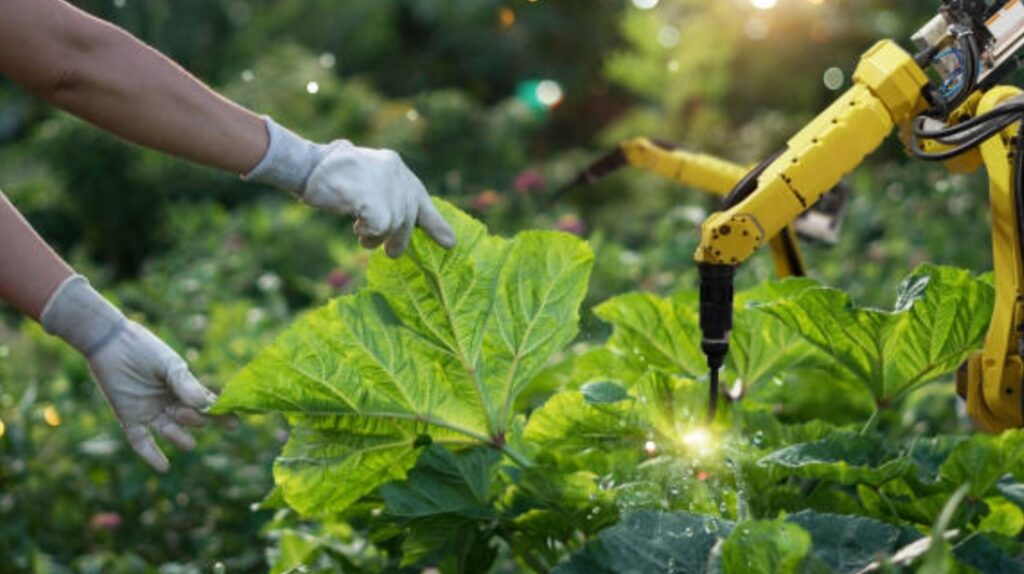
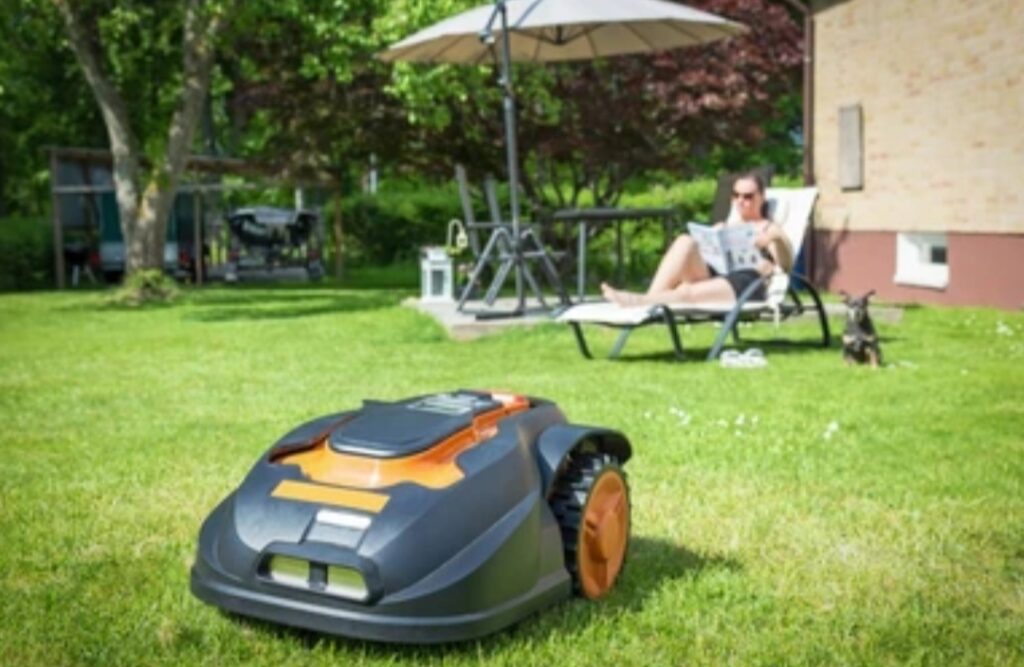
🦾 Robotics and Automated Garden Maintenance
Tired of manual maintenance? Advanced smart gardens use robotics for weeding, planting, and harvesting.
Smart Gardening Robots To Explore:
- Tertill – solar-powered robot that removes weeds
- FarmBot – plants seeds, waters, monitors, and even takes plant selfies
- AI lawnmowers and trimmers for garden borders
Features to Look For:
- Solar charging
- AI-based obstacle avoidance
- Cloud-based management dashboard
- Scheduled routines and seasonal programming
💡 Automate the dirty work and spend more time enjoying your garden.
📈 Data Logging, Analytics, and Reporting Tools
For advanced users, data is gold.
Smart gardens collect valuable environmental and performance data to help you optimize everything—from watering to yield prediction.
Data Analytics in Gardening:
- Track plant growth trends over time
- Compare productivity between plant species
- Detect anomalies early (i.e., heat stress or overwatering)
- Export reports for seasonal review
Recommended Tools:
- GrowDoc App
- Garden Journal Pro
- Home Assistant Dashboards
➡️ Grow smarter, not harder.
Use smart analytics tools to transform your garden into a data-driven paradise.
✅ Take Gardening to the Next Level with Advanced Tech
Whether you’re managing a hydroponic microfarm or optimizing a backyard greenhouse, advanced smart gardening techniques empower you with data, automation, and precision.
When you integrate AI, robotics, satellite intelligence, and machine learning, your garden becomes more than a hobby—it becomes a living system that thinks for itself.
🔥 Ready to scale up? Explore high-end smart gardening tech and turn your garden into a future-proof green haven.
➡️ Don’t just grow—innovate.
Maintenance and Troubleshooting 🛠️🌿

Why Maintenance Is Crucial in a Smart Garden
Even the most advanced smart garden systems require consistent upkeep to perform at their best.
Regular maintenance not only ensures longevity of your devices, but also helps you avoid costly breakdowns and poor plant health.
Smart gardening involves technology and nature—two elements that need care and calibration.
If you’re serious about mastering how to create a smart garden, knowing how to maintain it is non-negotiable.
Routine Maintenance Checklist for Smart Garden Systems ✅
Use this quick reference checklist to stay on top of your garden’s health:
Daily/Weekly:
- Check soil moisture sensors and clean probes if dirty
- Inspect smart irrigation emitters for clogging
- Monitor app notifications for alerts or warnings
- Top off water/nutrient reservoirs in hydroponic setups
Monthly:
- Clean camera lenses on AI plant monitors
- Update firmware on smart devices (use companion apps)
- Test Wi-Fi signal in the garden area
- Calibrate sensors if needed
Seasonally:
- Back up data logs or app history
- Prune plants and clean debris from smart beds
- Replace depleted batteries or power supplies
- Winterize exposed smart tools (if applicable)
💡 Tip: Use a smart calendar or garden maintenance app to set recurring reminders.
Common Smart Garden Problems and How to Solve Them ⚠️
1. Device Not Syncing or Offline
Solution:
- Reboot the device
- Check Wi-Fi signal range
- Ensure firmware is up to date
- Reset and re-pair via the app
2. Inaccurate Sensor Readings
Solution:
- Clean sensor tips with alcohol
- Ensure sensors are inserted correctly in soil
- Recalibrate using manufacturer app
3. Overwatering/Underwatering Alerts
Solution:
- Double-check if the smart irrigation system is triggered by recent rain
- Use weather-integrated automation
- Reprogram schedules to match seasonal needs
4. Nutrient Imbalance in Hydroponics
Solution:
- Use a smart EC/pH tester to verify balance
- Adjust solution with proper nutrient mix
- Clean reservoir to prevent buildup
5. App Malfunctions or Crashing
Solution:
- Clear app cache
- Reinstall the app
- Contact manufacturer or check forums for updates
💬 Smart gardens aren’t immune to hiccups—but most are easy fixes with the right knowledge.

Preventive Measures to Avoid Future Issues 🛡️
Stay Ahead with These Smart Tips:
- Schedule automated system checks weekly using routines
- Place sensors in different zones to avoid data blind spots
- Use surge protectors for electrical components
- Label wires and sensors to make troubleshooting easier
- Enable cloud backups for settings and plant data
Pro Insight:
An ounce of prevention is worth a pound of replanting.
Invest in a maintenance kit here with all essentials for cleaning, testing, and recalibrating your garden.
When to Call for Professional Help
Sometimes, a problem is beyond a quick fix.
Know when to escalate for professional repair or tech support:
- Hardware malfunction (e.g. broken irrigation pump, faulty controller)
- Repeated system crashes even after reset
- Sensor readings that fluctuate erratically despite calibration
- Connectivity issues in hard-to-reach garden zones
- If your plants show sustained decline despite ideal settings
Helpful Tip:
Many smart garden brands offer in-app customer support, remote diagnostics, and community forums for fast solutions.
✅ Smart Gardening Is Low-Maintenance—Not No-Maintenance
While smart gardening automates a lot, you still need to keep an eye on your ecosystem.
A little care goes a long way in ensuring your devices stay healthy and your plants continue to thrive.
By following best practices and learning how to troubleshoot common issues, you’ll ensure your smart garden performs like a well-oiled machine.
🔥 Want to make maintenance even easier? Shop smart gardening maintenance bundles here.
➡️ Smart garden, smarter you—stay in control with confidence.
Smart Garden FAQs – Everything You Need to Know 🌱❓

1. What is a smart garden and how does it work?
A smart garden is a gardening system that integrates technology and automation to make plant care easier, more efficient, and often more sustainable.
It works by using devices like sensors, timers, smart irrigation systems, grow lights, and mobile apps to monitor and control environmental conditions such as soil moisture, temperature, humidity, and light.
Bonus Tip: Most smart gardens allow remote control via smartphone, letting you manage your garden from anywhere.
If you’re learning how to create a smart garden, understanding the tech that powers it is step one.
2. Is it expensive to build a smart garden?
Not necessarily.
Costs vary based on how advanced your system is.
- Basic setups (smart planters, auto-watering kits) can start under $100.
- Mid-range options with sensors and smart lighting range from $200–$500.
- Advanced smart gardens with full automation, hydroponics, and AI may go beyond $1,000.
💡 Tip: Start small with essential tools like a smart moisture sensor or Wi-Fi timer and expand as you go.
3. Can I convert my existing garden into a smart garden?
Yes, absolutely!
You don’t need to start from scratch.
You can retrofit your current setup with:
- Smart irrigation systems (e.g. Rachio, RainMachine)
- Soil and climate sensors
- App-controlled grow lights or water pumps
- Weather-based automation integrations using IFTTT or Home Assistant
This lets you enjoy the benefits of automation without tearing up your existing layout.
4. What plants grow best in a smart garden?
Smart gardens are great for:
- Herbs: basil, mint, cilantro, parsley
- Leafy greens: spinach, lettuce, kale
- Vegetables: tomatoes, peppers, cucumbers
- Fruits: strawberries, dwarf citrus
- Ornamentals: succulents, pothos, peace lilies
Hydroponic and vertical smart gardens especially thrive with herbs and greens.
Use a smart seed kit for the best compatibility and success rate.
5. What are the most common issues with smart gardens?
Some common problems include:
- Devices going offline due to weak Wi-Fi
- Sensor inaccuracies due to soil build-up
- App glitches or firmware bugs
- Over-dependence on automation causing overwatering or missed alerts
Most issues can be fixed with regular maintenance and firmware updates.

6. Do smart gardens work indoors and outdoors?
Yes, but the setup varies.
- Indoors: Requires grow lights, stable temperature, controlled humidity
- Outdoors: Needs weather-resistant devices, solar-powered tools, and reliable Wi-Fi
Some systems are hybrid and work in both environments. Check for waterproof ratings and environmental specifications.
7. Are smart gardens eco-friendly?
Yes—smart gardens are often more sustainable than traditional ones.
They help reduce water waste with precise irrigation, use energy-efficient lighting, and minimize chemical use through better monitoring.
Many devices are solar-powered or use renewable-friendly materials.
Explore eco-smart gardening tools here to go green while growing green.
8. How much time does a smart garden save?
On average, smart gardens save 5–10 hours per week, especially if you have a medium to large garden.
Automation handles:
- Watering
- Lighting schedules
- Nutrient dosing
- Climate adjustments
- Alerts and monitoring
This leaves you with more time to enjoy your garden rather than just maintain it.
9. Can I monitor my smart garden remotely while traveling?
Absolutely.
With Wi-Fi or cellular-enabled systems, you can use mobile apps like:
- Click and Grow app
- Gardyn app
- Rachio
- Home Assistant dashboard
You’ll receive real-time alerts and can even turn devices on/off remotely.
Perfect for travelers and busy professionals.
10. How do I get started with smart gardening?
Here’s a quick step-by-step to get you started:
- Choose your space (indoor, balcony, backyard)
- Select your plants or crops
- Invest in basic smart tools: sensors, Wi-Fi timers, grow lights
- Use an app to automate and monitor care
- Expand gradually with irrigation systems, cameras, and AI tools
🔥 Get started with this affordable smart garden starter kit and grow smarter from day one.
Final Thoughts on How to Create a Smart Garden 🌿✨
Creating a smart garden is more than just automating a few tasks—it’s about transforming your gardening experience into something smarter, more sustainable, and more enjoyable.
By learning how to create a smart garden, you’re not only investing in the future of gardening, but also embracing a lifestyle that saves time, conserves resources, and enhances plant health with precision and ease.
Whether you’re starting small with a few smart sensors or going all-in with hydroponics and AI systems, the path to a connected garden is both rewarding and empowering.
Final Thoughts
- Smart gardens are customizable. Tailor the setup to your space, goals, and budget.
- You don’t have to be tech-savvy. Most systems are plug-and-play with intuitive apps.
- The benefits are immediate. Expect better growth, less waste, and more peace of mind.
From climate-smart automation to remote garden control, the tools and knowledge are now accessible to everyone—even beginners.
Your Next Step Begins Today
If you’ve made it this far, you’re serious about starting a smart garden.
So, don’t let that motivation fade.
Bold your first move today:
- Get your smart garden starter kit here
- Download the best smart gardening app now
- Subscribe to smart gardening tips and join a community of future-ready growers
You don’t need a green thumb—just a smart one.
Start today, grow smarter tomorrow.
You might also like :