
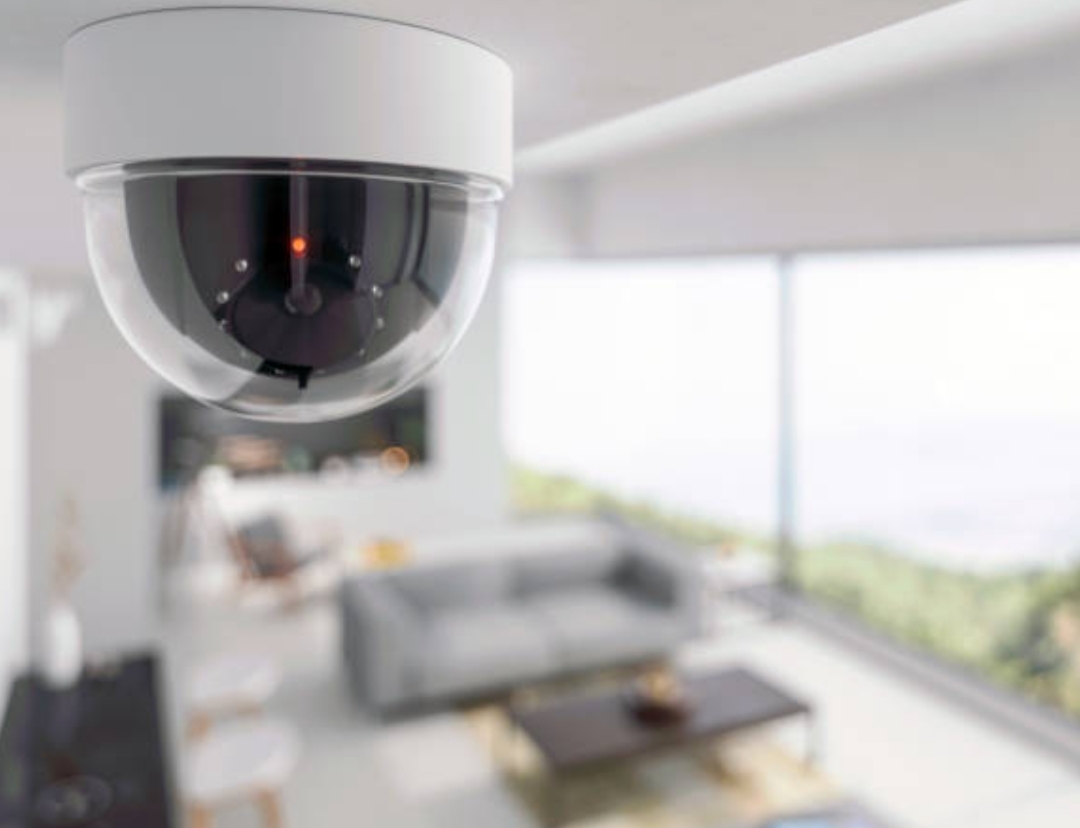
🔹 Introduction – The Hidden Side of Smart Home Convenience
💡 The smart home revolution is no longer just a concept—it’s a reality most of us are living in.
From voice-activated assistants and smart TVs to connected security cameras and IoT-enabled thermostats, our homes have become smarter, more efficient, and undeniably more convenient.
But beneath this digital comfort lies a deeply concerning issue: your smart home might be spying on you—right now, without you even knowing it.
✅ If you’ve ever wondered how to stop your smart home spying on you, you’re already taking the first crucial step toward reclaiming your digital privacy.
Within the first 100 words, we’ve already included the vital keyword “how to stop your smart home spying on you” naturally—and we’ll continue integrating related phrases like how to disable spying devices, smart home privacy, and disable spying devices throughout this post to help you find solutions that actually work.
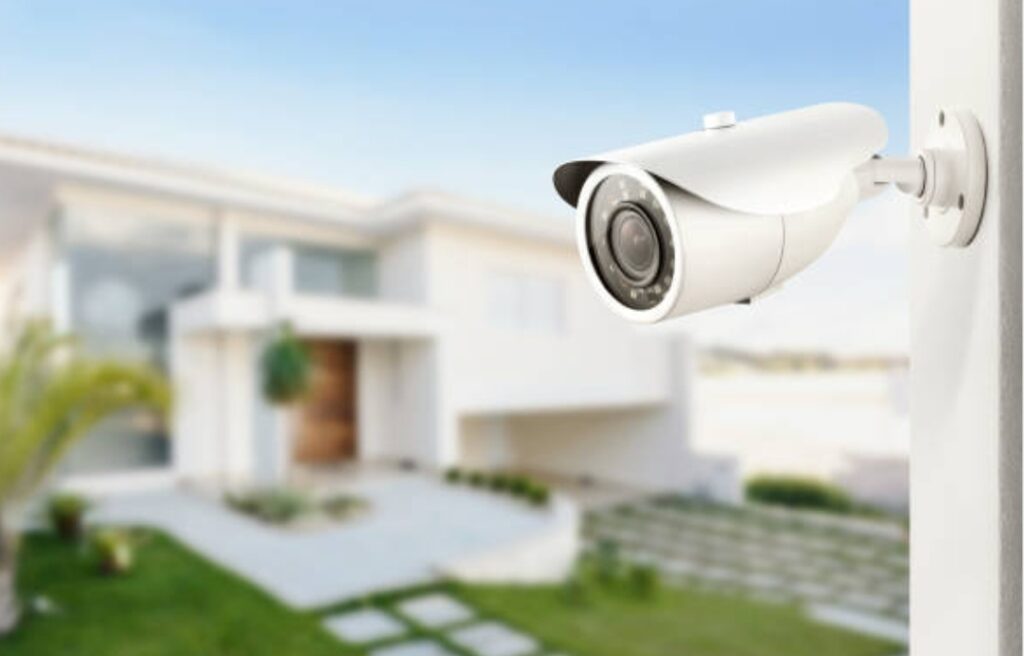
🔍 Let’s face it—modern smart devices are always listening, always watching, and always connected.
Yes, they offer incredible convenience.
You can dim your lights with your voice, remotely check your front door, or let your fridge reorder groceries for you.
But all of this connectivity comes with a cost—your personal data is constantly being collected, stored, and sometimes even sold.
And if that data falls into the wrong hands or gets accessed without your consent, your privacy could be severely compromised.
🚨 Why You Should Be Concerned About Smart Home Privacy
Whether it’s an Amazon Alexa recording more than it should, or a smart TV tracking your viewing habits, the fact is: many of your connected devices are capable of eavesdropping—often disguised as “enhanced user experiences.”
And this goes beyond just big tech.
Hackers, advertisers, and even unethical app developers are finding ways to access, intercept, and monetize your private conversations, behaviors, and household routines.
🔒 That’s why understanding how to disable spying devices and enforcing strong smart home privacy practices is no longer optional—it’s essential.
💭 The Real Risks Behind Spying Smart Devices
Here’s a powerful truth:
Every smart device you install becomes a potential surveillance tool if you’re not in control.
And we’re not just talking about government surveillance or corporate tracking.
Even something as simple as your smart vacuum or smart lightbulb could be communicating with third-party servers—collecting more data than you signed up for.
Some of the most common spying risks include:
- Voice assistants (e.g. Alexa, Google Assistant, Siri) continuously listening for wake words, often storing clips on cloud servers.
- Smart TVs using ACR (Automatic Content Recognition) to analyze what you watch—even across different apps and HDMI inputs.
- Security cameras and doorbells capturing footage, storing it in the cloud, and sometimes being hacked or accessed remotely.
- IoT apps and integrations requiring unnecessary permissions like access to contacts, location, or microphones.
⚠️ And here’s the scary part:
Even when these devices appear to be “off,” they may still be collecting data silently in the background.
💡 But Here’s the Good News
You don’t need to throw away your devices or live off-grid to protect your privacy.
There are proven, practical steps you can take to make your home smarter and safer.
This comprehensive guide will walk you through:
- ✅ How to spot if your smart home is spying on you
- ✅ Which devices pose the greatest risk
- ✅ How to disable spying devices easily without losing functionality
- ✅ The best privacy settings and alternatives to use
If you care about digital safety, now is the perfect time to take action.
👉 Don’t wait until your private data is exposed.
Start learning how to reclaim control of your connected space—before it’s too late.
⚡ Ready to Regain Control Over Your Home?
→ Keep reading and discover the powerful, actionable steps to secure your smart devices starting today!
→ Don’t forget to share this post with friends and family who rely on smart tech. They need to know the truth, too.
🔹 How Smart Devices Might Be Spying on You
We often assume that our smart devices are harmless helpers—playing music, showing weather updates, or managing lights.
But here’s the unsettling truth: many of them are silently collecting your personal data—from your daily routines and habits to even snippets of your private conversations.
If you’re wondering how to stop your smart home spying on you, the first step is to understand how the spying happens in the first place.
This section breaks down the sneaky, under-the-radar ways your smart devices may be watching, listening, and tracking your every move—without you realizing it.
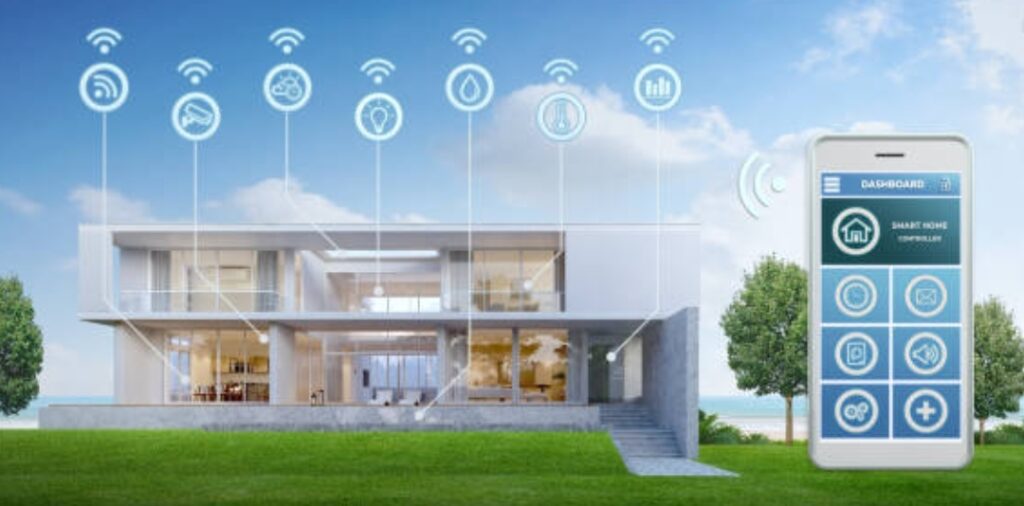
📡 1. Always-On Microphones & Voice Recordings
Smart assistants like Amazon Alexa, Google Assistant, and Apple Siri are designed to be “always listening” for their wake words.
That means their microphones are constantly active, and sometimes, they record more than just “Hey Alexa.”
🔎 Did You Know?
- Amazon stores recordings unless you manually delete them.
- Google Home can be triggered by background noise or accidental words.
- Voice snippets are often uploaded to the cloud and stored for “AI training.”
🛑 Problem: You may think you’re not being recorded—but you actually might be.
Solution:
→ We’ll show you how to disable spying devices by muting microphones, deleting voice history, and adjusting device permissions later in this post.
🎥 2. Smart Cameras Capturing More Than They Should
Devices like Ring doorbells, baby monitors, and indoor/outdoor security cams offer peace of mind—but also raise serious smart home privacy concerns.
These cameras often:
- Stream 24/7 footage to cloud servers
- Store recordings indefinitely unless deleted manually
- May be hacked or remotely accessed if passwords are weak
- Share data with third-party services (some even with law enforcement)
🔒 Worst of all? Many people don’t even know they’re being recorded when visiting someone’s home.
📺 3. Smart TVs Tracking Your Viewing Habits
Your smart TV is not just showing you content—it’s watching what you’re watching.
Most major smart TV brands (Samsung, LG, Vizio, etc.) use Automatic Content Recognition (ACR) to track:
- Shows you watch
- Streaming services you use
- Even what you watch through HDMI devices (like game consoles)
📈 This data is then sold to advertisers to build a profile on your preferences.
Tip: You can disable ACR in your TV settings—we’ll guide you on how to do that in the “Disable Spying Devices” section.
📲 4. Smartphone Apps Listening in the Background
Many apps tied to your smart devices have unnecessary permissions, such as:
- Access to your microphone, camera, contacts, or location—even when not in use
- Running in the background
- Sending data back to developers, advertisers, or data brokers
🚨 Red Flag: If you get eerily specific ads after having a private conversation—your phone or smart speaker may be listening.
Protect yourself by reviewing app permissions regularly and revoking anything that feels intrusive or unrelated to the app’s main function.
🧠 5. Behavioral Tracking & AI Profiling
Modern smart homes don’t just react to commands—they learn from you.
That means your smart thermostat, robot vacuum, or lighting system is constantly collecting data like:
- Your location & schedule
- Time of day you come home
- Rooms you spend time in
- Your voice tone, commands, and behavior patterns
🔍 Over time, this information can be used to create a detailed behavioral profile, often shared with third-party vendors for advertising or predictive analytics.
📶 6. Network Sniffing & IoT Vulnerabilities
If your devices aren’t properly secured, cybercriminals can intercept your smart home traffic using methods like:
- Packet sniffing
- DNS spoofing
- Man-in-the-middle attacks
💥 This can expose everything from your security camera feed to passwords and personal files.
✅ Quick Recap: How Your Smart Home Could Be Spying on You
Here’s a simple checklist of potential spying methods:
✔️ Always-on microphones
✔️ Cloud-synced smart cameras
✔️ TVs tracking content habits
✔️ Overreaching app permissions
✔️ Behavioral pattern profiling
✔️ Wi-Fi network vulnerabilities
If any of this feels unsettling—good.
You’re now aware, which means you’re ready to take action.
Don’t be fooled by sleek design and voice convenience.
What looks like a helpful device may actually be an open door into your personal life.
🔐 In the next section, we’ll walk you through exactly how to stop your smart home spying on you using real-world solutions, beginner-friendly steps, and expert tips.
💥 Keep reading—and take back your digital freedom today.
🔹 Signs Your Smart Home Might Be Spying on You
You don’t need to be a cybersecurity expert to sense when something feels off in your home.
If you’re starting to feel like someone—or something—is watching or listening to you, you may be right.
Before we dive into how to disable spying devices, it’s crucial to first identify the red flags.
This section reveals the most common warning signs that your smart devices are doing more than just “helping”—they might be quietly invading your privacy.
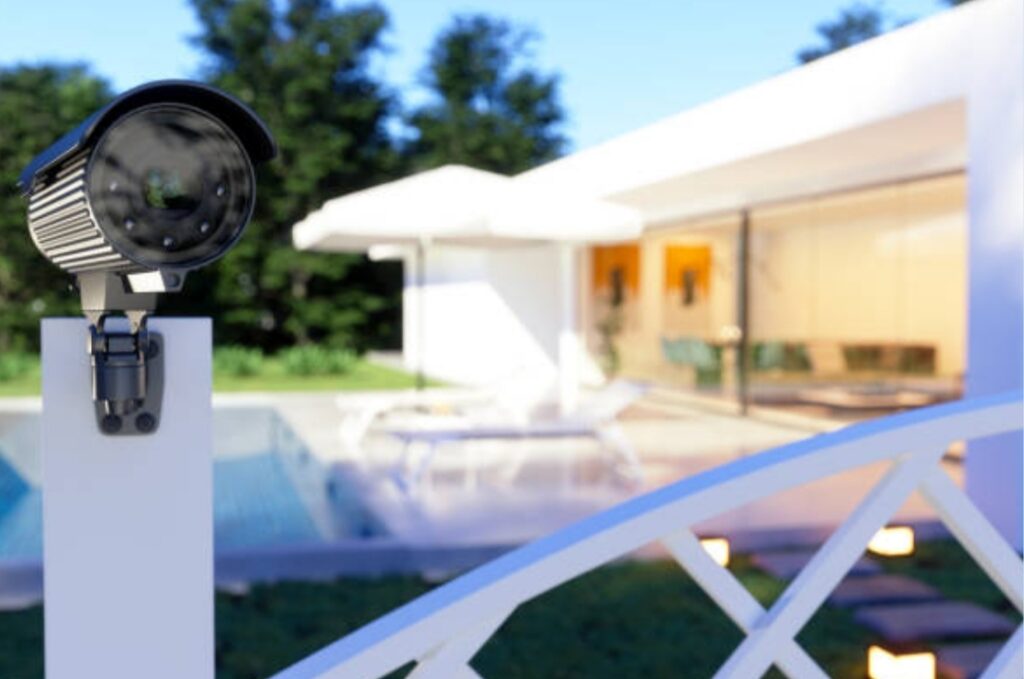
🚨 Why These Signs Matter
Knowing how to stop your smart home spying on you starts with awareness.
Many of the warning signs are subtle, easily dismissed, or misunderstood.
But once you know what to look for, you’ll begin to recognize suspicious patterns and take action before your data is compromised.
🔍 1. Random LED Lights or Audio Prompts
Ever notice your Alexa or Google Home light up for no reason?
Or maybe your smart speaker speaks up even when you didn’t say the wake word?
⚠️ This could be a sign that the device misinterpreted a sound or voice and began recording.
Look out for:
- Microphone lights turning on unexpectedly
- Beeps, voice replies, or activity sounds without interaction
- Devices that seem “awake” too often
👉 What to do:
Check your voice assistant’s activity logs and delete suspicious recordings.
We’ll guide you on that in the upcoming privacy fix section.
📡 2. Increased Bandwidth Usage at Odd Hours
Have you checked your router and noticed spikes in data traffic even when no one’s actively using the internet?
That might mean a device is sending or receiving data in the background.
Especially during late-night hours or when you’re away, this is often a major red flag.
You might be experiencing:
- Smart cameras uploading footage
- Devices syncing with cloud storage
- App updates or firmware downloads—without notice
🛠️ Smart Tip: Use a tool like Fing or your router dashboard to check which devices are actively using the internet—and what they’re connecting to.
🎥 3. Security Camera Behavior You Didn’t Trigger
If your smart doorbell or indoor cam starts recording without reason—or even begins moving on its own—it may be under someone else’s control.
Even worse, some users have reported hearing voices coming from camera speakers, indicating a compromised system.
⚠️ Unusual behavior may include:
- Sudden blinking lights or audio chimes
- Rotating camera lenses
- Devices sending mobile alerts even when disabled
If you’re seeing camera activity without your permission, it’s time to reclaim control and disable spying devices immediately.
📱 4. Super Targeted Ads After Private Conversations
Ever talked about something—then seen ads for it almost instantly on Facebook, YouTube, or Google?
That’s no coincidence.
While companies deny eavesdropping, permissions granted to apps and devices can allow for passive listening in the background.
📌 Apps tied to your smart devices may access your:
- Microphone
- Contacts
- Location
- Calendar or call logs
And if you’ve never searched or typed those keywords online, but you’re still getting ads, then voice-triggered profiling is likely in play.
🔋 5. Unexpected Battery Drain or Overheating
Smartphones, smart hubs, and even smart remotes may begin to heat up or lose power quickly when something is running in the background.
This could indicate:
- Unseen data transmissions
- Unauthorized recording
- Malware or device hijacking
🔧 Use battery analytics tools or system logs to track down hidden processes.
🔐 6. Devices That React Without Direct Interaction
Have you noticed lights turning on, music starting, or your thermostat changing—even when you didn’t touch anything?
🧠 That’s likely due to device automation or app integrations you forgot were active.
But in some cases, it could mean a hacker or third-party service has gained control over your system.
Important Note:
This is especially risky if you’ve shared device access with friends, house guests, or third-party services (e.g., IFTTT, smart hubs).
✅ Quick Checklist: Signs of a Spying Smart Home
To summarize, here are the major red flags to look out for:
- 🔴 Random lights or sounds from devices
- 📶 High data usage when idle
- 🎥 Cameras recording without prompts
- 🎯 Hyper-targeted ads after voice chats
- 🔋 Battery issues or overheating
- 🤖 Devices activating themselves
If you’ve experienced any of the above, don’t ignore them.
These are all potential signs that your smart home privacy has been compromised.
**Your home should be your safest space—**not a place where you’re unknowingly monitored.
Take these signs seriously and act fast.
→ Ready to fight back?
In the next section, we’ll show you exactly how to stop your smart home spying on you with powerful settings, tools, and strategies anyone can apply—no tech skills needed.
→ Keep scrolling—this next part could save your privacy.
🔹 Step-by-Step Guide on How to Stop Your Smart Home Spying on You
If you’ve made it this far, you already understand the hidden risks behind smart devices.
Now it’s time to take real, practical action and regain control over your privacy.
This step-by-step guide reveals exactly how to stop your smart home spying on you without throwing away your gadgets or disconnecting from the internet.
✅ Whether you’re a beginner or tech-savvy, these simple yet powerful tweaks can help you lock down your home and stop unwanted surveillance today.
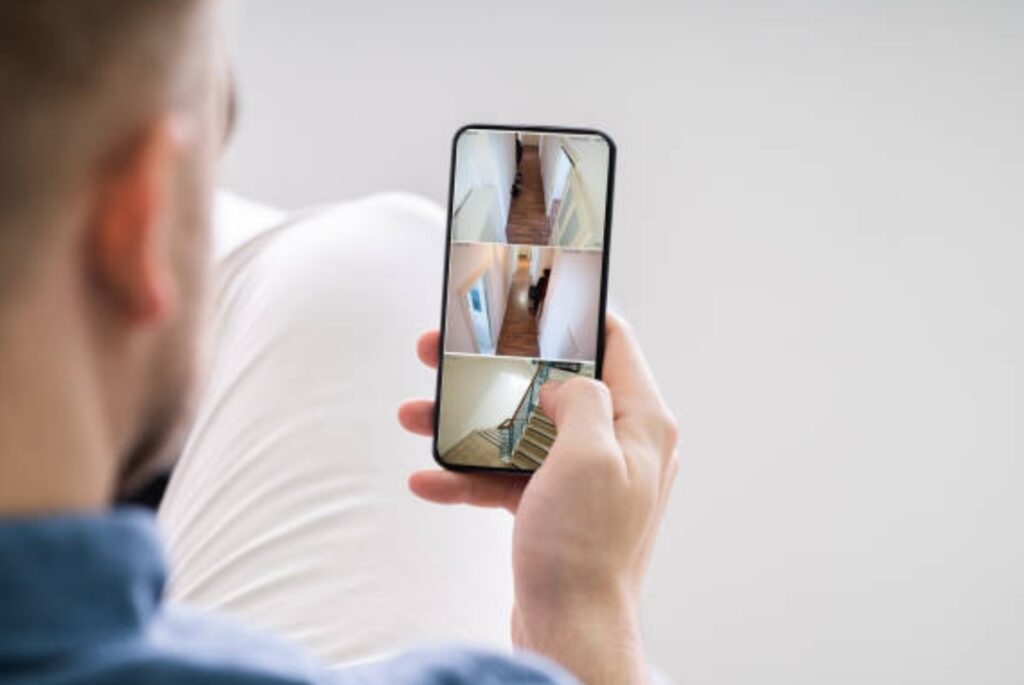
🔧 1. Review and Adjust Device Privacy Settings Immediately
Most smart devices come with default settings that prioritize convenience over privacy.
That means your data is being collected by default—unless you actively disable it.
🔐 Here’s how to take back control:
📱 For Smart Speakers (Amazon Echo, Google Home, Apple HomePod):
- Go to the companion app (e.g., Alexa App, Google Home App)
- Navigate to Privacy Settings
- Turn off voice recordings
- Disable “Improve voice recognition” (stops sending audio to cloud)
- Mute microphones when not in use (physical button or app option)
📺 For Smart TVs:
- Disable ACR (Automatic Content Recognition)
- Turn off usage data sharing
- Opt-out from personalized advertising in the settings
🧠 Pro Tip: Set a reminder to review your device settings monthly—companies update policies frequently.
These quick changes are essential if you’re learning how to stop your smart home spying on you from the inside out.
🌐 2. Create a Separate Wi-Fi Network for Smart Devices
Your smart devices should never be on the same network as your personal devices like phones, laptops, or work computers.
Why?
If a smart device is hacked, everything else on your network could be compromised.
✅ Solution: Set up a Guest or IoT-only Network
- Log into your router settings
- Create a separate SSID (network name)
- Connect only smart home devices to this new network
- Keep your personal devices on the main, secure Wi-Fi
📌 Bonus Tip: Use a router that offers IoT firewalls or device-level blocking (such as Asus AiProtection or TP-Link HomeCare).
📵 3. Disable Spying Devices When Not in Use
Here’s one of the most overlooked tips on how to disable spying devices—turn them off!
Many people leave devices like smart TVs, speakers, or indoor cams on 24/7, even when they’re not using them.
That’s unnecessary—and risky.
🔌 Action Steps:
- Unplug devices in bedrooms or private areas when not needed
- Use smart plugs to automate turning devices off at night
- Turn off voice assistants during private conversations
- Use physical camera covers or mic blockers where possible
🛡️ These habits alone can dramatically improve your smart home privacy.
📲 4. Audit and Restrict App Permissions
Even if your devices are secure, the apps controlling them might not be.
Most people don’t realize that companion apps often:
- Request access to your mic, camera, location, and contacts
- Run in the background
- Share data with advertising networks
🚫 What to Do:
- On iOS: Settings > Privacy > App Permissions
- On Android: Settings > Apps > App Name > Permissions
- Revoke all non-essential permissions
- Disable location access unless absolutely needed
⚠️ Warning: Many apps have been caught sharing location data to third-party data brokers without user consent.
🔁 5. Delete Your Data Regularly
Just because your device collected your data doesn’t mean you have to keep it stored.
Companies like Amazon and Google allow you to view, manage, and delete voice or activity history.
✅ How to Delete Voice History:
- Amazon Alexa: Alexa App > More > Settings > Alexa Privacy > Review Voice History
- Google Assistant: MyActivity.google.com > Filter by Assistant > Delete manually or set auto-delete
- Apple Siri: Settings > Siri & Search > Siri & Dictation History > Delete Siri History
🧽 Bonus Tip: Set up auto-delete options if available.
📌 Remember: Deleting your history reduces the amount of data that can be leaked, hacked, or misused.
🧠 6. Keep Your Devices and Apps Updated
Old software = easy target for hackers.
Manufacturers release updates to patch vulnerabilities that could allow spying or external access.
🔁 Make it a habit to:
- Enable auto-updates for apps and devices
- Manually check for firmware updates every month
- Visit the manufacturer’s website if the device doesn’t auto-update
🛡️ Keeping everything updated is one of the best passive ways to stop spying and block malicious access.
🔐 7. Use Privacy-Focused Alternatives Where Possible
If you’re serious about long-term smart home privacy, consider switching to privacy-first devices that prioritize local data processing.
🔄 Popular alternatives:
- Use Home Assistant for local automation
- Try Hubitat as a smart home hub without cloud dependency
- Choose Eufy cameras that store video locally on an SD card
- Consider Mycroft AI—a voice assistant that doesn’t send recordings to the cloud
🎯 These alternatives allow you to enjoy smart home convenience without constant surveillance.
✅ Bonus Smart Tip:
If you’re overwhelmed, start with the three easiest fixes first:
- Mute your smart speaker microphones.
- Create a separate Wi-Fi network for IoT devices.
- Delete your device’s stored voice and activity history.
Even these 3 small steps can significantly reduce how much you’re being watched.
→ Your data is valuable—don’t just give it away.
Take control today and make your smart home smart for you—not for advertisers or hackers.
→ Want to go deeper? Bookmark this guide and share it with anyone using smart home devices.
They deserve privacy, too.
🔹 How to Disable Spying Devices Completely (If Needed)
Sometimes tweaking settings just isn’t enough.
If you’re dealing with high-risk devices, suspicious behavior, or simply want peace of mind, the best solution might be to disable spying devices entirely—either temporarily or permanently.
In this section, we’ll cover how to disable spying devices with both non-destructive and permanent methods, and explain when you should consider removing a device altogether for your safety.
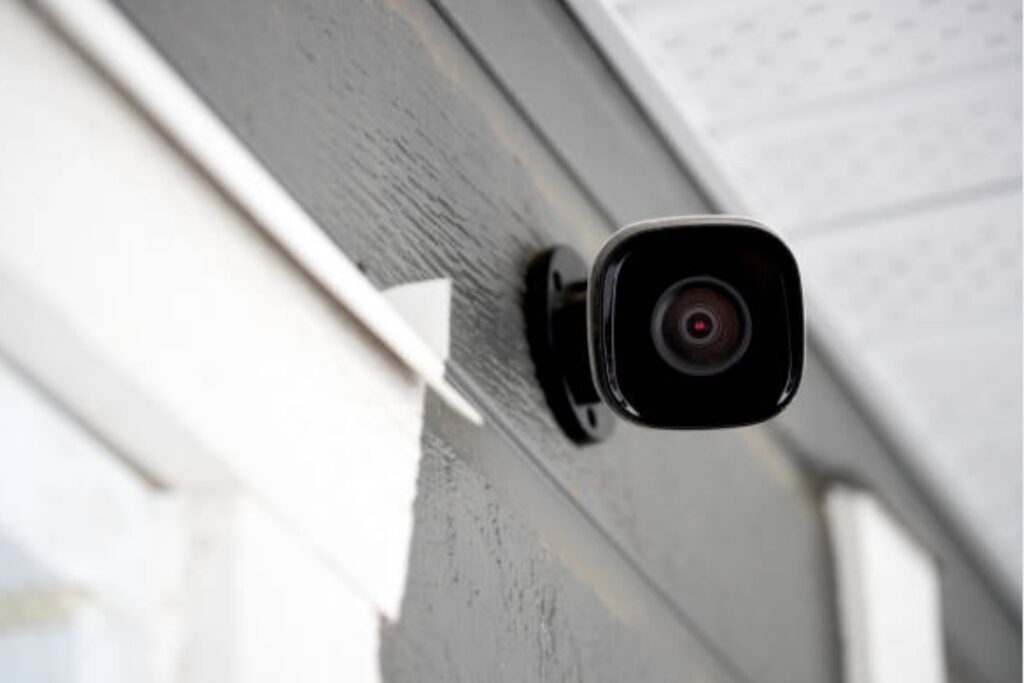
⚠️ When Should You Completely Disable a Smart Device?
Not all smart gadgets deserve a place in your home—especially those that:
- Continuously record or monitor without consent
- Can’t operate without cloud syncing
- Don’t allow privacy customization
- Show signs of being compromised
- Belong to brands with a history of data breaches or questionable privacy practices
If any of your devices fit these descriptions, it may be time to cut the cord.
✅ Step-by-Step Guide to Disabling Spying Devices the Right Way
🔌 1. Physically Unplug or Power Off When Not Needed
The most foolproof way to stop a device from spying?
Disconnect it from power.
If a smart speaker, camera, or TV isn’t plugged in, it can’t record, track, or transmit data.
✔️ Use these options for hassle-free control:
- Smart plugs – set schedules to auto-disconnect devices
- Manual switch – for devices with physical power buttons
- Voice commands – to turn off other devices if using a privacy-focused assistant
🧠 Powering off regularly limits background data collection and exposure.
📡 2. Disable Microphones and Cameras Manually
For devices you want to keep, disabling their sensors is your next best defense.
✅ Disable Microphones:
- Use physical mute switches on Echo, Google Nest, or HomePod
- On smart TVs, navigate to settings and turn off voice recognition
- For smart remotes, remove batteries or disable voice assistant features
✅ Disable Cameras:
- Use privacy shutter covers (built-in or stick-on sliders)
- Place a piece of black tape over built-in lenses
- For smart displays or baby monitors, unplug when not actively in use
🎯 The less often the mic and camera are active, the more secure your environment becomes.
🔒 3. Remove or Factory Reset High-Risk Devices
Some devices just aren’t worth the risk.
If you’re not using them often, or they’ve been acting suspicious, it may be time to remove them from your ecosystem altogether.
🛠️ How to Factory Reset a Device:
- Open the device’s companion app
- Navigate to device settings > Factory Reset
- Confirm and delete all associated data from the cloud (where possible)
- Remove the device from your Wi-Fi network or router list
This is a smart move if you’re serious about how to disable spying devices once and for all.
❌ 4. Delete Unnecessary or Suspicious Apps
Apps that control your smart gadgets might be more dangerous than the devices themselves.
If you’ve stopped using an app, or if the developer is unknown or questionable, delete it immediately.
Also, make sure you:
- Revoke permissions from the app before deleting
- Clear cache and stored data
- Monitor mobile data usage for background activity
🚨 Bonus Tip: Be cautious with third-party smart home platforms that integrate multiple devices—some are known for loose data policies.
🛑 5. Avoid Smart Devices That Require Cloud Connectivity to Function
One major red flag is a smart gadget that won’t work at all unless connected to the internet.
These devices are constantly syncing with external servers, and often don’t give you full control of your data.
Avoid or replace devices that:
- Can’t operate in local-only or offline mode
- Continuously stream data to apps
- Offer no privacy settings or logging options
📌 Look for alternatives that support local processing or edge computing—your data stays inside your home, not in a server halfway across the world.
🧠 Smart Reminder:
You don’t need to go “off the grid.”
You just need to strategically disable the riskiest spying devices and only keep the ones you truly need—under your terms.
✅ Best Practices for Disabling or Removing Spying Devices
Here’s a quick breakdown of what to do:
- 🔌 Unplug or turn off devices when not in use
- 📵 Mute microphones and cover cameras
- 🧼 Factory reset unused or suspicious devices
- 🗑️ Uninstall untrusted or outdated control apps
- 🔐 Avoid gadgets that only work when online
- 📲 Routinely audit your device list and app connections
These actions, while simple, are extremely effective when your goal is to take back full control of your smart home privacy.
→ Your privacy is not optional.
→ Disable what you don’t need. Replace what you don’t trust. Protect what matters.
→ Stay empowered—your smart home should obey you, not spy on you.
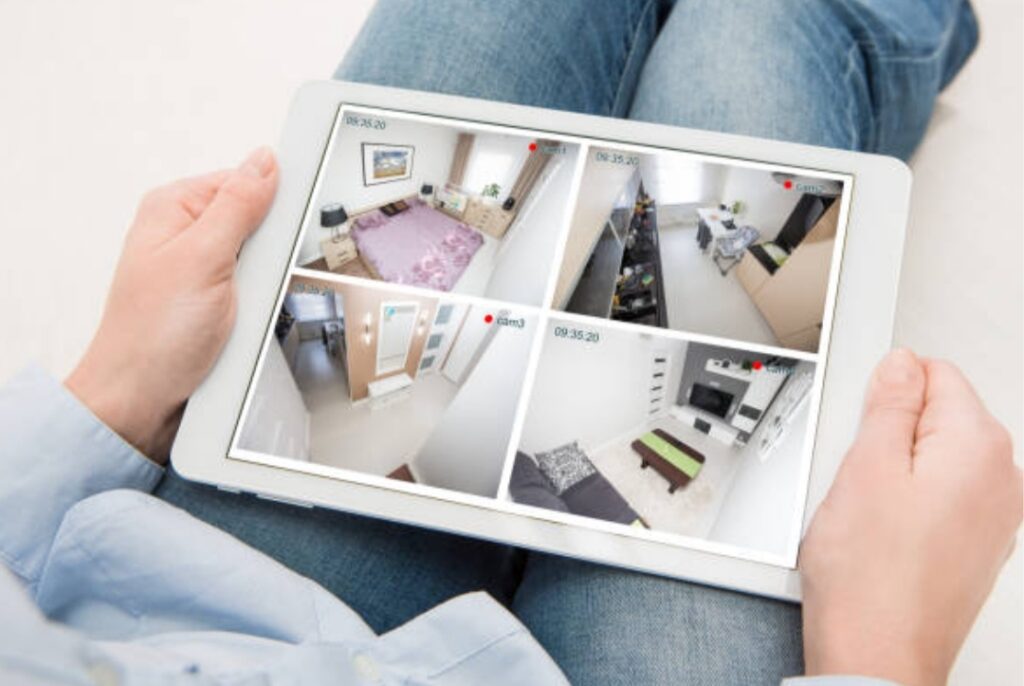
🔹 Best Privacy-Focused Alternatives for Smart Homes
Smart homes don’t have to be creepy.
The truth is, you can still enjoy automation, voice control, and home monitoring—without giving up your privacy.
In this section, we’ll uncover the best privacy-focused smart home devices and platforms available today that prioritize local control, data transparency, and user autonomy.
If you’re tired of feeling watched, and you’re ready to switch to smarter, safer choices—this list is for you.
🧠 Why You Should Choose Privacy-First Devices
Let’s face it: Most mainstream smart devices (like Echo, Nest, or Ring) are built around cloud-based surveillance models.
They collect data, store it remotely, and often share it with advertisers, third-party vendors, or governments.
By switching to privacy-friendly smart tech, you can:
- Keep your data inside your home, not in the cloud
- Minimize the risk of hacks and data leaks
- Enjoy smarter automation without surveillance
- Avoid constant fear of being listened to or watched
🎯 These devices are ideal for anyone serious about how to stop your smart home spying on you—while still enjoying modern conveniences.
✅ Top Privacy-Focused Smart Home Devices and Platforms
🔒 1. Home Assistant – The Gold Standard of Local Smart Home Control
If you want total control and zero spying, Home Assistant is your best bet.
It’s an open-source smart home hub that lets you control all your devices locally—with no cloud dependency.
Key Benefits:
- Local control = No third-party servers
- Works with thousands of devices and brands
- Offers custom dashboards, automations, and advanced settings
- No user data is collected, stored, or sold
- Free and supported by a massive privacy-focused community
🛠️ Requires some setup, but the security and transparency are worth it.
🌐 2. Hubitat Elevation – Cloud-Free Automation for Beginners
Hubitat is a powerful smart home hub designed to keep everything offline—perfect for non-techies who want plug-and-play privacy.
What Makes It Great:
- 100% local processing
- No internet required to automate lights, doors, thermostats, etc.
- Compatible with Z-Wave, Zigbee, and select Wi-Fi devices
- Built-in privacy settings and data encryption
💡 Ideal for those who want privacy without deep technical skills.
🎥 3. Eufy Security Cameras – No Cloud, No Subscriptions
If you’re fed up with Ring or Arlo sending your footage to the cloud, consider Eufy security cameras.
They store footage locally, and you can access it via your phone without a subscription.
Key Features:
- Encrypted local storage (on HomeBase or microSD)
- AI-powered motion detection without cloud AI processing
- No monthly fees
- Works with HomeKit and other platforms
🔐 This is one of the best options if you’re asking how to disable spying devices without giving up camera monitoring.
🧠 4. Mycroft AI – The Open-Source, Non-Spying Voice Assistant
Tired of Alexa and Google Home?
Meet Mycroft AI, an open-source voice assistant that runs locally and never sends your conversations to a corporate server.
Why It’s Worth Switching:
- Works entirely offline
- No data collection or third-party access
- Customizable commands and voice recognition
- Built for developers and privacy advocates
✅ A great choice if you still want voice control without Big Tech listening in.
💡 5. Aqara Sensors – Smart Home Controls with Minimal Data Use
Aqara offers affordable motion sensors, door sensors, switches, and more—all with limited cloud dependency.
With the right hub (like Home Assistant or Apple HomeKit), they work entirely offline.
Benefits:
- Great for offline automations (e.g., lights turn on when door opens)
- Reliable Zigbee protocol
- Low energy usage and long battery life
- Compatible with privacy-friendly ecosystems
🛠️ Affordable, low-maintenance, and privacy-conscious.
💡 Extra Tips When Buying Smart Devices for Privacy
If you want to shop smarter, follow these privacy-first shopping tips:
✅ Always Choose Devices That:
- Offer local control or local API
- Work with open-source platforms (Home Assistant, OpenHAB)
- Allow you to disable cloud features
- Use Zigbee or Z-Wave instead of Wi-Fi where possible
- Clearly state no data collection or GDPR compliance in their policies
🛑 Avoid devices that:
- Require mandatory cloud login to function
- Don’t offer privacy settings or transparency
- Have no physical way to disable microphones or cameras
- Belong to brands with repeated privacy scandals
→ You don’t have to trade privacy for convenience.
→ These smart home gadgets prove you can live smarter—without being watched.
→ Switch today to regain full control, and finally build a smart home that’s safe, silent, and yours.
🎁 Bonus Smart Home Privacy Tips You Shouldn’t Ignore
Most people don’t realize how many background processes, telemetry services, and hidden permissions are constantly active in their smart home ecosystems.
Even after disabling voice recording or location sharing, spying can still happen subtly—via third-party integrations, rogue firmware updates, or even your mobile app permissions.
In this bonus section, we’ll reveal battle-tested tips and insider tactics to reinforce your smart home privacy like a digital fortress.
Whether you’re a beginner or a tech-savvy enthusiast, these tips will help you take back control.
🔧 Harden Your Router – Your First Line of Defense
Your router is the gateway to your entire smart home network.
Yet, most people leave it wide open.
Here’s what you can do:
- Create a Separate Wi-Fi Network for smart devices (IoT VLAN)
- Disable Universal Plug and Play (UPnP)
- Turn off remote management access
- Change default admin credentials (never use factory logins)
- Enable WPA3 encryption (or WPA2 if unavailable)
- Regularly update router firmware to patch security holes
📶 Bonus: Invest in a router that allows DNS filtering, firewall rules, and ad-blocking (like Firewalla, Ubiquiti, or AsusWRT-Merlin)
🧹 Remove Unused Integrations & Skills
Your Alexa or Google Home may have hundreds of third-party skills and routines enabled—even ones you’ve never used.
🧨 These integrations can:
- Eavesdrop
- Leak your data
- Trigger unnecessary communications to external servers
Here’s how to fix it:
- Open your smart speaker dashboard
- Go to Skills/Apps/Integrations
- Delete or disable anything unused
- Only keep what you actively trust and use
🎯 Remember: Every integration is a potential privacy risk.
📱 Control Mobile App Permissions Ruthlessly
Most smart home apps ask for way more permissions than they actually need.
Some even track your:
- Location
- Microphone access
- Contacts
- Call logs
- Usage patterns
Do this now:
- On Android/iOS, go to App Permissions
- Turn off location, microphone, and background activity unless 100% necessary
- Use privacy sandbox apps like NetGuard or Bouncer to sandbox smart apps
- Use a dedicated tablet with no personal data for home controls
🛡️ Pro Tip: Use a secondary smartphone just for managing smart home devices.
📦 Update Firmware – But Do It the Smart Way
Firmware updates often contain important security patches—but sometimes, they also sneak in new data-sharing features.
How to do it right:
- Always read release notes before updating
- Check Reddit, forums, or official sites for user reactions
- If using open-source firmware (like ESPHome, Tasmota, or OpenWRT), compile your own firmware
- Schedule manual updates—never enable auto-updates if privacy is your priority
🚨 Some manufacturers add cloud tethering or forced telemetry in newer versions.
🔕 Physically Disable Spying Features
Sometimes, the best defense is physical disconnection.
Here’s how:
- Use hardware mute switches on smart speakers
- Unplug or cover built-in cameras with removable stickers
- Buy Faraday cage covers for microphones (or DIY with aluminum mesh)
- Use smart plugs to fully power off devices when not in use
🔌 Pro Tip: Schedule a routine where devices like Alexa or Google Home turn off completely at night.
🧠 Switch to Privacy-Based Ecosystems Like Apple HomeKit
Apple’s HomeKit platform is one of the most privacy-forward ecosystems available.
Why?
- End-to-end encrypted communication
- On-device AI processing (no cloud by default)
- Strict app approval guidelines
- Works beautifully with brands like Eufy, Aqara, Eve, and more
🌱 It’s not perfect, but it’s much safer than Alexa or Google Home.
🛡️ Bonus Tool: Pi-hole – Block Spying at the Network Level
Want to block spying across your entire network?
🧠 Set up Pi-hole — a network-wide DNS-based ad and tracker blocker.
It stops:
- Smart TVs from pinging advertisers
- Smart speakers from sending unnecessary data
- Apps from tracking behavior in the background
Benefits:
- Works at the router level = no need to install app-by-app
- Can block requests from all IoT devices
- You can see who’s spying via real-time traffic logs
- Free and open-source
🔧 Install it on a Raspberry Pi, or use Docker or VM if you’re tech-savvy.
⚠️ Don’t Let Your Smart Home Spy on You
You don’t need to give up your smart home dreams to protect your privacy.
By choosing privacy-focused alternatives, taking control of your settings, and implementing bonus strategies like Pi-hole, you can enjoy convenience without compromise.
Start small—replace your voice assistant, then secure your router, and gradually move to full local control.
➡️ Stop letting Big Tech watch your every move.
➡️ Take action today to reclaim your digital sanctuary.
➡️ Explore these privacy-first devices and protect your home like never before! 🔒
❓ FAQs About How to Stop Your Smart Home Spying on You
🔍 Can smart home devices spy on you without your knowledge?
Yes, many smart home devices can collect data even when you’re not actively using them.
Devices like smart TVs, speakers, cameras, and thermostats often track:
- Audio activity
- Location
- Device usage habits
- Internet traffic patterns
These data points can be sent to third-party advertisers or cloud servers unless properly restricted.
🔧 How can I stop my smart home from spying on me?
To stop your smart home from spying:
- Mute microphones and cover cameras
- Use a Pi-hole or DNS blocker
- Disable unnecessary integrations or third-party apps
- Turn off location tracking and telemetry sharing
- Use local-only smart hubs like Home Assistant or Apple HomeKit
- Avoid cloud-tethered devices that require internet to function
🛑 How do I disable spying devices in my home?
To disable spying devices:
- Unplug them when not needed
- Use hardware kill switches or smart plugs
- Remove unnecessary apps and skills from assistants
- Use privacy-focused firmware like Tasmota or ESPHome
- Block outbound requests using firewall rules or Pi-hole
Always check your router logs or firewall for suspicious device activity.
📱 Do smart assistants like Alexa and Google Home always listen?
Smart assistants are designed to listen for “wake words,” but they often process background conversations before activating.
Amazon, Google, and other platforms have admitted to storing voice recordings, sometimes even reviewed by humans.
To stop this:
- Mute the device when not in use
- Delete stored recordings regularly
- Disable voice history saving
- Or use offline-only voice assistants like Mycroft AI
🔒 What’s the most secure smart home system for privacy?
The most secure smart home systems prioritize local control and minimal cloud dependency.
Top options include:
- Apple HomeKit (uses local encrypted communication)
- Home Assistant (fully local, open-source)
- Hubitat Elevation (no cloud dependency)
- Eufy devices (some models offer local-only storage)
These ecosystems give you control over your data without constant surveillance.
🧠 Should I trust smart devices with cameras and microphones?
Only trust smart devices with clear privacy policies, local data storage, and physical shut-off options.
If your device:
- Forces cloud storage
- Doesn’t allow muting
- Has vague privacy settings
…it’s best to disable or replace it.
Tip: Look for products with privacy certifications or those reviewed by privacy-focused communities like PrivacyGuides.org.
🌐 Can I use a VPN to protect my smart home devices?
Yes, using a VPN at the router level can encrypt your smart home’s traffic and hide it from your ISP and third parties.
However, some IoT devices don’t play well with VPNs—they may require location-specific servers.
To fix this:
- Use split tunneling
- Choose routers with VPN client mode
- Or isolate sensitive devices to a non-VPN subnet
⚙️ How can I know if a smart device is sending data externally?
You can check this by:
- Monitoring your router’s device traffic logs
- Using tools like Pi-hole, GlassWire, or Wireshark
- Watching for outbound IP connections that happen when you’re not using the device
These tools show which devices are “phoning home” and how often.
🧩 What are open-source smart home options with better privacy?
Open-source smart home platforms that respect your privacy include:
- Home Assistant
- OpenHAB
- Domoticz
- Mycroft AI (for offline voice assistant)
These give you full control, no forced cloud connections, and strong community support for custom setups.
🛡️ Are there laws protecting smart home users from surveillance?
Yes, some countries have data protection laws like:
- GDPR (EU)
- CCPA (California)
- PDPA (Malaysia)
- PIPEDA (Canada)
These laws give users the right to:
- Access their data
- Delete collected data
- Prevent third-party sharing
But enforcement varies. It’s best to take proactive steps to protect your privacy instead of relying solely on laws.
🧠 Final Thoughts on How to Stop Your Smart Home Spying on You
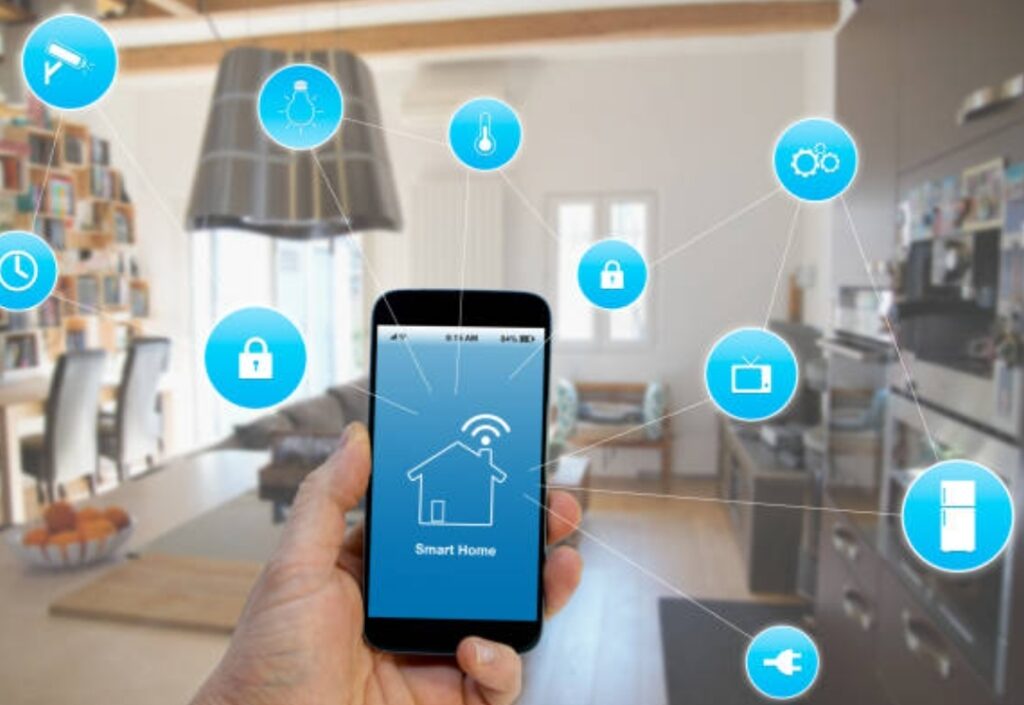
Smart home technology has brought unmatched convenience and control, allowing us to manage lighting, security, temperature, and even our coffee makers with a simple voice command or tap on an app.
But with this convenience comes a serious and growing threat to your privacy.
The devices we trust to enhance our lifestyle can just as easily become digital eyes and ears—constantly collecting, storing, and sometimes selling our data.
That’s why it’s more important than ever to understand how to stop your smart home spying on you.
🔐 Smart home privacy is no longer optional—it’s essential.
Whether you’re worried about corporations collecting your data or just want to limit what your devices know about you, taking action now will save you from data leaks, unauthorized access, and loss of control over your digital life.
Here’s a quick recap of what you can do:
- ✅ Disable spying devices or unplug them when not needed
- ✅ Use local-control smart systems that don’t rely on cloud servers
- ✅ Regularly audit your smart devices and their permissions
- ✅ Use a Pi-hole, firewall, or VPN to block unwanted tracking
- ✅ Choose privacy-first brands and open-source platforms
- ✅ Update your devices to patch security vulnerabilities
🎯 Your Home, Your Rules
You don’t have to give up the smart home dream to stay safe.
Instead, take back control by understanding what your devices are doing behind the scenes.
Protect your data. Lock down your privacy. Make smarter choices.
Because the only one who should be watching what’s happening inside your home—is you.
✅ Ready to make your smart home truly smart?
👉 Discover the best privacy-first smart home devices here
👉 Browse tools that block spying devices in real-time
👉 Get our FREE Smart Home Privacy Checklist PDF
Don’t let your smart home outsmart you.
Make your privacy a priority—not an afterthought.
You might also like :