
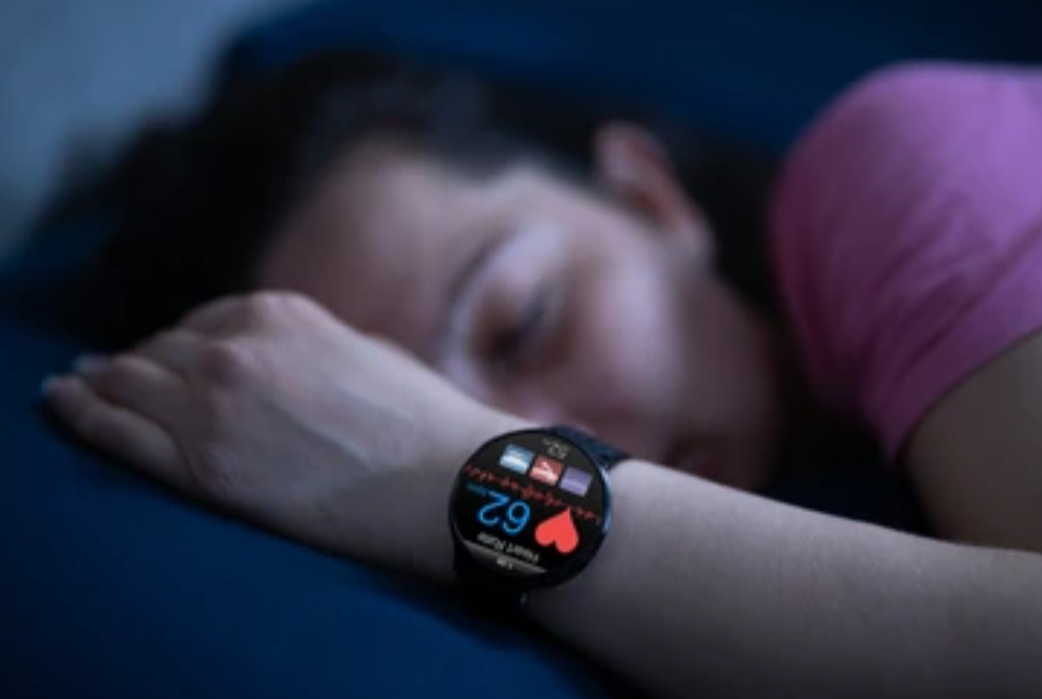
best health wearables 2025, wearable tech for health, wearable sleep trackers,
🌙 Introduction — The Rise of Wearable Health Technology
In today’s fast-paced, digitally connected world, sleep and health have become the new currency of productivity, longevity, and happiness.
With millions struggling to maintain quality rest and balance their well-being, wearable tech for health has emerged as a game-changing solution — giving us the ability to understand our bodies in real time, right from our wrists or fingertips.
Imagine waking up each morning and knowing exactly how well you slept, how your heart performed overnight, and what your body needs to recover faster.
That’s the power of wearable sleep trackers.
They do more than just count your steps — they decode your body’s data, transforming it into meaningful insights that can help you live healthier, sleep deeper, and perform better.
As we step into 2025, technology has advanced far beyond basic fitness bands.
The best health wearables 2025 are now equipped with next-level features like AI-driven health analytics, personalized sleep recommendations, and even early health issue detection.
This means wearable devices are no longer just for athletes or tech lovers — they’re essential companions for anyone who wants to take control of their health and wellness journey.
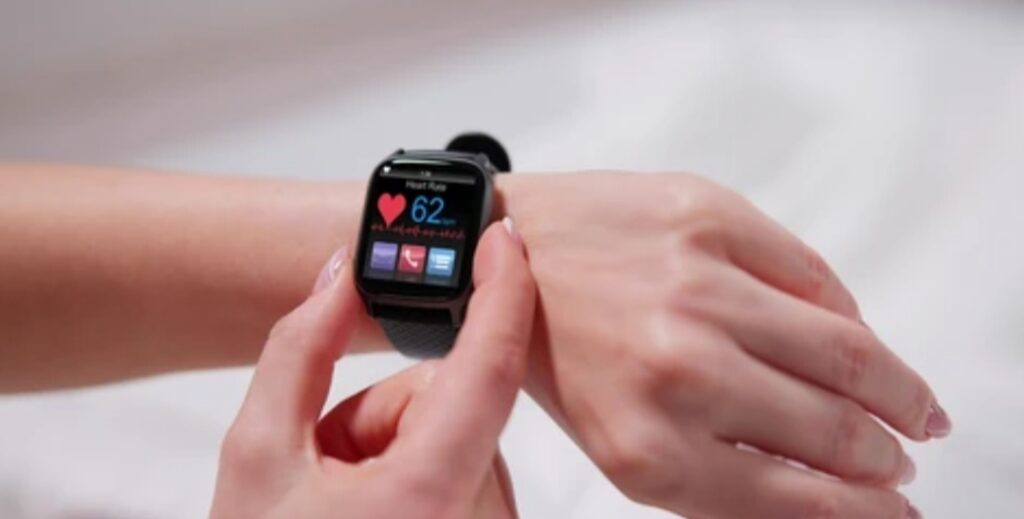
💡 Why Wearable Tech Is Becoming a Health Essential
Wearable devices have evolved into powerful health companions that can monitor nearly every aspect of your body — from heart rate and sleep quality to oxygen saturation, stress levels, and even blood temperature trends.
This real-time data empowers users to make smarter, data-backed lifestyle choices without waiting for medical checkups.
The beauty of these gadgets lies in their seamless integration into everyday life.
You simply wear them on your wrist, finger, or even as a patch — and they quietly track your vital signs 24/7.
Over time, this data builds a personalized health profile that can reveal hidden patterns like:
- Are you getting enough deep sleep?
- Is your resting heart rate improving or declining?
- Are stress levels impacting your recovery and energy?
By answering these questions, wearable tech helps you take proactive steps toward better health.
It’s not just about tracking — it’s about transforming the way we live, rest, and recover.
🧬 From Step Counters to Smart Health Companions
The first generation of wearables focused mainly on counting steps and calories.
But in 2025, things look very different.
Modern wearable sleep trackers like the Oura Ring Gen 4, Apple Watch Series X, and Fitbit Sense 3 offer medical-grade accuracy when analyzing your sleep stages, REM cycles, and recovery rates.
These devices now combine AI algorithms with biometric sensors to deliver personalized insights.
For instance, if your wearable detects a low oxygen level or irregular heartbeat, it can alert you immediately — allowing for early intervention.
Some advanced models even adjust your daily wellness recommendations based on last night’s sleep performance or stress load.
That’s why tech reviewers and wellness experts are calling the best health wearables 2025 the next frontier of preventive healthcare.
They give users real-time awareness of their body’s signals, helping them avoid fatigue, burnout, or potential health complications before they escalate.
🌿 Sleep: The Forgotten Pillar of Health
Sleep is often the first thing people sacrifice in pursuit of success, yet it’s the foundation of physical and mental well-being.
Poor sleep impacts memory, mood, metabolism, and even immune strength.
That’s where wearable sleep trackers shine — by making the invisible visible.
They track your sleep duration, quality, and restoration score, showing exactly how much deep and REM sleep you’re getting each night.
Some even use heart rate variability (HRV) and respiration monitoring to assess how well your body is recovering during rest.
Over time, this information helps you optimize your bedtime routine — from adjusting light exposure to improving your sleep environment.
With the latest wearable tech for health, your sleep data doesn’t just sit in an app.
It translates into actionable insights that help you:
- Identify habits that disrupt your sleep.
- Detect early signs of insomnia or stress.
- Improve energy levels and morning alertness.
⚙️ The Future of Health Is Personalized and Predictive
We’re entering a new era where AI and wearable technology work together to create a more personalized health experience.
Instead of following generic wellness advice, your device will soon predict your fatigue patterns, adjust workout intensity, and recommend sleep schedules based on your unique biology.
The best health wearables of 2025 already integrate with digital health platforms, giving you access to predictive analytics and virtual health coaching.
You’ll soon be able to know when your body is overtraining, under-recovered, or at risk for burnout — before symptoms appear.
This isn’t science fiction anymore — it’s the reality unfolding around us.
As wearable technology continues to evolve, it will empower people to live smarter, longer, and healthier lives.
💪 Why This Matters to You (and How to Get Started)
If you’ve ever wondered why you wake up tired even after eight hours of sleep, or how stress is silently affecting your health, wearable sleep trackers can give you the answers you’ve been missing.
By tracking, analyzing, and acting on real-time data, you’ll gain deep insights into your overall well-being.
👉 Start today by exploring the best health wearables 2025 — from smartwatches to rings and fitness bands.
Choose one that fits your lifestyle, wear it consistently, and begin your journey toward smarter health management and better sleep.
Remember: Knowledge is power — and when it comes to your health, data is the key that unlocks it.
With the right wearable tech for health, you can take charge of your sleep, your habits, and ultimately, your life.
Ready to unlock the secret to better sleep and total body wellness? Discover the latest wearable sleep trackers today and start transforming your nights into deep, restorative rest!
⚙️ What Is Wearable Tech and How Does It Work?
In simple terms, wearable tech for health refers to smart electronic devices that you can wear on your body — usually in the form of watches, bands, rings, or even patches.
These devices are designed to collect, monitor, and analyze your body’s vital signs in real time.
They connect seamlessly to mobile apps or cloud platforms, allowing you to track your sleep, heart rate, stress level, and overall wellness.
But here’s where it gets truly exciting — today’s wearable sleep trackers and best health wearables 2025 aren’t just passive data collectors.
They’re intelligent health assistants powered by AI (Artificial Intelligence) and biometric sensors, capable of providing personalized insights and even predictive health analytics.
🔍 How Wearable Tech Collects and Analyzes Your Health Data
Every piece of wearable technology works through a combination of smart sensors, data analytics, and wireless connectivity.
Here’s how it all comes together:
- Sensors Detect Your Body’s Movements and Signals
Modern wearables use optical heart rate sensors, accelerometers, gyroscopes, and bioimpedance sensors to collect key metrics.
These track everything from your steps, sleep cycles, and calories burned to oxygen saturation (SpO₂), skin temperature, and even blood flow changes. - AI Translates Data Into Meaningful Insights
The raw data collected by these sensors is then processed using AI-powered algorithms.
This technology identifies your unique patterns — how you sleep, recover, and respond to stress.
For instance, a wearable sleep tracker can detect when you enter deep or REM sleep, and how many times you wake up at night. - Mobile Apps Turn Numbers Into Actionable Advice
Once analyzed, the data is synced to your smartphone app, where you can see easy-to-read graphs, daily reports, and health recommendations.
Some best health wearables 2025 models even connect directly to healthcare providers or nutrition platforms for personalized coaching and advice.
🧠 The Core Components That Make Wearable Tech Work
Let’s break down what’s actually inside your favorite wearable sleep trackers and smart health wearables:
- Sensors: Measure physical activity, pulse, temperature, and even blood oxygen.
- Microprocessors: Process your data instantly, even while you sleep.
- Connectivity Modules (Bluetooth, Wi-Fi, NFC): Sync data with your phone or cloud.
- Display Screen or LEDs: Show real-time stats like heart rate or step count.
- Battery and Power Management: Ensure long-lasting usage (some wearables now last over 10 days per charge).
- Software & AI Algorithms: Interpret your data into personalized insights.
Every element works together to give you a real-time digital window into your body.
This makes wearable tech for health one of the most transformative innovations in modern wellness.
💓 How Wearable Tech Tracks Sleep Patterns and Health Metrics
Sleep is one of the most complex biological processes, and wearable devices have revolutionized how we understand it.
Here’s a simplified breakdown of how wearable sleep trackers monitor your rest:
- Movement Sensors (Accelerometers): Detect when your body is still or active, identifying light and deep sleep phases.
- Heart Rate Variability (HRV): Measures how your heart responds to recovery and stress, revealing sleep quality and readiness.
- SpO₂ and Temperature Sensors: Monitor oxygen levels and body temperature to detect rest disturbances.
- AI-Driven Insights: Provide customized sleep tips — for instance, suggesting earlier bedtimes or recovery days after poor sleep.
With all these metrics combined, your wearable device can produce a “Sleep Score”, which reflects how restorative your night truly was.
Over time, these scores help you identify trends and fine-tune your lifestyle, diet, and bedtime habits.
📱 Wearable Tech and App Ecosystems: A Perfect Partnership
The power of wearable tech for health lies not only in the hardware — but in the ecosystem it connects to.
Top wearables integrate smoothly with platforms like Apple Health, Google Fit, Fitbit App, and Whoop Dashboard.
These apps allow you to:
- Visualize trends over weeks or months.
- Sync your sleep data with fitness, stress, and nutrition stats.
- Set personal goals and get AI-driven coaching.
- Share reports with doctors, trainers, or health coaches.
For instance, if your wearable sleep tracker detects recurring poor sleep patterns, the connected app can recommend breathing exercises, bedtime routines, or stress management techniques tailored to your data.
🌐 Real-Life Examples of the Best Health Wearables 2025
To understand how far technology has come, let’s look at some of the top wearable devices in 2025 that are redefining personal health monitoring:
- Apple Watch Series X: Equipped with advanced sleep tracking, body temperature sensors, and AI-driven wellness summaries.
- Oura Ring Gen 4: Sleek and discreet, this ring tracks sleep cycles, body readiness, and recovery scores with medical-grade precision.
- Fitbit Sense 3: Offers stress detection, oxygen monitoring, and heart rhythm analysis for all-around wellness tracking.
- Whoop 5.0: Favored by athletes for its performance recovery analytics and strain management insights.
- Garmin Venu 3: Provides body battery metrics that show how rested or fatigued your body is.
Each of these devices uses wearable tech for health to empower users with data-driven control over their wellness routines.
They don’t just track health — they guide it.
🧩 How Wearable Tech Is Revolutionizing Preventive Healthcare
In 2025, wearable health technology is no longer just a lifestyle accessory — it’s a preventive health tool.
Doctors and health researchers increasingly recommend wearable devices because they enable early detection of potential issues.
For example:
- Irregular heart rhythm detection can alert users of possible cardiac conditions.
- Continuous oxygen monitoring helps detect early respiratory problems.
- Sleep irregularities can reveal mental health or stress-related imbalances.
By gathering consistent, accurate data, wearables enable preventive action before problems escalate.
This proactive approach is transforming healthcare from reactive to predictive.
⚡ Why You Should Start Using Wearable Tech Now
If you’re still on the fence about using a wearable device, consider this — every second without tracking your health is a missed opportunity for self-improvement.
With wearable sleep trackers and the best health wearables 2025, you can gain insights that were once only available in medical labs.
👉 Start with an affordable wearable tech for health device that suits your goals — whether it’s improving sleep, reducing stress, or monitoring daily activity.
Wear it consistently for 30 days, and you’ll be amazed by how much clearer your health picture becomes.
Remember: Small data-driven habits lead to massive long-term results.
Take control of your health and sleep today. Explore the best wearable sleep trackers now and start turning your daily data into lasting wellness results!
🧬 The Science Behind Sleep Tracking: How Wearable Tech Knows When You’re Truly Resting
Sleep is not just a period of rest — it’s when your body repairs, regenerates, and recharges for the day ahead.
And thanks to modern wearable tech for health, understanding how your body sleeps has never been easier.
With today’s wearable sleep trackers, powered by advanced sensors and AI algorithms, you can now gain deep insights into your sleep cycles, recovery, and overall wellness — right from your wrist or finger.
In 2025, the best health wearables use cutting-edge biosensors and machine learning to decode the complex science of sleep.
These devices don’t just tell you how long you slept — they reveal how well you slept.
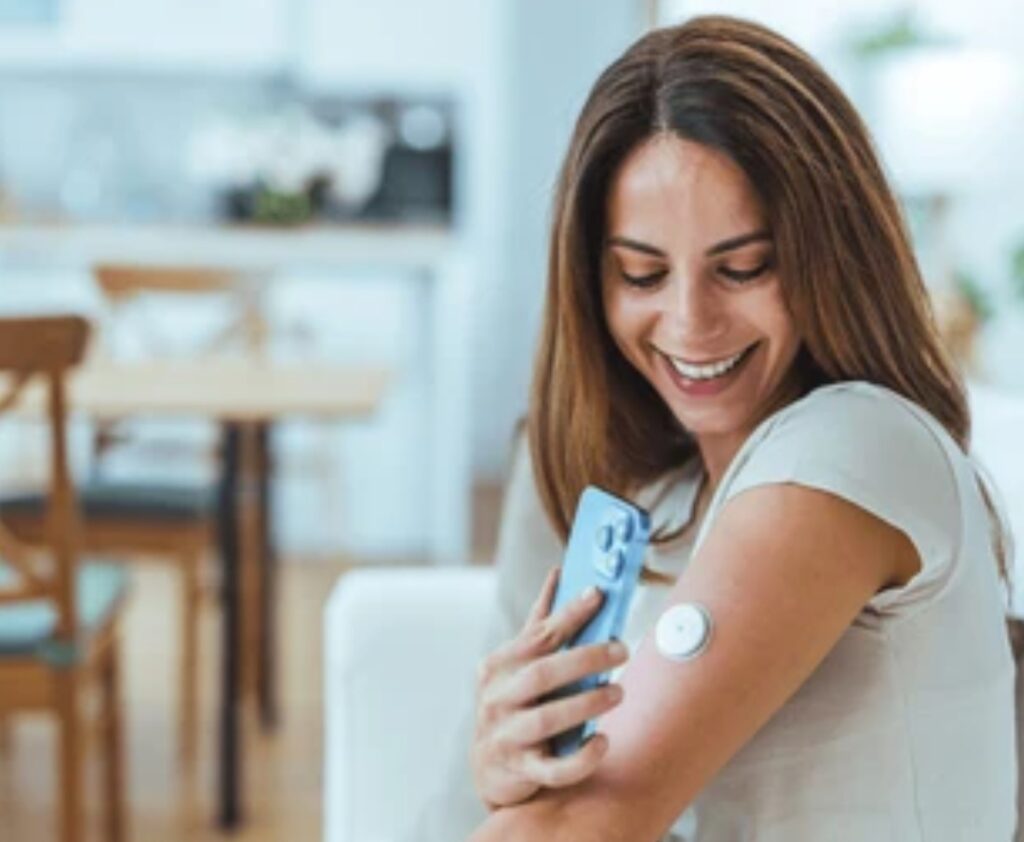
😴 Why Sleep Tracking Matters More Than Ever
Did you know that poor sleep affects nearly one in every three adults worldwide?
From mental fatigue to weakened immunity, sleep deprivation silently sabotages your energy, mood, and long-term health.
That’s where wearable sleep trackers make a life-changing difference.
By recording your nightly patterns and providing detailed reports, they empower you to:
- Detect whether you’re getting enough deep and REM sleep.
- Identify behaviors that harm your rest — like caffeine, stress, or late-night screen time.
- Recognize early signs of health issues, such as sleep apnea or high stress levels.
With this data, you’re not just guessing — you’re making informed decisions about your lifestyle and recovery.
Fun fact: Studies show that people who use sleep trackers are 40% more likely to improve their rest quality within the first month of consistent tracking!
🧠 How Wearable Tech Tracks Your Sleep Stages
To truly understand your sleep, wearables analyze your body’s physiological signals across multiple parameters.
Here’s how wearable sleep trackers scientifically determine when you’re in light, deep, or REM sleep:
- Heart Rate Variability (HRV):
HRV measures the tiny variations in time between your heartbeats.
During deep sleep, your HRV increases, signaling that your body is in full recovery mode.
Wearables like Oura Ring Gen 4 and Whoop 5.0 use this data to assess how restorative your rest was. - Body Movement (Accelerometer Sensors):
Motion sensors detect when you’re tossing and turning, allowing your device to identify restlessness or sleep disruptions. - Respiration and Oxygen Levels (SpO₂):
The best health wearables 2025 track your breathing and blood oxygen saturation to spot irregular patterns — a potential sign of conditions like sleep apnea. - Body Temperature Tracking:
Subtle changes in temperature during the night reveal how your body’s circadian rhythm functions.
This helps optimize your ideal bedtime and wake-up window. - AI-Powered Data Analysis:
Modern wearable tech for health leverages AI to cross-reference your biometric data and predict when you’ve entered different sleep stages — with impressive accuracy rates above 90%.
By analyzing these signals, wearables can build a precise timeline of your sleep cycle every night.
You’ll know exactly when you fell asleep, how long you stayed in deep sleep, and when your body transitioned into REM — the stage crucial for memory and mental clarity.
🌙 The Four Key Sleep Stages Explained
To fully appreciate what your wearable sleep tracker reveals, it’s essential to understand the stages of sleep:
- Stage 1 (Light Sleep): This is the transition stage between wakefulness and sleep. Your muscles relax, and your heartbeat slows.
- Stage 2 (Deeper Light Sleep): Eye movements stop, and body temperature drops. Your body begins repairing tissue and strengthening immunity.
- Stage 3 (Deep Sleep): The most restorative phase — physical recovery and muscle growth occur here.
- Stage 4 (REM Sleep): The dream stage where your brain processes emotions and memories. Essential for mental recovery and creativity.
A well-balanced sleep pattern includes all four stages, and wearable sleep trackers help you ensure you’re spending enough time in each one.
📊 What Sleep Data Actually Means (And How to Use It)
Seeing numbers on a screen isn’t enough — what matters is how you interpret them.
Here’s how you can use your wearable data to improve your sleep quality:
- Low Deep Sleep: Try reducing caffeine after 3 PM and increasing physical activity.
- Frequent Awakenings: Check your room temperature, mattress comfort, and stress levels.
- Low REM Sleep: Avoid alcohol before bed and minimize blue light exposure from screens.
- Irregular Sleep Score: Stick to a consistent sleep schedule — even on weekends.
Most wearable tech for health devices now offer personalized recommendations based on your trends.
For example, the Fitbit Sense 3 might suggest adjusting bedtime or performing guided breathing exercises before sleep.
🔬 Behind the Scenes: The Technology Powering Sleep Tracking
To deliver precise insights, the best health wearables 2025 combine multiple cutting-edge technologies:
- Photoplethysmography (PPG): Uses light sensors to detect blood flow changes.
- Thermistors: Measure skin temperature fluctuations during rest.
- Machine Learning Models: Continuously learn your unique sleep behaviors to refine accuracy over time.
- Cloud Data Integration: Allows your device to compare your sleep with global health data — giving more reliable benchmarks.
This fusion of AI + biometric science makes modern wearable sleep trackers remarkably intelligent.
They adapt to your habits and evolve with your health journey.
🧩 How Wearable Sleep Data Can Predict Health Issues Early
One of the most valuable benefits of wearable tech for health is its ability to detect early warning signs of potential problems.
For example:
- Persistent low oxygen readings might hint at sleep apnea.
- A high resting heart rate during sleep may indicate stress or overtraining.
- Unusual body temperature changes could signal hormonal fluctuations or illness onset.
By recognizing these subtle shifts, your wearable sleep tracker acts like a 24/7 wellness guardian.
You can take action before minor issues become major concerns.
💡 Pro Tips to Get the Most Accurate Sleep Data
To ensure your tracker delivers precise readings, follow these expert-backed tips:
✅ Wear your device snugly but comfortably — too loose and it can’t read your pulse correctly.
✅ Keep sensors clean — wipe off sweat and oils to maintain signal accuracy.
✅ Charge it before bed so it doesn’t power off mid-sleep.
✅ Use the same wrist or finger every night for consistent readings.
✅ Review your weekly trends, not just nightly results, to spot meaningful changes.
Even small adjustments can dramatically improve your wearable sleep tracker’s performance and help you get data you can trust.
🌟 The Real Power of Knowing Your Sleep Story
Understanding your sleep is the first step toward transforming your health.
When you start seeing how lifestyle habits — like diet, screen time, or stress — directly impact your rest, it becomes easier to build better routines.
Wearable tech for health doesn’t just show you data — it tells your story.
It reveals the connection between how you live and how you rest, helping you unlock deeper energy, sharper focus, and greater emotional balance.
Ready to discover your sleep story? Start with the best health wearables 2025 and experience what it feels like to wake up fully recharged, every single morning.
💪 Top Benefits of Using Wearable Tech for Health and Better Sleep
The power of wearable tech for health goes far beyond just counting steps or tracking calories.
Today’s best health wearables 2025 have evolved into smart health companions that help you understand your body like never before.
From monitoring sleep quality to predicting stress patterns, these intelligent devices offer data-driven insights that empower you to take control of your physical, mental, and emotional well-being.
If you’ve ever wondered whether wearable sleep trackers are worth it — the short answer is absolutely yes.
Let’s dive into the powerful benefits that make them one of the most valuable investments for anyone serious about improving their health and sleep.
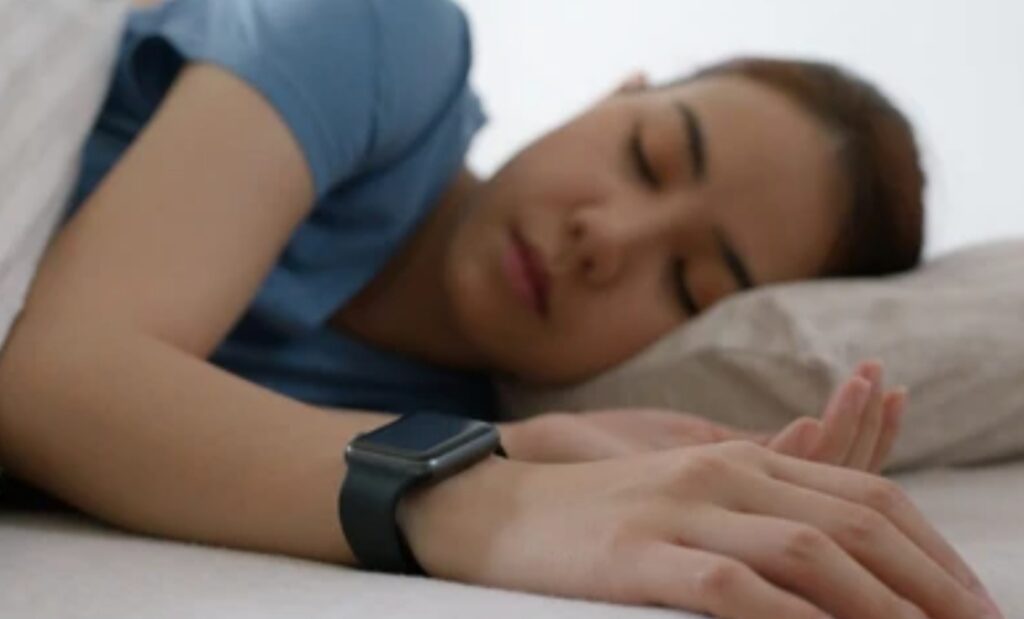
🌙 1. Improve Sleep Quality and Recovery
Sleep is your body’s natural repair system, but many people aren’t getting enough of the right kind of sleep.
This is where wearable sleep trackers shine.
Modern devices like the Oura Ring Gen 4 and Fitbit Sense 3 monitor your deep sleep, light sleep, and REM cycles using advanced biosensors.
They show exactly when you’re sleeping restfully — and when you’re not.
By analyzing your heart rate variability (HRV), movement, and oxygen levels, these wearables give you a personalized “Sleep Score.”
This score helps you understand what’s improving (or disrupting) your rest.
💡 Pro Tip: If your device shows low deep sleep, try winding down with guided breathing or meditation — many wearable tech for health apps include built-in mindfulness programs.
Benefits you’ll experience:
- Wake up feeling refreshed, not groggy.
- Identify bad habits affecting your rest.
- Create an optimized bedtime routine based on real data.
- Improve focus, memory, and mood through better sleep recovery.
❤️ 2. Monitor Heart Health and Stress Levels
Your heart is your body’s ultimate performance engine — and wearable tech now gives you a 24/7 view of how it’s performing.
The best health wearables 2025 come equipped with optical heart sensors, ECG monitors, and stress-detection algorithms.
These features continuously measure your heart rate, variability, and rhythm to detect irregular patterns early.
For example, if your wearable detects unusual spikes in resting heart rate, it might alert you to fatigue, dehydration, or emotional stress.
Over time, these trends help you understand how your lifestyle impacts your heart health.
Real-world advantage: Many users have discovered early signs of arrhythmia, hypertension, and even sleep apnea — simply because their wearables picked up anomalies before symptoms appeared.
Bonus: Some devices, like Apple Watch Series X, now include a stress tracker that uses HRV data to suggest breathing exercises or mindfulness breaks when you’re feeling overwhelmed.
🏃 3. Stay Active and Crush Fitness Goals
If you struggle to stay motivated, wearable tech for health can be your best accountability partner.
These devices track steps, calories burned, distance covered, and active minutes — giving you real-time feedback on your daily activity.
More advanced wearables, like Garmin Venu 3 and Whoop 5.0, even calculate your “Body Battery” — a dynamic score that tells you how much energy you have left for the day.
What this means:
- You’ll know when to push harder and when to rest.
- You can track progress toward specific fitness goals.
- You’ll be motivated by badges, milestones, and friendly challenges.
💥 Pro Tip: Pair your wearable sleep tracker with a compatible fitness app to monitor how physical activity affects your rest and recovery. You’ll notice how training intensity directly influences your sleep quality.
🧘 4. Manage Stress and Mental Health More Effectively
Stress doesn’t just affect your mood — it impacts your sleep, digestion, and immunity.
The good news? Wearable tech for health now makes it easier than ever to monitor your stress in real time.
Devices like the Fitbit Sense 3 and Whoop 5.0 measure electrodermal activity (EDA), heart rate variability, and skin temperature to detect physiological stress responses.
When stress levels rise, you’ll receive instant alerts along with suggestions such as guided breathing, mindfulness, or short breaks.
Benefits:
- Gain awareness of how daily events affect your emotions.
- Build a stronger mind-body connection.
- Learn relaxation techniques that reduce anxiety naturally.
- Improve sleep by lowering nighttime stress responses.
By combining wearable sleep trackers with mental wellness apps, you create a personalized digital wellness ecosystem that helps you achieve emotional balance and better rest.
🩺 5. Detect Health Issues Before They Become Serious
The most revolutionary aspect of the best health wearables 2025 is their ability to act as early warning systems.
Through continuous monitoring, wearables can detect subtle health irregularities long before you notice symptoms.
For example:
- Abnormal oxygen levels could point to respiratory issues or sleep apnea.
- Irregular heartbeat may signal arrhythmia or cardiac stress.
- Persistent fatigue patterns could indicate nutrient deficiency or hormonal imbalance.
These insights allow users to seek professional advice early — making wearable tech for health an essential preventive tool.
In fact, many doctors now recommend wearable devices as part of routine wellness monitoring.
💡 Pro Tip: Always share your device’s health data with your doctor during checkups. It provides valuable insights into long-term patterns that regular tests might miss.
🔋 6. Personalized Health Coaching and Insights
Modern wearables don’t just collect data — they interpret it for you.
Thanks to AI-driven analytics, your device can now offer personalized coaching, nutrition suggestions, and recovery recommendations based on your unique metrics.
For example:
- If you’re low on recovery, it may recommend light activity instead of a heavy workout.
- If your stress levels are high, it may prompt deep-breathing or meditation exercises.
- If your sleep quality drops, it may advise adjusting your bedtime routine or caffeine intake.
The best health wearables 2025 turn complex data into actionable steps — helping you make informed lifestyle choices with zero guesswork.
🌍 7. Build Long-Term Healthy Habits
Consistency is the secret to any health transformation.
And that’s exactly what wearable tech for health promotes.
By providing daily reminders, progress charts, and goal tracking, wearables help you build small, sustainable habits that add up to big results.
Whether it’s taking 10,000 steps a day, drinking more water, or getting 8 hours of sleep, your device keeps you on track — even when motivation fades.
💬 Motivational Insight: Studies show that users who consistently wear fitness and sleep trackers are 65% more likely to achieve their wellness goals within six months.
🌟 8. Empower Yourself With Data-Driven Awareness
Knowledge is power — especially when it’s about your health.
The real benefit of wearable sleep trackers lies in giving you full visibility into your body’s rhythms.
You’ll no longer have to guess why you feel tired, anxious, or unproductive.
Your device shows you the exact patterns behind your energy dips, mood changes, and sleep disturbances.
This data-driven awareness helps you take ownership of your health journey.
Instead of reacting to problems, you’ll prevent them — with confidence and precision.
Ready to experience the future of health? Discover the best health wearables 2025 and start using powerful wearable tech to optimize your sleep, reduce stress, and live healthier every single day.
Best Health Wearables of 2025 (Editor’s Picks)
In this section we highlight the top devices when it comes to wearable tech for health, focusing on sleep, recovery, heart wellness and overall well-being.
These devices are among the best health wearables 2025 and work equally as impressive wearable sleep trackers.

Apple Watch Series 10
Why it stands out:
- This smartwatch leads the pack thanks to its ecosystem integration (especially for iPhone users), robust health sensors including advanced sleep tracking, ECG, blood pressure estimation and more.
- As a full-featured wearable tech for health option, it delivers not only sleep metrics but also fitness tracking, heart monitoring, stress detection and sleep stage analysis.
- Using it as a wearable sleep tracker, you benefit from accurate tracking of when you fall asleep, how long you stay in each stage (light, deep, REM) and actionable insights the next morning.
- Considerations: Requires iPhone for full features, battery life may be less than simpler wearables, and premium price tier.
Oura Ring 4
Why it stands out:
- This is one of the most refined options when you want a discreet form of wearable sleep tracker — a ring rather than a bulky watch. It emphasises recovery, readiness and sleep quality.
- The Oura Ring 4 tracks body temperature, HRV, sleep cycles, and integrates seamlessly into wellness routines — ideal for those focused on sleep optimisation and holistic health rather than just steps.
- Considerations: Ring sizing matters (make sure fit is right), subscription may be required for full analytics, fewer “smartwatch” features compared to full watches.
Whoop 5.0
Why it stands out:
- Built for serious recovery and performance tracking, this wearable tech for health model emphasises readiness, strain and recovery — not just steps or calories.
- For users who prioritize their sleep (and how it affects recovery & performance), this is a top pick. It acts as a next-level wearable sleep tracker by analysing how rested your body is and when you should push vs rest.
- Considerations: Monthly subscription often required, less focused on general smartwatch features (apps, phone calls) and more on health/fitness metrics.
Xiaomi Smart Band 10
Why it stands out:
- For readers seeking a more budget-friendly option among the best health wearables 2025, this band offers well-rounded features that cover sleep tracking, heart rate, SpO₂ and activity tracking.
- While it may not offer all the bells and whistles of a premium smartwatch or ring, it delivers very good value and makes wearable tech for health accessible to more people.
- Considerations: Accuracy may not match premium models, fewer advanced sensors (e.g., ECG), and fewer third-party integrations.
Samsung Galaxy Watch 7 Max
Why it stands out:
- A strong contender for Android users, this watch brings comprehensive health tracking, sleep stages, ECG, and seamless Android integration — a worthy dual-platform choice in the best health wearables 2025 category.
- Acts effectively as a wearable sleep tracker while also giving you smartwatch features, fitness tracking and continuous health monitoring — making it great for everyday wellness & sleep improvement.
- Considerations: Full features may require Samsung ecosystem, battery life may vary, and premium pricing.
How to Choose the Right Device for YOU
To pick the best wearable tech for health and sleep for your lifestyle, keep these criteria in mind:
- Focus on primary goal: Is your main priority sleep / recovery (then consider ring or Whoop) or do you want a full smartwatch experience with plenty of health tracking (then consider Apple or Samsung)?
- Platform compatibility: iOS vs Android matters. Apple Watch excels for iOS; Android users may prefer Samsung or Xiaomi.
- Sensor depth & accuracy: For serious monitoring (HRV, SpO₂, REM analysis) you’ll want devices from the premium picks.
- Comfort & wearability during sleep: Let’s face it — if you don’t wear it overnight, it won’t track sleep. Rings or comfortable bands often win for bed-time.
- Subscription & ecosystem costs: Some wearables require additional subscriptions for full features; ensure you factor that into your budget.
- Battery life & charging convenience: If you forget to charge often, a device that lasts 5-7 days may beat a daily-charge smartwatch.
- Budget & value: Even budget models like Xiaomi offer good entry-level tracking; premium models bring advanced features but at higher cost.
Ready to take your sleep and health tracking to the next level?
Click through the links above and select your perfect wearable sleep tracker or health wearable of 2025. Start sleeping deeper, recovering smarter and mastering your well-being today!
📊 Comparison Table – Best Health Wearables 2025 at a Glance
| 🏷️ Device Name | 🌙 Sleep Tracking Accuracy | 💓 Health Features | 🔋 Battery Life | 💰 Price (Approx.) | ⭐ Overall Rating | 🛒 Best For | 🔗 Link |
| Apple Watch Series 10 | ✅ Excellent (Auto sleep stage, REM detection) | ECG, Blood Pressure, SpO₂, Stress tracking | ⏱️ 18–24 hrs | RM 880.00 | ⭐ 4.8 / 5 | iPhone users, active lifestyle | Apple Watch Series 10 |
| Oura Ring 4 | ✅✅ Top-Tier Accuracy | HRV, Temp tracking, Recovery Index, Sleep Readiness | 🔋 4–5 days | RM 2,125.34 | ⭐ 4.5 / 5 | Sleep optimization, discreet tracking | Oura Ring 4 |
| Whoop 5.0 | ✅✅ High Accuracy | Strain Score, Recovery Index, HRV, Skin Temp | 🔋 4–5 days | RM 819.58 | ⭐ 4.2 / 5 | Athletes, performance tracking | Whoop 5.0 |
| Xiaomi Smart Band 10 | ✅ Good (Entry Level) | Heart Rate, SpO₂, Stress Monitoring | 🔋 7–9 days | RM 179.00 | ⭐ 4.9 / 5 | Beginners, budget users | Xiaomi Smart Band 10 |
| Samsung Galaxy Watch 7 Max | ✅✅ Very Good | ECG, Blood Pressure, Sleep Stages, HRV | 🔋 2 days | RM 60.73 | ⭐ 4.5 / 5 | Android users, holistic wellness | Galaxy Watch 7 Max |
💬 Editor’s Recommendations — Which Wearable Should You Buy?
🥇 Best Overall Health Wearable 2025: Apple Watch Series 10
(For iPhone users & all-round health tracking)
If you want premium design, accurate sensors, and comprehensive health data, this is unbeatable.
It excels in wearable sleep tracking, heart health insights, and fitness performance — all packed into one sleek device.
👉 Check Apple Watch Series 10 Here
🥈 Best Sleep Tracker of 2025: Oura Ring 4
(For serious sleepers & wellness enthusiasts)
The Oura Ring 4 stands out with its advanced sleep analytics, body temperature tracking, and “readiness score.”
It’s discreet, elegant, and perfect if you want to improve your sleep quality without wearing a watch.
👉 View Oura Ring 4 Here
🥉 Best Fitness & Recovery Tracker: Whoop 5.0
(For athletes & high-performance lifestyles)
The Whoop 5.0 isn’t about steps — it’s about recovery, strain, and performance readiness.
If you train hard and want to optimize your recovery and sleep cycles, this one’s for you.
👉 Shop Whoop 5.0 Here
💰 Best Budget Wearable: Xiaomi Smart Band 10
(For beginners or casual fitness users)
This little powerhouse offers impressive sleep tracking and solid health metrics at a fraction of the cost.
Perfect for anyone who wants to explore wearable tech for health without overspending.
👉 Grab Xiaomi Smart Band 10 Here
💎 Best Android Pick: Samsung Galaxy Watch 7 Max
(For Android & Samsung ecosystem users)
With advanced sleep analysis, ECG, and deep integration with Android, this smartwatch balances style, function, and health intelligence.
👉 Get Samsung Galaxy Watch 7 Max Here
🧠 Quick Tips to Maximize Your Wearable’s Potential
✅ 1. Sync daily. Regular syncing ensures your data stays updated and accurate.
✅ 2. Wear it consistently. Most metrics improve in accuracy the longer you use it.
✅ 3. Use companion apps. Apps like Apple Health, Fitbit, and Oura App help you interpret the numbers.
✅ 4. Track patterns, not perfection. The goal is long-term improvement, not single-day results.
✅ 5. Combine data with action. Use your insights to adjust diet, bedtime, workouts, and stress habits.
⚡ Take Control of Your Sleep and Health
The future of wellness is wearable, intelligent, and personalized.
From improving your sleep quality to monitoring your vitals in real time, wearable tech for health is transforming how we care for our bodies every single day.
Whether you’re an athlete chasing performance, a professional managing stress, or simply someone who wants to feel more energized — the best health wearables 2025 can be your ultimate wellness partner.
👉 Ready to transform your nights into restful sleep and your days into unstoppable energy?
Start now — explore the best wearable sleep trackers and health wearables 2025 today!
Integrating Wearable Data Into Your Daily Health Routine
In today’s hyper-connected world, wearable tech for health has evolved beyond step counting and heart rate tracking.
Now, these devices — from wearable sleep trackers to smart fitness bands and the best health wearables 2025 — are giving people the power to transform raw health data into daily wellness habits that drive real results.
By learning how to interpret, personalize, and act on wearable data, you can unlock the full potential of this technology to boost your sleep quality, energy, and long-term health.
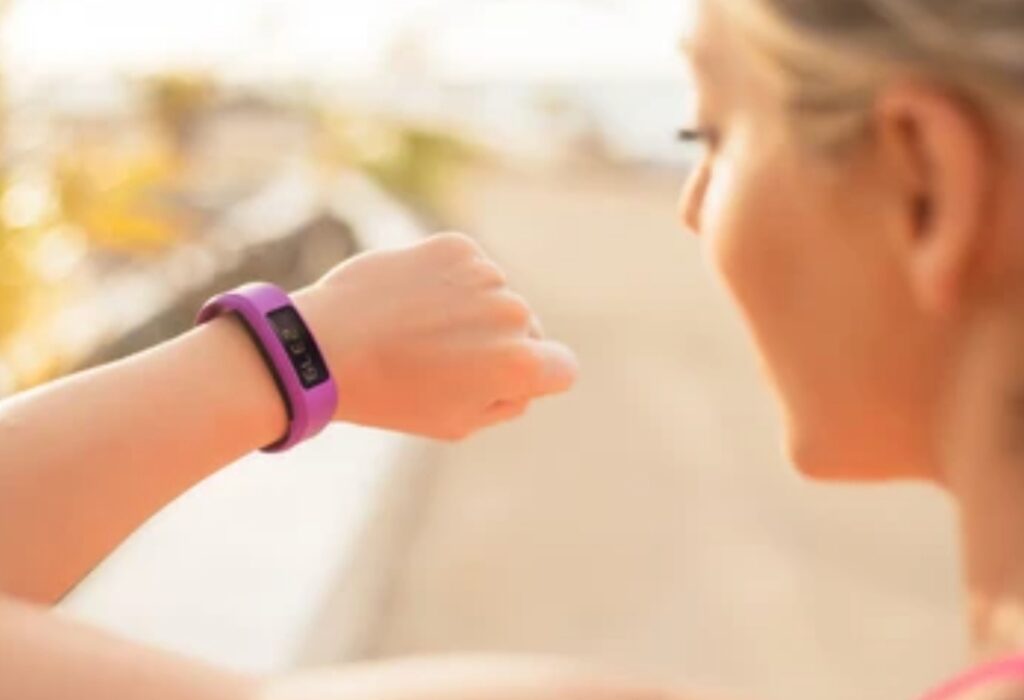
Understanding What Your Wearable Data Really Means 🧠
Most people glance at their smart device dashboards and see only numbers — steps taken, hours slept, or calories burned.
But what truly matters is how you interpret those numbers.
Wearable devices collect multiple layers of information, including:
- Sleep stages (REM, light, deep sleep)
- Heart rate variability (HRV)
- Blood oxygen levels (SpO₂)
- Stress scores and recovery time
- Body temperature fluctuations
Each metric offers a window into your body’s unique rhythm.
For example, if your wearable sleep tracker consistently shows limited deep sleep, that’s a sign your body isn’t entering full recovery mode — possibly due to stress, caffeine intake, or inconsistent bedtimes.
💡 Pro Tip: Review your weekly health summaries instead of focusing on daily fluctuations. Long-term data gives a clearer, more reliable picture of your overall health patterns.
Turning Sleep and Activity Data Into Actionable Insights 🌙🏃♂️
The best health wearables in 2025 come with AI-powered analytics that recommend personalized health actions based on your sleep and activity patterns.
For example:
- If your sleep efficiency drops below 80%, your smartwatch might suggest adjusting your bedtime or reducing screen time.
- Low HRV readings? It could indicate stress — prompting mindfulness or breathing exercises.
- A drop in daily steps or calories burned might trigger a gentle reminder to move or take a walk during your lunch break.
These small, consistent actions accumulate into lasting habits.
The key is not just to “track” data — but to translate it into smarter lifestyle choices that support your goals.
💬 Think of your wearable device as a personal coach on your wrist — guiding you toward optimal wellness, one insight at a time.
Syncing Wearable Tech With Health Apps for a Complete Picture 📱
Modern wearable tech for health seamlessly integrates with advanced apps like Apple Health, Google Fit, Fitbit Premium, and Garmin Connect.
When synced correctly, these platforms aggregate your metrics into a single dashboard — making it easier to track progress across multiple dimensions such as:
- Nutrition
- Exercise intensity
- Hydration levels
- Sleep performance
- Mental wellness
You can even link your wearable with third-party apps like MyFitnessPal or Strava to visualize how your diet and workouts impact your recovery and performance.
🔗 Explore the top wearable tech integrations here to connect your device with your lifestyle and maximize its value.
Creating a Morning and Night Routine Around Your Data 🕒
Building routines that align with your wearable insights can dramatically improve your health outcomes.
Morning Routine:
- Check your sleep quality score to see how rested you are.
- Review your readiness or recovery score before deciding on your workout intensity.
- Set your hydration and step goals for the day.
Night Routine:
- Enable sleep mode or wind-down reminders.
- Avoid screens at least 30 minutes before bed.
- Track heart rate trends or SpO₂ before sleep to monitor restfulness.
When these habits become consistent, your wearable evolves from a gadget into a powerful lifestyle companion — helping you fine-tune your health effortlessly.
The Future of Personalized Health Optimization (2025 and Beyond) 🚀
The best health wearables 2025 aren’t just about tracking — they’re about predicting and preventing.
Thanks to AI-driven health modeling and real-time monitoring, devices can now:
- Predict potential sleep disorders before symptoms appear.
- Detect early signs of illness using temperature and heart rate deviations.
- Provide personalized fitness coaching based on biological data.
- Offer sleep optimization programs tailored to your circadian rhythm.
Soon, you’ll have wearables capable of connecting directly with healthcare professionals for instant feedback — making proactive wellness the new normal.
Make Your Data Work for You 💪
Your wearable sleep tracker and health devices are only as powerful as how you use their data.
Don’t just wear them — engage with them daily.
Study your patterns, make small adjustments, and use those insights to create a healthier, more energized version of yourself.
✨ Ready to take the next step?
Start by exploring the best health wearables 2025 that match your lifestyle and wellness goals today.
Turn every night’s sleep and every step you take into actionable insights for a smarter, healthier you.
Common Mistakes People Make When Using Wearable Tech for Health and Sleep Tracking ⚠️
While wearable tech for health has revolutionized how we monitor our fitness, sleep, and overall well-being, many users unknowingly make mistakes that limit their results.
These errors can cause inaccurate readings, data overload, and even frustration — preventing you from unlocking the full benefits of your wearable sleep trackers and the best health wearables 2025.
Below, we’ll break down the most common mistakes people make and how to fix them so your wearable works for you, not against you.
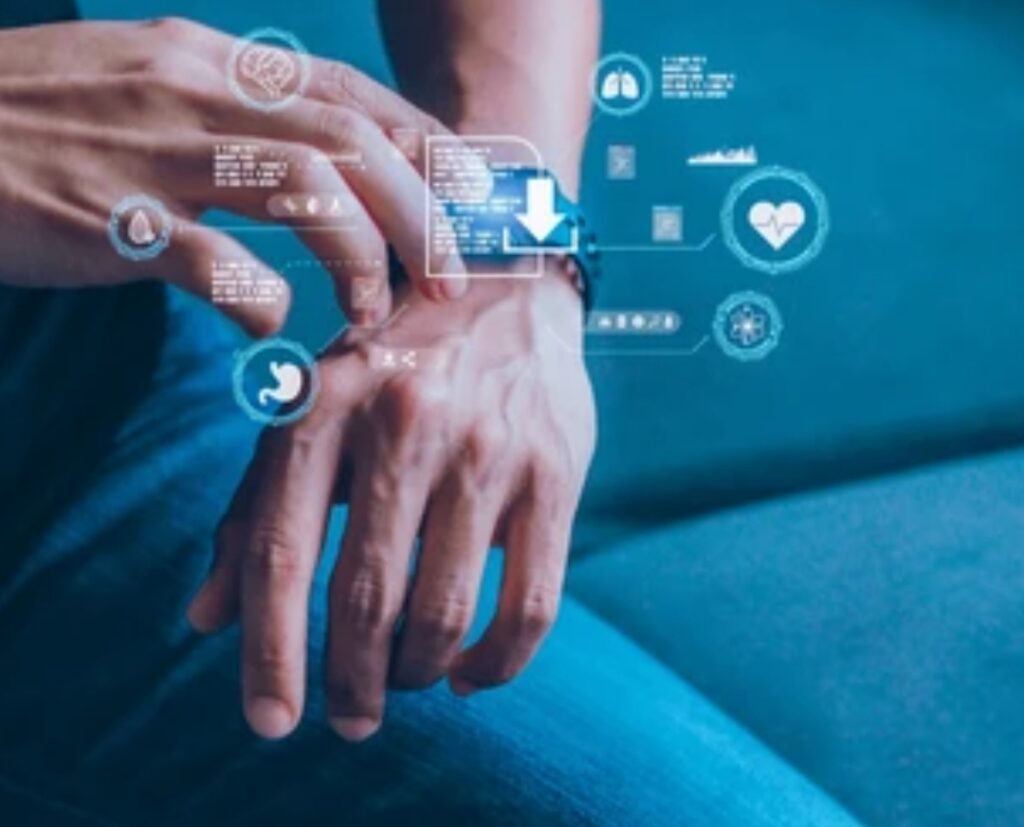
Mistake #1 – Relying Too Much on the Numbers 📊
One of the biggest pitfalls is treating wearable data as absolute truth.
Yes, your device collects valuable information — but it’s still just a tool, not a medical instrument.
Wearables measure trends, not diagnoses.
For instance:
- A low sleep score doesn’t always mean poor rest. You might have had high-quality deep sleep but fewer total hours.
- A higher heart rate doesn’t necessarily mean illness — it could be due to caffeine, stress, or temperature changes.
💡 Pro Tip: Focus on patterns, not perfection.
Look for weekly or monthly trends rather than obsessing over daily fluctuations.
Why it matters: Your body’s natural rhythms vary day to day. By focusing on consistency, you’ll make smarter health decisions and reduce unnecessary stress.
Mistake #2 – Ignoring Calibration and Setup ⚙️
Most users skip the initial setup or calibration phase, assuming the device “just works.”
That’s a major mistake.
Failing to personalize your wearable settings — such as gender, height, weight, resting heart rate, and activity level — can cause inaccurate data.
✅ Fix it:
- Set up your profile correctly in your wearable app.
- Update it every few months as your fitness level changes.
- Wear your device on your non-dominant wrist (unless specified otherwise) for more accurate motion tracking.
Bonus Tip: Regularly clean your sensors and check for firmware updates — they often fix accuracy issues and unlock new features.
Mistake #3 – Wearing It Too Loose or Too Tight ⌚
This is a surprisingly common issue.
If your watch or band doesn’t fit properly, it can affect heart rate, SpO₂, and sleep tracking accuracy.
- Too tight: May restrict blood flow and lead to discomfort or skin irritation.
- Too loose: Causes light to leak into sensors, producing inaccurate readings.
✅ Fix it:
Wear your device snugly — it should be comfortable, stable, and not leave marks on your skin.
For sleep tracking, you might loosen it slightly to improve comfort overnight.
Mistake #4 – Not Wearing It Consistently 😴
Your wearable can only learn your health trends if you wear it regularly.
Many users forget to wear it during sleep, workouts, or daily activities — leading to incomplete or misleading data.
For wearable sleep trackers, skipping even one night can throw off your sleep averages.
Consistency helps your device’s AI learn your body’s rhythm, making its insights more precise over time.
💡 Pro Tip: Wear your device both day and night for at least two weeks before analyzing trends.
The longer it collects data, the more accurate and personalized your insights become.
Mistake #5 – Ignoring the Bigger Picture 🧩
Another common issue: focusing on one metric — like sleep score or step count — while ignoring everything else.
Health is multi-dimensional.
Sleep, nutrition, hydration, stress management, and exercise are all connected.
For example:
- A low sleep score could be caused by dehydration or late caffeine intake.
- Poor recovery metrics might result from stress or poor diet, not just overtraining.
✅ Fix it:
Use your wearable tech for health alongside a wellness app that integrates multiple factors.
The best health wearables 2025 can sync with nutrition and stress-tracking apps for a complete, 360° view of your health.
Mistake #6 – Ignoring the Sleep Environment 💤
Even the most advanced wearable sleep tracker can’t fix poor sleep hygiene.
If your bedroom is noisy, hot, or bright — your sleep data will always suffer.
✅ Fix it:
- Maintain a cool, dark, and quiet sleeping environment.
- Use blackout curtains or a white noise machine if needed.
- Stick to a consistent bedtime routine, even on weekends.
Pairing a wearable sleep tracker with good sleep habits amplifies your results — helping you fall asleep faster, stay asleep longer, and wake up refreshed.
Mistake #7 – Not Taking Action on Insights ⚡
Data is only valuable when you use it.
Many people review their weekly summaries but never act on what they learn.
Your wearable gives you powerful, personalized feedback — but it’s up to you to turn that data into action.
- Did your tracker show restless sleep? Try adjusting your evening caffeine intake.
- Did your HRV drop? Consider adding meditation or a rest day.
📈 The Real Power: Actionable data + consistent improvement = measurable health gains.
Mistake #8 – Using Outdated Devices or Apps 📱
If you’re still using a tracker from 2019, you’re missing out on huge advances.
The best health wearables 2025 now feature:
- AI-driven insights
- Continuous glucose monitoring
- Skin temperature sensors
- Stress-level detection
- Sleep stage precision tracking
✅ Fix it:
Consider upgrading to a new-generation wearable device that supports advanced analytics and deeper integration with your wellness apps.
Modern devices are far more accurate and adaptive to individual needs.
Mistake #9 – Neglecting Privacy and Data Security 🔒
With all this personal health data being collected, privacy is more important than ever.
Some users don’t realize that their data may be stored in the cloud or shared with third-party apps.
✅ Fix it:
- Review your wearable’s privacy policy.
- Disable unnecessary data sharing.
- Use strong passwords and enable two-factor authentication on your apps.
Remember: Your data is valuable — protect it like you protect your health.
Turn Mistakes Into Mastery 💪
Don’t worry if you’ve made some of these mistakes — almost everyone does at first.
The key is awareness and consistency.
By fine-tuning how you use your wearable tech for health, you’ll start seeing real improvements in your sleep, energy, and daily performance.
✨ Take Action Now:
Review your wearable settings, clean your sensors, wear your device daily, and track your progress with intention.
Your health data has massive potential — all you need to do is use it the right way.
👉 Ready to upgrade your wellness game?
Check out the best health wearables 2025 to find the perfect tracker that fits your lifestyle and goals.
The Future of Wearable Tech for Health and Sleep — What’s Coming Next 🚀
The evolution of wearable tech for health is accelerating faster than ever.
What started as simple step counters has now become a global health revolution powered by AI, biometrics, and predictive analytics.
By 2025 and beyond, the best health wearables will not just track your health — they’ll transform it.
Let’s take a deep dive into how this technology is evolving, what to expect in the near future, and how it’s reshaping personal wellness as we know it.
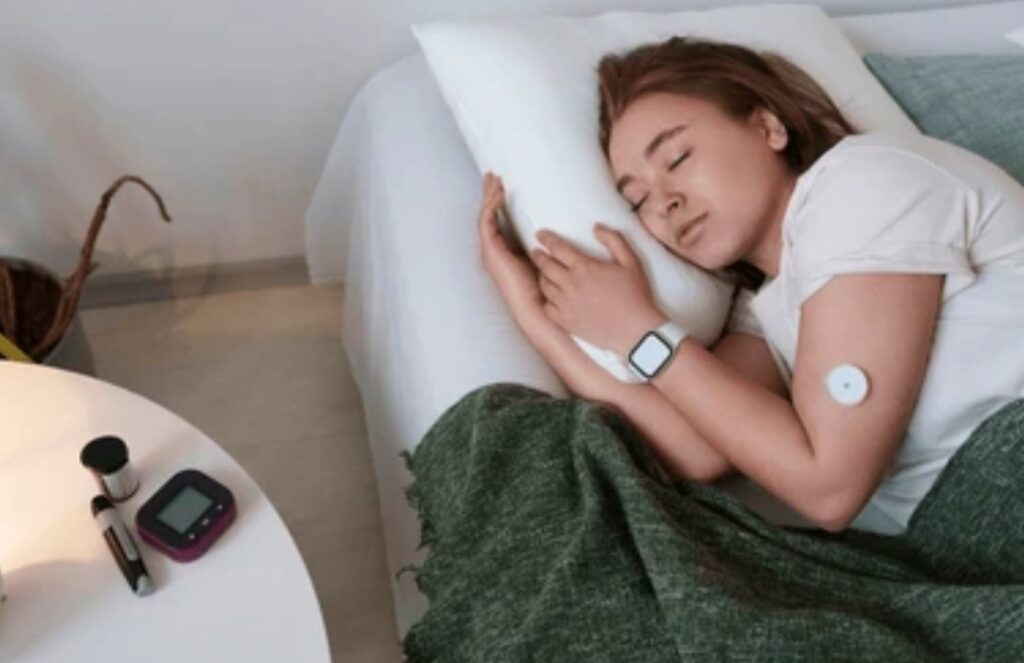
From Tracking to Predicting — The Rise of Smart Health Intelligence 🤖
The next generation of wearable sleep trackers and health wearables will move beyond just collecting data.
They’ll analyze your health trends, identify risks, and even predict potential health issues before they happen.
🔍 Imagine this:
Your wearable detects slight irregularities in your heart rate or blood oxygen levels — days before you feel symptoms — and sends a gentle alert to take preventive steps or contact your doctor.
That’s not science fiction anymore.
Modern wearables already use AI and machine learning to detect anomalies in your biometrics, and by 2025, predictive health modeling will be a mainstream feature.
✅ Example:
- Advanced health smartwatch are integrating AI-driven diagnostics that learn from your daily patterns.
- These systems can anticipate fatigue, dehydration, or sleep deprivation before your body fully experiences them.
💡 In short: The future of wearable tech for health is proactive, not reactive.
The Integration of Wearables With Medical Ecosystems 🏥
A huge leap in the future of health wearables is the integration with healthcare providers and digital medical records.
Soon, your doctor will be able to access your real-time health data directly from your smartwatch or ring — allowing them to make faster, more accurate medical decisions.
How this will change healthcare:
- Real-time monitoring for chronic conditions like diabetes or heart disease
- Early detection of respiratory issues through continuous SpO₂ and HRV tracking
- Personalized treatment adjustments based on 24/7 wearable data
- Remote patient monitoring for seniors and at-risk groups
💬 Imagine your wearable automatically scheduling a telehealth appointment if it detects unusual patterns — that’s where we’re heading.
This deeper connection between wearable tech and healthcare will make preventive medicine more accessible, accurate, and affordable for everyone.
The Rise of Advanced Sleep Tech 😴🌙
Sleep is becoming one of the hottest frontiers in wearable innovation.
The best wearable sleep trackers 2025 will go far beyond measuring rest duration.
They’ll use multi-sensor systems to analyze brain activity, muscle tone, and environmental factors — providing a truly complete picture of sleep quality.
Future advancements include:
- EEG-based sleep bands that analyze your brain waves for more accurate sleep stage detection.
- Smart pillows and mattresses with built-in sensors that sync with your wearables for environmental optimization.
- AI-driven sleep coaching programs that automatically adjust your bedtime routine and suggest real-time improvements.
🧠 In the near future, your wearable will not only tell you how well you slept — it will actively help you sleep better.
Personalized Health Coaching Powered by AI 🤝
Another exciting trend is AI-powered health coaching.
Wearables are evolving into personal trainers, nutritionists, and sleep coaches — all on your wrist.
These systems will use biofeedback loops and continuous data to provide:
- Tailored fitness routines based on your recovery level
- Smart meal suggestions based on your calorie expenditure and activity
- Mindfulness reminders when your stress levels spike
- Dynamic sleep recommendations based on your circadian rhythm
💡 Example:
If your HRV drops, your device might suggest a yoga session or deep breathing exercise.
If your sleep tracker shows reduced deep sleep, it might recommend avoiding caffeine after 3 p.m. or adjusting your bedroom temperature.
👉 With the best health wearables 2025, wellness will become fully personalized — adapting to you in real time.
Health Data Meets the Internet of Things (IoT) 🌐
The future of wearable tech is not isolated.
It’s part of a connected ecosystem where your wearable communicates with other smart devices in your home, gym, and even your car.
Imagine this future:
- Your smartwatch detects low energy → your smart coffee machine brews a mild caffeine drink automatically.
- Your sleep tracker shows poor rest → your smart home dims the lights earlier and cools your bedroom to the perfect temperature.
- Your wearable detects stress → your car switches to relaxation mode and plays soothing music.
💡 This interconnected “Smart Health Ecosystem” is the next big step in holistic wellness.
By syncing data across multiple devices, you’ll create a seamless, personalized environment that optimizes your daily life automatically.
The Role of Mental Health in Future Wearables 🧘♀️
In the coming years, mental wellness will become a central focus of wearable innovation.
Instead of only tracking physical metrics, devices will also monitor emotional and psychological well-being.
Emerging features include:
- Stress pattern detection using HRV and skin conductance
- Mood tracking through voice tone and facial expression analysis
- Breathing feedback sensors for meditation and relaxation guidance
- AI mood prediction that alerts you before emotional burnout occurs
This shift shows that future wearable tech for health will address the mind-body connection — empowering users to manage not just their physical fitness, but their mental resilience as well.
The Future Is Hyper-Personalized and Preventive 🌟
By 2030, we’ll likely see a world where wearables and AI health systems create fully personalized wellness ecosystems.
You’ll no longer have to guess what your body needs — your devices will tell you.
✅ Predictive models will identify when you’re getting sick.
✅ Smart sleep tech will auto-adjust your bedroom environment.
✅ Nutrition wearables will track glucose and hydration in real-time.
✅ Wearable patches will provide non-invasive health scans.
💬 In short, wearables are evolving from passive monitors into intelligent companions that keep you healthier, happier, and more productive.
The Future Is Already Here 🌍
The future of wearable tech for health and sleep is incredibly promising.
From AI-powered insights to medical-grade sensors and sleep-optimizing ecosystems, the coming years will completely redefine personal wellness.
But remember — the most advanced device is only as effective as how you use it.
Consistency, awareness, and action are what turn technology into transformation.
✨ Ready to embrace the future of wellness?
Discover the best health wearables 2025 that fit your lifestyle today and step into a smarter, healthier, and more connected future.
Conclusion and Final Takeaways — Embrace the Future of Smart Health Today 💡
The world of wearable tech for health is evolving faster than ever — and it’s no longer just about counting steps or tracking calories.
From wearable sleep trackers that decode your nightly recovery to the best health wearables 2025 equipped with AI-driven insights, these devices are transforming how we understand and improve our well-being.
In today’s fast-paced, data-driven world, the biggest advantage you can give yourself is knowledge — real, personalized insight into your body, habits, and health.
And that’s exactly what modern wearables deliver.
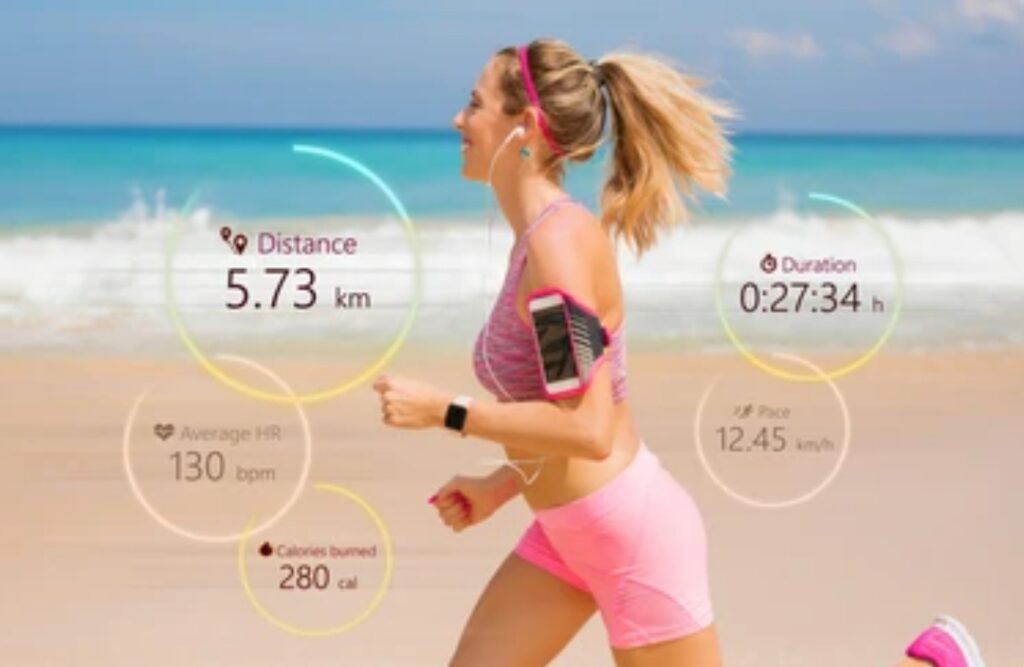
The Power of Data-Driven Wellness 📊
Every heartbeat, every step, and every minute of rest tells a story.
Your wearable captures that story in real-time, helping you make smarter decisions that elevate your energy, productivity, and longevity.
By learning to interpret your data, you can take control of your health — not rely on guesswork.
Instead of reacting to problems after they appear, wearables empower you to prevent them before they start.
💬 Think of it this way: while most people wait for symptoms, your wearable gives you the power to act before it’s too late.
Small Adjustments = Big Results 🌱
Consistency is the true secret behind wearable success.
It’s not about making drastic changes overnight — it’s about using the small, data-backed insights your device gives you to fine-tune your habits daily.
✅ Adjust your sleep schedule when your sleep tracker shows restlessness.
✅ Improve hydration when your heart rate or recovery metrics dip.
✅ Balance activity with rest using your recovery score or HRV insights.
Over time, these micro-adjustments lead to macro results: better sleep, higher energy, improved focus, and long-term wellness.
✨ Your health journey becomes clearer when guided by data — your wearable is simply the compass.
The Future Is Already on Your Wrist ⌚
We’re standing at the dawn of a new wellness era — one powered by intelligent wearable tech that can predict, personalize, and prevent.
AI algorithms are getting smarter, sensors more precise, and integration with medical systems more seamless.
Soon, wearables won’t just track your health — they’ll actively enhance it.
They’ll detect subtle changes in your physiology, recommend nutrition adjustments, and sync with your doctor for real-time health support.
💡 The best health wearables 2025 are your personal health coach, data analyst, and sleep scientist — all in one sleek, wearable form.
Take Action — Transform Your Sleep and Health Today 🚀
It’s time to stop viewing your wearable as just a gadget.
It’s a gateway to better sleep, sharper focus, and a stronger body — if you know how to use it right.
💪 Here’s your next step:
Explore the best wearable sleep trackers and top-rated health wearables 2025 designed for your goals and lifestyle.
Choose one that aligns with your needs — whether that’s improving sleep quality, boosting fitness, or managing stress more effectively.
Once you start using it intentionally, your data will begin telling you what your body truly needs — and that’s where transformation begins.
Final Thoughts — Own Your Wellness Journey 🌟
Technology has given us the most powerful health insight tools in history.
But remember — your wearable doesn’t replace you.
It empowers you.
When you combine technology with self-awareness and consistent action, you become unstoppable.
👉 Start today.
Use your wearable not just to track your life, but to upgrade it.
Sleep better. Move smarter. Live stronger.
Because the future of wellness isn’t coming — it’s already here, on your wrist.
You might also like :