
Keywords: smart meter security tips, protect utility data, smart meter hack fix,
Introduction to Smart Meter Security and Protecting Your Utility Data ⚡
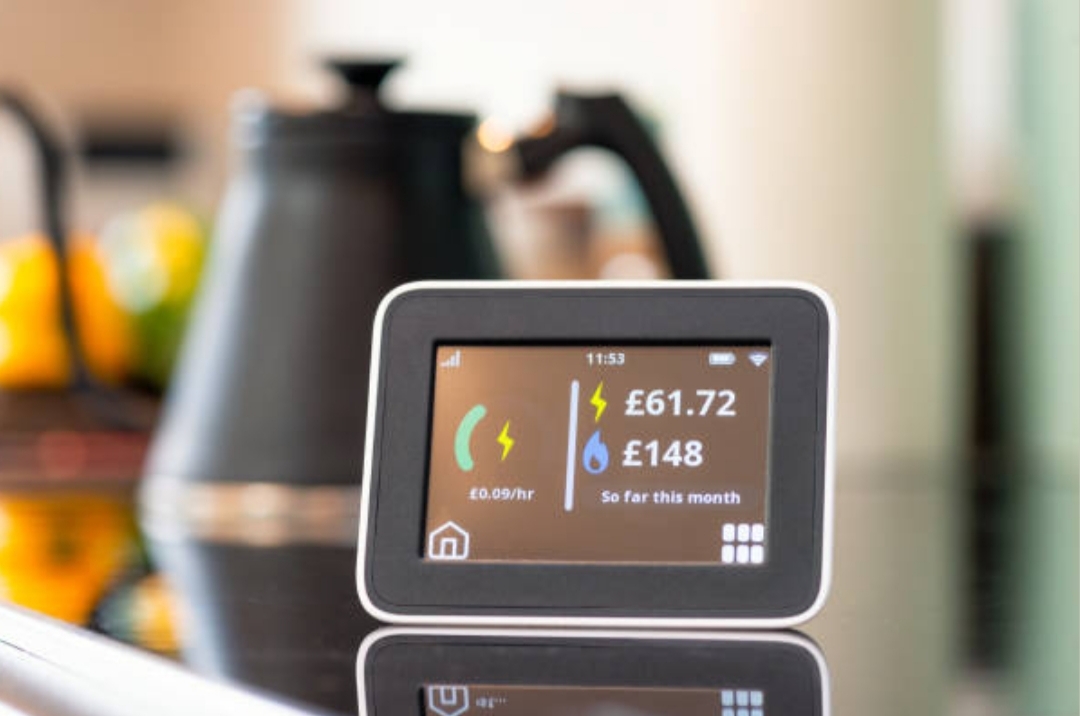
Smart meters have become a cornerstone of modern energy management, helping millions of households and businesses monitor and optimize electricity usage in real time.
Unlike traditional meters, these digital devices automatically record your consumption and send the data to your utility company for accurate billing, energy efficiency tracking, and smarter grid management.
But here’s the catch: with convenience comes risk.
Because smart meters are connected devices, they can be targeted by hackers, just like any other piece of technology in your home network.
That’s why learning smart meter security tips is no longer optional — it’s essential if you want to protect utility data and ensure your personal information isn’t exposed.
Why This Topic Matters More Than Ever 🔒
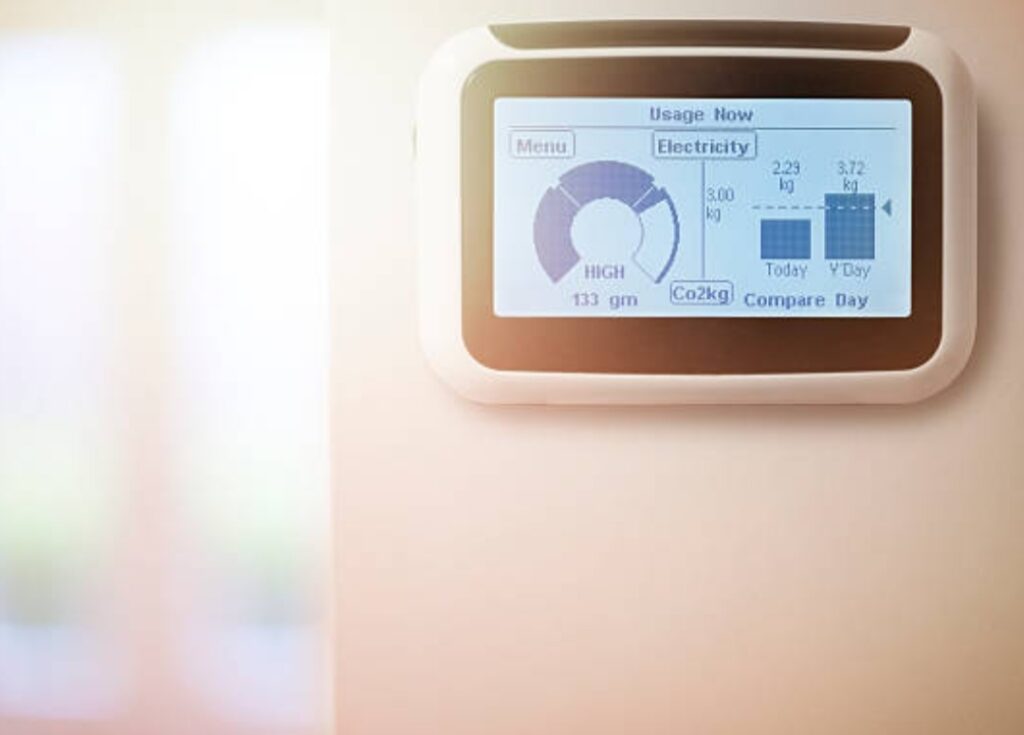
Cybersecurity experts have warned that smart grid infrastructure is becoming a growing target for cybercriminals.
Attackers know that utility data is valuable because it reveals your household routines, energy consumption patterns, and even when you’re most likely to be at home or away.
In the wrong hands, this data could be used for:
- Identity theft by combining energy data with other personal details
- Utility fraud, where hackers manipulate bills or usage records
- Home security risks, since unusual patterns could indicate when a house is empty
This makes it urgent to implement proven methods to protect your smart meter from hacks and understand how to apply a reliable smart meter hack fix if something goes wrong.
What You’ll Learn in This Guide 🧭
In this comprehensive article, we’ll cover:
- The main vulnerabilities of smart meters and how hackers exploit them
- Practical and easy-to-apply smart meter security tips
- How to quickly detect if your smart meter is hacked
- A step-by-step smart meter hack fix process if you suspect a breach
- Advanced strategies for long-term protection of utility data
By the end of this post, you’ll have the knowledge and tools you need to stay one step ahead of cybercriminals.
The Rise of Smart Meters in Everyday Homes 🏠
The adoption of smart meters is accelerating worldwide.
Governments and energy providers are rolling out these devices as part of smart grid initiatives that aim to make electricity distribution more efficient and sustainable.
For homeowners, the benefits are clear:
- Accurate billing without manual meter readings
- Real-time monitoring to reduce energy waste
- Remote troubleshooting by utility companies
- Integration with smart home systems for automation
However, as more homes embrace this technology, cybersecurity challenges grow in parallel.
Without the right security measures, smart meters could turn into a weak entry point for hackers looking to compromise your household network.
Quick Takeaway for Readers 🚀
If you take away one thing from this introduction, let it be this: don’t assume your smart meter is automatically secure just because it was installed by your utility company.
Yes, providers take precautions, but the responsibility to protect utility data also falls on you as the homeowner.
With just a few smart strategies — from updating firmware regularly to securing your Wi-Fi — you can significantly reduce risks and keep hackers at bay.
👉 Stay with us as we dive deeper into practical steps and advanced smart meter security tips that will help you secure your home energy data today.
Why Smart Meters Need Strong Security 🔐
Smart meters are more than just digital upgrades to traditional utility meters.
They are network-connected devices that constantly communicate with your utility provider, making them part of the wider smart grid ecosystem.
While this connectivity brings efficiency, accuracy, and real-time insights, it also opens up new pathways for cyberattacks.
This is why strong smart meter security is not just a recommendation but a necessity to protect utility data from theft, tampering, or misuse.
How Smart Meters Work Behind the Scenes ⚡
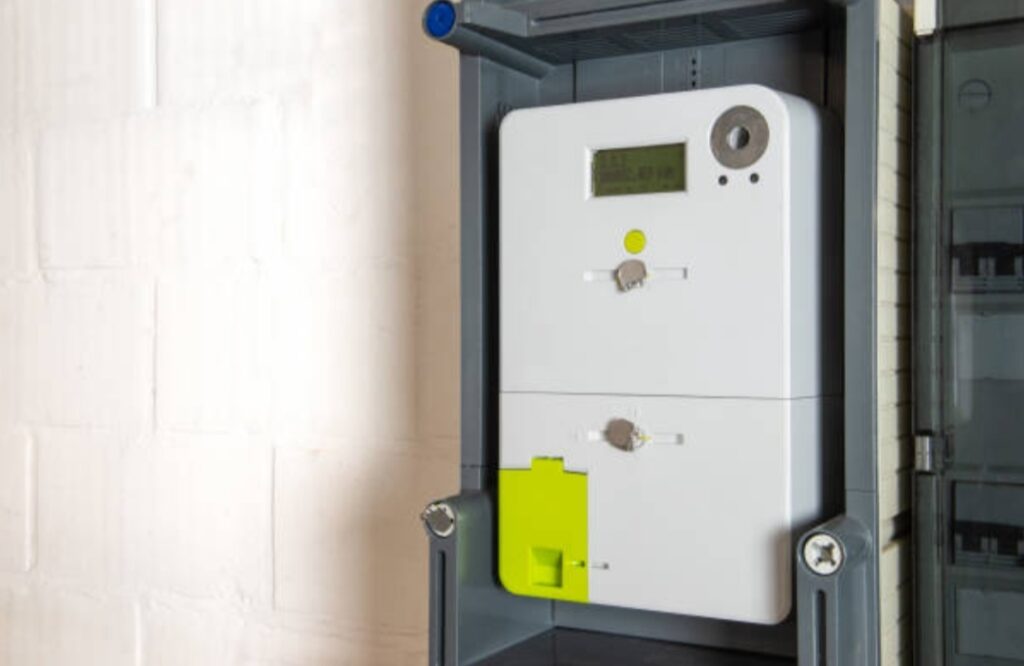
To understand the security risks, let’s first look at how a smart meter operates.
- Smart meters measure energy usage in intervals (often every 15 minutes).
- This data is then encrypted (sometimes weakly) and sent wirelessly or via broadband to your utility company.
- Utility companies use the data for billing, outage detection, demand forecasting, and efficiency improvements.
But here’s the catch: any data transmission system can be intercepted if not properly secured.
If a hacker gains access to the communication line or the device itself, they could manipulate readings, steal private information, or even disrupt service.
Potential Risks of Weak Smart Meter Security 🚨
Without adequate protections, smart meters become attractive targets for cybercriminals.
Here are the most common risks:
- Data Privacy Invasion – Hackers could analyze your usage patterns to determine when you’re home, asleep, or away on vacation.
- Utility Fraud – Attackers may alter meter readings to reduce their own bills or increase yours.
- Power Grid Vulnerability – Large-scale attacks on multiple meters could affect entire neighborhoods or city blocks.
- Identity Theft Risks – When combined with other stolen data, utility information can help criminals piece together a victim’s profile.
These dangers show why applying smart meter security tips is critical not just for your household but also for the overall stability of the energy grid.
Real-World Examples of Smart Meter Hacking 🕵️
Unfortunately, smart meter hacks are not just theoretical.
- In Spain, authorities discovered organized fraud rings that hacked smart meters to manipulate energy bills.
- In Puerto Rico, the FBI investigated widespread tampering of smart meters where insiders and hackers altered meter readings.
- Security researchers have repeatedly demonstrated vulnerabilities in meters at cybersecurity conferences, proving that with the right tools, attacks are possible.
These cases make it clear: a smart meter hack fix should be part of every homeowner’s security plan, because the risks are already here, not in the distant future.
Why Consumers Must Take Action Now ⏳
While utility companies do implement security measures, many of them rely on outdated encryption protocols or delay firmware updates.
This leaves gaps that cybercriminals can exploit.
As a consumer, you can’t rely solely on your energy provider to safeguard your data.
Taking action by applying best practices to protect utility data gives you an extra shield of defense.
Think of it as adding locks to your doors and security cameras to your home — your smart meter deserves the same level of attention.
Key Takeaway for Readers 📌
Smart meters are essential for a smarter, greener energy future.
But they also introduce new cybersecurity challenges that you cannot afford to ignore.
By recognizing the risks and staying proactive, you’ll not only secure your smart meter from potential hacks but also protect your household from identity theft, fraud, and unexpected energy disruptions.
👉 Keep reading to learn the most effective smart meter security tips you can start applying today to protect utility data and safeguard your home.
Common Vulnerabilities in Smart Meters ⚠️
Smart meters are designed to be reliable and efficient, but like all connected devices, they have security blind spots that can be exploited by cybercriminals.
Understanding these weaknesses is the first step toward applying smart meter security tips that help you protect utility data and avoid costly breaches.
Below, we break down the most common vulnerabilities that could expose your household to risks.
Weak or Outdated Encryption 🔑
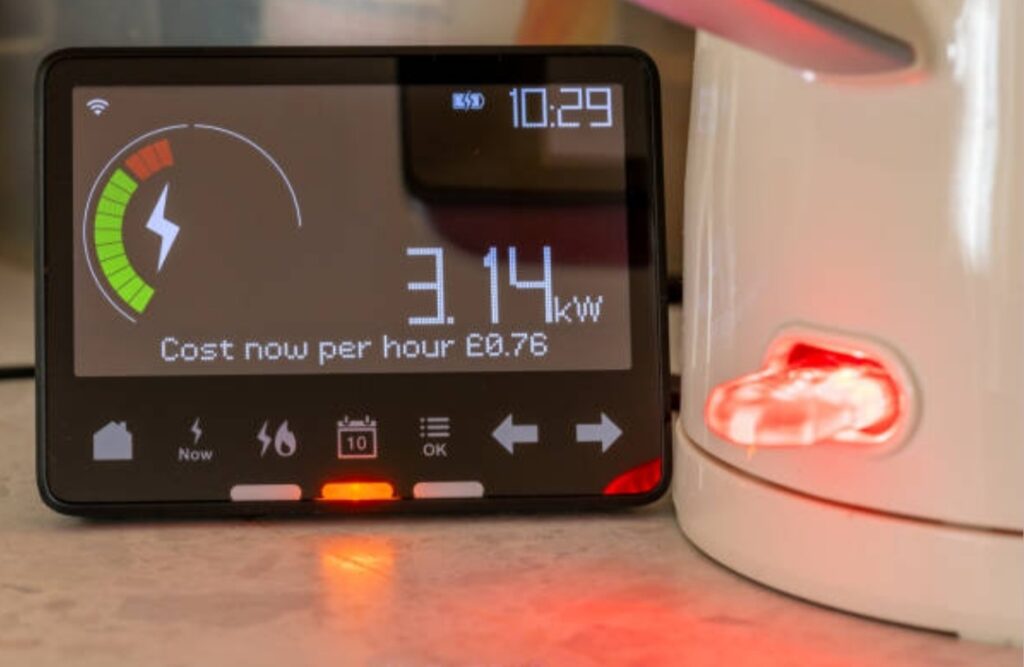
Encryption is supposed to keep your energy data secure during transmission.
However, some smart meters still rely on outdated encryption algorithms or even transmit data in ways that can be intercepted.
- What this means for you: Hackers can intercept and decode energy usage data, gaining insights into your household routines.
- Real-world risk: Once decoded, the information could be sold on the dark web or used for burglary planning.
This is why one of the most important smart meter security tips is to regularly check whether your device’s firmware supports modern encryption standards like AES-256.
Outdated Firmware and Software Bugs 🐞
Like smartphones and computers, smart meters need regular software updates to fix bugs and patch security vulnerabilities.
Unfortunately, many utility providers delay or overlook updates, leaving devices exposed.
- Hackers often target known software bugs that haven’t been patched.
- Attackers can exploit these flaws to remotely manipulate readings or disrupt services.
Pro tip: If your provider offers an app or customer portal, log in regularly to check whether updates or security patches are available.
Remote Access Exploitation 🌐
Many smart meters are designed with remote access capabilities, which allow utility companies to troubleshoot or disconnect services without visiting your home.
While convenient, this feature can also become a backdoor for hackers.
- Cybercriminals could exploit weak login systems or brute-force attacks to gain remote control.
- In large-scale attacks, entire neighborhoods could be disconnected or manipulated.
Action step: Protect your home network with a strong password and two-factor authentication whenever possible. This helps limit remote exploitation attempts.
Physical Tampering and Hardware Attacks 🔧
Smart meters are often installed on the outside of a property, making them physically accessible.
Although tampering with utility devices is illegal, criminals may attempt to:
- Open the casing to bypass digital protections
- Install additional devices to intercept data
- Replace components to manipulate readings
Utility companies do place seals and protections on meters, but these are not foolproof.
If you notice any signs of tampering — broken seals, loose wiring, or unexpected readings — report it to your utility company immediately.
Weak Network Security 🛡️
Because smart meters rely on wireless communication (like RF, Zigbee, or Wi-Fi), weak network security is a huge vulnerability.
- If your home Wi-Fi is unsecured, hackers can intercept signals between your meter and router.
- Attackers may also use malware to jump from your smart meter into other connected devices, like laptops or smart home systems.
Smart meter hack fix tip: Secure your Wi-Fi with a strong password, WPA3 encryption, and regular network monitoring.
Lack of Consumer Awareness 📉
Finally, one of the biggest vulnerabilities is not in the technology itself — it’s in consumer awareness.
Most homeowners don’t realize that smart meters can be hacked, which means they don’t take preventive measures.
- Many people trust their utility provider completely.
- Few check their bills or usage patterns for suspicious activity.
This lack of vigilance makes it easier for cybercriminals to operate unnoticed.
Quick Recap of Smart Meter Weaknesses 📌
To summarize, the most common vulnerabilities in smart meters include:
- Weak or outdated encryption
- Delayed firmware updates
- Remote access exploitation
- Physical tampering
- Weak home network security
- Lack of consumer awareness
By identifying these weak points, you’re already one step ahead.
👉 Next, we’ll explore powerful smart meter security tips you can use to protect utility data and stop hackers before they strike.
Essential Smart Meter Security Tips to Protect Utility Data 🛡️
Now that you know the risks and vulnerabilities, let’s focus on the most effective smart meter security tips that every homeowner should apply.
These strategies will not only help you protect utility data but also act as a smart meter hack fix in case you suspect a breach.
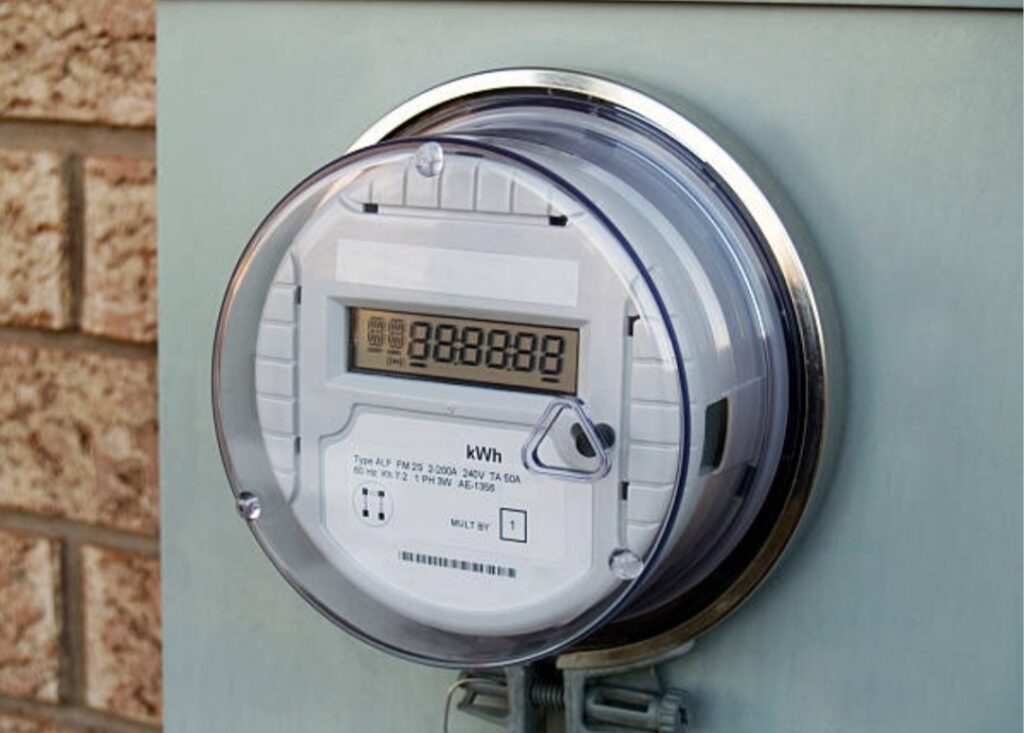
1. Regularly Update Smart Meter Firmware 🔄
Just like your smartphone, your smart meter needs regular software updates to stay secure.
- Utility providers release firmware updates to patch vulnerabilities.
- Delaying these updates leaves your device open to known exploits.
Action step: Log into your utility provider’s customer portal or mobile app to check for firmware updates.
If updates are automatic, confirm with your provider how often they are pushed.
2. Secure Your Wi-Fi Network 📶
Most smart meters rely on wireless communication, which means your home network security is critical.
Here’s how to strengthen it:
- Use WPA3 encryption instead of outdated WEP/WPA2.
- Create a strong, unique Wi-Fi password with at least 12 characters.
- Avoid using personal information in passwords (like birthdays or names).
- Set up a separate guest network for IoT devices to isolate them from laptops and phones.
👉 This simple step drastically reduces the chances of hackers intercepting your meter’s communication.
3. Enable Firewalls and Intrusion Detection Systems 🔐
Adding layers of protection to your network can block suspicious activity before it reaches your meter.
- Use your router’s built-in firewall.
- Consider adding an intrusion detection system (IDS) or intrusion prevention system (IPS).
- Some modern routers even come with AI-powered threat monitoring.
These tools act like a digital security guard, alerting you if someone tries to break into your network.
4. Use Strong Authentication Methods 🔑
Some smart meters or their companion apps allow you to set up authentication.
- Always use two-factor authentication (2FA) when available.
- Choose long, complex passwords and update them regularly.
- Avoid reusing the same password across multiple accounts.
By strengthening authentication, you make it much harder for cybercriminals to gain remote access.
5. Limit Third-Party Access to Data 🚫
Smart meters often share usage data with third-party apps and services.
While this can be convenient, it also increases risk.
- Review your meter’s privacy settings in your utility app.
- Disable unnecessary third-party integrations.
- Only allow access to trusted apps with strong privacy policies.
Remember: the fewer hands that touch your data, the safer it is.
6. Monitor Your Energy Usage Regularly 📊
Unexpected changes in your utility bills can signal a breach.
- Look for unexplained spikes or drops in usage.
- Compare current bills with past months for inconsistencies.
- Many utility apps now provide detailed graphs — check them weekly.
If something looks off, contact your provider immediately. This could be the first clue that your meter has been hacked.
7. Protect Against Physical Tampering 🔧
Because smart meters are often installed outside homes, they can be physically targeted.
- Check your meter regularly for signs of tampering (broken seals, unusual wiring, or scratches).
- Install security cameras near your meter if you live in a high-risk area.
- Report any suspicious activity directly to your utility provider.
Tip: Most providers will replace or inspect a meter free of charge if tampering is suspected.
8. Stay Educated on Cybersecurity Best Practices 📚
Technology changes fast — and so do hacking methods.
- Subscribe to your utility provider’s newsletters for security updates.
- Follow government advisories on smart grid cybersecurity.
- Learn the basics of IoT security so you can apply them across all smart devices in your home.
A little awareness goes a long way toward preventing costly breaches.
Quick Checklist: Smart Meter Security Tips ✅
Here’s a summary of the most important actions you can take today:
- Update firmware regularly
- Secure Wi-Fi with WPA3 and strong passwords
- Enable firewalls and intrusion detection
- Use strong authentication and 2FA
- Limit third-party data access
- Monitor bills and energy usage patterns
- Protect against physical tampering
- Stay informed on cybersecurity updates
👉 Apply these smart meter security tips now to protect utility data and reduce your chances of falling victim to a smart meter hack.
How to Detect If Your Smart Meter Is Hacked 🔍
One of the most dangerous things about smart meter attacks is that they often go unnoticed.
Hackers work quietly, making subtle changes that can be mistaken for technical glitches or billing errors.
That’s why it’s important to know the warning signs of a compromised smart meter so you can take action before serious damage occurs.
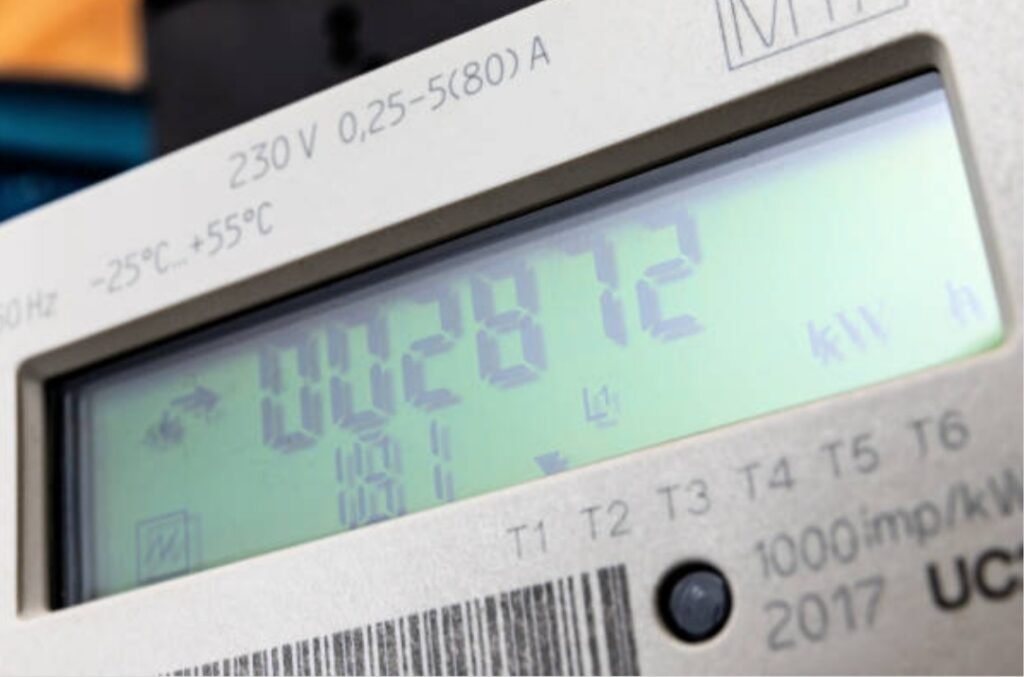
Unexplained Spikes or Drops in Energy Bills 💸
If your monthly bill suddenly skyrockets or drops without reason, it could be a sign of tampering.
- Spikes: Hackers may manipulate readings so you’re charged for more than you used.
- Drops: In some cases, attackers lower their own bills while shifting the costs to other customers.
👉 Always compare your current bill with previous months to catch unusual changes.
Strange Readings in Usage Reports 📊
Smart meters give detailed insights into your consumption.
If you notice:
- Energy usage at times when no one is home
- Sudden surges in power that don’t match your routine
- Missing data or gaps in your energy history
…it could mean your meter has been tampered with.
Tip: Most utility apps let you track hourly usage — check for unusual patterns.
Error Messages or Malfunctions ⚡
A hacked smart meter may behave erratically.
Signs include:
- Frequent error codes on your meter or app
- Random resets or disconnections
- The device going offline without reason
While some errors may be technical glitches, repeated malfunctions should raise suspicion.
Alerts from Your Utility Provider 📩
Many utility companies have built-in monitoring systems that detect suspicious activity.
You may receive:
- Emails about failed login attempts to your account
- Notifications of unusual energy usage
- Alerts about scheduled maintenance you didn’t request
👉 Never ignore these messages. They could be early warnings of a cyberattack on your smart meter.
Physical Signs of Tampering 🔧
Since smart meters are often installed outside, they can be physically tampered with.
Look for:
- Broken seals or casing
- Loose or unusual wiring
- Scratches, dents, or new marks on the device
If you see any of these, contact your utility provider immediately.
Suspicious Account Activity 🔑
Because your smart meter is linked to your online account, hackers may try to access it.
Red flags include:
- Password reset emails you didn’t request
- Logins from unknown devices or locations
- Unauthorized changes to your account details
Enable two-factor authentication (2FA) to make it harder for attackers to gain entry.
How to Confirm a Breach 🕵️
If you suspect something is wrong:
- Contact your utility provider and ask them to run a diagnostic on your smart meter.
- Request usage verification to compare the data from your meter against their records.
- Ask for a physical inspection if tampering is suspected.
Utility providers have advanced tools to confirm whether a device has been compromised.
Quick Red Flags Checklist 🚨
Here’s a fast way to spot potential smart meter hacking:
- Sudden spikes or drops in your bill
- Unusual energy usage when no one’s home
- Frequent meter malfunctions or resets
- Alerts from your provider about suspicious activity
- Broken seals or signs of tampering
- Strange account logins or password resets
👉 If you notice even one of these signs, act fast — early detection is the best way to protect utility data and stop hackers before more damage is done.
Smart Meter Hack Fix: What to Do if You Suspect a Breach 🛠️
Discovering that your smart meter may have been hacked can feel overwhelming.
But don’t panic — there are clear steps you can take to regain control, protect utility data, and stop further damage.
This section will walk you through a smart meter hack fix process that every homeowner should follow if they suspect a breach.
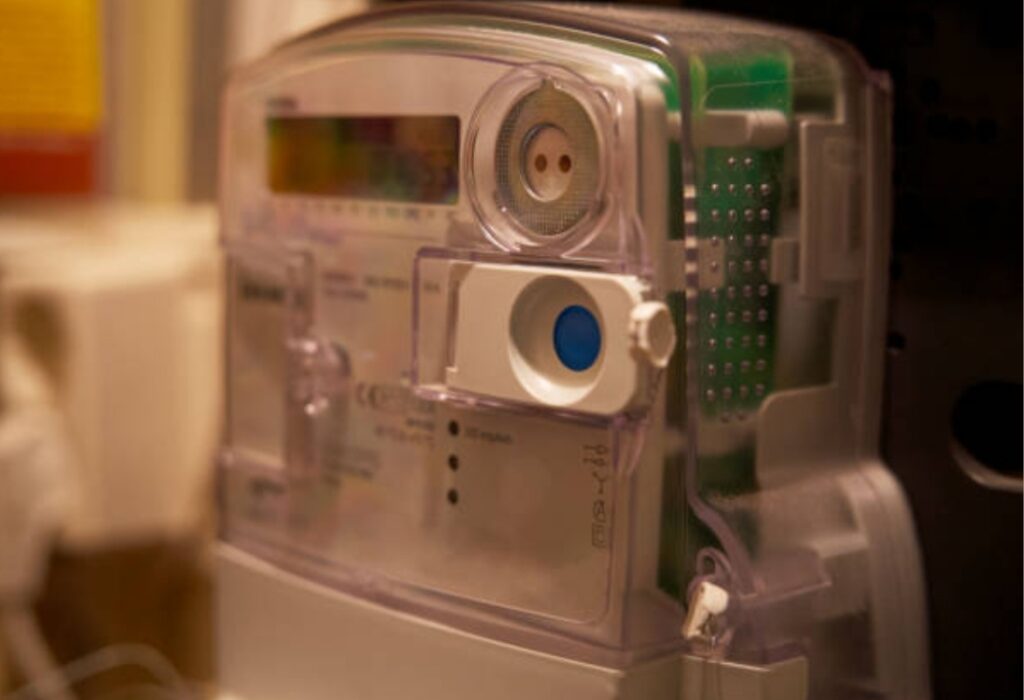
Step 1 – Contact Your Utility Provider Immediately 📞
The first and most important step is to alert your utility company.
- Report any suspicious billing changes, error messages, or signs of tampering.
- Request a security diagnostic of your smart meter.
- Ask if they can temporarily disconnect remote access until the issue is resolved.
👉 Utility companies have advanced monitoring tools and can often confirm whether your meter has been compromised.
Step 2 – Request a Security Check or Device Replacement 🔄
If hacking or tampering is confirmed:
- Ask your provider to inspect the device on-site.
- Request a meter replacement if vulnerabilities are found.
- Ensure the new device is running the latest firmware version.
Many providers replace hacked or faulty meters at no cost to the customer.
Step 3 – Re-Secure Your Home Network 🛡️
Since most smart meter hacks occur through weak networks, strengthening your Wi-Fi is essential.
- Change your Wi-Fi password to a strong, unique one.
- Upgrade to WPA3 encryption if your router supports it.
- Separate IoT devices (like smart meters, thermostats, and cameras) on a guest network.
- Run a malware scan on all connected devices.
This reduces the risk of hackers using your smart meter as a gateway into other systems.
Step 4 – Update Account Credentials and Enable 2FA 🔑
Your online utility account is just as important to secure as the meter itself.
- Change your account password immediately.
- Use a password manager to create long, random credentials.
- Enable two-factor authentication (2FA) for added protection.
- Review login history for unauthorized access attempts.
👉 This step ensures that even if your old credentials were stolen, hackers can’t log back in.
Step 5 – Monitor Your Bills and Energy Usage Closely 📊
After a suspected hack, pay close attention to your usage reports.
- Compare daily and monthly patterns to past bills.
- Watch for unexplained spikes or drops.
- Set up usage alerts (if your provider’s app supports them).
This way, you’ll be the first to spot any further suspicious activity.
Step 6 – Protect Against Future Hacks 🚫
Fixing a hack is important — but preventing another one is even better.
Here are some long-term smart meter security tips:
- Regularly update your smart meter firmware.
- Schedule routine security checks with your provider.
- Keep your router’s firmware up to date.
- Limit third-party apps from accessing your usage data.
- Stay informed about cybersecurity advisories for smart grids.
Step 7 – Consider Professional Cybersecurity Help 👨💻
If you’ve had repeated issues or your network seems compromised:
- Hire a certified cybersecurity expert to audit your smart home setup.
- Ask them to secure not just your smart meter but all IoT devices.
- Consider investing in a network-level security solution like a smart firewall.
While this may cost extra, it adds a powerful layer of defense.
Quick Emergency Action Plan 🚨
If you suspect your smart meter is hacked, here’s your smart meter hack fix checklist:
- Contact your utility provider immediately.
- Request a diagnostic or device replacement.
- Re-secure your Wi-Fi network and devices.
- Update utility account credentials and enable 2FA.
- Monitor bills and usage for anomalies.
- Apply long-term smart meter security tips.
- Seek professional help if needed.
👉 Act fast — the sooner you follow these steps, the better chance you have to protect utility data and keep hackers out for good.
Advanced Security Measures for Tech-Savvy Users 🧑💻
For homeowners who want more than just the basics, there are advanced cybersecurity solutions that can greatly enhance smart meter protection.
These techniques go beyond standard smart meter security tips and provide an extra layer of defense to protect utility data from sophisticated cyberattacks.
If you’re comfortable with tech or already manage a smart home, these strategies will help you stay one step ahead of hackers.
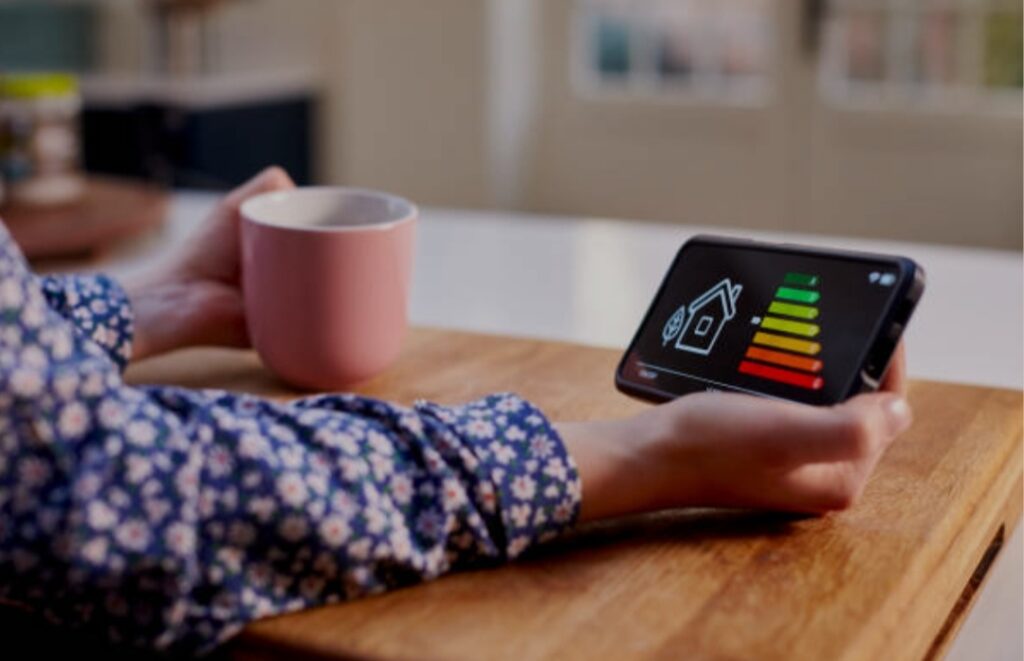
Install a Home Energy Gateway with Encryption 🔒
A home energy gateway acts as a bridge between your smart meter and your home network.
- It encrypts communication between the meter and utility provider.
- Adds an extra authentication layer before data leaves your home.
- Can integrate with other smart devices for centralized security.
👉 Think of it as a firewall dedicated to your energy data — ensuring no one intercepts your consumption records.
Use a Virtual Private Network (VPN) for Remote Access 🌐
If you access your utility account or smart home devices remotely, a VPN can make a huge difference.
- VPNs encrypt all traffic between your device and the utility server.
- They hide your IP address, making it harder for hackers to target you.
- Especially useful if you log in from public Wi-Fi networks.
Pro tip: Choose a VPN provider with strong encryption (AES-256) and a no-logs policy for maximum privacy.
Integrate AI-Powered Monitoring Tools 🤖
Cyberattacks on smart grids are becoming more sophisticated.
That’s why advanced users are turning to AI-driven security systems.
- AI can analyze real-time energy data for anomalies.
- Detects unusual consumption patterns that may indicate tampering.
- Sends instant alerts if suspicious activity is detected.
Some utility providers already offer AI-powered dashboards. If yours doesn’t, consider third-party IoT monitoring tools.
Segment Your Smart Home Network 🛡️
Most people connect all their devices — laptops, phones, cameras, and smart meters — to the same Wi-Fi.
This is risky.
- Hackers who compromise your meter could jump into other devices.
- By segmenting your network, you isolate IoT devices from critical devices (like work laptops).
How to do it:
- Set up a separate VLAN or guest Wi-Fi just for IoT devices.
- Keep smart meters, thermostats, and appliances on that network.
- Reserve your main network for secure browsing and sensitive data.
Enable End-to-End Encryption Where Possible 🔑
Some advanced meters and utility providers support end-to-end encryption (E2EE).
This ensures that only you and the utility company can read the data, making it useless to anyone who intercepts it.
- Ask your utility provider if they offer E2EE-enabled meters.
- If not, push for this feature — as regulations evolve, more companies are adopting it.
Consider Blockchain-Based Energy Security ⛓️
Blockchain technology is slowly making its way into the energy sector.
- Creates a tamper-proof record of energy usage.
- Enhances transparency between you and the utility provider.
- Prevents hackers from altering consumption data.
While still an emerging field, some regions already use blockchain for peer-to-peer energy trading and security.
Quick Advanced Security Checklist ⚡
For tech-savvy homeowners, here’s how to maximize smart meter protection:
- ✅ Install a home energy gateway with encryption
- ✅ Use a VPN when accessing accounts remotely
- ✅ Add AI-powered monitoring for real-time alerts
- ✅ Segment your smart home network (IoT vs. personal devices)
- ✅ Enable end-to-end encryption where available
- ✅ Explore blockchain-based solutions for future-proof security
👉 These advanced smart meter security tips will help you not only protect utility data but also prepare for the next generation of cyber threats.
Future of Smart Meter Security 🔮
The future of smart meter security is shaping up to be smarter, stronger, and more proactive than ever before.
As utility companies roll out next-generation meters, governments push for stricter regulations, and consumers demand more privacy, the way we protect utility data will evolve rapidly.
Let’s explore the key innovations and trends that will define the future of smart meter protection.
Artificial Intelligence Will Lead Cyber Defense 🤖
AI isn’t just for automation anymore — it’s becoming the backbone of digital security.
- AI-driven threat detection will allow smart meters to identify unusual patterns in real time.
- Smart algorithms will instantly flag energy spikes caused by tampering.
- Automated systems will shut down suspicious connections before hackers exploit them.
👉 With AI, consumers won’t have to rely only on manual monitoring — the meter itself will act as a first line of defense.
Blockchain for Tamper-Proof Utility Data ⛓️
Blockchain technology is expected to play a huge role in securing utility data.
- Every energy transaction is logged in a decentralized ledger, making it impossible to alter.
- Prevents fraud by ensuring consumption data is transparent and immutable.
- Could enable peer-to-peer energy trading with built-in security.
This means hackers won’t be able to manipulate billing or usage reports without detection.
Stronger Government Regulations and Standards 📜
As cyberattacks on critical infrastructure grow, governments worldwide are stepping in.
- The EU, US, and Asia-Pacific regions are drafting laws that require utilities to enforce strict encryption standards.
- Compliance checks will soon ensure every smart meter follows minimum cybersecurity protocols.
- Failure to meet these standards may result in penalties for utility providers.
This shift ensures that consumers don’t have to rely only on personal smart meter security tips, but also benefit from industry-wide protection.
Consumer Awareness and Proactive Security 🧑💼
Even with advanced technology, human awareness remains key.
- Consumers will receive more transparent reports about data collection.
- Utility companies will start offering built-in security dashboards for monitoring.
- Cybersecurity education campaigns will teach households how to apply a smart meter hack fix if issues arise.
The empowered consumer will become just as important as technology itself.
Integration with Smart Cities and IoT
Future smart meters won’t just connect to your home — they’ll integrate with entire smart cities.
- Shared energy grids will require cooperative cybersecurity frameworks.
- IoT-based monitoring systems will protect thousands of meters at once.
- Predictive analytics will ensure cyber resilience across neighborhoods.
This interconnected future highlights why securing one device is not enough — collective protection will be the new standard.
What This Means for You 🚀
The future is both exciting and challenging.
- You’ll benefit from smarter, self-protecting meters.
- Data will become more private and transparent thanks to blockchain.
- Governments and utility providers will take on bigger roles in cybersecurity.
👉 But remember: your role matters too. The smartest technology can only do so much if users don’t take basic precautions.
That’s why applying the right smart meter security tips today is the best way to prepare for tomorrow.
Conclusion ✅
Securing your smart meter is no longer optional — it’s a necessity.
As digital threats grow more advanced, ignoring security leaves your household vulnerable to data breaches, electricity fraud, and privacy invasion.
But the good news is that with the right smart meter security tips, you can stay several steps ahead of hackers and safeguard your information.
Key Takeaways 🔑
- Smart meters bring convenience but also open doors to cyber risks.
- Applying basic protections like firmware updates, strong passwords, and secured Wi-Fi already reduces your risk dramatically.
- Advanced users can go further with VPNs, AI-powered monitoring, blockchain solutions, and network segmentation.
- If something feels off, don’t panic — applying a quick smart meter hack fix such as contacting your utility provider, resetting access, or replacing compromised devices can restore safety.
- The future of smart meter security will combine technology, regulations, and consumer awareness — meaning you play a vital role too.
Why Acting Now Matters ⚡
Cybercriminals won’t wait.
Every day, attackers are testing new ways to break into utility systems.
If you don’t take action now, your utility data could become the next easy target.
👉 Think of it this way: you wouldn’t leave your front door unlocked — so why leave your smart meter unprotected?
Your Next Steps 🚀
Here’s what you should do today to strengthen your smart meter’s defenses:
- ✅ Review the security tips in this guide and apply them immediately.
- ✅ Talk to your utility provider about advanced protection options.
- ✅ Set up a routine check on your meter and account for unusual activity.
- ✅ Explore tools like VPNs, firewalls, and AI-based monitors if you’re tech-savvy.
- ✅ Bookmark this page or share it with friends and family — because protecting your home means protecting your community too.
Final Thoughts 💡
The digital world is only getting more connected, and while that brings amazing convenience, it also calls for smarter security habits.
By staying informed, practicing safe digital habits, and using both basic and advanced security measures, you can enjoy the benefits of smart technology without the risks.
👉 Don’t wait for a cyberattack to happen — take control of your smart meter security today.
If you’re ready to level up your protection, check out recommended smart security tools that make safeguarding your home easy, affordable, and effective.
Your data is your power — protect it wisely. ⚡
You might also like :