

Introduction – The Shift Toward AI-Powered Browsers in 2025
The year 2025 marks a turning point in how we experience the internet.
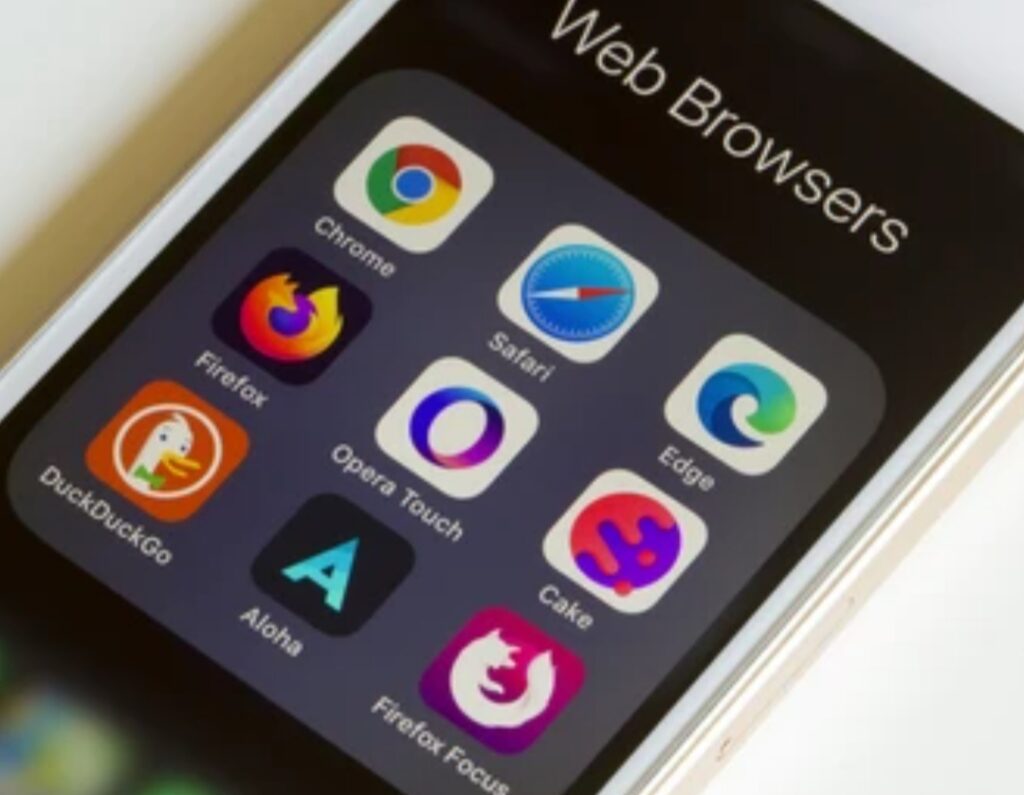
For decades, browsers like Google Chrome, Firefox, and Safari have dominated the market, shaping the way we search, work, and interact online.
But as technology evolves, users are demanding faster, smarter, and more secure browsing experiences—and that’s exactly where AI-powered browsers come into play.
Unlike traditional browsers, which mainly focus on speed and extension support, AI browsers in 2025 are designed to think, predict, and adapt to your needs in real-time.
They don’t just open websites—they analyze, summarize, and personalize your entire digital journey.
This shift has led many users to ask: “Should I stick with Chrome, or is it finally time to explore the best AI browsers available today?”
Why 2025 Is the Year of the AI Browser Revolution
Artificial Intelligence is no longer a futuristic concept—it’s the backbone of modern technology.
From ChatGPT-powered assistants to AI-driven search engines like Perplexity and You.com, consumers have already embraced AI in everyday life.
Now, this intelligence is being built directly into browsers, giving rise to a new category of AI browsers that challenge the dominance of Chrome.
In 2025, the browser is no longer just a “gateway to the web.”
It is becoming an AI-driven productivity hub—helping with tasks like:
- Summarizing long articles instantly.
- Generating content (emails, blog posts, and reports).
- Offering personalized recommendations based on your browsing history.
- Detecting and blocking malicious websites with AI-powered security.
- Streamlining multitasking with smart tab management.
This means the question is no longer “What browser loads faster?” but rather “Which browser helps me get more done with less effort?”
AI Browser vs Chrome – A Battle for the Future
For over a decade, Google Chrome has held the crown as the world’s most popular browser.
Its speed, simplicity, and integration with Google’s ecosystem made it the go-to choice for millions.
But in 2025, many users are questioning whether Chrome is still the best option.
Here’s why:
- AI Browsers in 2025 are embedding advanced tools like voice search, smart assistants, and integrated AI writing helpers directly into the browser.
- Chrome still relies heavily on third-party extensions, while AI browsers offer native AI features out of the box.
- Privacy-conscious users are increasingly turning to AI-driven browsers like Brave or Arc, which offer enhanced data protection compared to Chrome’s ad-focused model.
This AI browser vs Chrome debate is heating up because the differences are no longer just about speed—they’re about intelligence, personalization, and future-readiness.
The Growing Popularity of the Best AI Browsers in 2025
Several tech companies have already entered the race with powerful AI-enhanced browsers.
For instance:
- Arc Browser is reinventing the browsing experience with AI-driven design and productivity features.
- Opera One has built-in AI assistants and sidebar tools that make multitasking effortless.
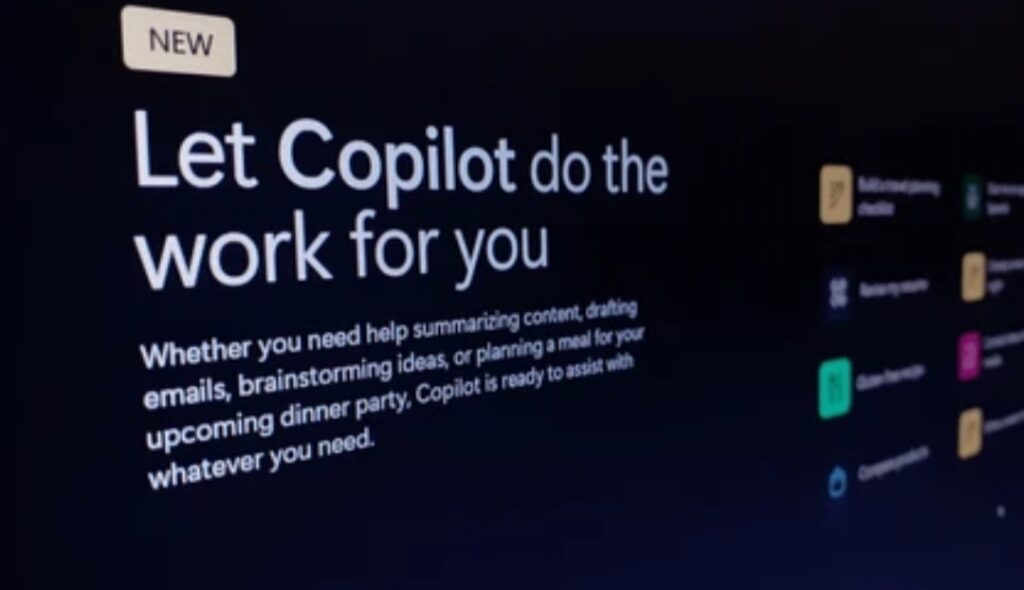
- Microsoft Edge with Copilot integrates AI deeply into search and research, helping users work smarter.
- Brave leverages AI while maintaining its core promise of privacy-first browsing.
These innovations explain why the best AI browsers in 2025 are quickly gaining attention as strong alternatives to Chrome.
They combine speed, intelligence, and user control, making them an attractive choice for professionals, students, and everyday users alike.
Why This Matters for You in 2025
The browser you choose isn’t just about surfing the internet anymore.
It directly impacts your productivity, online security, and even how much time you save daily.
If you’re:
- A student or researcher, AI browsers can summarize research papers instantly.
- A business professional, AI integration can help write emails, analyze data, or automate workflows.
- A casual user, AI can help you discover content tailored to your interests without endless searching.
This makes 2025 a year of choice.
Do you stay with the familiar Chrome, or do you experiment with the AI-powered browsers that promise a smarter way to browse?
Before diving into the detailed comparisons in this guide, it’s important to realize this: The future of browsing is no longer about speed alone—it’s about intelligence.
The internet is evolving, and so should the tools you use to navigate it.
👉 Don’t get left behind. Start exploring the best AI browsers in 2025 today and experience firsthand how different your browsing can be.
What is an AI Browser?
In simple terms, an AI browser is a next-generation web browser that integrates artificial intelligence tools directly into its core.
Unlike traditional browsers such as Chrome or Firefox, which rely heavily on add-ons and extensions, AI browsers in 2025 come with built-in features designed to enhance productivity, security, and personalization without extra downloads.
These smart browsers don’t just display websites—they actively analyze content, predict your browsing needs, and offer intelligent suggestions in real time.
For example, instead of manually skimming through a 2,000-word article, an AI browser can provide you with a quick summary, highlight the most important insights, and even suggest related sources for deeper research.

Core Features That Define AI Browsers
So, what makes an AI browser in 2025 different from Chrome or Safari?
Here are the key features that set them apart:
- ✅ AI-Powered Search and Summarization – Instead of only displaying search results, AI browsers can summarize entire articles, research papers, or web pages within seconds.
- ✅ Smart Content Generation – Some browsers allow you to draft emails, create blog posts, or even generate code using built-in AI assistants.
- ✅ Voice and Chat Integration – You can interact with your browser like you do with ChatGPT or Siri, asking it to find, explain, or even rewrite information instantly.
- ✅ Advanced Privacy and Security – AI can detect suspicious websites, phishing attempts, or trackers in real time, making browsing safer than ever.
- ✅ Personalized Recommendations – Instead of generic results, AI browsers adapt to your unique behavior and suggest content that’s more relevant to you.
- ✅ Smart Tab Management – AI automatically groups, organizes, and even closes unused tabs, preventing browser clutter.
These features make AI browsers not just a tool for browsing—but a personal digital assistant inside your browser window.
AI Browser vs Chrome – The Fundamental Difference
At first glance, you might wonder: “Isn’t this just another version of Chrome with AI extensions?”
Not quite.
The key difference lies in native integration.
- Chrome relies heavily on third-party extensions to add new features.
- AI browsers, on the other hand, are built from the ground up with AI as their foundation.
That means features like summarization, AI search, and voice interaction work seamlessly without slowing your browser down.
This makes the AI browser vs Chrome debate important—because one is built for the past, and the other is designed for the future of browsing in 2025.
Why AI Browsers Are More Than Just a Trend
Some people may assume that AI browsers are just another tech fad.
But the reality is much bigger.
The demand for personalized, secure, and productivity-driven browsing is at an all-time high.
Here’s why this matters:
- Over 60% of users say they struggle with information overload online.
- Students and professionals waste hours searching, filtering, and reading irrelevant content.
- Privacy concerns with mainstream browsers are pushing users toward AI-enhanced and privacy-first browsers.
- With AI integrated directly into the browser, users save time, increase efficiency, and gain more control over their browsing experience.
The growth of AI-powered browsing isn’t just about convenience—it’s about reshaping how humans interact with the web itself.
Examples of AI in Action Inside a Browser
To give you a clearer picture, here are a few real-world scenarios where an AI browser in 2025 proves its value:
- 📝 Writing & Productivity: Imagine you need to draft a professional email. Instead of switching to a separate AI tool, your browser can instantly generate a polished draft for you.
- 🔍 Research & Learning: When browsing a long scientific article, the browser can provide a summary, key points, and citations in seconds.
- 🛡️ Online Safety: AI continuously scans websites in the background, warning you of malware, trackers, or phishing attempts before you even click.
- 🎯 Personalized Browsing: Your AI browser can suggest relevant news, tools, or resources based on your current project—without you needing to search manually.
This level of built-in intelligence is what sets the best AI browsers in 2025 apart from everything we’ve seen before.
The Bottom Line – What Makes an AI Browser Different
At its core, an AI browser is not just about opening websites faster.
It’s about creating a smarter, safer, and more productive digital environment where the browser becomes an active assistant rather than a passive tool.
As you’ll discover in the following sections, this makes the AI browser vs Chrome discussion one of the biggest shifts in technology in years.
If you’ve been wondering whether switching to the best AI browsers in 2025 is worth it, the answer may surprise you.
👉 Pro Tip for Readers: Don’t wait until everyone else has switched.
Start exploring the best AI browsers today and get ahead of the curve while others are still stuck in outdated browsing habits.
The Best AI Browsers in 2025
Choosing the best AI browser in 2025 isn’t just about speed or design anymore.
It’s about finding a browser that fits your lifestyle, adapts to your habits, and enhances your productivity with the power of artificial intelligence.
Below, we’ll dive into the leading AI browsers available right now and see how they stack up against traditional options like Chrome.
This list includes both established tech giants and innovative newcomers that are rethinking the way we experience the web.

Arc Browser – Reinventing Browsing With AI
🌟 Why It Stands Out:
Arc is more than just a browser—it’s a complete reimagining of how people interact with the internet.
Unlike Chrome’s familiar tab system, Arc offers a sidebar-based navigation that’s cleaner, more organized, and powered by AI features to reduce clutter.
🔑 AI Features in Arc Browser:
- Smart tab grouping and auto-organization powered by AI.
- Content summarization tools that help you digest information faster.
- AI-driven productivity integrations for students, creators, and professionals.
- A sleek design that adapts to your workflow, not the other way around.
Arc is considered one of the best AI browsers in 2025 because it combines minimalist design with powerful intelligence, helping users spend less time managing tabs and more time focusing on actual work.
👉 Pro Tip: If you’re someone who always has 20+ tabs open, Arc’s AI will feel like a lifesaver.
Opera One – The AI-Powered Everyday Browser
🌟 Why It Stands Out:
Opera has always been known as an innovative alternative to mainstream browsers, and with Opera One, they’ve gone all-in on AI.
This browser is designed around modular design and built-in AI assistants, making it one of the easiest AI browsers to switch to.
🔑 AI Features in Opera One:
- Aria AI assistant built directly into the browser for search, writing, and answering questions.
- Sidebar integration for productivity apps like WhatsApp, Instagram, and Messenger.
- AI-powered tab islands for smart grouping of browsing sessions.
- Real-time AI summarization of web pages.
Opera One offers a balance of user-friendliness and AI enhancements, making it ideal for casual users who want AI tools integrated naturally into their daily browsing without a steep learning curve.
👉 Pro Tip: Opera One is perfect if you want an all-in-one browser with social apps, AI, and search tools all in one window.
Microsoft Edge with Copilot – AI Meets Productivity
🌟 Why It Stands Out:
Microsoft Edge may not have been a favorite years ago, but with the integration of Copilot (powered by OpenAI’s technology), it has become one of the top AI browsers in 2025 for work and research.
🔑 AI Features in Microsoft Edge:
- Copilot assistant for generating text, answering queries, and summarizing documents.
- Deep integration with Microsoft 365 apps like Word, Excel, and PowerPoint.
- AI-powered search improvements that deliver more precise results than standard Google searches.
- Security enhancements for detecting phishing, scams, and unsafe downloads.
Edge with Copilot is particularly useful for business professionals, students, and researchers who want AI integrated directly into their workflow.
It’s not just an AI browser—it’s a work assistant disguised as a browser.
👉 Pro Tip: If you already use Microsoft Office or Teams, Edge with Copilot is a natural choice.
Brave Browser with AI – Privacy Meets Intelligence
🌟 Why It Stands Out:
Brave has always positioned itself as the privacy-first browser, and in 2025, it has doubled down by adding AI integrations without compromising user security.
It’s one of the best AI browsers for people who don’t trust big tech companies but still want the benefits of AI.
🔑 AI Features in Brave Browser:
- Leo AI assistant built into the browser for content generation, summaries, and coding help.
- AI-enhanced ad-blocking and anti-tracking features.
- Private AI-driven search that doesn’t compromise data.
- Faster performance by removing unnecessary trackers and scripts.
Brave is the go-to choice for users who want AI assistance without sacrificing privacy or speed.
👉 Pro Tip: If online privacy is your biggest concern, Brave is one of the safest yet smartest options.
Upcoming and Experimental AI Browsers in 2025
Beyond the big names, several experimental AI browsers are emerging in 2025.
These may not be mainstream yet, but they’re pushing boundaries:
- SigmaOS – Designed for multitaskers, with AI-powered workflow automation.
- Sidekick Browser – A productivity browser with AI that helps organize tasks and projects.
- You.com Browser – Built around an AI-driven search engine, giving you personalized results instantly.
These browsers show that the AI browser market is just getting started, and competition will only make the technology better.
Quick Comparison – Best AI Browsers vs Chrome
Here’s a simple AI browser vs Chrome breakdown:
- Chrome – Fast, familiar, but heavily dependent on extensions.
- Arc – Sleek, productivity-focused, AI-powered tab management.
- Opera One – Beginner-friendly with built-in AI assistants.
- Microsoft Edge with Copilot – Best for students & professionals.
- Brave – Best for privacy-conscious users who still want AI features.
Final Thoughts on the Best AI Browsers in 2025
The best AI browsers are no longer niche tools—they are mainstream alternatives that challenge Chrome’s dominance.
Whether you care about productivity, privacy, or seamless AI integration, there’s now a browser tailored for your needs.
Don’t wait for the future—start testing the best AI browsers in 2025 today and see how much smarter your browsing can be.
AI Browser vs Chrome – A Head-to-Head Comparison
When it comes to choosing a browser in 2025, one of the biggest debates is AI browser vs Chrome.
For years, Google Chrome has been the undisputed leader of the browsing world.
Its speed, simple interface, and integration with the Google ecosystem made it the default choice for millions.
But with the rise of AI browsers in 2025, the competition has changed.
AI browsers are no longer “just alternatives.” They are smarter, faster, and more personalized than ever before.
So the question becomes: Should you stay with Chrome, or is it time to switch to one of the best AI browsers in 2025?
Let’s break down the direct comparison across the most important categories.

Performance and Speed – Does AI Make Browsing Faster?
- Chrome: Known for speed, but often criticized for high memory (RAM) usage. Multiple tabs slow down performance, especially on older devices.
- AI Browsers: Built with smarter resource allocation. Many, like Arc and Brave, use AI-driven tab management that reduces system strain.
👉 Verdict: Chrome is still fast, but AI browsers are catching up—and in many cases, they’re faster for multitaskers because AI optimizes background processes.
Personalization and Productivity – AI Browsers Take the Lead
- Chrome: Offers personalization mainly through extensions and Google account syncing. Productivity requires manual add-ons like Grammarly or Notion web clippers.
- AI Browsers: Come with native AI assistants (e.g., Opera’s Aria, Edge’s Copilot, Brave’s Leo) that help with:
- Writing emails.
- Summarizing documents.
- Recommending useful content.
- Automating repetitive tasks.
- Writing emails.
👉 Verdict: AI browsers in 2025 win big here. They transform the browser into a productivity hub instead of just a window to the web.
Privacy and Security – AI Browsers Challenge Chrome’s Weak Spot
- Chrome: Integrates deeply with Google’s advertising ecosystem, which means user data collection is a core part of its business model. While safe from malware, privacy is a common concern.
- AI Browsers: Brave and Arc prioritize privacy-first AI browsing, with built-in ad blockers and AI that scans sites for phishing or malicious scripts in real time.
👉 Verdict: For security-conscious users, AI browsers are the better choice in 2025. Chrome lags behind in this category due to its dependence on data tracking.
Ecosystem and Compatibility – Chrome Still Holds Power
- Chrome: Seamlessly integrates with Google’s ecosystem (Docs, Drive, Gmail, YouTube). Extension library is massive and unmatched.
- AI Browsers: Still growing. While Edge and Opera have decent compatibility, others like Arc may not yet support every extension or app you rely on.
👉 Verdict: Chrome is still king of compatibility. If you rely heavily on Google services, it remains the more convenient option.
User Experience – The Future vs The Familiar
- Chrome: Familiar, clean, and stable. But innovation has slowed, and most features feel the same as they did five years ago.
- AI Browsers: Offer fresh, futuristic designs with sidebars, modular layouts, and AI-driven UX improvements. This may feel unfamiliar at first, but many users find it more efficient once they adjust.
👉 Verdict: If you value innovation and future-proof features, AI browsers in 2025 deliver a better user experience.
Side-by-Side Quick Comparison
| Feature | Chrome | AI Browsers (2025) |
| Speed & Performance | Fast, but heavy on RAM | Smart tab management, optimized AI performance |
| Productivity | Requires extensions | Built-in AI assistants & automation |
| Privacy & Security | Strong security, weak privacy | AI-powered security + privacy-first design |
| Ecosystem | Best for Google users | Still growing, less extension support |
| User Experience | Familiar, traditional | Modern, AI-driven, customizable |
Final Verdict – Should You Switch in 2025?
The battle of AI browser vs Chrome comes down to your priorities:
- ✅ If you value familiarity, Google integration, and extension support, Chrome is still a safe choice.
- ✅ If you want smarter browsing, built-in AI productivity tools, and stronger privacy, the best AI browsers in 2025 are worth switching to.
Bottom Line: AI browsers aren’t just hype. They represent the future of browsing—faster, more intelligent, and designed to help you do more online with less effort.
Don’t just read about it—download a best AI browser 2025 today and test it side-by-side with Chrome. You’ll instantly feel the difference.
Key Features of AI-Powered Browsers
The evolution of AI browsers in 2025 is defined by one thing: powerful, built-in features that go far beyond what traditional browsers like Chrome or Firefox offer.
Instead of relying on dozens of third-party extensions, AI-powered browsers come with intelligent tools already integrated into the browsing experience. These features make your online activity faster, safer, and more personalized than ever before.
Let’s break down the key features that set the best AI browsers apart from the rest.
1. Smarter, AI-Driven Search
Traditional search engines show you a list of links.
AI browsers, on the other hand, analyze your query and deliver direct answers, summaries, and insights—cutting down the time you spend digging through multiple websites.
✅ Example: Instead of searching “top 10 productivity tips” and scrolling through endless blogs, your AI browser instantly summarizes the best strategies and even suggests personalized methods based on your browsing history.
This makes AI browser vs Chrome comparisons striking—while Chrome relies heavily on Google Search results, an AI browser anticipates your intent and adapts in real time.
2. Built-in AI Assistants
One of the standout features of an AI browser in 2025 is the integration of virtual assistants directly into the browser interface.
- 💬 Chat-based assistants (like ChatGPT, Claude, or Gemini) are available in-browser to answer questions.
- 📖 Text summarizers condense long articles into digestible highlights.
- ✍️ Writing tools help you draft emails, social media posts, or even research papers.
- 🌎 Language translators now work instantly with AI accuracy, not just word-for-word conversions.
This is a massive leap from Chrome, which requires installing multiple extensions to achieve the same results.
3. Personalized Browsing Experience
AI-powered browsers are not “one-size-fits-all.”
They learn your habits, preferences, and patterns—then deliver content that is most relevant to you.
For instance:
- If you’re a student, your AI browser might suggest academic resources or citation tools.
- If you’re a business owner, it might prioritize SEO data, market insights, or competitor analysis tools.
- If you’re a casual user, it could recommend entertainment, news, or social platforms you love.
This personalization makes best AI browsers stand out as more than just search engines—they feel like your personal digital companion.
4. Enhanced Privacy and Security
With data privacy being one of the biggest concerns in 2025, many users are drawn to AI browsers because of their security-first approach.
Unlike Chrome, which is notorious for tracking user data, AI browsers often include:
- 🚫 Built-in ad-blockers to remove intrusive ads.
- 🛡️ Phishing and scam detection powered by AI algorithms.
- 🔐 Stronger encryption features to protect sensitive information.
- 👤 Anonymous browsing modes that limit tracking from third-party sites.
For users who value online privacy, this makes AI browsers an attractive alternative to mainstream options.
5. Multitasking & Productivity Tools
AI browsers are built with productivity in mind.
Instead of opening 20 tabs and switching between apps, you can:
- Organize research into smart workspaces.
- Use AI note-taking tools while browsing.
- Get task reminders and scheduling integration directly in the browser.
- Collaborate in real-time with shared AI workspaces for teams.
This is especially useful for remote workers, digital nomads, and students who need smarter digital tools to stay efficient.
6. Real-Time Content Summarization & Fact-Checking
One of the most powerful features of AI browsers in 2025 is the ability to instantly:
- Summarize long web pages into key points.
- Fact-check news articles to detect misinformation.
- Highlight critical insights for faster decision-making.
For example, instead of spending an hour reading a 20-page PDF, your AI browser condenses it into a 2-minute summary—saving you time and boosting productivity.
7. Seamless Integration with AI Ecosystems
Many best AI browsers are designed to work seamlessly with other AI tools you already use.
- Integration with cloud storage for instant file access.
- Sync with AI note-taking apps like Notion or Evernote.
- Built-in connection to smart assistants such as Alexa or Google Assistant.
This creates a fully connected AI ecosystem that traditional browsers simply can’t match.
8. Continuous Learning and Updates
Unlike traditional browsers that rely on static updates, AI browsers are constantly evolving.
They learn from user interactions and get smarter with time.
That means your AI browser in January 2025 might be noticeably more advanced by the end of the year—without you ever needing to install anything new.
Final Thoughts on Key Features
The AI browser 2025 is no longer just about browsing—it’s about transforming your digital life into a smarter, faster, and more secure experience.
With smarter search, AI assistants, personalization, and advanced privacy features, these browsers clearly stand out when comparing AI browser vs Chrome.
👉 If you’re still using a traditional browser, you’re missing out on the revolutionary benefits that the best AI browsers in 2025 bring to the table.
Don’t just take our word for it—download and explore AI-powered browsers today. Experience the difference and see why millions of users are switching in 2025.
Benefits of Using AI-Powered Browsers
Switching to an AI browser in 2025 isn’t just about trying something new—it’s about unlocking a smarter, faster, and safer way of using the internet.
The benefits go far beyond traditional browsing and provide a clear advantage when comparing AI browser vs Chrome or other standard options.
Here’s why millions of people are considering a switch.
1. Save Time with Smarter Search Results
One of the biggest benefits of AI browsers is time efficiency.
Instead of spending hours scrolling through search results, your AI browser uses advanced algorithms to understand your intent and present the most relevant answers instantly.
✅ For example:
- Need a quick summary of a research paper? Your AI browser condenses it into digestible points.
- Looking for the best AI browsers on the market? Instead of browsing 10 review sites, it gives you a ranked list with pros and cons.
This makes online research, learning, and decision-making far quicker than with traditional browsers.
2. Enhanced Productivity for Work and Study
Whether you’re a student, freelancer, or business professional, productivity is key.
AI-powered browsers are designed with built-in tools that eliminate distractions and streamline workflow.
- 📑 Summarization tools help you grasp long documents in seconds.
- 🖋️ AI writing assistants support content creation, emails, or reports.
- 📅 Calendar and task integrations keep your schedule organized.
- 📊 Data insights allow faster analysis of market trends or academic research.
In comparison, Chrome and other traditional browsers often require multiple extensions and third-party apps to achieve the same results—slowing you down instead of speeding you up.
3. Better Online Security and Privacy
In today’s digital world, privacy matters more than ever.
An AI browser in 2025 is equipped with built-in security layers that protect you from:
- 🛡️ Phishing scams
- 🚫 Malicious websites
- 🔐 Data theft attempts
- 📢 Annoying trackers and intrusive ads
Unlike Chrome, which collects user data to fuel advertising, many best AI browsers prioritize user trust and transparency.
This means you enjoy a safer browsing experience with greater control over your personal information.
4. Personalized Browsing Experience
AI browsers are built to learn from you.
They adapt to your reading style, interests, and daily habits, ensuring your browsing experience feels tailored to your needs.
- Love tech? Your browser highlights the latest AI breakthroughs.
- Interested in finance? It surfaces the newest stock and crypto insights.
- Want lifestyle content? You’ll see curated blogs, news, and videos.
This level of personalization is something traditional browsers like Chrome can’t match without heavy customization.
5. Reduced Information Overload
We live in the age of information overload.
The internet is flooded with blogs, videos, social media updates, and ads—all competing for attention.
An AI browser in 2025 helps cut through the noise by:
- Filtering low-quality or irrelevant results.
- Highlighting key facts from long reads.
- Offering distraction-free reading modes.
This allows you to consume information more efficiently—without feeling overwhelmed.
6. Seamless Multitasking and Collaboration
Another major benefit of AI browsers is how well they support multitasking.
Instead of juggling dozens of tabs, your browser can group them into smart categories, create workspace layouts, and even allow real-time collaboration with team members.
This is a game-changer for remote workers, online students, and digital entrepreneurs.
Chrome may be fast, but when comparing AI browser vs Chrome, the AI option is better optimized for multitasking and collaboration.
7. Continuous Learning and Evolution
Unlike static browsers, AI-powered ones keep getting smarter.
They learn your preferences, adapt to your usage, and roll out new features automatically.
This means your browsing experience improves the more you use it—something that traditional browsers can’t replicate at the same level.
8. Increased Focus and Reduced Distractions
Thanks to AI-driven focus modes, you can browse without unnecessary interruptions.
The browser hides irrelevant content, blocks time-wasting sites, and helps you stay focused on tasks that matter.
This makes AI browsers especially useful for students and professionals who need deep work sessions without digital noise.
Final Thoughts on Benefits
The benefits of using an AI browser in 2025 are clear: faster answers, stronger privacy, tailored browsing, and a major boost in productivity.
When weighing AI browser vs Chrome, it’s no longer just about speed or design—it’s about having a smarter digital assistant built directly into your browser.
👉 If you’re still unsure, the best way is to test-drive one of the best AI browsers today. Try an AI browser now and experience the difference for yourself.
Don’t let outdated technology slow you down. Upgrade to an AI browser in 2025 and transform how you use the internet.
Why AI-Powered Browsers Are Becoming the Future of the Web
The internet is evolving at lightning speed, and so are the tools we use to access it.
Traditional browsers like Chrome, Safari, and Firefox have dominated for years, but 2025 marks a turning point where AI browsers are no longer just a novelty — they are becoming a necessity.
The Shift from Traditional Browsers to AI Browsers
For decades, browsers have acted like windows to the web. They allowed users to search, browse, and bookmark websites.
However, they were mostly passive tools.You had to know what you were looking for, type it in, and manually sift through search results.
An AI browser 2025 changes this dynamic completely.
Instead of you adapting to the browser, the browser adapts to you.
It uses AI-driven features like predictive search, personalized recommendations, voice interactions, and context-aware suggestions.
This transforms browsing into a smart, proactive, and assistant-like experience.
What Makes AI Browsers Different?
When people ask, “What’s the difference between an AI browser vs Chrome?”, the answer is simple: intelligence.
While Chrome is fast and reliable, it’s still built around traditional search and manual navigation.
An AI browser, on the other hand, integrates machine learning, natural language processing, and personalization to create a seamless experience.
Some core differences include:
- 🔍 Smarter Search – Instead of only showing links, AI browsers summarize answers instantly.
- 🤖 Built-in AI Assistants – You don’t need ChatGPT or extensions; the AI is native.
- 📊 Personalization – AI remembers your habits, reading style, and even your goals.
- ⏳ Time-Saving Features – Summaries, auto-filling, and smart shortcuts reduce browsing effort.
- 🔐 Security & Privacy Upgrades – Some AI browsers focus heavily on blocking trackers and malicious sites automatically.
In short, AI browsers are active partners, while Chrome and others remain passive tools.
Why 2025 Is the Right Time for AI Browsers
The timing of AI browser adoption isn’t random.
Several trends in 2025 make this shift inevitable:
- 📈 Exploding AI Use in Everyday Apps – From AI note-taking to smart assistants, people are ready to extend AI into browsing.
- ⚡ Faster Internet & Cloud AI – With better connectivity, AI responses are instant.
- 🔒 Rising Privacy Concerns – Users want control over their data, and AI browsers promise built-in privacy-first features.
- 💼 Work & Productivity Demands – Professionals need smarter browsers that save time, not just open tabs.
- 🎯 Competition Among Tech Giants – Microsoft, Opera, Brave, and even start-ups are releasing AI-powered browsers, giving users multiple choices.
2025 is not about asking if AI browsers are coming.
It’s about asking which one will dominate.
👉 Pro Tip: If you’re still relying only on Chrome or Safari, you may be missing out on productivity boosts and smart tools that could change your daily internet usage forever.
Don’t just browse — let AI browse for you. Check out best AI browsers 2025 to discover the top picks and see which one fits your lifestyle best.
Future of AI Browsing Beyond 2025 🌍✨
The year 2025 is just the beginning of the AI browser revolution.
While today’s best AI browsers are already transforming the way we search, learn, and interact online, the next five to ten years will bring even more groundbreaking innovations.
AI browsers won’t just be tools — they will evolve into intelligent digital companions that understand context, emotions, and even your goals.
Let’s explore what the future of AI browsing beyond 2025 could look like and why this evolution matters to every internet user.
Browsers That Think Ahead with Predictive AI 🤖
Imagine a browser that doesn’t just respond to your commands, but anticipates what you need.
Future AI browsers could:
- Suggest the right website before you even search.
- Auto-generate documents, reports, or presentations based on your research.
- Track your online learning progress and recommend resources tailored to your growth.
- Plan tasks automatically (e.g., after booking a flight, your browser adds the trip to your calendar and suggests nearby hotels).
This level of predictive browsing will blur the line between a search engine and a personal assistant.
Hyper-Personalized Browsing Experiences 🎯
While today’s AI browsers adapt to browsing history, beyond 2025 they could personalize at a much deeper level.
Expect features such as:
- Browsers that adapt their interface design based on your mood and productivity.
- Emotion-aware AI that notices if you’re frustrated with search results and offers alternative approaches.
- Browsing recommendations based not only on past habits but also future goals you’ve set (e.g., learning coding, planning investments, or researching health tips).
This takes AI browser vs Chrome comparisons to another level, since Chrome cannot adapt to you in such a personalized way.
Seamless Integration with AR, VR, and Metaverse 🌐🕶️
The future web won’t just be flat websites.
It will be immersive, interactive, and multi-dimensional.
AI browsers beyond 2025 are likely to become portals into the metaverse and augmented reality experiences.
For example:
- Instead of reading a travel guide, your browser could launch a VR tour of Paris.
- Shopping online could mean trying on clothes virtually before buying.
- Online meetings may integrate directly with browsing tools, allowing you to pull up data, presentations, or research inside a virtual workspace.
This will redefine browsing — moving from passive reading to immersive exploration.
Stronger Privacy, Security, and Decentralization 🔐
As online privacy concerns continue to grow, AI browsers beyond 2025 will likely focus on:
- Decentralized browsing with blockchain-based data protection.
- AI-driven security that constantly learns and adapts to new cyber threats.
- Complete user-owned browsing data, where you decide what to share, with whom, and for how long.
This is a critical step forward because users are becoming more aware of how much data Chrome and other traditional browsers collect.
Browsers as Digital Co-Pilots for Work and Life 🧑💻
By 2030, AI browsers may function more like co-pilots than search engines.
They’ll not only help you browse, but also:
- Draft professional emails.
- Automate repetitive online tasks.
- Generate personalized learning paths.
- Offer real-time translations across video calls and web conferences.
- Help entrepreneurs with business research, financial forecasting, and competitor analysis right inside the browser.
This will make AI browsers indispensable not just for casual users, but also for professionals, students, and businesses.
The End of Traditional Browsers? ❌
The big question many ask is: Will AI browsers completely replace Chrome, Firefox, and Safari?
While Chrome is still widely used, if AI browsers continue to evolve at this pace, it’s possible that traditional browsers may fade into the background, becoming secondary tools for those who resist change.
In fact, the AI browser vs Chrome debate may not even exist in the future — because AI-powered tools will simply become the default browsing experience.
👉 Final Thought: The future of AI browsing beyond 2025 will redefine how humans and technology interact.
It won’t just be about “searching faster.”
It will be about living smarter online — where your browser thinks, adapts, and evolves with you.
The shift has already begun. Don’t wait until you’re left behind — explore AI browser 2025 options today and experience the future before it becomes mainstream.
Conclusion – Should You Switch to an AI Browser in 2025? 🚀
The rise of AI browsers in 2025 marks one of the biggest shifts in how we interact with the internet since the creation of Google itself.
What was once just a simple tool for opening websites has now transformed into a smart, intuitive, and personalized digital companion.
If we compare AI browser vs Chrome, the difference is clear:
- Chrome is fast, reliable, and familiar — but it is still a traditional, passive browser.
- AI browsers, on the other hand, are active partners.
They can summarize content, predict your needs, enhance security, and even integrate voice and productivity tools that save you hours every week.
Looking beyond 2025, AI browsers are set to evolve even further with predictive browsing, VR/AR integration, stronger privacy protections, and hyper-personalized experiences.
This means making the switch now isn’t just about convenience — it’s about future-proofing your digital life.
Who Should Make the Switch Now?
- 💼 Professionals who want smarter tools to boost productivity.
- 🎓 Students & Researchers who need quick, accurate summaries.
- 🔒 Privacy-conscious users who want more control over data.
- 🚀 Early adopters who don’t want to get left behind when the web shifts completely to AI-first browsing.
Final Verdict
The internet is no longer just about searching.
It’s about thinking, adapting, and creating alongside AI.
Whether you’re a casual user, a professional, or a business owner, making the move to one of the best AI browsers 2025 could be the smartest digital decision you make this year.
Don’t stick with outdated browsing habits. Upgrade today and discover the power of best AI browsers 2025 — experience a smarter, faster, and more secure way to explore the web.
Still wondering about AI browser vs Chrome? Test one for a week — you’ll quickly see why millions are already making the switch.
You might also like :