
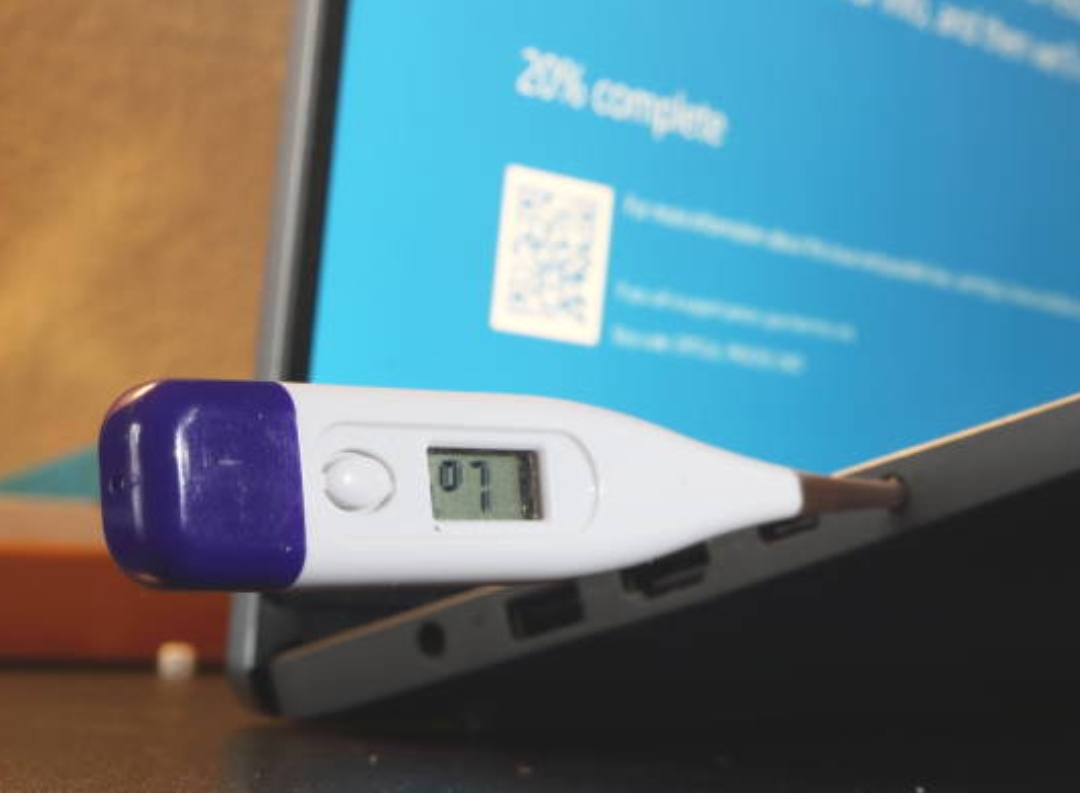
🔥 Introduction – Why You Must Protect Your Laptop from Overheating
In today’s digital age, laptops are no longer a luxury — they’re a lifeline.
From remote work and online classes to gaming, video editing, and streaming, laptops power our everyday lives.
But with great performance comes a hidden danger: overheating.
Overheating is a silent killer for laptops.
It slows down your device, damages internal components, and can even lead to total system failure if ignored.
That’s why learning how to protect your laptop from overheating is not optional — it’s essential for every laptop owner.
Whether you’re using a high-performance gaming laptop or a sleek ultrabook, the threat remains the same.
When your laptop operates beyond safe temperature limits, its fans have to work overtime.
That not only drains battery faster but also accelerates hardware wear and tear.
📌 Did You Know?
Heat is one of the leading causes of laptop lifespan reduction.
Many users mistakenly believe that occasional heat is “normal,” but constant overheating drastically shortens your laptop’s usable life.
In this guide, we’ll walk you through the top expert-approved tips to protect your laptop from overheating in 2025 and beyond.
We’ll show you what causes overheating, how to prevent it, and what tools and accessories you can use to stay in the safe zone.
This post is packed with real-world tips, updated methods, and practical advice for beginners and techies alike.
We’ll also share advanced techniques used by IT professionals to reduce heat buildup before it becomes a costly problem.
💡 Whether you’re asking yourself “How can I protect my laptop from overheating?” or you’re simply looking for smart, reliable solutions, this article has all the answers.
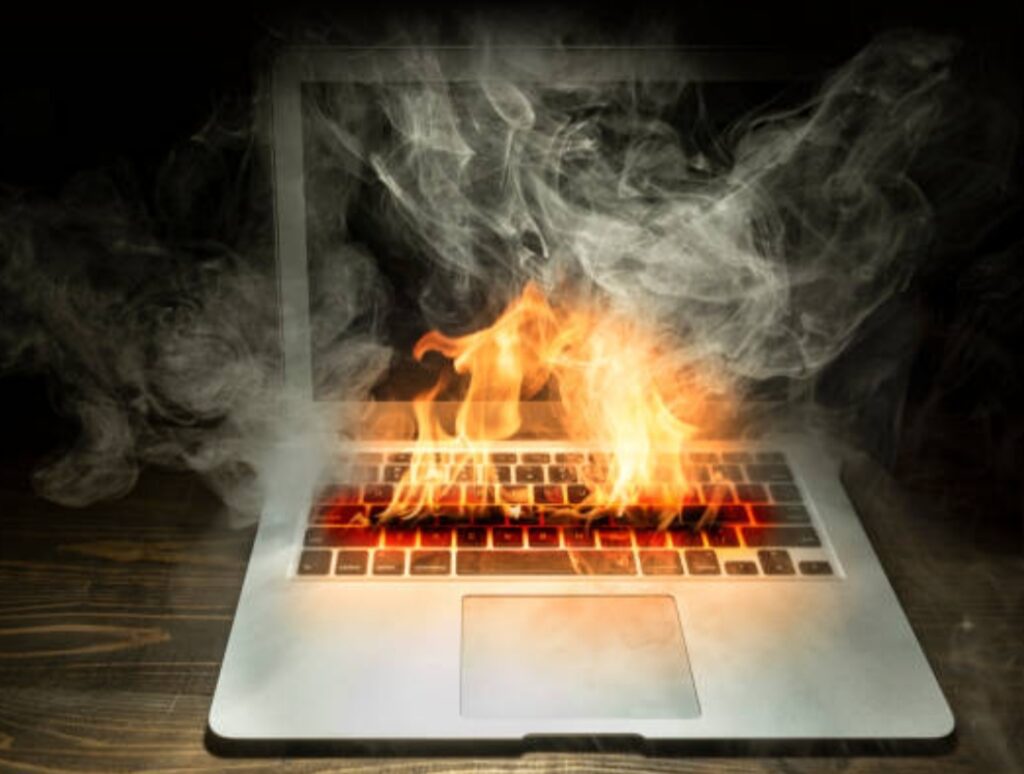
🚀 What You’ll Get From This Guide:
- 🔧 Clear, step-by-step solutions to prevent overheating
- 📈 Tips to improve performance and battery life
- 🧠 Expert-level advice explained in plain English
- 💸 Ways to avoid expensive laptop repairs
If you’re serious about extending the life of your laptop and improving its efficiency, then this guide is for you.
📢 Don’t wait for your device to crash before taking action.
Scroll down and start learning the secrets to a cooler, faster, and more reliable laptop experience.
➡️ Take control today — your laptop (and your wallet) will thank you.
🔍 Understanding Laptop Overheating: Causes and Consequences
Laptop overheating isn’t just a minor annoyance — it’s a warning sign that something is seriously wrong.
To fully grasp how to protect your laptop from overheating, you must first understand why it happens and what can go wrong if you ignore it.
Let’s break it down.
⚠️ What Causes Laptop Overheating? (Top Triggers You Should Know)
Overheating happens when your laptop generates more heat than its cooling system can manage.
While some heat is expected during use, excessive or prolonged heat can lead to permanent damage.
Here are the main causes of laptop overheating in 2025:
- 🔄 Blocked Air Vents and Poor Airflow
When vents are obstructed (by soft surfaces like beds, pillows, or laps), heat has no escape route.
This traps hot air inside your laptop and suffocates your cooling system. - 🧹 Dust Buildup in Internal Fans and Heatsinks
Dust acts like a thermal insulator.
Over time, it clogs fans, reduces airflow, and causes your device to overheat more frequently.
This is one of the most overlooked issues and is especially common in older laptops. - 🎮 Heavy Multitasking or Resource-Intensive Programs
Running high-performance tasks like video editing, gaming, or using virtual machines pushes your CPU and GPU to their limits.
This leads to rapid heat accumulation, especially when you have multiple browser tabs and background apps running. - 🌡️ High Ambient Temperature or Direct Sunlight
Using your laptop outdoors or in a poorly ventilated room raises the baseline temperature.
This puts additional stress on the laptop’s thermal system. - 🔋 Failing Thermal Paste or Inadequate Cooling Design
Over time, the thermal paste that helps transfer heat from the processor to the heatsink can dry out or degrade.
Some thin laptops also lack sufficient ventilation by design, which can worsen overheating issues. - 💾 Malware or Background Processes
Viruses and bloatware may cause constant background CPU usage, generating unnecessary heat.
💣 Consequences of Overheating: Why You Must Act Fast
Now that you know the causes, let’s talk about what’s at stake.
Overheating isn’t just an inconvenience — it’s a performance and lifespan killer.
Here’s what can happen if you don’t protect your laptop from overheating:
- 🧠 System Throttling and Slow Performance
Modern CPUs automatically slow down to avoid damage when temperatures rise too high.
This means lag, freezes, and painfully slow load times. - 💥 Frequent Shutdowns or Blue Screen Errors (BSOD)
If temperatures spike suddenly, your system may shut down without warning to prevent damage.
You might lose important files or work in progress. - 🛑 Permanent Hardware Damage
Prolonged heat exposure can warp your motherboard, damage internal chips, or melt plastic components.
Replacing damaged parts can be extremely expensive — and often not worth it for older models. - 🔋 Shorter Battery Life
Heat negatively affects battery chemistry.
Overheated batteries degrade faster, leading to reduced charging capacity and lifespan. - 📉 Reduced Laptop Lifespan
The more frequently your laptop overheats, the shorter its usable life.
What could’ve lasted 5-7 years might break down within 2-3 years. - 🔥 Fire Hazard (Rare but Possible)
In extreme cases, overheating can cause batteries to swell or explode, especially in laptops with faulty lithium-ion cells.
🧠 The Science Behind Laptop Overheating (For Tech Lovers)
When your laptop is in use, it generates heat through its processor (CPU), graphics card (GPU), and internal components.
The thermal system — which includes fans, heat pipes, and vents — is designed to dissipate this heat.
But if the heat is produced faster than it can be expelled, internal temperatures rise.
Once your internal sensors detect temperatures above the safe range (usually 70–90°C), your system may throttle performance or shut down altogether to avoid catastrophic failure.
📢 Quick Tip:
Use free monitoring software like HWMonitor, Speccy, or Core Temp to check your internal temps in real time.
If your CPU or GPU is regularly hitting above 85°C during normal use, that’s a red flag that demands immediate attention.
🛠️ Why You Need to Understand This First
Before we dive into the top ways to protect your laptop from overheating, it’s crucial to identify the root causes.
That way, you can address the problem effectively instead of applying short-term fixes.
📌 Knowing what triggers overheating = Knowing how to prevent it.
✅ Takeaway
Understanding the causes and consequences of overheating is the foundation of protecting your device.
Now that you know what to look out for, let’s move into the next section — practical, proven tips to stop overheating before it ruins your laptop.
➡️ Ready to take back control of your laptop’s health and performance?
Keep reading and start applying these powerful techniques today.
💡 Effective Strategies to Protect Your Laptop from Overheating
Now that you know what causes overheating and the risks involved, it’s time to take action.
These battle-tested strategies will show you exactly how to protect your laptop from overheating — whether you’re working, gaming, or streaming on the go.
Apply these proven solutions today to keep your device cool, efficient, and long-lasting.
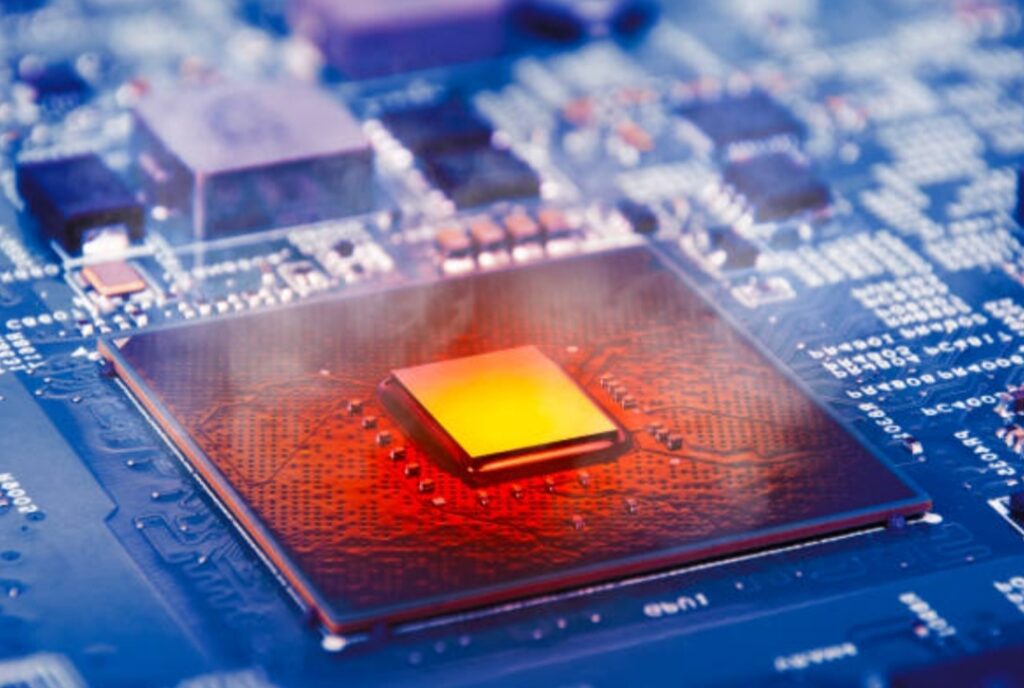
🧼 Keep Air Vents Clear and Clean (Your Laptop’s First Line of Defense)
Your laptop’s cooling system relies heavily on airflow.
When dust and debris block the intake or exhaust vents, it becomes impossible for hot air to escape.
Here’s how to fix that:
- ✅ Place your laptop on a hard, flat surface — not on beds, cushions, or your lap
- ✅ Clean air vents weekly with a soft brush or compressed air
- ✅ Use a small vacuum to gently remove internal dust if accessible
- ✅ Avoid using the device near dusty environments or pets
🛑 Avoid this mistake:
Don’t use sharp objects like pins or screwdrivers to clean vents — you might damage internal fans.
👉 Keeping vents open allows your laptop to “breathe,” significantly reducing internal temperature.
🧊 Invest in a High-Quality Cooling Pad
A cooling pad is an affordable and highly effective tool to combat overheating.
It’s designed to improve airflow and cool the bottom of your laptop — where most heat is trapped.
What to look for in a cooling pad:
- 🌬️ Dual or triple high-RPM fans
- 💡 Adjustable height/angle for ergonomics
- 🔇 Quiet operation
- 💪 Sturdy build quality for long-term use
Pro Tip:
Look for a cooling pad with USB pass-through so you don’t lose a port while using it.
💡 A small investment in a quality cooling pad can prolong your laptop’s life by years.
🛠️ Optimize Software and Close Background Programs
Too many running processes = more CPU usage = more heat.
Follow these steps to reduce unnecessary workload:
- 🧠 Open Task Manager (Ctrl+Shift+Esc)
- ✅ Identify high CPU-consuming apps
- ❌ End tasks you don’t need (like heavy browser tabs or game launchers)
- 🔁 Disable auto-startup programs
- 📉 Uninstall unused apps or bloatware
Also, consider using lightweight alternatives to RAM-heavy programs like Chrome.
💡 Using your device smarter is just as important as keeping it clean.
🖥️ Update BIOS, Drivers & Operating System Regularly
Manufacturers often release updates to fix thermal management bugs or improve fan control settings.
Failing to update your laptop can lead to poor heat regulation.
Here’s what to update:
- 🔄 BIOS/UEFI firmware
- 🔧 CPU/GPU drivers
- ⚙️ Windows/Mac/Linux operating system
- 🧩 Fan control utilities (if supported)
🛠️ Check your laptop brand’s support page or use official update tools.
🌡️ Monitor Temperatures with Software Tools
Knowledge is power.
Use these tools to monitor your laptop’s heat levels in real time:
- 🌡️ HWMonitor (Windows)
- 💻 Mac Fan Control (Mac)
- 🛡️ Core Temp, Speccy, or MSI Afterburner
🔥 If your CPU regularly hits 85–90°C while doing basic tasks, it’s time to act fast.
💡 Set up automatic fan control or alerts to avoid reaching critical temperature zones.
🧊 Replace Thermal Paste for Older Laptops
If your laptop is 2+ years old and overheating, the thermal paste may have dried out.
Thermal paste helps transfer heat from the CPU to the heatsink.
Here’s what you need to know:
- 🛠️ Replacing thermal paste requires disassembly
- ⚠️ Only do it if you’re confident or have professional help
- 🔧 Use high-quality thermal compounds like Arctic MX-6 or Noctua NT-H2
- 💡 This can lower CPU temps by 5–15°C instantly
⚙️ If you’re not tech-savvy, ask a technician to do it during your next laptop service.
📦 Use External Hardware for Resource-Heavy Tasks
If you frequently edit videos, play games, or code with large datasets, consider offloading:
- 🎮 Use external GPUs (eGPUs) if your laptop supports Thunderbolt 3/4
- ☁️ Use cloud-based rendering for design or animation work
- 💻 Offload storage to external SSDs to reduce internal heat
This helps reduce internal load, keeping your machine cooler and faster.
💡 Use Energy Saving & Thermal Settings
Your laptop comes with built-in power and cooling options you can tweak.
📌 Here’s how to optimize them:
- ⚙️ In Windows:
- Go to Control Panel > Power Options > Choose Balanced or Power Saver
- Under Advanced Settings, set “Processor power management” minimum to 70%
- Go to Control Panel > Power Options > Choose Balanced or Power Saver
- 🍏 In Mac:
- Go to System Preferences > Battery > Optimize Energy Settings
- Go to System Preferences > Battery > Optimize Energy Settings
- 🔄 Enable “Passive Cooling Mode” if available
These small tweaks can reduce heat without sacrificing too much performance.
🚿 Give Your Laptop a Break (Yes, Literally)
One of the simplest ways to protect your laptop from overheating?
Let it rest.
- 📴 Shut it down completely after long use
- 🌙 Avoid using “Sleep” mode for extended idle times — go for “Hibernate” or “Shutdown” instead
- 🔋 Don’t charge it unnecessarily if it’s already at 100%
- 🌬️ Give it 5–10 minutes off between heavy sessions
Your device — like you — needs recovery time.
Give it space to cool down and it’ll serve you longer and better.
📣 Final Word on Strategy:
These strategies aren’t just theory — they’re real-world tactics used by IT pros, tech reviewers, and laptop power users.
Start with simple actions like elevating your device or cleaning vents, and gradually move toward advanced fixes like thermal paste replacement or cooling pad upgrades.
➡️ Take the first step today — your laptop’s performance depends on it.
🧠 Myths About Laptop Overheating You Should Stop Believing
When it comes to how to protect your laptop from overheating, misinformation can be just as dangerous as neglect.
Many users unknowingly follow outdated or incorrect advice that actually worsens the issue.
Let’s debunk these common overheating myths so you can take smart, effective steps that work.
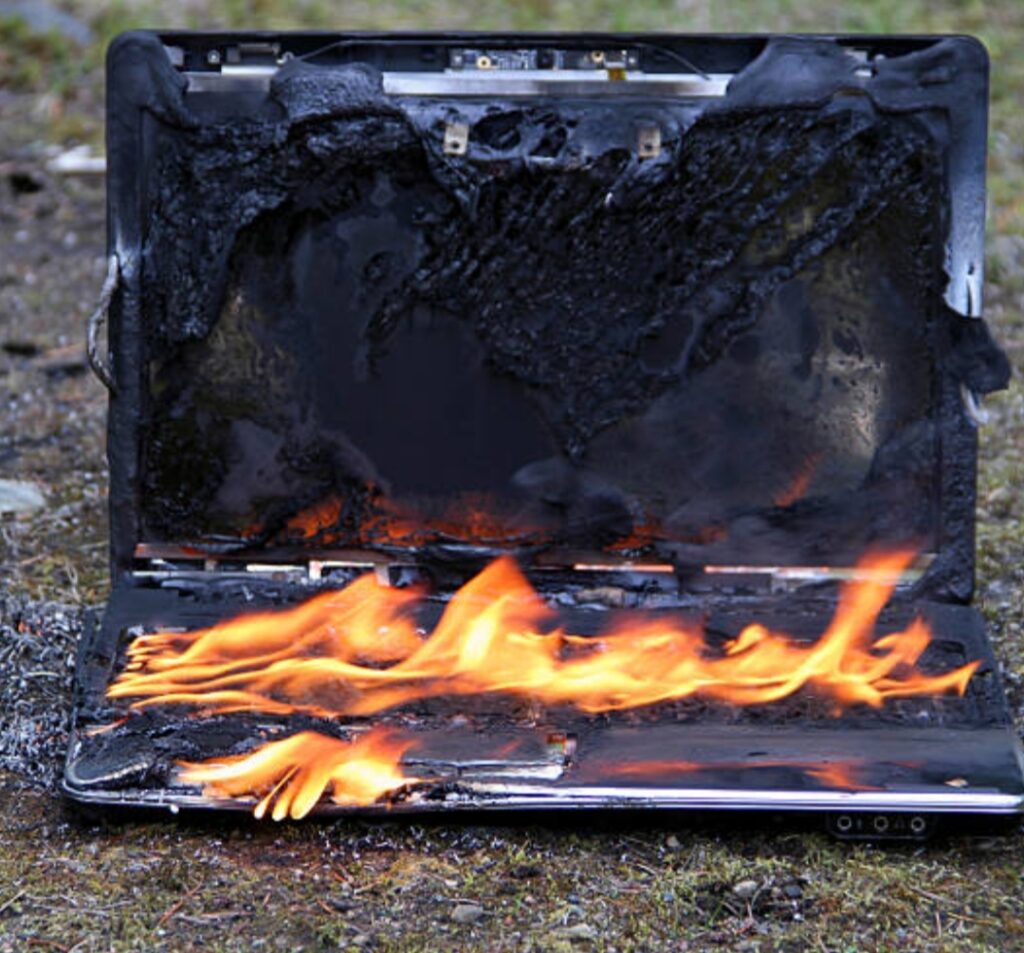
❌ “Overheating is Normal for All Laptops”
This is one of the most dangerous myths out there.
While it’s true that laptops get warm during use, consistent overheating is not normal — and it’s not harmless.
If your laptop regularly shuts down or slows down due to heat, it’s a warning sign, not a feature.
🔥 Real Talk:
Modern laptops are designed to operate within a safe temperature range.
Regularly exceeding that range can permanently damage your CPU, GPU, or battery.
🧠 Takeaway:
If your device is often hot to the touch or frequently throttling performance, it needs attention — not excuses.
❌ “Cooling Pads Don’t Make a Difference”
Some people argue that cooling pads are a waste of money — but that’s completely false.
✅ In real-world tests, a high-quality cooling pad can reduce laptop temps by 5–10°C or more.
That’s enough to prevent thermal throttling, increase FPS in games, and protect internal hardware over time.
The trick is using a pad with active airflow (fans), not just passive elevation.
Also, choose one that fits your laptop’s size and vent layout.
💡 Pro Tip:
Place your laptop slightly off-center on the pad if the fans don’t align directly under the hot zones.
❌ “You Shouldn’t Use Your Laptop While Charging”
This myth stems from confusion between battery maintenance and heat management.
🔌 Yes, older laptop batteries degraded faster when used while charging — but modern lithium-ion batteries are much smarter.
Today’s devices have built-in controllers that regulate power and heat efficiently.
However…
💡 If you’re gaming, editing, or doing any heavy tasks while plugged in, heat can build up faster —
That’s why you still need proper cooling methods in place.
🧠 Conclusion:
You can use your laptop while charging, just make sure it’s ventilated and monitored.
❌ “All Laptop Cooling Problems Are Hardware-Based”
While hardware does play a key role, software is just as important in managing temperature.
Many overheating issues stem from:
- 🧠 Poorly optimized apps
- 🔁 Too many background processes
- 🔧 Outdated drivers or BIOS
- ❌ Malware eating up CPU cycles
🛠️ Software fixes like adjusting power plans, updating firmware, or limiting CPU usage in settings can reduce heat dramatically — no screwdriver required.
❌ “External Fans or Room ACs Are Enough”
Cooling your room helps — but it’s not enough by itself.
❄️ A cooler environment reduces the air intake temperature, but if internal airflow is restricted or thermal paste is dry, it won’t solve the problem.
Think of it like this:
🧊 Cool air helps, but airflow direction and internal heat transfer matter more.
🔧 Solution? Combine environment control with active cooling solutions, internal cleaning, and software optimization.
🧠 Myth-Busting Summary Table
| ❌ Myth | ✅ Reality |
| “Laptops are supposed to overheat.” | No — constant overheating causes damage. |
| “Cooling pads don’t work.” | They lower temps significantly when used correctly. |
| “Don’t use laptops while charging.” | Safe on modern laptops — just watch heat. |
| “Only hardware can fix overheating.” | Software tweaks often solve heat issues. |
| “Room AC is enough.” | It helps, but internal fixes matter more. |
Don’t let tech myths shorten your laptop’s lifespan.
Take charge with the facts — and start applying the right solutions today.
Your laptop deserves better — and so do you.
🧊 Advanced Tips for Preventing Laptop Overheating
Once you’ve tackled the basics, it’s time to move into advanced strategies to protect your laptop from overheating.
These techniques go beyond the usual advice — and they’re especially useful for power users, gamers, digital nomads, and professionals running resource-heavy applications.
By following these next-level tips, you’ll extend your laptop’s lifespan, enhance performance, and avoid costly repairs.
Let’s dig into these proven, powerful strategies 👇
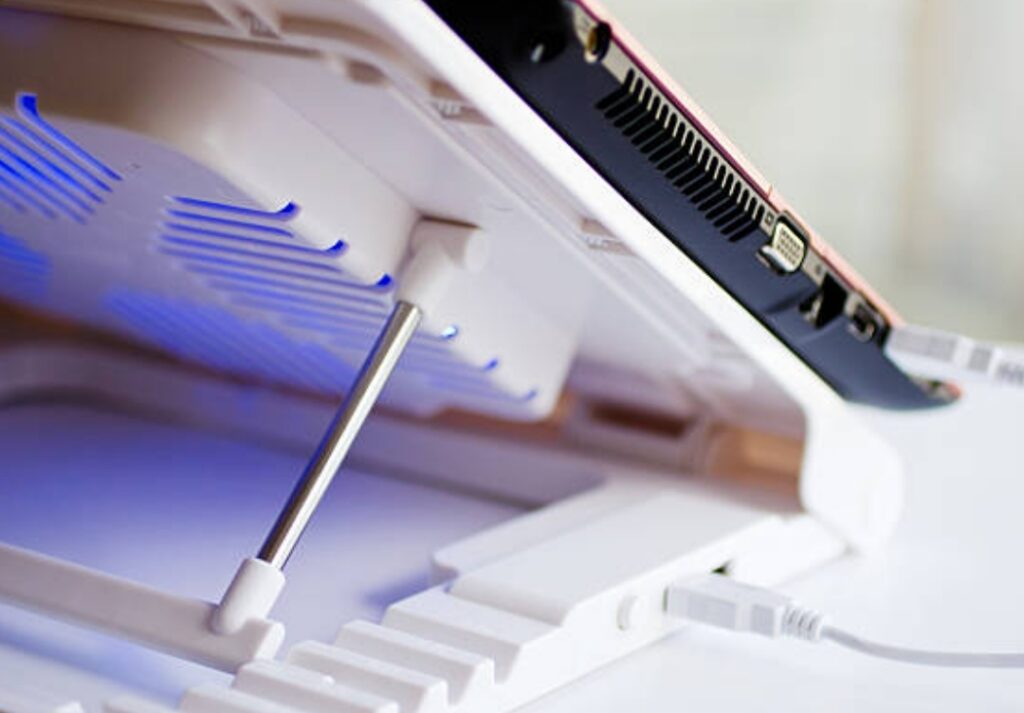
🔄 Repaste Your Laptop’s CPU & GPU with High-Quality Thermal Compound
Over time, the factory-applied thermal paste between your CPU/GPU and the heat sink dries out.
This causes poor heat transfer and increases internal temperatures — even if the fans are working fine.
✅ Solution: Apply a premium-grade thermal paste like Arctic MX-6 or Thermal Grizzly Kryonaut.
⚠️ Note: Repasting requires disassembly, so if you’re uncomfortable with hardware work, consult a certified technician.
💡 Benefits:
- Up to 15°C reduction in core temps
- Smoother performance under heavy load
- Longer component life span
🧠 Pro Tip: Reapply every 1–2 years if you use your laptop heavily.
🌬️ Undervolt Your Processor to Reduce Heat Without Sacrificing Speed
Undervolting reduces the amount of voltage sent to your CPU while keeping performance stable.
Less voltage = less heat = better efficiency.
🔧 Tools to use:
- Intel XTU (Intel CPUs)
- ThrottleStop (advanced users)
- Ryzen Controller (for AMD laptops)
💥 Undervolting can lower temps by 5–15°C and improve battery life too.
⚠️ Caution: Always test settings gradually. Undervolting too much may cause system instability.
🌡️ Adjust BIOS Fan Curve Settings for Custom Cooling
Many modern laptops allow access to fan control settings in the BIOS/UEFI.
Tweaking the fan curve means your fans can ramp up sooner, reducing thermal spikes before they happen.
📍How to Access:
- Reboot your laptop
- Enter BIOS (usually by pressing F2, Del, or Esc)
- Look for Hardware Monitor or Fan Control
✅ Set custom profiles for more aggressive cooling during gaming or editing.
🧠 Bonus Tip: Combine BIOS settings with third-party tools like NoteBook FanControl for even more granular control.
💻 Install a Lightweight Linux Distro (If You’re a Tech Enthusiast)
Windows often runs dozens of background processes that chew through CPU cycles and raise temps.
If you’re tech-savvy, switching to a lightweight Linux distribution can significantly reduce thermal load.
🔥 Great Options:
- Linux Mint XFCE
- Zorin OS Lite
- Ubuntu MATE
💡 Why It Works:
These OS options consume fewer resources, reduce CPU usage, and boost airflow efficiency — especially on older laptops.
🧼 Clean Internal Vents and Heatsinks with Compressed Air (From the Inside!)
Blowing air into the fan grills isn’t enough.
To truly clean the laptop, you must access the internals and clear out the heatsinks and exhaust vents.
🛠️ What You’ll Need:
- Anti-static mat
- Precision screwdriver kit
- Compressed air canister
- Soft brush
💡 Do this every 4–6 months if you’re in a dusty or humid environment.
⚠️ Warning: If your laptop is under warranty, opening the case might void it — always check first.
🧠 Use External GPUs (eGPU) for High-End Gaming or Editing Tasks
Running AAA games or video editing software? Offload that power-hungry processing to an eGPU.
🔌 By connecting an external graphics card via Thunderbolt or USB-C, you dramatically reduce heat buildup inside your laptop.
🔥 Benefits:
- Cooler internal temps
- Boosted graphics performance
- Less strain on your laptop’s components
👉 Best for: Creative professionals, gamers, and engineers using 3D rendering tools.
⚙️ Monitor Heat in Real Time with Pro-Level Tools
Stay ahead of heat buildup by using pro-level temperature monitoring tools.
📈 Top Tools:
- HWMonitor
- Open Hardware Monitor
- Core Temp
- MSI Afterburner (for GPU monitoring)
These tools give you insights into:
- CPU/GPU temperature
- Fan speed
- Battery health
- Thermal throttling behavior
Knowledge = Power. The sooner you spot rising temps, the faster you can respond.
🧠 Advanced Software Tweaks for Heat Optimization
In addition to undervolting and OS changes, consider these software-level strategies:
🔹 Limit background processes via Task Manager
🔹 Use Battery Saver Mode or create a custom power plan
🔹 Disable unnecessary startup programs
🔹 Keep all drivers updated — especially chipset and GPU drivers
Every small tweak helps reduce internal load — and keeps your system running cooler and smoother.
💡 Summary: Advanced Tips Recap
| 💡 Tip | 🔥 Effectiveness |
| Repasting thermal paste | ✅ ✅ ✅ ✅ |
| Undervolting CPU | ✅ ✅ ✅ ✅ |
| Custom BIOS fan curve | ✅ ✅ ✅ |
| Lightweight Linux distro | ✅ ✅ ✅ |
| Deep internal cleaning | ✅ ✅ ✅ ✅ |
| External GPU use | ✅ ✅ ✅ ✅ |
| Real-time monitoring | ✅ ✅ ✅ |
| Software optimization | ✅ ✅ ✅ |
Take control of your laptop’s future!
Don’t just rely on default settings and hope for the best — apply these advanced overheating prevention tips and feel the difference.
Your laptop will thank you — and so will your productivity.
👉 Ready to upgrade your laptop’s cooling game? Check out the best thermal paste deals here and compare top-rated laptop cooling pads.
🔧 Best Maintenance Practices to Prevent Future Overheating
Laptop overheating isn’t just a one-time problem — it’s a long-term performance killer if you don’t take proactive steps to maintain your system regularly.
Whether you’re a student, gamer, digital nomad, or remote worker, learning how to protect your laptop from overheating through regular maintenance can save you money, time, and serious frustration.
Let’s break down the best daily, weekly, and seasonal maintenance routines to protect laptop from overheating — and keep it cool, efficient, and durable over the long haul.
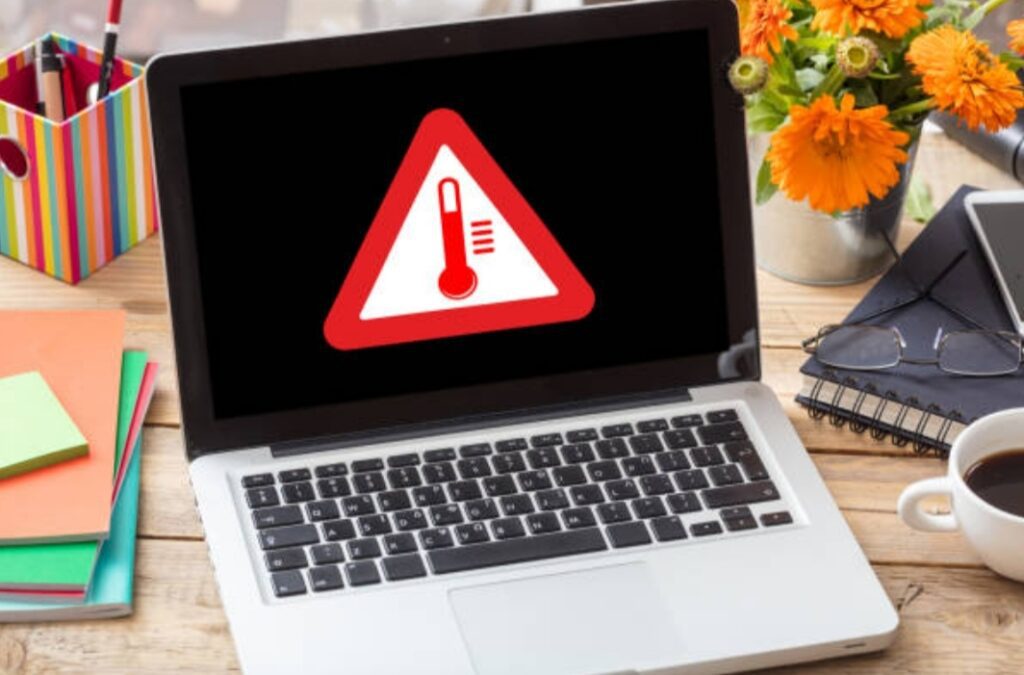
🗓️ Daily Maintenance Tips
Keeping your laptop cool starts with small habits you repeat every day.
These simple actions can drastically improve airflow and heat regulation.
✅ Place your laptop on hard, flat surfaces
Avoid using it on beds, pillows, or your lap — soft surfaces block vents and trap heat.
Use a ventilated laptop stand or cooling pad for proper elevation.
✅ Shut down or restart at least once daily
Sleep mode isn’t enough. Fully rebooting clears memory and stops rogue background processes that increase CPU load.
✅ Avoid charging while using heavy apps
When possible, unplug while gaming or editing video — charging generates heat.
✅ Limit multitasking
Too many open tabs and apps spike processor usage. Use a task manager to shut down unnecessary processes.
✅ Clean your environment
Dust in your room = dust in your vents. Keep your workspace clean to reduce internal buildup.
🧽 Weekly Maintenance Tips
Set a reminder each week to perform these simple actions:
🧼 Wipe exterior vents and fans
Use a microfiber cloth or soft brush to wipe out dust around the intake and exhaust vents.
Add a quick blast of compressed air to dislodge any stubborn debris.
🧠 Check task manager for resource hogs
Open Task Manager (Ctrl+Shift+Esc on Windows, Activity Monitor on macOS).
Sort apps by CPU usage and shut down what you don’t need.
🔍 Update all drivers and software
Outdated drivers (especially GPU and chipset) can cause overheating due to inefficient performance.
Use tools like Driver Booster or check the official site for updates.
🔌 Check power settings
Set your power plan to “Balanced” or create a custom plan with performance throttling during idle times.
🗓️ Monthly & Seasonal Maintenance Tips
These deep cleaning and system checks are essential every month or quarter:
🧹 Deep clean with compressed air
If you haven’t opened your laptop yet, at least clean vents thoroughly from the outside using short bursts of compressed air.
Tilt the laptop to different angles for better coverage.
🧰 Perform system scans
Use antivirus and system health tools to remove malware and bloatware that might drain your CPU silently.
🔧 Inspect battery health
Overheating batteries can spike internal temps.
Use tools like HWMonitor, BatteryInfoView, or Apple Diagnostics to check health and replace swollen or worn-out batteries.
🔁 Update BIOS and firmware
Manufacturers occasionally release updates that improve fan behavior or thermal throttling — especially after major OS updates.
🧠 Additional Pro Maintenance Habits for Lifelong Laptop Health
Here are some expert-level habits that go above and beyond:
🖱️ Use external peripherals
External keyboards and mice reduce physical contact with the laptop and help keep internal temps down — especially when used on cooling stands.
🧯 Avoid battery drain extremes
Don’t let your battery hit 0% or charge to 100% daily. Staying in the 30%–80% range reduces thermal wear and battery heat.
🌡️ Avoid direct sunlight and enclosed spaces
Never use your laptop in hot cars, closed drawers, or under sun exposure. High ambient temperatures compound internal heat.
🔄 Keep backup and restore points
In case an update causes fan errors or overheating, you’ll want a system restore point to roll back.
📌 Why Maintenance Matters (Backed by Stats)
- 💻 A well-maintained laptop can run up to 10°C cooler on average.
- 🛠️ Over 60% of laptop repairs are related to thermal damage or dust buildup.
- 🔋 Batteries exposed to frequent overheating lose up to 30% of lifespan prematurely.
- 🔥 Heat stress can cause motherboard failure, costing hundreds in repairs or total replacements.
Your laptop is your digital partner — treat it like a machine, not magic!
With just a few weekly and monthly habits, you can protect your laptop from overheating, boost performance, and save yourself hundreds of dollars in future repairs.
🔥 Start today:
🛒 Grab a top-rated laptop cleaning kit and pick a cooling pad that fits your setup to futureproof your machine!
Keep it cool. Keep it running. Keep it yours.
❄️ Best Cooling Accessories to Keep Your Laptop Cool (Even in Summer)
Overheating becomes even more of a problem during hot weather — especially if you’re working in a non-air-conditioned environment or in direct sunlight.
That’s where the right accessories can be your laptop’s first line of defense.
If you’re searching for how to protect your laptop from overheating, especially in summer or during heavy workloads like gaming or video editing, then investing in the right tools is non-negotiable.
This section covers the best cooling accessories to protect laptop from overheating and optimize airflow, performance, and system longevity.
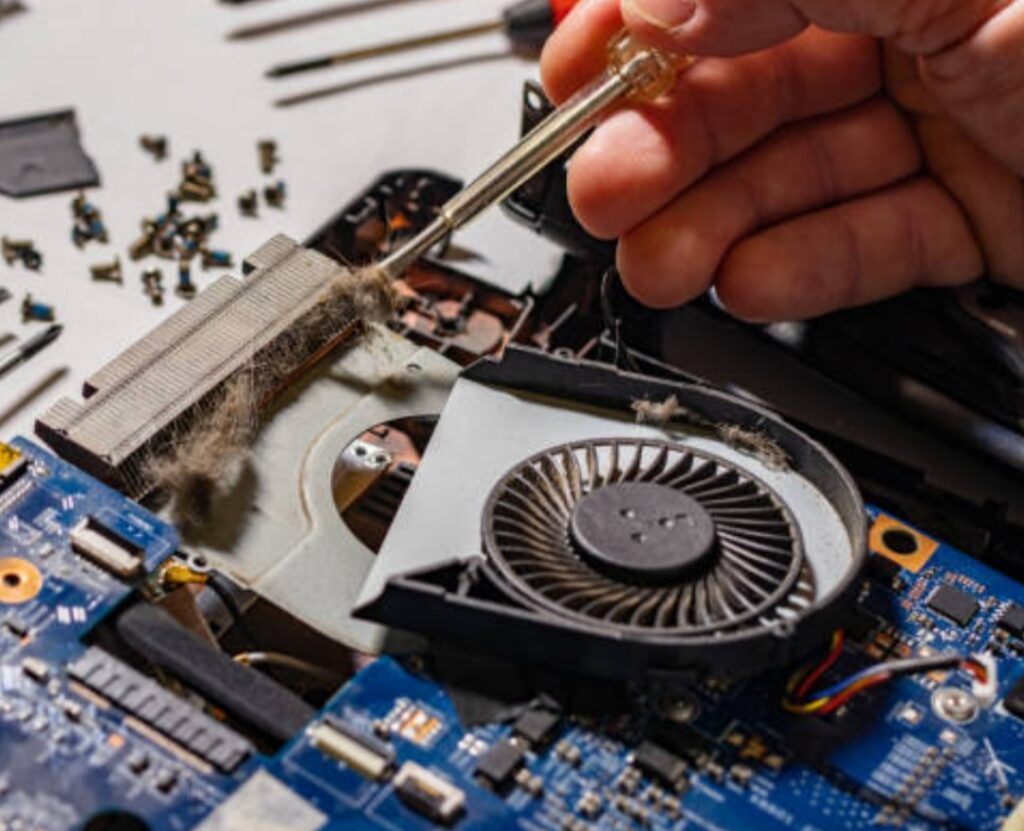
💨 Laptop Cooling Pads — A Must-Have for Any User
Laptop cooling pads are flat stands with built-in fans that actively push air beneath your laptop to keep the base cool.
They can reduce internal temperatures by up to 10°C, especially in older laptops or gaming models.
🟢 Top Benefits:
- Improved airflow underneath your device
- Added elevation improves posture and screen height
- Some models come with built-in USB hubs
🛒 Best Choice: Thermaltake Massive 20 RGB — Ideal for gamers and power users
🛒 Budget Pick: HAVIT HV-F2056 — Lightweight and portable, great for travel
✅ Pro Tip: Always match the size of the cooling pad to your laptop (e.g., 15.6” or 17”).
Also look for adjustable fan speeds and rubber grips for stability.
🖱️ External Peripherals — Reduce Internal Load
Using a wireless mouse, external keyboard, or USB monitor helps reduce CPU load and power draw from internal components.
This minimizes internal heat, especially during long work sessions.
Why it helps:
- Reduces touch interaction and body heat transfer
- Offloads graphics tasks to external displays
- Minimizes battery strain from built-in peripherals
🛒 Check out this ergonomic wireless mouse
🛒 Best portable USB monitor for multitasking
🔧 Laptop Stands with Built-In Ventilation
Standard cooling pads are great, but passive ventilation stands are a stylish, minimalistic option for everyday use.
These accessories elevate your laptop to allow natural airflow while keeping your desk clean and organized.
🟢 Great for:
- Home office setups
- Prolonged Zoom or video call sessions
- Graphic designers and writers
🛒 Aluminum Ergonomic Laptop Stand — Sleek & great for airflow
🛒 Adjustable Folding Stand — Great for traveling professionals
✅ Did you know? Passive stands alone can reduce operating temperatures by up to 5°C, especially in ventilated environments.
🌀 USB-Powered Clip-On Fans
These attach directly to your laptop’s exhaust vent (typically located at the back or side) and suck hot air out, giving your laptop fans a major boost.
🔧 Features:
- Easy USB plug-and-play
- Instant noticeable cooling
- Best for gaming laptops or models with side vents
🛒 Opolar Laptop Cooler — Best-selling vent clip-on fan
🛒 KLIM Cool+ — Compact & powerful for portable use
✅ Pro Tip: Make sure your laptop’s exhaust port matches the fan clip dimensions for a proper fit.
🌡️ Thermal Paste (Advanced Users Only)
This isn’t an external accessory, but reapplying thermal paste between your CPU/GPU and heat sink can dramatically reduce internal temperatures — sometimes up to 15°C.
🔧 Best for:
- Older laptops (2+ years)
- Laptops with constant overheating issues
- Advanced users comfortable opening their devices
🛒 Arctic Silver 5 High-Density Thermal Paste
🛒 Noctua NT-H2 — Premium-grade option
⚠️ Warning: Reapplying thermal paste involves opening your laptop and may void warranties. If unsure, seek professional help.
🛠️ External Cooling Docks & Laptop Vacuum Coolers
These high-powered tools offer active cooling with advanced fans and sensors.
🟢 Best for:
- Gaming laptops
- Video editors / Streamers
- Programmers running intensive virtual machines
🛒 Cooler Master NotePal X3 — Powerful airflow and LED display
🛒 DEEPCOOL Multi-Core X6 — Great multi-fan coverage
💡 Bonus Tip: Pair a dock or pad with a good thermal monitor like Core Temp or HWMonitor for best results.
🔍 Quick Comparison Table: Cooling Accessories
| Accessory Type | Best For | Avg. Temp Drop | Portability | Price Range |
| Cooling Pads | Daily use, gamers | 5–10°C | ✅✅✅ | $20–$40 |
| Vent Stands | Office, ergonomic use | 3–5°C | ✅✅✅✅ | $15–$30 |
| USB Clip Fans | Gaming, heavy load | 5–12°C | ✅✅ | $20–$50 |
| External Peripherals | Multitasking | Indirect benefit | ✅✅✅✅✅ | $10–$60 |
| Thermal Paste | Advanced users | 10–15°C | ❌ | $5–$15 |
Ready to beat the heat before it melts your motherboard?
Don’t wait until your laptop turns into a toaster.
🔥 Get the right cooling gear now to futureproof your laptop and boost performance instantly!
Whether you’re working, gaming, or studying — heat protection = device protection.
Act now — your laptop’s life depends on it.
🌡️ How to Monitor and Control Laptop Temperature Like a Pro
When your laptop starts acting sluggish, fans get loud, or it suddenly shuts down — chances are it’s not a ghost in the machine.
It’s overheating.
But here’s the thing: you can’t fix what you don’t monitor.
If you’re serious about how to protect laptop from overheating, the first step is learning how to monitor temperature in real-time and take smart control measures before permanent damage sets in.
Let’s dive into the pro-level methods to keep tabs on your laptop’s thermal health — even if you’re not a techie.
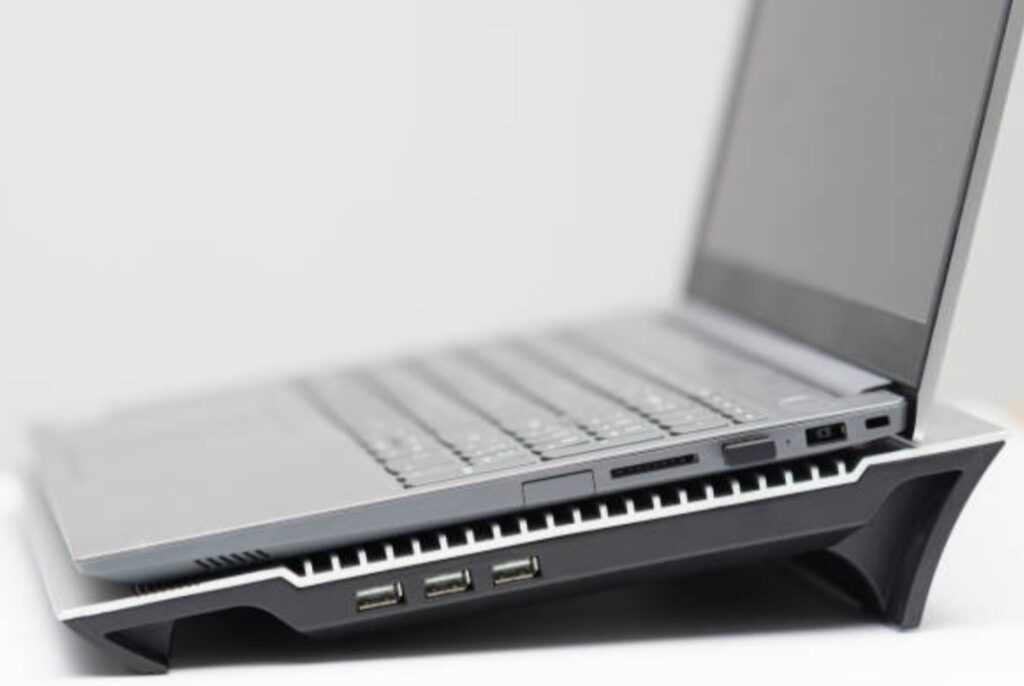
🧠 Why Monitoring Laptop Temperature Matters (Even for Casual Users)
You might think thermal monitoring is just for gamers or IT pros — wrong.
Every laptop user should keep an eye on temperatures to avoid:
- 🔥 Thermal throttling — slows down performance when temps rise
- 🔋 Battery degradation — heat shortens battery lifespan
- 🧠 Component damage — CPUs and GPUs can fail over time
- 💻 System crashes — sudden shutdowns during critical tasks
👉 Preventing heat-related issues today means extending your laptop’s life tomorrow.
📈 Best Tools to Monitor Laptop Temperature in Real-Time
There are powerful, free tools that let you watch your laptop’s core temps like a hawk.
These programs give you readings from the CPU, GPU, SSD, and even fan speeds.
Here are the best temperature monitoring tools, trusted by professionals:
✅ For Windows Users:
- Core Temp — Lightweight and accurate CPU temp reader
- HWMonitor — Shows temps, voltages, fan speeds in real time
- MSI Afterburner — Great for gaming laptops; GPU-focused
- SpeedFan — Monitor temps and control fan speeds manually
✅ For Mac Users:
- iStat Menus — Clean, powerful Mac temp dashboard
- Mac Fan Control — Adjust fan curves and monitor heat easily
🛠️ Download Core Temp now — Start monitoring in under 1 minute
🛠️ Try HWMonitor — Full system thermal diagnostics
🧊 What’s a Safe Laptop Temperature Range?
Knowing what your laptop should be running at is key to catching problems early.
Here’s a quick reference:
| Component | Idle Temperature | Under Load | Critical Danger |
| CPU | 30–50°C | 60–85°C | 90°C+ (Overheating) |
| GPU | 35–55°C | 70–90°C | 95°C+ (Too Hot) |
| SSD | 30–40°C | 45–60°C | 70°C+ (Risk of failure) |
⚠️ Consistent temperatures over 90°C could spell disaster. Time to take action.
⚙️ Smart Ways to Control and Reduce Temperature
Once you’ve got the data, you need to act fast if things get too hot.
Here’s how to take control of your laptop’s temperature — like a pro.
🧰 1. Clean Out Dust Regularly
Dust clogs vents and suffocates airflow. Use compressed air monthly.
🧰 2. Use a Laptop Cooling Pad
Active airflow boosts internal cooling instantly. See our top picks above
🧰 3. Elevate Your Laptop
Use a stand or DIY props to lift the base and let it breathe.
🧰 4. Adjust Fan Settings
With apps like SpeedFan or Mac Fan Control, you can manually set aggressive cooling curves.
🧰 5. Reduce Background Processes
Heavy multitasking or idle software causes heat buildup. Use Task Manager or Activity Monitor to close what you don’t need.
🧰 6. Update BIOS & Drivers
Sometimes, overheating is due to poor firmware or outdated thermal control.
🧰 7. Apply New Thermal Paste
Advanced move — but worth it for old or gaming laptops. Drop temps by 10–15°C.
📱 Bonus — Monitor Your Laptop from Your Phone
Want to go high-tech?
With the right software combo, you can check your laptop’s temps on the go via smartphone.
- Remote Monitor Options:
- HWMonitor + HWiNFO Remote Server
- iStat Server (Mac) + iStat Viewer (iPhone/iPad)
- HWMonitor + HWiNFO Remote Server
Perfect for IT pros, streamers, or remote workers.
💡 Quick Summary: Pro-Level Heat Monitoring Steps
✔️ Download free monitoring tool (Core Temp, HWMonitor, etc.)
✔️ Check idle and full-load temperatures regularly
✔️ Keep your laptop clean and properly ventilated
✔️ Use cooling accessories and optimize fan curves
✔️ Watch for signs like loud fans, lag, or sudden shutdowns
🔥 Take Control Now Before It’s Too Late
Don’t wait for your laptop to scream for help.
Start monitoring your device like a pro — and keep it running cool, quiet, and fast.
🛠️ Install Core Temp now
🧊 Get a cooling pad today and take control of your system’s heat!
👉 Stay cool. Stay protected. Stay productive.
🛠️ When to Seek Professional Help
Despite your best efforts to protect your laptop from overheating, there comes a time when DIY fixes and cool-down tricks just aren’t enough. If your laptop continues to overheat frequently or shows signs of hardware failure, it’s crucial to know when to stop troubleshooting and call in the pros.
This section will help you identify those red flags — and guide you through what to expect from a technician.
🚨 Warning Signs That Indicate You Need Expert Assistance
It’s one thing for your laptop to get a bit warm under pressure.
It’s another when it begins to show repetitive or critical failure symptoms.
Here’s a quick checklist of major signs you shouldn’t ignore:
- 🔥 Frequent Overheating Shutdowns
Your laptop suddenly turns off mid-task, even when running basic programs. - 💨 Constantly Loud or Non-Stop Fan Noise
Fans sound like jet engines, or stay maxed out all the time — a sign of failing cooling components. - ⏱️ Noticeable Slowdowns & Lag
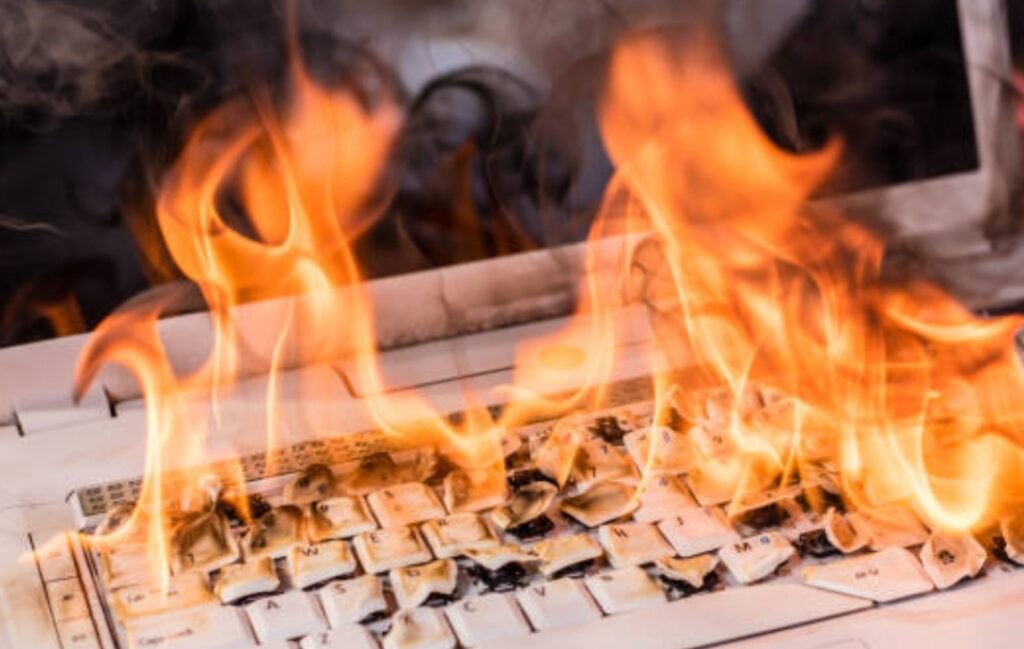
Apps and browsers become sluggish even after closing other programs. - 🔧 Burnt Smell or Physical Heat on Keyboard/Base
If it’s too hot to touch, that’s a serious internal thermal failure. - 🔄 No Improvement Despite Cleaning or Cooling Pads
You’ve tried cleaning vents, used cooling accessories, updated drivers — and it’s still overheating.
If you’ve checked two or more boxes from this list, it’s time to consult a technician.
Delaying could lead to irreversible motherboard or processor damage — which can cost more than the laptop itself.
🔍 What Technicians Can Do That You Can’t
There are deep-level diagnostic tools and procedures professionals use that aren’t available or recommended for the average user.
Here’s what a technician can help you with:
🔧 1. Deep Hardware Diagnosis
They can run complete diagnostics on the CPU, GPU, RAM, and motherboard temperatures and performance metrics.
🔧 2. Thermal Paste Replacement
Professionals can safely open your laptop and replace old, dried-out thermal paste that’s no longer conducting heat properly.
🔧 3. Fan or Heat Sink Replacement
If your internal fan is broken or the heat sink is detached, they’ll install new parts — correctly.
🔧 4. BIOS Reflashing & Thermal Sensor Calibration
Something you definitely shouldn’t DIY. They ensure your system is running with accurate thermal readings.
🔧 5. Internal Cleaning (Without Risking Damage)
They can clean out internal components like fans, heat pipes, and vents with anti-static tools.
💡 Where to Find Trustworthy Laptop Repair Services
Finding a reliable technician doesn’t have to be a gamble.
Here are tips to find the right help:
✅ Use Certified Repair Centers — Go with manufacturer-approved or authorized repair shops.
✅ Read Verified Reviews — Look on Google Maps, Yelp, or Trustpilot for genuine customer experiences.
✅ Ask About Warranty Coverage — Some issues may still be covered under your device warranty or extended service plan.
✅ Avoid Cheap “Quick Fix” Services — If it sounds too cheap to be real, it probably is. Low-cost services may use poor parts or miss the root cause.
👉 You can also consider remote diagnostics from Top Online Laptop Repair Services that offer pickup or on-site repair options.
🔐 When Professional Help Is Absolutely Critical
Here are non-negotiable scenarios where only a pro should touch your machine:
- 🔌 Laptop won’t turn on at all after overheating
- 🔥 You smell smoke or burning plastic
- 💾 Important files or data are at risk
- 💻 You’re unsure how to open the laptop case without damaging it
- 🧰 You’ve tried everything — but nothing works
Remember, prevention is better than repair, but knowing when to hand over the reins could save your data, device, and money in the long run.
💡 If you’re experiencing signs of repeated overheating — don’t wait.
Overheating can destroy your laptop’s heart: its motherboard, CPU, or GPU.
👉 Visit a trusted technician or certified repair center now.
Bold move today, peace of mind tomorrow.
🔧 Find a Local Laptop Repair Service Near You
❄️ Conclusion: Maintaining Optimal Laptop Temperature
Your laptop is more than just a device — it’s your digital command center, your work companion, your creative outlet, and sometimes even your entertainment hub.
To make sure it continues to perform at its best, you need to take proactive steps to maintain its temperature and health.
By now, you’ve learned how crucial it is to protect your laptop from overheating — not just to preserve performance, but to extend the lifespan of your machine and avoid costly repairs or data loss.
🔁 Let’s Recap What You’ve Learned
Here’s a quick rundown of what you should take away from this comprehensive guide:
✅ Understand the Causes: Dust buildup, poor ventilation, software overload, and aging hardware can all lead to overheating.
✅ Follow Practical Prevention Tips: Elevate your laptop, use a cooling pad, clean your vents regularly, and manage software loads.
✅ Implement Long-Term Maintenance: Keep drivers updated, manage power settings, and apply thermal paste when necessary.
✅ Monitor Your Temperatures: Use reliable tools like Core Temp, HWMonitor, or iStat Menus to track thermal performance.
✅ Seek Help When Needed: Don’t hesitate to contact a professional if issues persist, or if your laptop is showing signs of serious overheating damage.
🌟 Why Consistent Maintenance Is Your Best Line of Defense
Preventing laptop overheating isn’t just about reacting when it gets hot — it’s about building smart habits that keep it cool all the time.
Think of it this way:
🧠 “Would you drive your car for years without checking the oil or tire pressure?”
Your laptop deserves that same attention and care.
By treating your laptop like the investment it is, you can expect:
- 📈 Better performance
- 🔋 Longer battery life
- 🧊 Faster processing
- 💻 Greater device longevity
The bottom line?
Proactive care beats reactive repair.
⚡️ Final Pro Tips to Keep Your Laptop Cool Every Day
Here are a few last words of advice to wrap things up:
💡 Use it on hard surfaces — Avoid placing it on beds or couches.
💡 Give it breathing room — Never block air vents.
💡 Install temp monitoring software — Set it to run in the background.
💡 Don’t ignore warning signs — Noise, heat, and shutdowns mean action is needed.
💡 Be proactive — Clean it monthly, monitor it weekly, and optimize daily.
👉 Need a checklist?
Print this out:
✅ Weekly Clean
✅ Monthly Deep Dust Removal
✅ Quarterly Fan/BIOS Check
✅ Yearly Thermal Paste Update
Take action now — don’t wait until it’s too late.
Overheating is silent but deadly.
Implement the tips in this guide today and ensure your laptop runs cool, quiet, and lightning-fast for years to come.
🎯 Shop for a reliable cooling pad here
🎯 Download your favorite laptop temp monitor now
🛡️ Stay proactive. Stay protected. Stay powerful.
You might also like :