
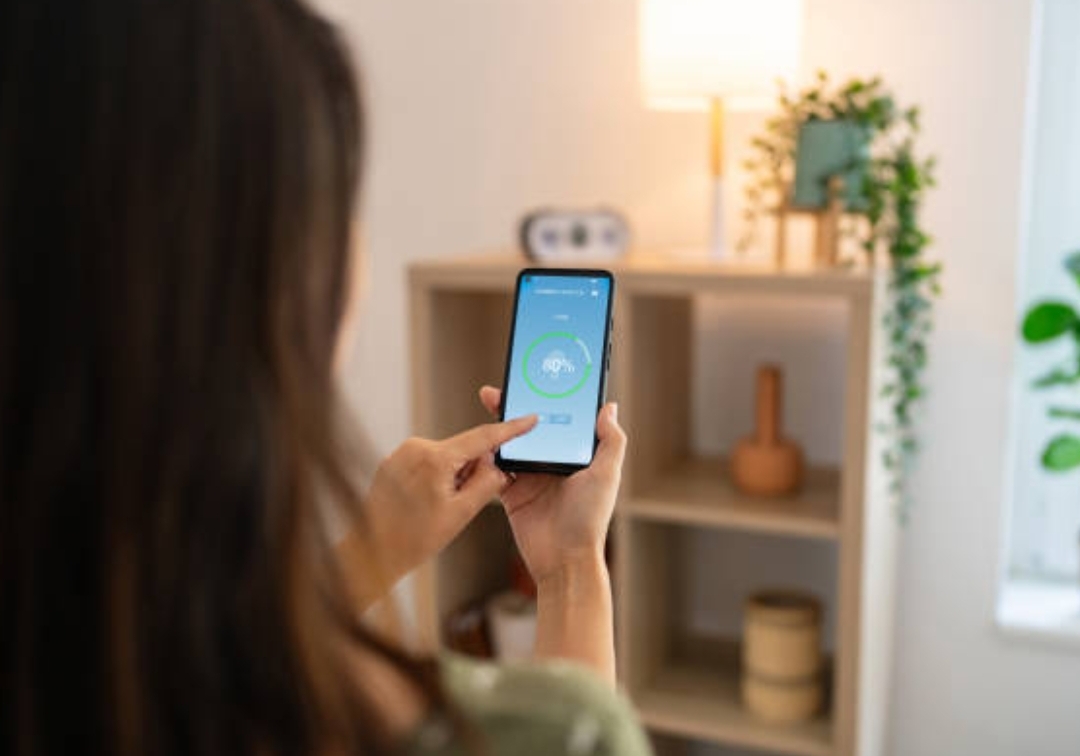
Introduction to Wellness Smart Home Tech
In today’s fast-paced world, people are no longer looking at smart homes as just convenient or futuristic.
Instead, there’s a growing shift toward wellness smart home tech—devices and systems designed to actively support better sleep, cleaner air, and healthier daily routines.
Unlike traditional smart gadgets that only focus on convenience or entertainment, wellness technology integrates science-backed health principles into your living space.
This means your home isn’t just “smart,” it’s also designed to optimize your physical and mental well-being every single day.
Why Smart Homes Are Moving Toward Wellness
- Stress, poor sleep, and indoor pollution are among the top lifestyle challenges people face today.
- Research shows that indoor air can sometimes be 2–5 times more polluted than outdoor air, leading to allergies, fatigue, and respiratory problems.
- At the same time, artificial lighting and irregular schedules disrupt our circadian rhythm, which regulates sleep, mood, and energy.
This is where the circadian lighting system and air quality tech tips come into play.
By upgrading your space with these solutions, you create a healthier environment that works in harmony with your body’s natural needs.
What Is Wellness Smart Home Tech?
Wellness smart home tech is a category of smart devices and systems designed to improve your health rather than just make life easier.
It combines lighting, air quality control, and automation to ensure your living space adapts to your body’s biological rhythms.
Some of the most popular examples include:
- Circadian lighting systems that mimic natural daylight to support better sleep and energy.
- Smart air purifiers and air quality monitors that detect pollutants and keep indoor air clean.
- Integrated smart assistants that automate routines for relaxation, focus, or bedtime.
The result is a home that doesn’t just respond to your commands, but actively nurtures your wellness.
Why Lighting and Air Are the Foundations of Wellness Tech
If you think about it, two of the most critical aspects of daily life are light and air.
- Light affects your brain’s production of melatonin, the hormone responsible for regulating sleep. Exposure to the wrong type of light at the wrong time can leave you restless at night and groggy in the morning. That’s why a circadian lighting system can make such a huge difference in how you feel every day.
- Air quality directly influences your breathing, concentration, and overall energy levels. Poor air circulation filled with dust, allergens, or toxins can trigger fatigue, irritability, and even long-term health issues. Smart air solutions give you real-time feedback and adjust automatically for healthier living.
When combined, these two elements form the core foundation of wellness smart home tech—helping you create a space that restores, energizes, and supports your health goals.
Benefits of Wellness Smart Home Tech in Everyday Life
Embracing these innovations goes beyond just comfort. Here’s how they transform daily life:
✅ Better Sleep: Circadian lighting supports natural sleep cycles by adjusting brightness and color temperature.
✅ Cleaner Breathing: Smart air monitors detect pollutants and automatically activate purifiers.
✅ More Energy: Proper lighting and fresh air increase alertness and focus.
✅ Reduced Stress: A balanced home environment promotes calm and relaxation.
✅ Long-Term Wellness: Consistent exposure to healthy light and clean air reduces risks of chronic issues.
A Glimpse into the Future of Wellness Homes
The future of wellness smart home tech is incredibly exciting.
Manufacturers are now developing systems that connect circadian lighting with wearable devices, adjusting brightness based on your personal health data.
Air quality monitors are becoming AI-driven, predicting issues before they happen and suggesting air quality tech tips to keep your home optimized.
The trend is clear: your home is becoming not just a place to live, but a personal health ally that adapts to your lifestyle, improves your routines, and empowers you to live healthier.
Your home environment matters more than you think.
By investing in technologies like a circadian lighting system and smart air quality solutions, you’re not just buying gadgets—you’re creating a wellness-focused lifestyle.
👉 Start small by adding a smart bulb or an air quality monitor, then expand into a fully automated wellness ecosystem.
If you’re serious about transforming your home into a healthier living space, check out this highly-rated circadian lighting system and the latest smart air quality monitor to start your journey today.
Why Wellness Smart Home Tech Matters for Your Daily Health
Our homes are more than just walls and furniture—they are environments that shape how we sleep, think, breathe, and even feel emotionally.
When you introduce wellness smart home tech into your daily routine, you’re not just upgrading your space with cool gadgets—you’re making a long-term investment in your physical health, mental clarity, and emotional balance.
With the rise of remote work and longer hours spent indoors, the importance of wellness technology has never been greater. Let’s break down why it matters and how it directly influences your daily well-being.
How Environment Shapes Health and Productivity
Research shows that the environment you live in plays a critical role in determining your energy levels, focus, and even immune system strength.
For example:
- Poor indoor air quality can cause headaches, fatigue, and brain fog.
- Exposure to artificial lighting at night suppresses melatonin, disrupting sleep cycles.
- Stuffy or unventilated rooms lower oxygen levels, reducing concentration and productivity.
By integrating solutions like a circadian lighting system and applying practical air quality tech tips, your home becomes a supportive space that aligns with how your body naturally functions.
The Science Behind Circadian Rhythms and Lighting
One of the most underrated factors influencing wellness is light exposure.
Your body runs on a circadian rhythm—a 24-hour biological clock that controls when you feel awake or sleepy.
- In the morning, exposure to bright blue-enriched light boosts cortisol levels, making you alert.
- In the evening, softer warm lighting helps your body wind down and prepare for rest.
Unfortunately, many households rely on harsh artificial lights late at night, which confuse the brain and lead to insomnia, restlessness, or poor-quality sleep.
This is why wellness-focused homeowners are now adopting the circadian lighting system—smart bulbs and fixtures that automatically adjust brightness and color temperature to support your body’s natural rhythm.
Result: You wake up feeling refreshed, stay productive throughout the day, and fall asleep more easily at night.
Why Indoor Air Quality Is a Silent Wellness Killer
The average person spends nearly 90% of their time indoors, yet many don’t realize how polluted indoor air can actually be.
From cooking fumes and cleaning chemicals to dust, pollen, and VOCs (volatile organic compounds), our homes often trap unhealthy particles that silently affect long-term health.
Some of the most common problems caused by poor air quality include:
- Allergies and asthma flare-ups
- Fatigue and lack of concentration
- Irritated eyes, nose, and throat
- Reduced sleep quality due to breathing issues
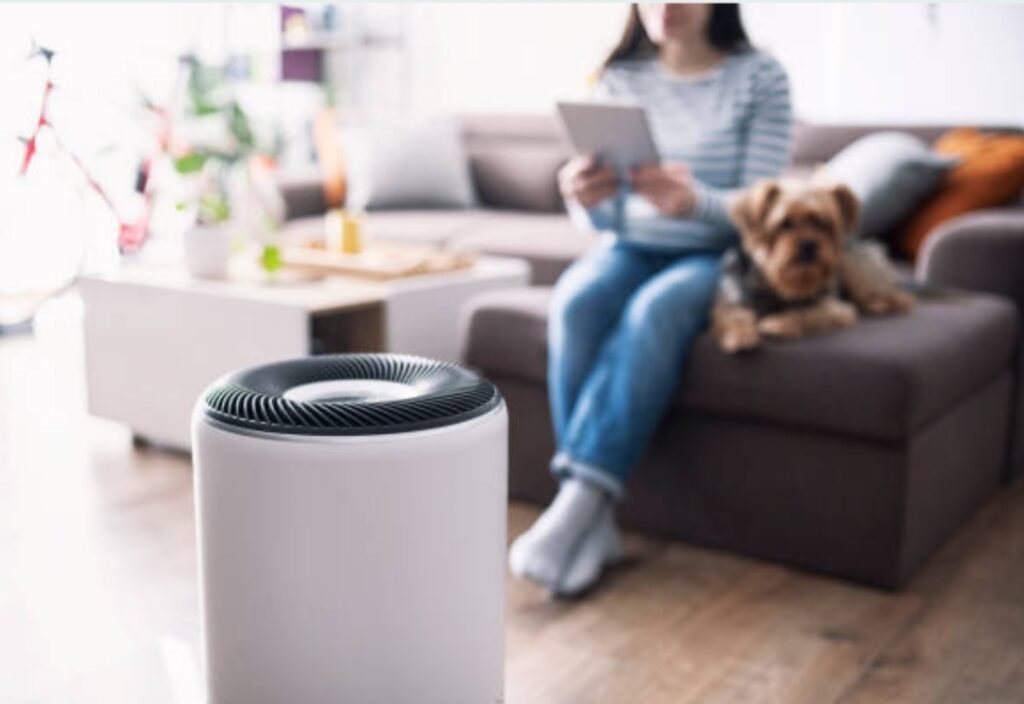
That’s where smart air quality monitors and purifiers come in. They continuously track pollutant levels and automatically adjust filtration to keep your environment safe.
Simple air quality tech tips—like placing sensors near kitchens, bedrooms, and living rooms—help ensure the air you breathe is always clean and supportive of your health.
Daily Health Benefits of Wellness Smart Home Tech
By combining light and air-focused smart systems, you can experience noticeable improvements in your daily life.
Here’s how:
- 🌞 Boosted Energy: Morning light therapy from circadian systems helps you avoid sluggish mornings.
- 😌 Stress Reduction: A cleaner, fresher environment improves relaxation and mood.
- 💤 Better Sleep: Night-time warm lighting combined with purified air leads to deeper rest.
- 🧠 Sharper Focus: Balanced oxygen and lighting enhance productivity, making you more efficient at work or study.
- 🌿 Long-Term Protection: Reducing exposure to pollutants lowers the risk of respiratory illness and cognitive decline.
Why This Matters More Than Ever in Modern Lifestyles
In today’s digital-first world, people spend extended hours indoors—working from home, studying online, or relaxing with screens.
This lifestyle often disrupts natural light exposure and traps us in stale indoor air, both of which negatively impact long-term health.
That’s why wellness smart home tech is no longer a luxury—it’s becoming a necessity for modern living.
Just like fitness apps guide physical health and nutrition apps track diet, smart home wellness devices actively optimize your living conditions for better health outcomes.
Your home environment can either drain your energy or empower your wellness.
By focusing on circadian lighting systems and applying smart air quality tech tips, you give yourself the gift of better sleep, cleaner air, higher productivity, and overall improved well-being.
👉 Action Step: Start by assessing your home environment today. Add one small upgrade—such as a smart circadian lighting bulb or an air quality monitor—and feel the difference in your daily health within just a few days.
Smart Lighting Systems for Better Sleep and Energy
Light is one of the most powerful yet overlooked influences on human health.
The type, intensity, and timing of light exposure affect everything from how alert you feel in the morning to how easily you fall asleep at night.
This is why smart lighting systems—especially those that follow a circadian lighting system—are revolutionizing wellness-focused homes.
Instead of simply brightening a room, these systems are designed to mimic natural sunlight patterns and keep your body aligned with its natural rhythm. The result? More energy during the day, less eye strain, and deeper, restorative sleep at night.
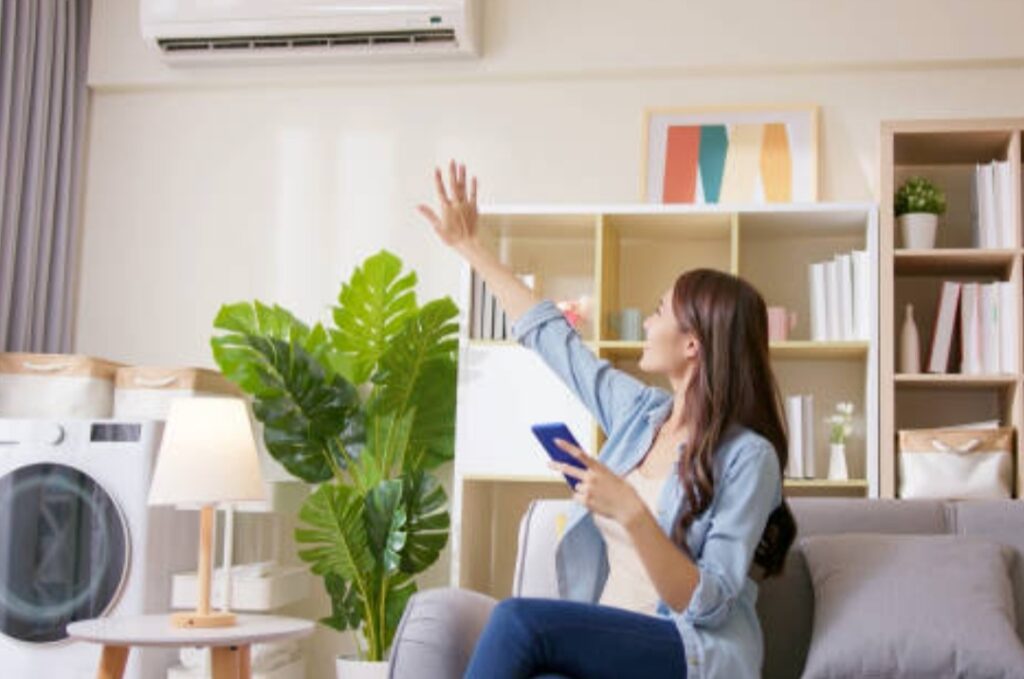
What Is a Circadian Lighting System and How Does It Work?
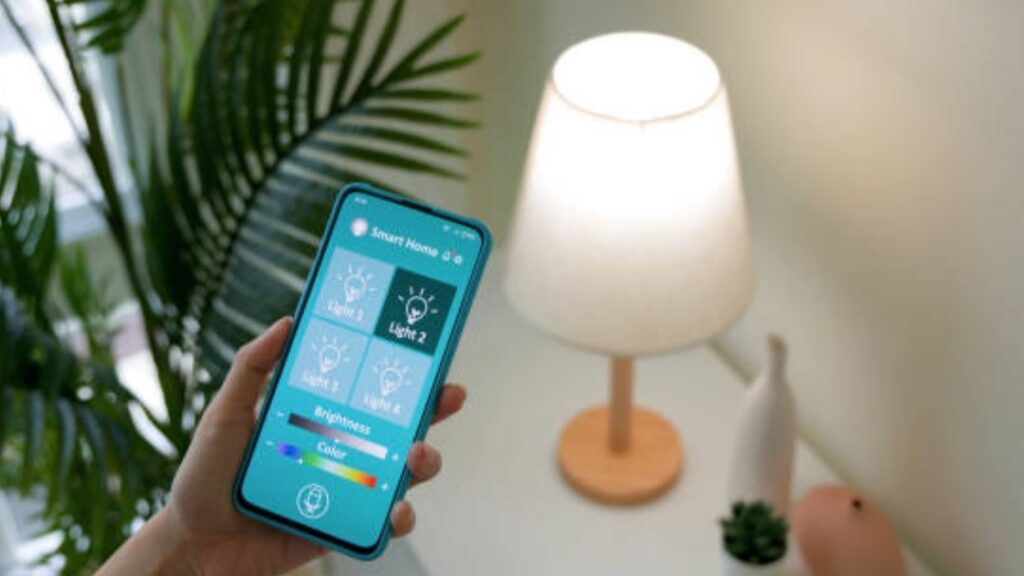
A circadian lighting system is a smart home lighting setup that automatically adjusts the color temperature and intensity of light throughout the day.
Here’s how it works in a typical 24-hour cycle:
- 🌅 Morning (6 AM – 9 AM): Bright, blue-enriched light simulates sunrise, waking you up naturally and boosting energy.
- 🌞 Daytime (10 AM – 5 PM): Consistent, balanced lighting maintains focus and reduces fatigue during work or study.
- 🌇 Evening (6 PM – 9 PM): Softer, warmer tones signal your body to relax and prepare for rest.
- 🌙 Night (9 PM onwards): Minimal, amber-toned light reduces melatonin suppression and helps you fall asleep faster.
By syncing your home lighting to this cycle, your body stays aligned with its biological clock, avoiding the confusion caused by harsh artificial lighting.
Health Benefits of Smart Lighting for Daily Wellness
Investing in smart lighting has significant benefits beyond just aesthetics.
1. Improved Sleep Quality
Your brain produces melatonin when it senses darkness. Exposure to the wrong type of light at night delays this process, causing insomnia or restless sleep. Circadian lighting helps restore natural sleep cycles.
2. Increased Energy Levels
Morning light boosts serotonin and cortisol levels, improving mood and energy. That’s why many people using circadian lighting systems report feeling more refreshed in the mornings.
3. Reduced Eye Strain
Smart lighting adjusts brightness automatically, preventing strain from overly bright or dim conditions—ideal for people who work from home.
4. Enhanced Productivity and Focus
Properly lit spaces increase concentration and cognitive performance, making it easier to complete work or study tasks without fatigue.
Examples of Smart Lighting Solutions for Wellness
When choosing a smart lighting system, it’s important to consider customization, app control, and health-focused features. Some of the most popular wellness lighting options include:
- Philips Hue White Ambiance: Offers a wide range of white tones to mimic natural sunlight.
- Nanoleaf Skylight Panels: A stylish option that replicates daylight while adding design flair.
- Casambi or Lutron Systems: Advanced options for full-home circadian lighting automation.
- Budget-Friendly Smart Bulbs: Options like Wyze or Sengled provide circadian-style lighting without a high price tag.
Each system can be controlled via apps, voice assistants, or schedules, giving you total flexibility over your environment.
Practical Tips for Using Smart Lighting at Home
Here are some actionable tips to maximize the benefits of smart lighting:
- Use warm light at night in living rooms and bedrooms to encourage relaxation.
- Set wake-up routines with smart bulbs that slowly brighten in the morning instead of using harsh alarms.
- Pair with smart blinds or curtains to synchronize artificial light with natural daylight.
- Place task lighting in home offices or study areas for better concentration.
- Experiment with “scenes” in your smart home app—like “Focus Mode” (cool bright light) or “Relax Mode” (warm dim light).
Why Smart Lighting Is a Wellness Game-Changer
The beauty of smart lighting lies in its ability to merge technology with biology.
Instead of fighting against your body’s natural rhythm with static artificial lighting, you can now create an environment that supports how your body actually works.
When paired with other wellness smart home tech—such as air quality monitors and purifiers—you create a 360° healthy living environment that actively improves sleep, focus, and energy.
Light is not just for visibility—it’s a powerful wellness tool.
By investing in a circadian lighting system, you can dramatically improve your sleep, boost your energy, and reduce stress levels at home.
👉 Action Step: Start by adding a smart circadian light bulb in your bedroom or home office. Within a few days, you’ll notice the difference in energy, focus, and sleep quality.
Air Quality Tech Tips for a Healthier Home
While lighting shapes your sleep and mood, the air you breathe every day plays an equally important role in your health.
Most people assume their home air is clean, but studies show that indoor air can often be 2–5 times more polluted than outdoor air.
Dust, pet dander, smoke, mold spores, and volatile organic compounds (VOCs) from cleaning products or furniture all add up to invisible pollutants.
This is why adding wellness smart home tech for air quality is critical. With the right air quality tech tips, you can create a healthier, fresher environment that improves breathing, boosts focus, and reduces the risk of respiratory problems.
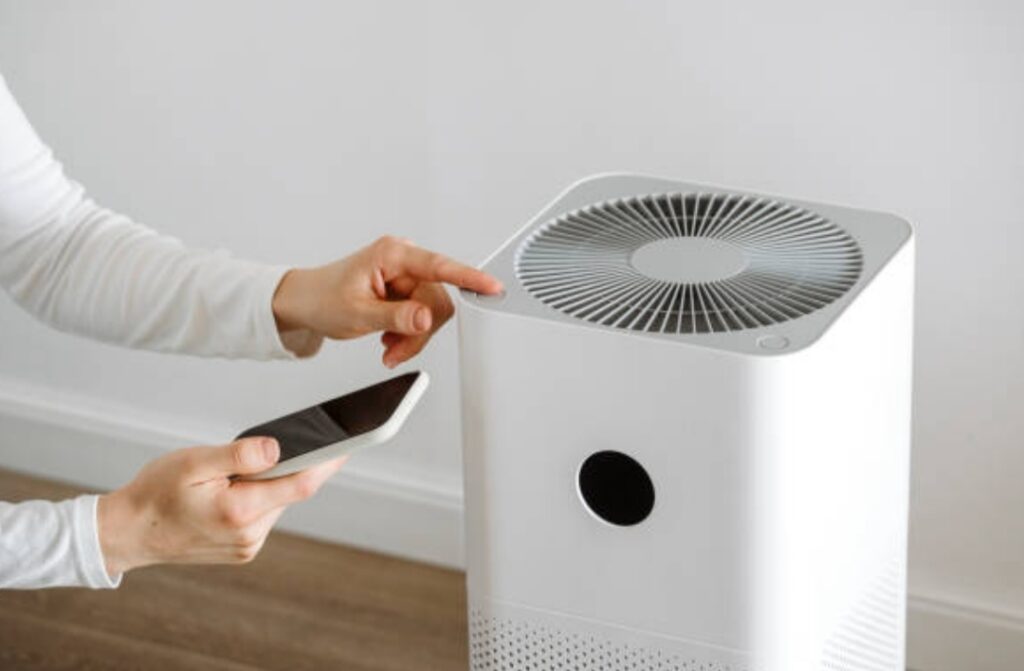
Why Indoor Air Quality Matters for Wellness
Poor air quality doesn’t just cause sneezing or allergies—it impacts your entire body and mind.
- Low oxygen and high CO2 levels can cause brain fog, fatigue, and irritability.
- Dust, mold, and VOCs trigger asthma, allergies, and respiratory irritation.
- Poor ventilation increases humidity, encouraging bacterial growth.
- Stale, polluted air worsens sleep quality, leading to restless nights.
Smart air solutions ensure your home is always circulating fresh, clean, and oxygen-rich air, making you feel more energized and mentally sharp.
Smart Air Quality Tech for Modern Homes
Today’s air quality tech goes far beyond traditional purifiers. With sensors, automation, and AI-driven systems, these devices actively monitor and improve your environment in real time.
Here are the most impactful options:
- Smart Air Purifiers: Filter out dust, allergens, smoke, and VOCs. Popular brands like Dyson, Coway, and Levoit adjust purification levels automatically.
- Air Quality Monitors: Devices like Awair Element, IQAir, or Amazon Smart Air Quality Monitor detect CO2, humidity, and toxins, then give you live feedback via apps.
- Smart HVAC Integrations: Some modern HVAC systems connect with smart thermostats (like Nest or Ecobee) to adjust ventilation based on pollution levels.
- Portable Fresh Air Fans: Compact solutions that improve air circulation in small rooms or offices.
By combining these devices, you create an ecosystem that adapts automatically—ensuring every breath you take at home is healthier.
Practical Air Quality Tech Tips for a Healthier Home
Here are actionable steps you can apply immediately to get the most from your smart air systems:
1. Place Monitors Strategically
- Put sensors in bedrooms, living rooms, and kitchens where you spend the most time.
- Avoid placing them directly next to windows or vents for accurate readings.
2. Automate with Smart Assistants
- Connect your purifier to Alexa, Google Assistant, or Apple HomeKit.
- Set automations like “Turn on air purifier when VOC levels are high.”
3. Monitor Humidity Levels
- Keep indoor humidity between 40–60%. Too high causes mold, too low irritates skin and lungs.
- Use smart humidifiers or dehumidifiers to maintain balance.
4. Ventilate Naturally
- Open windows for 15 minutes daily if outdoor air is clean.
- Pair natural ventilation with smart fans for improved circulation.
5. Replace Filters on Time
- Use reminders from smart apps to change air purifier filters regularly.
- Old filters reduce efficiency and can even re-release trapped particles.
6. Sync with Your Routine
- Set your purifier to activate automatically at night for cleaner breathing while you sleep.
- Use a “pre-clean mode” that runs before you return home from work.
Daily Health Benefits of Smart Air Quality
When you apply these air quality tech tips consistently, you’ll notice changes within days:
- 🌿 Fewer Allergies: Cleaner air means less sneezing, coughing, and irritation.
- 🧘 Better Mental Clarity: Oxygen-rich air supports sharper focus and decision-making.
- 💤 Improved Sleep: Clean, cool air reduces nighttime breathing problems.
- 💪 Stronger Immunity: Less exposure to pollutants means fewer colds and respiratory infections.
- 😌 More Relaxation: A fresh-smelling, well-ventilated home naturally feels calming.
Choosing the Right Air Quality Tech for Your Space
When shopping for wellness smart home tech related to air, consider the following factors:
- Room Size: Larger rooms require purifiers with higher CADR (Clean Air Delivery Rate).
- Filter Type: HEPA filters capture fine particles, while activated carbon handles odors and chemicals.
- Smart Features: Look for app control, air quality reports, and integration with other smart devices.
- Maintenance Costs: Factor in filter replacement frequency and cost.
👉 Pro Tip: If budget is a concern, start small with a portable smart air purifier in your bedroom, where you spend most of your time resting.
Breathing clean air shouldn’t be a luxury—it’s a basic necessity for good health.
With modern air quality tech tips and smart devices, you can ensure your home supports healthy lungs, better focus, and restorative sleep.
👉 Action Step: Start with an affordable smart air quality monitor to track pollutants in your home. Once you see the data, you’ll never want to go back to living without clean, optimized air.
Combining Smart Lighting and Air Quality for Maximum Wellness
Smart lighting and clean air are powerful on their own, but when you combine both wellness technologies together, you unlock the true potential of a healthy, energy-boosting home.
This is where wellness smart home tech goes from being “just cool gadgets” to becoming a complete wellness ecosystem.
By integrating a circadian lighting system with smart air solutions, you create a living space that not only looks better—but also actively helps your body stay energized, focused, and calm throughout the day.
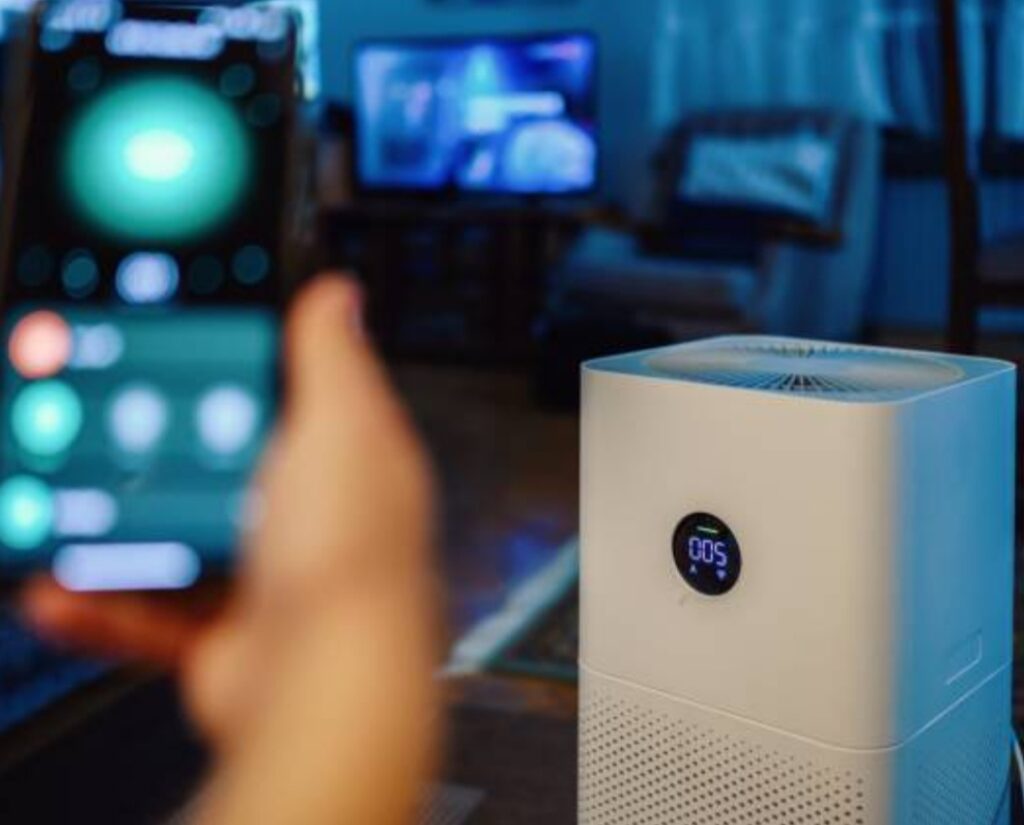
Why Lighting and Air Work Best Together
Light and air are the two most basic elements of human survival. Together, they influence your:
- Energy and alertness (light controls circadian rhythm, while oxygen-rich air boosts brain function).
- Sleep quality (warm evening light relaxes you, and clean filtered air prevents restless breathing).
- Mood and focus (bright morning light improves serotonin; fresh air reduces stress hormones).
- Long-term health (good lighting prevents circadian disruption, and clean air lowers risk of respiratory illness).
By combining these technologies, you don’t just improve one aspect of wellness—you create a holistic environment that supports your health 24/7.
How to Integrate Lighting and Air Quality Tech Seamlessly
The good news is that today’s smart devices are designed to work together.
Here are some practical integration tips:
1. Create Morning Wellness Routines
- Program your circadian lighting system to simulate sunrise.
- At the same time, set your air purifier to “refresh mode” for clean, oxygen-rich air when you wake up.
2. Automate Daytime Productivity
- In your home office, use cool white lighting for focus.
- Sync your air purifier or HVAC system to keep CO2 levels low, preventing afternoon fatigue.
3. Evening Relaxation Mode
- Dim lights to warmer tones to signal your body it’s time to relax.
- Activate your purifier at low, quiet speed for cleaner breathing during downtime.
4. Sleep Support System
- Program your bedroom lights to fade slowly into darkness.
- Run your air purifier quietly overnight for uninterrupted, deeper sleep.
Benefits of a Combined Wellness System
When smart lighting and air tech work together, the results are powerful:
- 🌞 Wake Up Refreshed: Sunrise lighting + oxygen-rich air energizes mornings.
- 🧠 All-Day Focus: Bright task lighting + balanced air keeps productivity high.
- 😌 Stress-Free Evenings: Warm light + purified air encourages relaxation.
- 💤 Deep Sleep Every Night: Darkness simulation + clean breathing environment improves sleep cycles.
- 🌿 Stronger Long-Term Health: Less exposure to pollution and circadian disruption lowers health risks.
Tools to Help Combine Smart Lighting and Air Quality
To achieve maximum synergy, look for devices that can sync with each other through apps or smart assistants.
- Voice Assistants (Alexa, Google Assistant, Siri): Easily control both lighting and air devices with simple voice commands.
- Automation Apps (IFTTT, SmartThings, HomeKit): Create custom triggers, like “If VOC levels rise, turn on purifier + switch lights to bright white.”
- All-in-One Smart Ecosystems: Some brands like Ecobee, Govee, and Tapo allow multiple devices (lighting + air) under a single app for easier management.
Real-Life Example of a Healthy Home Routine
Imagine this daily setup in your wellness-focused home:
- 6:30 AM: Lights gradually brighten to mimic sunrise 🌅. Your purifier runs for 10 minutes to circulate fresh air.
- 9:00 AM: Cool white lighting in your home office keeps you sharp, while your air monitor ensures CO2 levels stay low.
- 7:00 PM: Lights dim to warm amber 🌇. Your purifier quietly clears allergens and odors for evening relaxation.
- 11:00 PM: Lights fade out completely 🌙. Your air purifier runs silently through the night for clean, restful breathing.
This routine is not just smart—it’s life-changing wellness in action.
Key Takeaway
When you combine smart lighting and air quality tech, your home becomes a true wellness sanctuary.
It works around the clock to support your sleep, focus, mood, and overall health—without you having to lift a finger.
👉 Action Step: Don’t just buy a single smart gadget—invest in a wellness ecosystem. Start with a circadian lighting kit and pair it with a smart air purifier or monitor. Within a week, you’ll feel the difference in your energy, sleep, and overall well-being.
Practical Buying Guide: Choosing the Right Wellness Tech
With so many options in the market, choosing the right wellness smart home tech can feel overwhelming.
Not all products are created equal, and the best choice often depends on your budget, room size, lifestyle, and level of automation you want.
This practical buying guide will help you navigate through the essentials so you can confidently choose the right circadian lighting system and air quality devices for your home.
Factors to Consider Before Buying Wellness Smart Home Tech
Before you hit the “buy now” button, keep these factors in mind:
- Budget Range: Smart lighting bulbs can start under $20, while full circadian lighting systems cost hundreds. Air quality tech also varies widely in price.
- Compatibility: Make sure your devices integrate with your existing smart ecosystem (Alexa, Google Home, Apple HomeKit, SmartThings).
- Room Size & Coverage: A small bedroom needs a compact purifier and single smart bulb, while larger homes may need multi-room systems.
- Smart Features: Look for app control, automation scheduling, and real-time air quality reporting.
- Maintenance Costs: Factor in filter replacements, bulb lifespans, and subscription fees for premium features.
- Design & Aesthetics: Choose products that match your home style—you’ll use them daily, so they should feel natural in your space.
Best Circadian Lighting Systems in 2025
If you’re ready to upgrade your lighting, here are the top circadian lighting options available right now:
- Philips Hue White Ambiance 🌟
- Wide range of warm-to-cool whites
- Easy app control and strong ecosystem integration
- Perfect for beginners
- Check Philips Hue on Amazon
- Wide range of warm-to-cool whites
- Nanoleaf Skylight Panels ✨
- Stylish ceiling panel system that mimics natural skylight
- Customizable “scenes” for focus, relaxation, or sleep
- Aesthetic design doubles as modern decor
- View Nanoleaf Skylight Panels here
- Stylish ceiling panel system that mimics natural skylight
- Casambi Smart Lighting 💡
- Professional-grade circadian lighting system
- App-based scheduling and advanced control options
- Great for whole-home automation setups
- Explore Casambi systems here
- Professional-grade circadian lighting system
- Wyze Smart Bulbs 💰 (Budget-Friendly)
- Affordable smart bulbs with circadian rhythm features
- Simple setup with app or voice control
- Ideal for first-time buyers or small spaces
- Shop Wyze Smart Bulbs here
- Affordable smart bulbs with circadian rhythm features
Best Air Quality Devices for a Healthier Home
Clean air is just as important as healthy lighting. Here are top-rated air quality solutions to consider in 2025:
- Dyson Purifier Cool Formaldehyde 🌬️
- Detects and removes VOCs, allergens, and even formaldehyde
- Doubles as a cooling fan
- Premium choice for medium-to-large rooms
- See Dyson Purifier Cool here
- Detects and removes VOCs, allergens, and even formaldehyde
- Coway Airmega AP-1512HH 🌿
- Compact yet powerful with HEPA + carbon filter
- Smart auto mode adjusts filtration automatically
- Long-lasting and budget-friendly
- Buy Coway Airmega here
- Compact yet powerful with HEPA + carbon filter
- IQAir Visual Pro Monitor 📊
- Professional-grade indoor air quality monitor
- Tracks CO2, PM2.5, VOCs, humidity, and temperature
- Great for data-driven households
- Check IQAir Visual Pro Monitor here
- Professional-grade indoor air quality monitor
- Levoit Core 300 Smart Purifier 🏡 (Budget-Friendly)
- Affordable, compact, and effective for bedrooms
- HEPA filtration captures dust and allergens
- Works with Alexa/Google Home
- Shop Levoit Core 300 here
- Affordable, compact, and effective for bedrooms
Tips for Making the Right Buying Decision
To maximize your investment in wellness smart home tech, here are some quick but powerful buying tips:
- ✅ Start Small, Scale Later: Begin with a smart bulb + portable purifier before upgrading to a full ecosystem.
- ✅ Check Reviews & Ratings: Look for products with high ratings, especially regarding durability and performance.
- ✅ Look for Ecosystem Fit: Stick to brands that integrate well with your voice assistant or automation hub.
- ✅ Prioritize Health Features Over Extras: A purifier with a strong HEPA filter is more important than fancy designs.
- ✅ Consider Long-Term Costs: Replacement filters and bulbs can add up—choose brands with affordable, accessible parts.
Bundle Ideas for Maximum Value
If you want to maximize results right away, consider these bundle setups:
- Starter Wellness Bundle: 1 smart bulb + 1 compact purifier (budget-friendly entry point).
- Wellness Office Bundle: Circadian desk lamp + air quality monitor (perfect for productivity).
- Full Home Wellness Bundle: Multi-room circadian lighting + whole-home air purifier system.
👉 Each of these can be purchased gradually, but if you bundle smart lighting and air solutions together, you’ll see faster, more noticeable health benefits.
The best wellness smart home tech isn’t necessarily the most expensive—it’s the one that fits your needs, lifestyle, and budget.
By choosing the right circadian lighting system and air quality devices, you can turn your home into a true health sanctuary.
👉 Action Step: Start with an affordable circadian smart bulb and a portable smart purifier. Once you feel the difference in your sleep and energy, expand into a full-home wellness system.
Future of Wellness Smart Home Tech
The world of wellness smart home tech is evolving rapidly, and what we see today is just the beginning.
In the next few years, expect smarter circadian lighting systems, more advanced air quality devices, and AI-powered wellness assistants that transform your home into a personalized health hub.
Here’s what the future looks like:
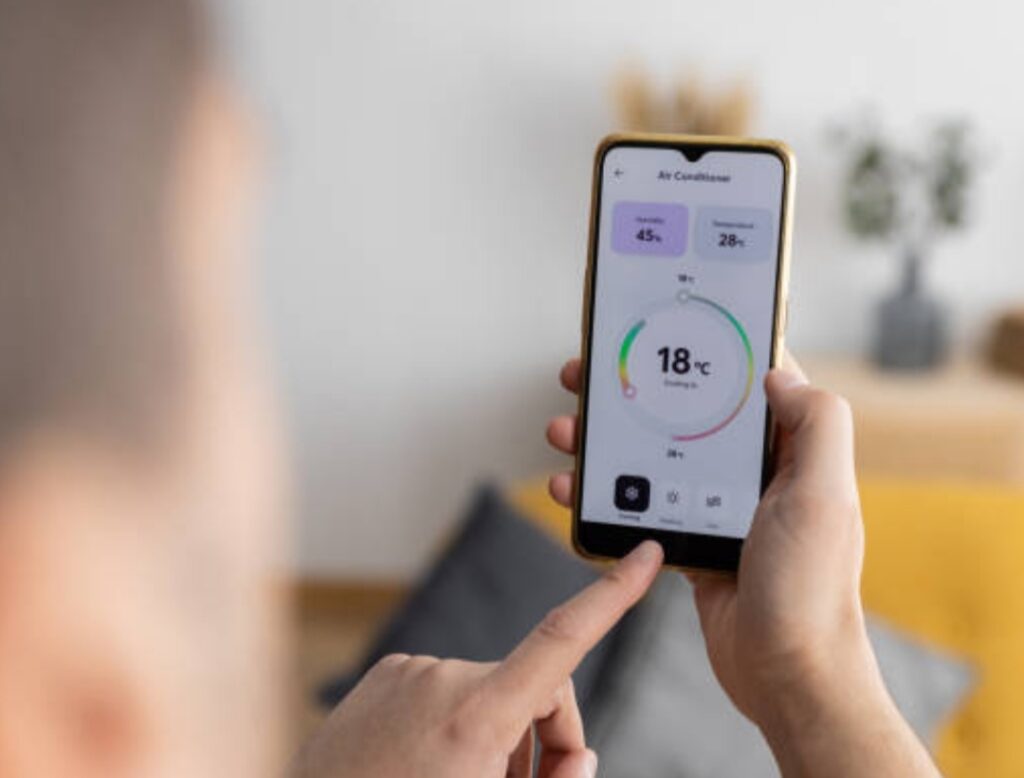
Smarter Circadian Lighting Systems
Current smart bulbs already mimic sunrise and sunset, but future systems will go far beyond that.
Expect:
- AI-Driven Adjustments: Lighting that adapts automatically based on your sleep data, daily activity, and even stress levels.
- Wearable Integration: Your circadian lighting system syncing with smartwatches and sleep trackers to optimize your body clock.
- Full-Spectrum Wellness Lighting: Beyond just warm-to-cool light, future tech will simulate natural sunlight for vitamin D stimulation indoors.
👉 Imagine a home where your lights know when you need focus, relaxation, or deep rest—all without manual input.
Air Quality Tech 2.0
The next generation of air quality tech won’t just filter particles—it will act as a proactive health partner.
Here’s what’s coming:
- Predictive Monitoring: Devices that forecast air quality trends in your area and adjust ahead of time.
- Self-Cleaning Filters: No more monthly filter replacements—future purifiers will use UV sterilization and nanotech for maintenance-free operation.
- Personalized Air Adjustments: Air systems that adjust humidity, oxygen, and ion balance tailored to your body’s needs.
- Outdoor-Indoor Syncing: Real-time monitoring of outdoor pollution levels, giving alerts when it’s safer to stay inside.
This means healthier lungs, fewer allergies, and real-time protection from environmental hazards like wildfire smoke or urban pollution.
Integration with AI Wellness Assistants
Wellness devices will no longer be standalone gadgets—they’ll be part of an AI-powered ecosystem.
Expect seamless integration with:
- Virtual Health Coaches: Smart assistants that recommend sleep improvements, hydration, and breathing exercises based on your home’s environment.
- Voice-Activated Wellness Checks: Ask your assistant about air quality, sleep quality, or lighting setup—get instant insights.
- Predictive Alerts: Early warnings about potential health issues triggered by poor lighting, CO2 buildup, or allergens.
In the near future, your smart home could become as important as your doctor for maintaining everyday health.
Eco-Friendly and Sustainable Wellness Tech
As awareness of sustainability grows, future smart wellness devices will also prioritize the planet:
- Energy-Efficient Lighting: Smart bulbs with ultra-low power consumption and solar charging options.
- Recyclable Materials: Air purifiers and smart devices designed with eco-friendly components.
- Smart Energy Optimization: Devices that not only keep you healthy but also reduce your electricity bills by learning your lifestyle.
The Rise of All-in-One Wellness Hubs
Instead of buying separate devices, expect the convergence of lighting, air, and wellness monitoring into a single unit.
- A ceiling panel that provides circadian light, purifies the air, and monitors sleep all at once.
- Wall-mounted devices that double as decor + wellness hubs.
- AI dashboards that track your daily wellness score based on home environment.
👉 Think of it as a “home health system” that works silently in the background to keep you at your best.
The future of wellness smart home tech is about personalization, automation, and integration.
From circadian lighting systems that adapt to your sleep cycle, to air quality tech that predicts and prevents health issues, the next generation of devices will make your home a true wellness sanctuary.
👉 Action Step for Readers: If you’re investing today, choose products that are future-proof—those with app updates, AI capabilities, and strong ecosystem support. This ensures your wellness tech will keep growing with you.
FAQs about Wellness Smart Home Tech
What is wellness smart home tech?
Wellness smart home tech refers to devices and systems designed to improve your physical, mental, and emotional well-being at home.
It includes circadian lighting systems, air purifiers, smart thermostats, and even AI-powered devices that monitor sleep, air quality, and stress levels.
The goal is to create a living space that actively supports your health rather than just providing comfort.
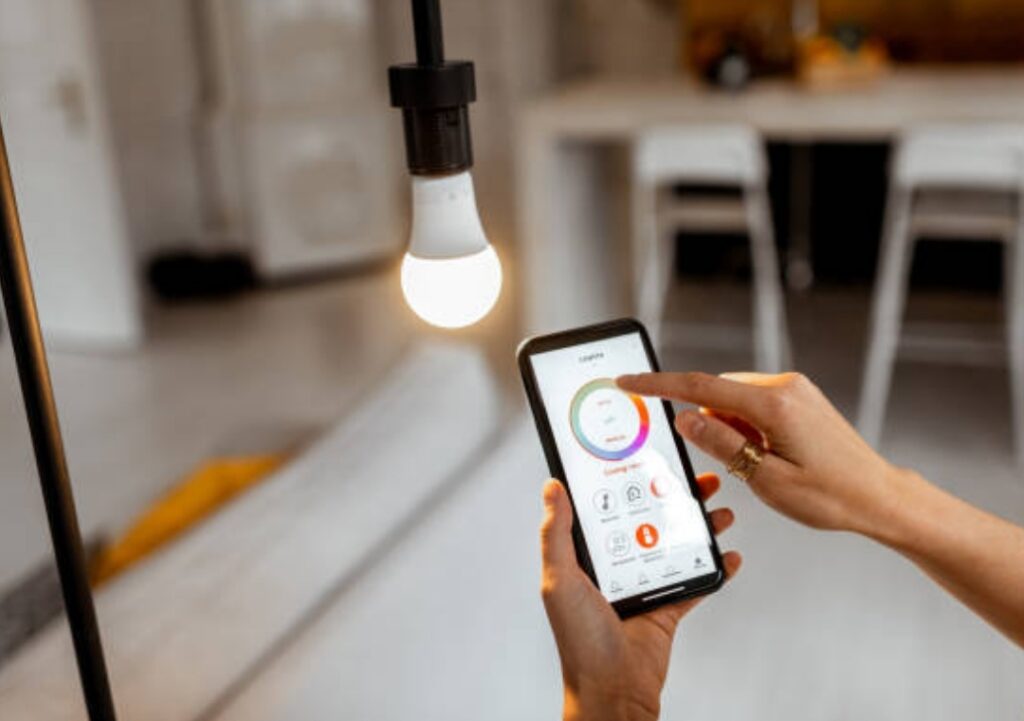
How does a circadian lighting system improve sleep?
A circadian lighting system mimics natural daylight patterns, helping your body regulate its internal clock.
Bright, cool light in the morning increases energy and focus, while warm, dim light in the evening signals your body to prepare for rest.
This reduces insomnia, improves sleep quality, and boosts overall mood and productivity.
What are the best air quality tech tips for a healthier home?
Improving your air quality is one of the most important steps for wellness at home.
Here are some air quality tech tips to consider:
- Install a smart air purifier with HEPA filters to capture dust, allergens, and pollutants.
- Use an air quality monitor to track levels of CO₂, VOCs, and humidity in real time.
- Automate ventilation with smart windows or fans that adjust based on air quality.
- Integrate your devices into a smart home app for insights and alerts.
Is wellness smart home tech expensive?
Not necessarily.
While some high-end systems can be pricey, many affordable options are available.
For example:
- Smart LED bulbs with circadian features can cost less than a dinner out.
- Entry-level air purifiers start at budget-friendly prices.
- Many brands offer scalable systems—you can start small and expand as your needs grow.
👉 The key is to see it as an investment in your health and lifestyle, not just a gadget purchase.
Can I integrate wellness devices with my existing smart home?
Yes, most modern wellness smart home tech integrates seamlessly with existing ecosystems like Google Home, Amazon Alexa, or Apple HomeKit.
That means you can control your lighting, air quality, and even sleep devices with simple voice commands or through one central app.
Compatibility is improving quickly, so you can build a wellness ecosystem step by step.
Who should use wellness smart home technology?
Anyone can benefit from it, but it’s especially valuable for:
- Busy professionals who struggle with stress or sleep.
- Families who want cleaner air and healthier routines.
- Elderly individuals who need safe, supportive environments.
- Wellness enthusiasts who want to optimize performance and mental clarity.
⚡ Quick Tip: Start with one upgrade that impacts your daily routine the most, such as a circadian lighting system for better sleep or a smart air purifier for healthier air.
Final Conclusion of Wellness Smart Home Tech
In today’s fast-paced digital age, wellness smart home tech is no longer a futuristic concept—it’s a lifestyle shift happening right now.
From circadian lighting systems that align with your natural body rhythms to air quality tech tips that safeguard your lungs and boost energy, smart homes are transforming into personalized wellness ecosystems.
The key takeaway? These innovations are not just about comfort—they are about longevity, productivity, and peace of mind.
By integrating the right technologies, you’re not just upgrading your home—you’re investing in your health, happiness, and future well-being.

Why You Should Act Now
The longer you wait, the more you miss out on the benefits of living in a wellness-optimized environment.
Here’s why now is the perfect time to explore this revolution:
- Affordable Entry Points: Many wellness smart home devices, like circadian lighting and air purifiers, are more affordable than ever.
- Scalable Ecosystem: Start small with one device and expand as you go—most tech integrates smoothly into larger smart home systems.
- Future-Proof Investment: Choosing devices with AI learning and ecosystem compatibility ensures your wellness tech grows with you.
👉 The future belongs to those who prepare today.
Key Benefits Recap
Let’s summarize the most powerful advantages of embracing wellness smart home technology:
✅ Better Sleep: Circadian lighting systems help regulate your natural body clock.
✅ Cleaner Air: Advanced purifiers and monitors improve respiratory health and reduce allergies.
✅ Improved Focus & Energy: Smart wellness tech boosts productivity and mental clarity.
✅ Stress Reduction: Automated environments that adapt to your mood and needs.
✅ Eco-Friendly Living: Energy-efficient designs save money while helping the planet.
Your Next Step
If you’ve read this far, it’s because you understand the value of building a wellness-first smart home.
Now it’s time to take action:
✨ Start small—install a circadian lighting system in your bedroom.
✨ Add an air quality monitor or purifier to protect your health.
✨ Explore wellness smart home tech bundles for all-in-one solutions.
Final Words
The smartest investment you can make today is in your health and well-being.
Technology is already here to support you—it’s time to embrace it fully.
💡 Pro Tip: Begin with one upgrade that impacts your daily routine the most—like lighting or air quality—and build from there.
👉 Don’t wait. Transform your home into a wellness sanctuary today and feel the difference tomorrow.
Ready to upgrade your lifestyle?
👉 Check out the best deals on wellness smart home tech here and start creating your healthier, smarter future now.
You might also like :