
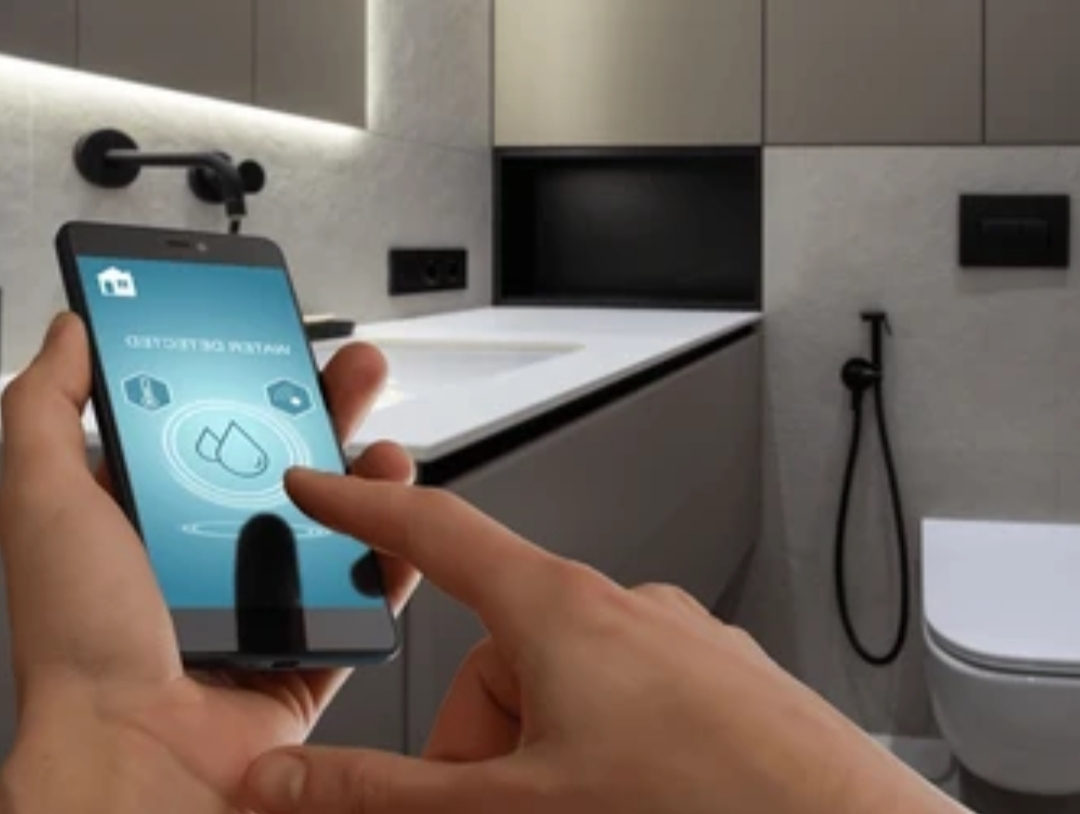
Introduction: Why Smart Water Sensors Are a Must-Have for Modern Homes 🚰
Water damage is one of the most common and costly issues homeowners face, often striking without warning.
Whether it’s a leaky pipe, overflowing toilet, or a cracked appliance hose, even a small leak can lead to thousands of dollars in repairs — not to mention the potential for mold and mildew.
In today’s connected world, more homeowners are asking “how to use smart water sensors for leak detection” — and for good reason.
These innovative devices use advanced technology to detect leaks early, send instant alerts to your phone 📱, and in some cases, even shut off your water automatically to prevent further damage.
💡 Smart water sensors are not just convenient — they are a proactive defense against water-related disasters.
Whether you’re living in a house, apartment, or even managing a vacation rental, installing these sensors is one of the easiest and most affordable ways to safeguard your property.
With the rise of the Internet of Things (IoT) and smart home integrations, water leak detection has gone far beyond just placing a basic sensor under your sink.
Modern systems can be fully integrated into your smart home ecosystem — including platforms like Google Assistant, Alexa, and Apple HomeKit — and allow you to receive real-time updates about the safety of your plumbing system from anywhere in the world 🌍.
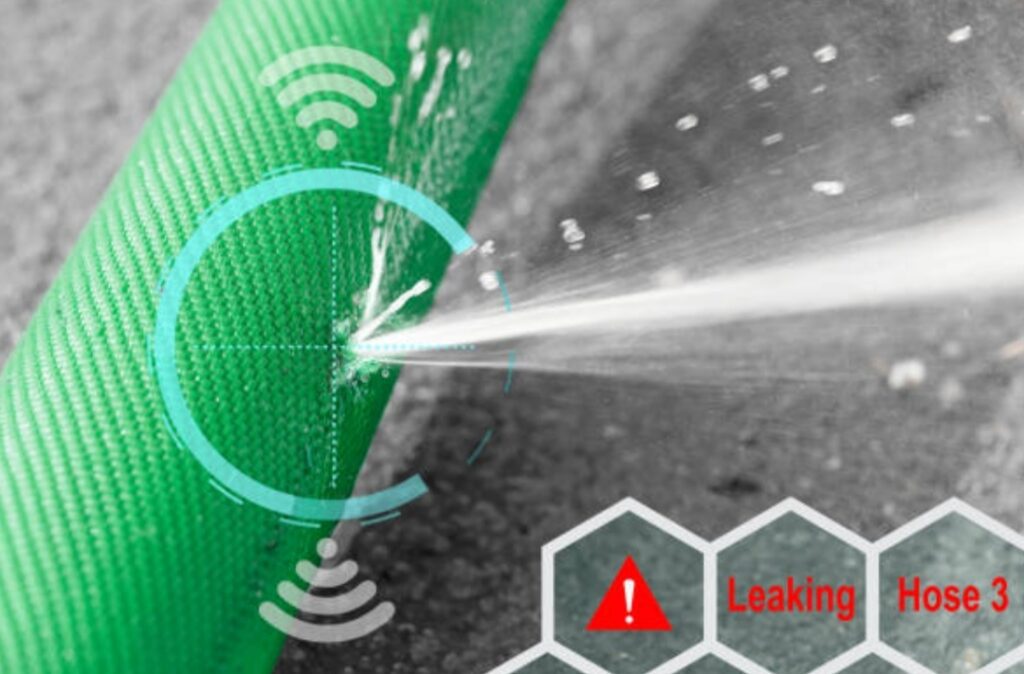
🛑 Did you know?
According to the Insurance Information Institute, water damage claims cost homeowners more than $13 billion annually in the U.S. alone.
That’s why understanding exactly how to use smart water sensors for leak detection is not just a smart idea — it’s essential.
In this comprehensive guide, we’ll walk you through everything you need to know to make an informed decision:
✅ What smart water sensors are and how they work
✅ Where and how to install them for optimal protection
✅ How to integrate them with your smart home
✅ How to maintain them for long-term reliability
✅ And which features to look for when buying one
By the end of this article, you’ll not only understand how these sensors work — but also how to choose the right system for your home and make sure you’re fully protected from the unexpected costs of water damage.
📌 Whether you’re tech-savvy or a beginner, this guide is for you.
Let’s dive in and future-proof your home with cutting-edge leak detection technology.
⚡ Don’t wait for disaster to strike. Invest in smart water sensors today and save yourself thousands in future repairs.
👉 Check out the best smart water sensors on Amazon
Understanding Smart Water Sensors 💡
Modern homes are getting smarter every day — and smart water sensors are now an essential part of any complete home automation and safety system.
If you’ve ever wondered what smart water sensors actually do, how they operate, and why they matter, you’re in the right place.
This section breaks it down in simple terms, giving you a full understanding before you learn how to use smart water sensors for leak detection effectively.
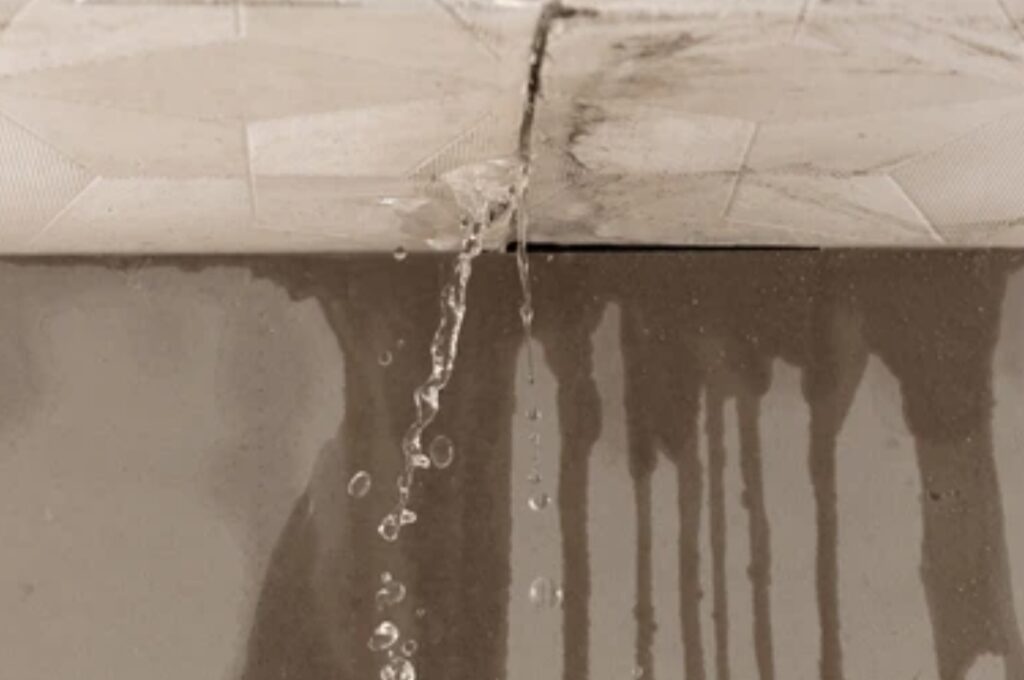
What Are Smart Water Sensors? 🤖
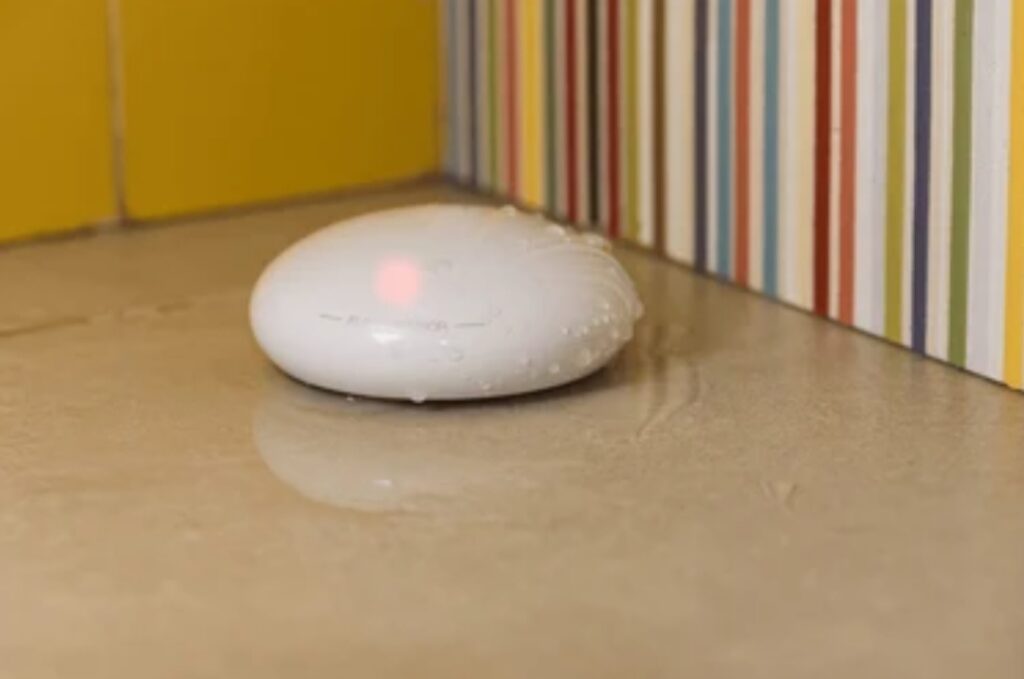
Smart water sensors are compact, Wi-Fi-enabled or Bluetooth-enabled devices that detect the presence of water or abnormal moisture levels in areas where leaks are likely to occur.
Unlike traditional water alarms that simply beep when they get wet, these smart devices communicate with your phone or smart home hub, sending instant notifications 📲 the moment a leak is detected.
Some advanced sensors go even further — they monitor humidity, temperature, and even detect slow leaks or freezing pipes ❄️ that could burst and cause damage.
🔍 Key Functions of Smart Water Sensors:
- Detect leaks instantly and alert users via app or SMS
- Monitor temperature and humidity (great for pipes in winter)
- Integrate with home systems like Google Assistant or Alexa
- Send real-time alerts to multiple users
- In some systems, they can trigger a shut-off valve to stop the water supply
How Do Smart Water Sensors Work? ⚙️
These devices use electrodes or sensors on their base to detect the presence of water.
When the sensor touches water, it completes an electrical circuit — triggering the alert system.
There are typically two types of smart water sensors:
- Standalone Smart Sensors:
These operate independently and send alerts to your smartphone app.
Perfect for small homes or apartments. - Integrated Systems with Shut-Off Valves:
These are part of a full leak detection and prevention system.
They not only detect water but can automatically shut off your home’s water supply via a connected smart valve.
🧠 Some advanced models even use AI learning and water usage tracking to detect anomalies — such as a toilet constantly running or an undetected drip — before a major problem arises.
Why Are Smart Water Sensors Important? 🚨
Most water damage goes unnoticed until it’s too late.
By the time you see a watermark on your ceiling or feel a damp carpet, the leak may have already caused structural damage.
🔔 Smart water sensors act as your home’s 24/7 leak detection watchdog.
They offer peace of mind by detecting water issues early, especially in:
- Basements
- Under sinks
- Behind washing machines or dishwashers
- Near water heaters
- Around HVAC units
- Attics and crawlspaces
💸 Did you know?
Just 1/8 inch of water can cause $25,000 in damage to your home — and insurance might not always cover the full cost.
That’s why knowing how to use smart water sensors for leak detection is more than just tech know-how — it’s a smart investment in your home’s safety.
Core Features to Look For in a Smart Water Sensor 📋
When choosing a smart water sensor, consider the following high-impact features:
✅ Wi-Fi or Hub-Based Connectivity
✅ Mobile Alerts (SMS/Push notifications)
✅ Battery life or wired power options
✅ Smart integrations (Alexa, Google Home, Apple HomeKit)
✅ Built-in temperature/humidity sensors
✅ Audible alarm backup in case of Wi-Fi outage
✅ Expandable system to cover multiple zones
These features help ensure your system is reliable, responsive, and easy to use.
Examples of Popular Smart Water Sensors on the Market 🛠️
🟢 Flo by Moen – Offers automatic shutoff and water usage analytics
🟢 Honeywell Lyric Wi-Fi Water Leak Detector – Includes temperature sensing
🟢 YoLink Smart Water Leak Sensor – Long-range LoRa tech
🟢 D-Link Wi-Fi Water Sensor – Budget-friendly and easy to install
🟢 Phyn Smart Water Assistant – Great for renters and homeowners alike
👉 Want to find the best one for your budget and home setup?
Click here to compare the top-rated smart leak detectors
⚠️ Don’t wait until your floor is flooded or mold starts to grow.
Act now and install smart sensors in high-risk areas of your home.
👉 Explore the latest smart water sensors on Amazon
Understanding Smart Water Sensors 💡
Modern homes are getting smarter every day — and smart water sensors are now an essential part of any complete home automation and safety system.
If you’ve ever wondered what smart water sensors actually do, how they operate, and why they matter, you’re in the right place.
This section breaks it down in simple terms, giving you a full understanding before you learn how to use smart water sensors for leak detection effectively.
What Are Smart Water Sensors? 🤖
Smart water sensors are compact, Wi-Fi-enabled or Bluetooth-enabled devices that detect the presence of water or abnormal moisture levels in areas where leaks are likely to occur.
Unlike traditional water alarms that simply beep when they get wet, these smart devices communicate with your phone or smart home hub, sending instant notifications 📲 the moment a leak is detected.
Some advanced sensors go even further — they monitor humidity, temperature, and even detect slow leaks or freezing pipes ❄️ that could burst and cause damage.
🔍 Key Functions of Smart Water Sensors:
- Detect leaks instantly and alert users via app or SMS
- Monitor temperature and humidity (great for pipes in winter)
- Integrate with home systems like Google Assistant or Alexa
- Send real-time alerts to multiple users
- In some systems, they can trigger a shut-off valve to stop the water supply
How Do Smart Water Sensors Work? ⚙️
These devices use electrodes or sensors on their base to detect the presence of water.
When the sensor touches water, it completes an electrical circuit — triggering the alert system.
There are typically two types of smart water sensors:
- Standalone Smart Sensors:
These operate independently and send alerts to your smartphone app.
Perfect for small homes or apartments. - Integrated Systems with Shut-Off Valves:
These are part of a full leak detection and prevention system.
They not only detect water but can automatically shut off your home’s water supply via a connected smart valve.
🧠 Some advanced models even use AI learning and water usage tracking to detect anomalies — such as a toilet constantly running or an undetected drip — before a major problem arises.
Why Are Smart Water Sensors Important? 🚨
Most water damage goes unnoticed until it’s too late.
By the time you see a watermark on your ceiling or feel a damp carpet, the leak may have already caused structural damage.
🔔 Smart water sensors act as your home’s 24/7 leak detection watchdog.
They offer peace of mind by detecting water issues early, especially in:
- Basements
- Under sinks
- Behind washing machines or dishwashers
- Near water heaters
- Around HVAC units
- Attics and crawlspaces
💸 Did you know?
Just 1/8 inch of water can cause $25,000 in damage to your home — and insurance might not always cover the full cost.
That’s why knowing how to use smart water sensors for leak detection is more than just tech know-how — it’s a smart investment in your home’s safety.
Core Features to Look For in a Smart Water Sensor 📋
When choosing a smart water sensor, consider the following high-impact features:
✅ Wi-Fi or Hub-Based Connectivity
✅ Mobile Alerts (SMS/Push notifications)
✅ Battery life or wired power options
✅ Smart integrations (Alexa, Google Home, Apple HomeKit)
✅ Built-in temperature/humidity sensors
✅ Audible alarm backup in case of Wi-Fi outage
✅ Expandable system to cover multiple zones
These features help ensure your system is reliable, responsive, and easy to use.
Examples of Popular Smart Water Sensors on the Market 🛠️
🟢 Flo by Moen – Offers automatic shutoff and water usage analytics
🟢 Honeywell Lyric Wi-Fi Water Leak Detector – Includes temperature sensing
🟢 YoLink Smart Water Leak Sensor – Long-range LoRa tech
🟢 D-Link Wi-Fi Water Sensor – Budget-friendly and easy to install
🟢 Phyn Smart Water Assistant – Great for renters and homeowners alike
👉 Want to find the best one for your budget and home setup?
Click here to compare the top-rated smart leak detectors
⚠️ Don’t wait until your floor is flooded or mold starts to grow.
Act now and install smart sensors in high-risk areas of your home.
👉 Explore the latest smart water sensors on Amazon
Benefits of Using Smart Water Sensors for Leak Detection 💧🧠
When it comes to protecting your home proactively, smart water sensors offer more than just peace of mind — they deliver practical, cost-saving, and potentially life-saving benefits.
In this section, you’ll learn exactly why installing a smart water sensor isn’t just a “nice-to-have” — it’s a must-have for every modern household.
Knowing how to use smart water sensors for leak detection can make all the difference between a quick fix and a financial nightmare.
1. Instant Leak Alerts — Anytime, Anywhere 📱
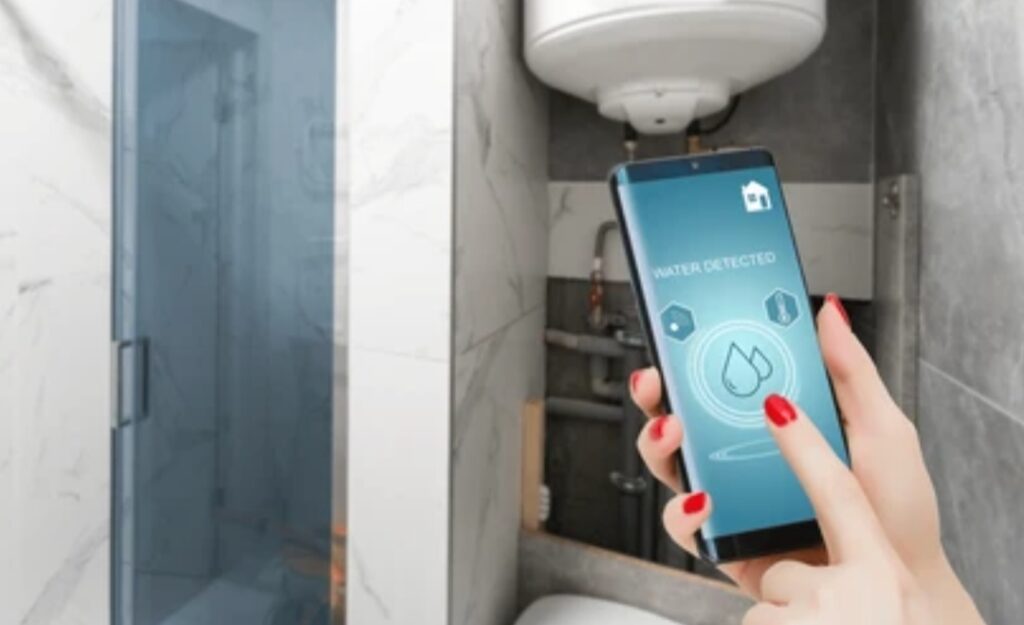
Smart water sensors are designed to detect leaks as soon as they happen and immediately notify you via push notifications, SMS, or email.
Whether you’re at work, on vacation, or sleeping at night, you’ll get real-time alerts the moment water is detected.
✅ Benefit: This instant awareness means you can act before damage spreads, saving you time, money, and stress.
🧠 Pro Tip: Set up multiple alert recipients (e.g., your spouse or property manager) to ensure quick action even if you miss the first alert.
2. Protects High-Risk Areas in Your Home 🏠
Leak-prone areas like the basement, under sinks, laundry room, water heater closet, or behind the fridge are common sources of costly water damage.
✅ Benefit: By placing smart sensors in these zones, you’re adding multiple layers of defense across your home.
🔍 Common Smart Sensor Zones:
- Under dishwashers
- Behind washing machines
- Near HVAC units
- Around toilets and bathtubs
- Under kitchen and bathroom sinks
Insert sensor recommendations here
3. Reduces Water Damage Costs Significantly 💸
Insurance claims for water damage can average $10,000 or more.
And depending on your policy, you might not be covered for slow leaks or negligence.
✅ Benefit: Using smart sensors reduces the risk of major damage, potentially lowering your premiums or even earning discounts from some insurers.
💡 According to the Insurance Information Institute, water damage accounts for nearly 24% of all home insurance claims.
Early detection = less damage = fewer claims.
4. Helps Prevent Mold and Mildew Growth 🦠
Hidden leaks that go undetected for days or weeks often result in dangerous mold and mildew, leading to health hazards and costly remediation.
✅ Benefit: By detecting leaks early, you prevent excess moisture buildup and protect your family’s respiratory health and air quality.
👃 If you’ve ever dealt with a musty smell or allergic reactions from unseen mold, you know just how serious this can be.
5. Integration with Smart Home Systems 🔗
Most smart water sensors today are compatible with home automation platforms like Google Assistant, Amazon Alexa, SmartThings, and Apple HomeKit.
✅ Benefit: This allows seamless integration into your existing smart ecosystem, and some setups can even shut off water automatically when a leak is detected.
💡 Bonus: Some systems can combine leak detection with other functions — such as turning off connected appliances or sending a voice alert through a smart speaker.
6. Easy Setup, Minimal Maintenance 🔧
You don’t need to be a tech expert or plumber to install smart water sensors.
Most are plug-and-play or battery-operated, with app-based setup that takes just minutes.
✅ Benefit: Unlike traditional leak alarms, these sensors require little to no maintenance, and many offer battery alerts when power is low.
🛠️ You can even install them with adhesive pads or magnetic strips, depending on the location.
7. Remote Monitoring for Second Homes or Rentals 🏡
Do you own a vacation home, Airbnb, or rental property?
Smart water sensors allow you to monitor for leaks without being physically present.
✅ Benefit: Prevent costly damage during tenant stays or off-season periods when no one is around to notice a drip or burst pipe.
📦 Some smart water leak detection kits come with multi-sensor packs — perfect for landlords or property managers.
8. Peace of Mind 24/7 😌
Ultimately, one of the biggest benefits of using smart water sensors is peace of mind.
You’ll sleep better knowing that your home is protected against one of the most unpredictable and expensive types of home damage.
✅ Benefit: These devices silently monitor your space and alert you only when it matters, reducing stress and offering confidence in your home’s safety.
💬 “It’s like having a digital plumbing guard watching over your house 24/7.”
✅ Summary: Top Benefits at a Glance 📝
Here’s a quick recap of what you gain:
| 💡 Feature | 🎯 Benefit |
| Real-time alerts | Act fast, prevent damage |
| Full coverage | Protect multiple zones |
| Insurance savings | Fewer claims, lower premiums |
| Mold prevention | Healthier indoor air |
| Smart integration | Full home automation |
| Easy setup | No tools required |
| Remote access | Perfect for second properties |
| Peace of mind | Always-on protection |
⚡ Take Action Today
Don’t wait until disaster strikes. Install smart water sensors now and protect your biggest investment — your home.
👉 Browse the most trusted smart water sensor systems now
Optimal Placement of Smart Water Sensors for Maximum Leak Detection Accuracy 📍💦
Installing smart water sensors is only half the battle — where you place them matters just as much.
To truly harness the power of smart leak detection technology, strategic placement in key risk zones can drastically improve early detection, save thousands in water damage, and even help you qualify for insurance discounts.
This guide will help you understand the best places to install your smart sensors, especially if you’re trying to learn how to use smart water sensors for leak detection effectively.
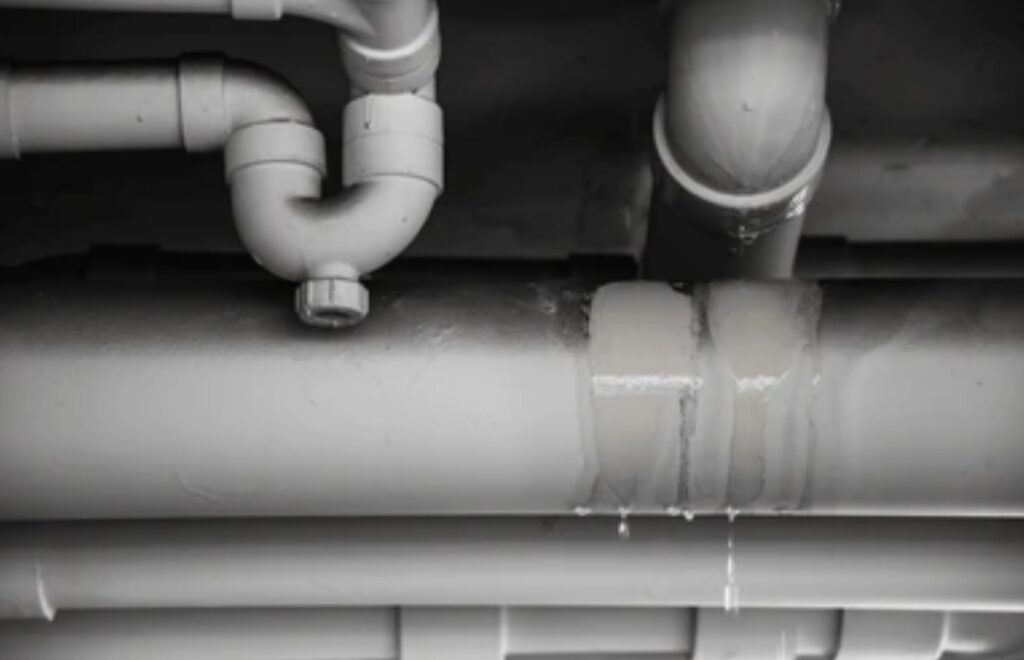
Why Placement Matters More Than You Think 🎯
Poorly placed sensors may miss small leaks, delay detection, or produce false alarms.
By understanding where leaks are most likely to occur, you maximize the efficiency of your smart water monitoring system and ensure you’re getting the best value from your investment.
✅ Pro Insight: Think like a plumber — place sensors where water is likely to flow or accumulate if a failure occurs.
High-Risk Areas Where You Must Install Smart Water Sensors 🔥
Here are the top locations where smart water sensors should be installed for optimal protection:
1. Under Kitchen and Bathroom Sinks 🚰
Leaks from faucets, supply lines, and drain pipes are common and often go unnoticed.
📌 Sensor Tip: Place the sensor at the back of the cabinet, near the pipe connections.
This is usually where slow leaks begin and mold can grow.
2. Around Toilets and Bathtubs 🚽🛁
Overflow or slow drips from toilet tanks and tub seals can cause hidden floor damage.
📌 Sensor Tip:
Place the sensor beside the base of the toilet or tub, where water tends to pool if there’s a leak.
3. Behind Dishwashers and Washing Machines 🧼👚
Supply hose failures from appliances cause some of the most expensive and destructive leaks.
📌 Sensor Tip:
Slide a low-profile sensor under or just behind the appliance for early detection.
4. Near Water Heaters ⚡🔥
Water heaters often corrode at the base, creating small puddles that go unnoticed for weeks.
📌 Sensor Tip:
Place the sensor on the floor beside the heater, but not under it — this ensures detection without obstructing drainage.
5. In the Basement or Crawl Space 🏚️
Basements are notorious for leaks from pipes, sump pumps, and foundation cracks.
📌 Sensor Tip:
Use multiple sensors across different zones, especially near exterior walls and plumbing joints.
6. Attic or HVAC Drip Pans 🌡️
Leaking A/C units and roof leaks often appear in the attic before reaching visible ceilings.
📌 Sensor Tip:
Place a sensor inside or next to HVAC condensation drip pans and under attic plumbing lines.
7. Near Water Main Entry Points and Shut-Off Valves 💧🔧
If the main valve leaks or fails, early detection at this spot can prevent a full-house flood.
📌 Sensor Tip:
Place sensors on both sides of the main valve — before and after — if you can.
Sensor Placement Best Practices ✔️
Use these general rules to make sure your installation is optimized:
- ✅ Keep sensors low to the ground (water pools at the bottom)
- ✅ Avoid placing directly in puddles — false alarms may occur
- ✅ Avoid high-humidity zones without active leaks
- ✅ Place flat on hard surfaces for accurate detection
- ✅ Test sensor placement with a few drops of water before final setup
- ✅ Label and name each sensor in your app based on its location

How Many Sensors Do You Really Need? 🔢
The number depends on the size and plumbing layout of your home, but here’s a quick rule of thumb:
🏡 Small apartment: 3–5 sensors
🏠 Single-family home: 6–10 sensors
🏘️ Multi-level or large home: 10–20+ sensors (especially if you have a basement and attic)
💡 Some kits come with multi-packs or allow you to add on later.
👉 See top-rated multi-sensor leak detection kits here
Placement Mistakes to Avoid ❌
Avoid these common errors to ensure your smart leak detection system performs at its best:
- ❌ Don’t place sensors where they can be submerged constantly (e.g., in a sump pit)
- ❌ Don’t mount on walls — floor contact is critical for detection
- ❌ Don’t skip rooms just because you “haven’t had a leak before” — leaks are often unpredictable
- ❌ Don’t forget to check battery levels every 6–12 months
✅ Where to Place Smart Water Sensors? 📦
Q: Where should I place smart water sensors for effective leak detection?
A: The best locations for smart water sensors include under sinks, behind appliances, near water heaters, toilets, bathtubs, HVAC systems, and in basements or crawl spaces.
Place them directly on the floor, in leak-prone areas where water is likely to accumulate. Proper placement is key to maximizing early detection and minimizing damage.
Integrating Smart Water Sensors with Home Automation 🏠🔗
One of the biggest advantages of using smart water sensors is their ability to connect with broader home automation systems, turning passive leak detection into proactive prevention.
By integrating your water sensors with your smart home ecosystem, you can automatically shut off water, receive real-time mobile alerts, or even trigger emergency protocols — all without lifting a finger.
For anyone wondering how to use smart water sensors for leak detection efficiently, integration is the key to full automation and peace of mind.
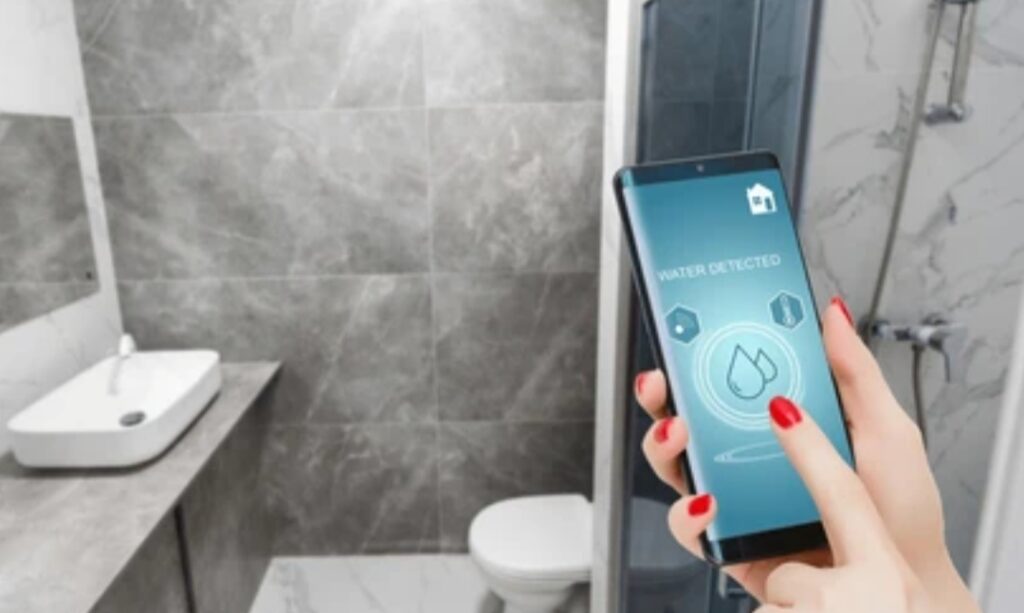
Why Integration Matters in Modern Smart Homes 🧠💧
Today’s smart homes are more than just Wi-Fi-enabled lights and voice assistants.
With the right setup, smart water sensors can communicate with other devices to prevent leaks from becoming disasters.
Here’s why integration is essential:
- 🚨 Immediate response without your involvement
- 🚿 Auto shut-off valves activate instantly to stop flooding
- 📲 Receive instant push notifications on your smartphone
- 🤖 Enable intelligent routines like turning off HVAC if water is detected nearby
- 🔔 Trigger alarms or smart speakers to alert anyone at home
This level of automation-driven response can reduce water damage, lower insurance premiums, and even save your property from costly repairs.
Compatible Smart Home Systems & Platforms 🤝
Most high-quality smart water sensors can integrate seamlessly with:
- 🗣 Amazon Alexa – Get voice alerts or ask, “Alexa, is there a leak in the basement?”
- 📱 Google Home – View leak statuses and receive Google Assistant alerts
- 🛠️ Samsung SmartThings – Create automation rules and connect with dozens of smart devices
- 🌐 Apple HomeKit – Secure and private integration with iOS, ideal for Apple users
- 📡 IFTTT (If This Then That) – Build custom routines like “If water is detected, then turn off water heater”
If your goal is full smart home integration, make sure to choose sensors that support these ecosystems out of the box.
👉 Explore compatible water sensors with SmartThings & Alexa here
How to Integrate Smart Water Sensors – Step-by-Step ⚙️
Here’s how to quickly connect your sensors to your home automation system:
1. Set Up the Sensor on Its Native App 📲
- Install the manufacturer’s app (e.g., Moen, Govee, Flo by Moen, YoLink)
- Follow prompts to add the device to your Wi-Fi network
- Test detection by placing a few drops of water near the sensor
2. Connect to Smart Hub or Voice Assistant 🎛️
- Open your SmartThings, Alexa, or Google Home app
- Tap “Add Device” or “Link Account”
- Select the sensor brand and follow linking instructions
- Authorize integration and assign it to a room
3. Create Automation Rules 🔁
Use built-in routines or IFTTT automation to set responses like:
- “If leak is detected, then shut off water valve”
- “If water detected in basement, then turn on dehumidifier”
- “Send emergency SMS if leak detected at night”
🧠 Some advanced systems like Flo by Moen and Phyn Plus include automatic shutoff valves — ideal for full automation.
4. Enable Notifications and Voice Control 🔊
- Enable push notifications
- Use voice commands with Alexa/Google:
“Is there a leak in the house?”
“Turn off water main” (if integrated with shut-off valve)
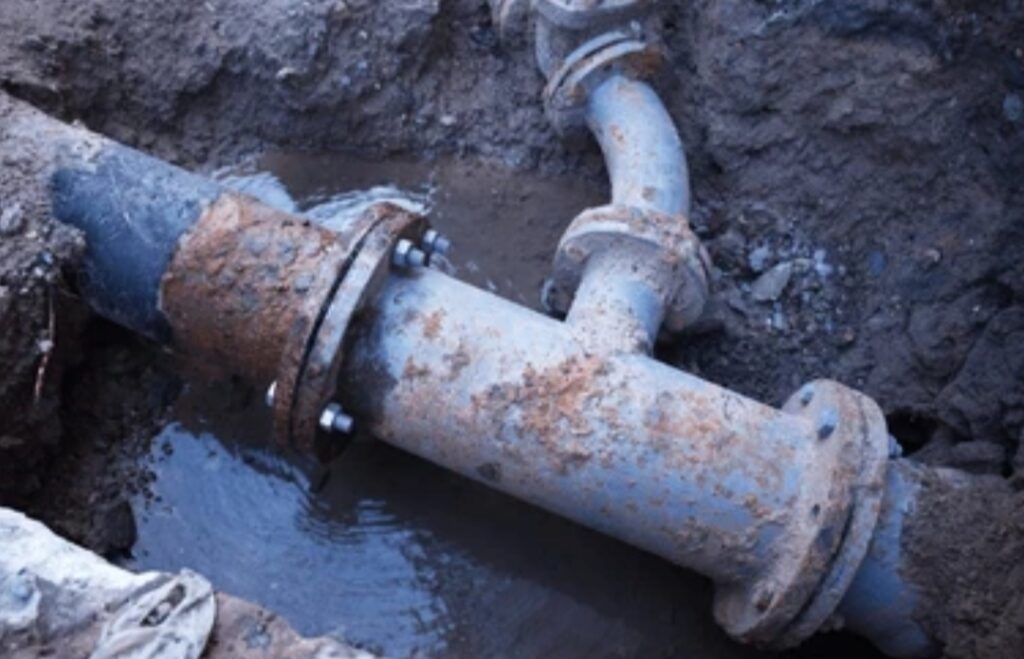
Examples of Smart Automation in Action 🔍
Here are real-world examples of powerful integrations:
✅ Basement Sensor + Smart Valve + Alexa:
If the basement sensor detects a leak, the smart shut-off valve closes immediately, Alexa announces “Leak in basement,” and your phone receives an alert.
✅ Laundry Room Sensor + Google Home:
Water detected under the washer? Google Assistant sends you an alert, turns off the water to the washer, and blinks smart bulbs red in warning.
Tips for Successful Integration 💡
- ✅ Ensure your router has strong Wi-Fi in sensor zones
- ✅ Use hubs like SmartThings for advanced rule-building
- ✅ Update firmware regularly to maintain compatibility
- ✅ Label each sensor clearly in your apps for faster identification
- ✅ Test integrations monthly with a water drop test
✅ Can Smart Water Sensors Work with Home Automation Systems?
Q: Can smart water sensors be integrated with home automation systems?
A: Yes. Most smart water sensors integrate with popular platforms like Amazon Alexa, Google Home, Samsung SmartThings, and IFTTT.
Integration allows for automatic shut-off valves, instant alerts, and voice control — helping prevent major water damage through intelligent automation.
Maintenance and Best Practices 🔧✅
Once you’ve successfully installed and integrated your smart water sensors, the next most important step is ongoing maintenance and adopting best practices.
These actions not only extend the life of your devices but ensure they work when you need them most—especially in unexpected emergencies.
Knowing how to use smart water sensors for leak detection isn’t just about setup—it’s also about reliable performance over time.
Let’s break down exactly what you need to do to keep your system working like new.
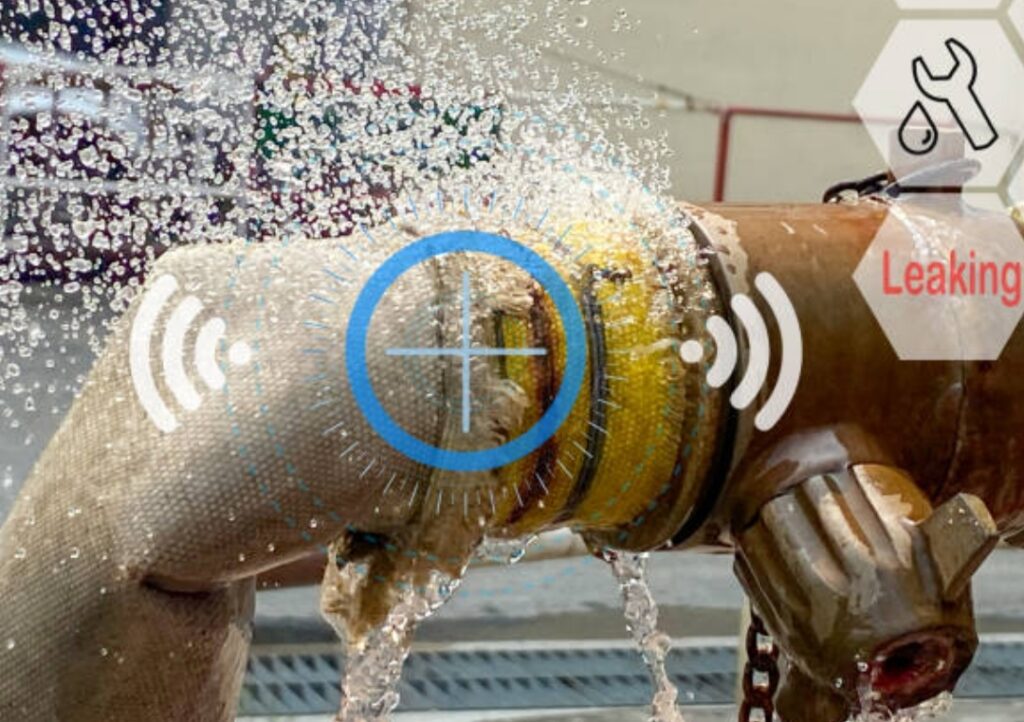
Regular Testing for Functionality 🧪
Testing your sensors monthly is essential.
This ensures the sensors are functioning properly and will alert you in case of a leak.
How to do it:
- Use a damp cloth or small container of water to trigger the sensor
- Confirm that your smartphone receives an alert instantly
- If integrated with smart shutoff valves or alarms, ensure they activate as expected
- Log your test date in a calendar or smart home app
🧠 Tip: Set a monthly phone reminder to run a quick test — it takes 5 minutes and could save you thousands.
Keep Batteries Charged and Sensors Powered 🔋⚡
Most smart water sensors are battery-powered.
Dead batteries = zero protection.
To avoid failure at critical moments:
- Use long-life lithium batteries when possible
- Check battery status monthly via the app
- Replace batteries every 6–12 months or sooner if prompted
- For wired models, ensure power adapters are secure and functional
💡 Some advanced models will alert you before batteries run low — make sure those alerts are turned ON.
Clean Sensor Contacts and Environment 🧼🌬️
Dust, debris, or corrosion can reduce a sensor’s ability to detect water accurately.
Cleaning tips:
- Wipe sensors with a dry microfiber cloth every 2–3 months
- Avoid spraying cleaners or water directly on the device
- Check for spider webs or pests that could interfere with contact points
- Vacuum around the area to prevent buildup of dust or insulation
🛑 Never submerge the sensor or expose it to prolonged moisture while cleaning.
Update Firmware and Mobile Apps Regularly 🔄📲
Outdated firmware can cause bugs, missed alerts, or integration failure with your smart home hub.
To stay current:
- Turn on auto-update in your sensor’s companion app
- Regularly check the manufacturer’s website or app for firmware releases
- Keep your smart home hub updated too (SmartThings, Alexa, etc.)
🧠 Firmware updates often include better detection algorithms or security enhancements — don’t skip them!
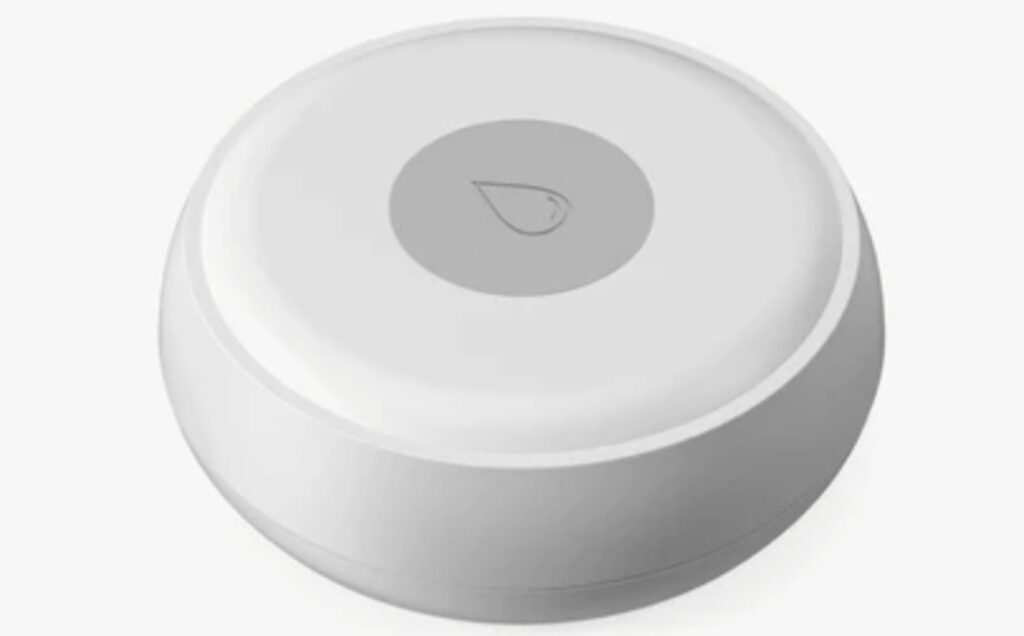
Replace or Upgrade Outdated Devices 🆕🚿
If your sensor is older than 3–5 years, it might not support newer Wi-Fi bands or home automation platforms.
Consider upgrading if:
- It frequently disconnects or misses alerts
- The app no longer updates or is unsupported
- You want enhanced features like auto shut-off, temperature tracking, or humidity monitoring
👉 Check out the best-reviewed smart water sensors for 2025 here
Best Practices for Long-Term Use 🛡️📌
Follow these golden rules to ensure long-term protection and reliability:
- ✅ Label sensors in the app clearly (e.g., “Basement Leak Sensor”)
- ✅ Place sensors in low-traffic areas to avoid accidental displacement
- ✅ Use water leak sensor mats for broader coverage
- ✅ Consider backup power if your home loses electricity often
- ✅ Review your sensor logs and detection history every few months
💡 Keep a record of previous leak alerts to identify patterns in recurring problems like plumbing or appliance issues.
✅ How Do You Maintain Smart Water Leak Sensors?
Q: How do you maintain smart water sensors for leak detection?
A: Regular maintenance includes testing sensors monthly, replacing batteries annually, cleaning sensor contact points, keeping firmware updated, and monitoring alerts through the app.
These steps ensure your water leak detection system stays reliable and effective over time.
🔐 Your smart water sensors are only as reliable as the care you give them.
👉 Get sensors that come with built-in diagnostics and health checks
Choosing the Right Smart Water Sensor 💡🔍
When it comes to protecting your home from unexpected water damage, not all smart water sensors are created equal.
Understanding how to use smart water sensors for leak detection starts with choosing the right device tailored to your needs, budget, and environment.
With so many models on the market—ranging from budget-friendly to professional-grade—making the right choice can make all the difference in ensuring early detection, reliable alerts, and smooth integration with your smart home.
Let’s explore the key criteria and compare the best options available in 2025.
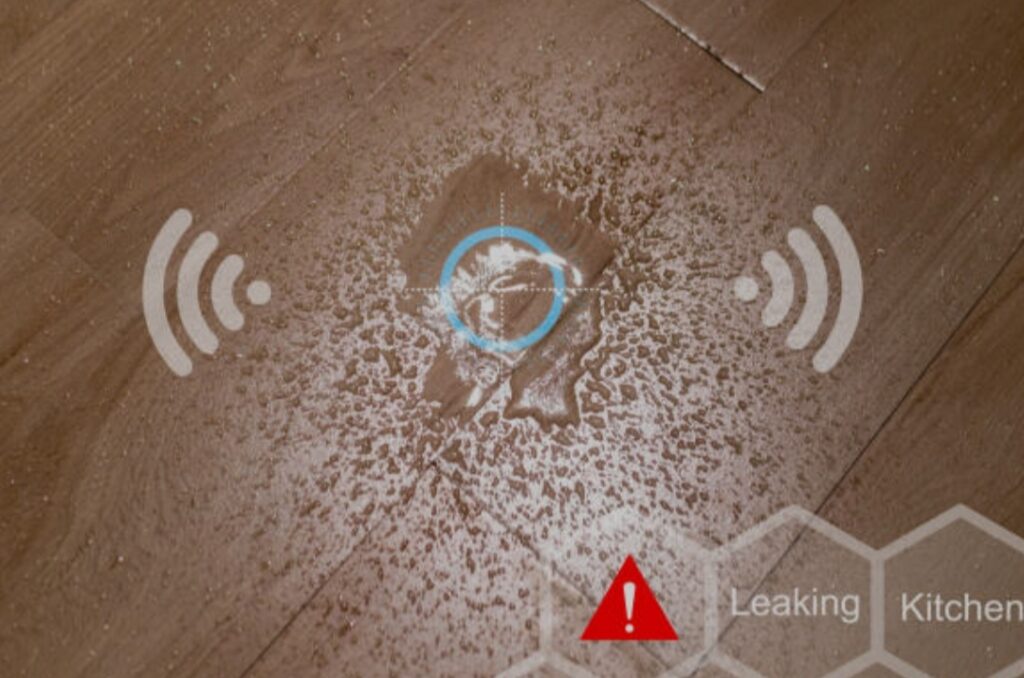
Key Features to Look For in a Smart Water Sensor 🛠️
When selecting a smart leak sensor, prioritize these must-have features:
- 🛎 Real-Time Alerts: Ensure it sends instant push notifications, texts, or emails when water is detected
- 📶 Wi-Fi or Hub Compatibility: Choose between direct Wi-Fi models or ones that require smart hubs (e.g., SmartThings, Zigbee, Z-Wave)
- 🔋 Long Battery Life: Look for sensors with batteries that last 1–2 years and include battery health monitoring
- 🌊 Wide Detection Area: Some models use extended probes or sensor mats to cover more ground
- 🧠 Smart Integration: Confirm support for Alexa, Google Home, IFTTT, or Apple HomeKit
- 🚰 Automatic Water Shut-Off Valve Integration: Critical for minimizing damage automatically when a leak is detected
- 📈 Temperature & Humidity Monitoring: Bonus features that help prevent mold and pipe freezing
- 🔧 Durability and Water Resistance: Sensors should be IP-rated to withstand long-term moisture exposure
👉 Compare top-rated smart water sensors with advanced features here
Types of Smart Water Sensors Available 🧯
Smart leak sensors fall into different categories, each suitable for different environments:
1. Standalone Sensors (Wi-Fi Based) 📡
These devices connect directly to your Wi-Fi network and don’t require a hub.
Best for: Apartments, smaller homes, beginners
- Example brands: Govee, D-Link, Honeywell
- Easy to install
- App-controlled, good for real-time alerts
2. Hub-Based Sensors (Zigbee/Z-Wave) 🧠
Require a smart home hub like SmartThings, Aqara Hub, or Home Assistant.
Best for: Larger smart homes with multiple automation devices
- Better for advanced routines and automation
- Usually more reliable and power-efficient
- Works well in mesh networks
3. Sensors with Shut-Off Valves 💧🔒
These include or connect to automatic water shutoff valves.
Best for: Homeowners who want full flood prevention control
- Brands: Flo by Moen, Phyn Plus, Guardian
- Stops water flow immediately upon detection
- Often monitored via app with historical data
👉 Shop auto shut-off leak sensors here
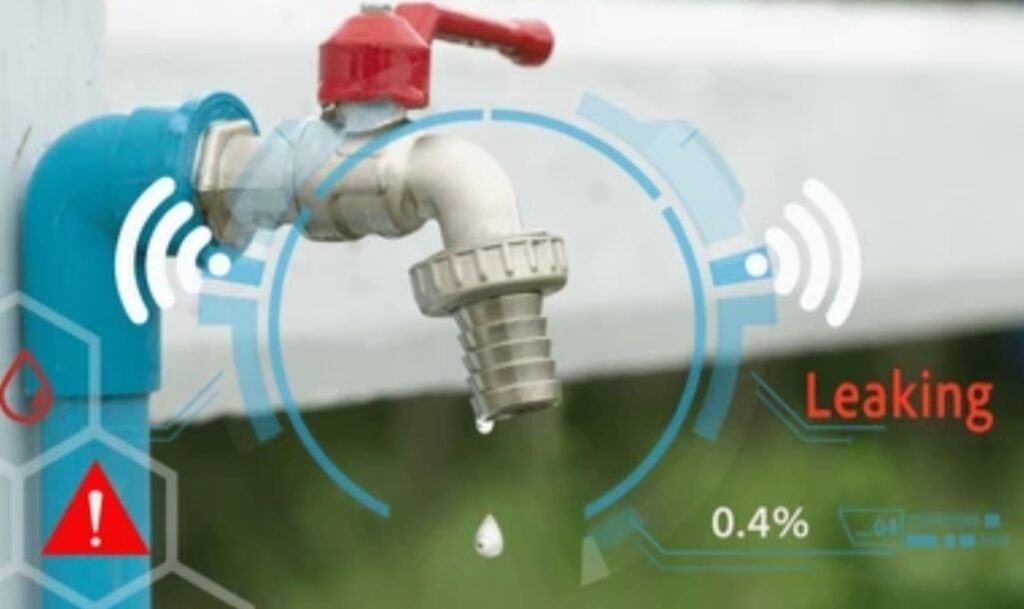
Top Smart Water Sensor Brands in 2025 🏆
Here are some top-performing and trusted smart leak sensors based on user reviews, features, and long-term reliability:
| Brand | Key Feature | Best Use Case |
| Flo by Moen | Built-in shutoff + AI leak detection | Whole-home coverage |
| Govee | Affordable & Wi-Fi ready | Budget-conscious homeowners |
| Phyn Plus | Tracks water usage + automatic shutoff | Advanced users |
| YoLink | Long-range coverage + battery life (10 yrs) | Large homes & basements |
| Honeywell | Expandable sensors + audible alerts | Appliance monitoring |
Factors to Consider Before Buying 🧾
Before hitting the “Buy Now” button, ask yourself:
- ✅ Where will I place these sensors?
- ✅ Do I need shutoff capabilities or alerts only?
- ✅ Am I already using a smart home platform?
- ✅ Do I have reliable Wi-Fi in the area?
- ✅ What’s my budget for installation and upkeep?
💡 Don’t just go for the cheapest option. Consider total cost of ownership, including battery replacement and integration tools.
✅ How to Choose a Smart Water Sensor?
Q: How do I choose the right smart water sensor for my home?
A: Consider real-time alerts, smart home compatibility, battery life, detection range, and whether it supports automatic water shutoff.
Choose based on your home size, Wi-Fi setup, and preferred features like temperature monitoring or remote access.
🛡️ Investing in the right smart leak detector today could save you from thousands in repairs tomorrow.
👉 View best-reviewed smart water sensors for your home here
Common Mistakes to Avoid with Smart Leak Detectors 🚫💦
Even the most advanced smart water sensors won’t protect your home effectively if they’re not used correctly.
Many homeowners invest in these devices but make small errors that completely undermine their effectiveness.
To truly master how to use smart water sensors for leak detection, it’s critical to understand what not to do.
Avoid these common pitfalls to ensure you’re getting the maximum protection and value from your investment.
1. Placing Sensors in the Wrong Locations 📍❌
One of the most frequent mistakes is installing the sensors in areas that are unlikely to detect early leaks.
Mistake: Placing sensors too far from potential leak points like under the sink, near appliances, or around water heaters.
✅ Tip: Position sensors where leaks are most likely—behind toilets, under dishwashers, near the sump pump, or in the basement.
👉 Learn where to install leak detectors for maximum protection
2. Forgetting to Test the Sensor Regularly 🔄
Like smoke detectors, leak sensors need to be tested.
People often assume it’ll just work—until it doesn’t.
Mistake: Skipping regular tests can lead to missed leaks or false confidence.
✅ Tip: Test your smart leak sensor every 1–2 months by placing a damp cloth beneath it or using a drop of water.
3. Ignoring Battery Levels or Low-Battery Warnings 🔋🚨
A dead battery = no protection.
Mistake: Overlooking the importance of checking battery status or ignoring app notifications.
✅ Tip: Set calendar reminders to check or replace batteries.
Choose models with long-lasting batteries and visible battery indicators.
4. Not Connecting to Your Smart Home Network Properly 🌐📶
If your sensor isn’t connected to your network—or loses signal—you won’t receive critical alerts.
Mistake: Incomplete setup or weak Wi-Fi in the area of installation.
✅ Tip: Use Wi-Fi extenders if needed.
For hub-based systems, ensure proper pairing and range.
5. Failing to Set Up Real-Time Notifications 📱💬
What’s the point of leak detection if you’re never alerted?
Mistake: Not enabling push notifications or failing to configure app settings.
✅ Tip: Customize alerts by SMS, email, or phone notifications.
Link to home automation platforms like Alexa or IFTTT for added functionality.
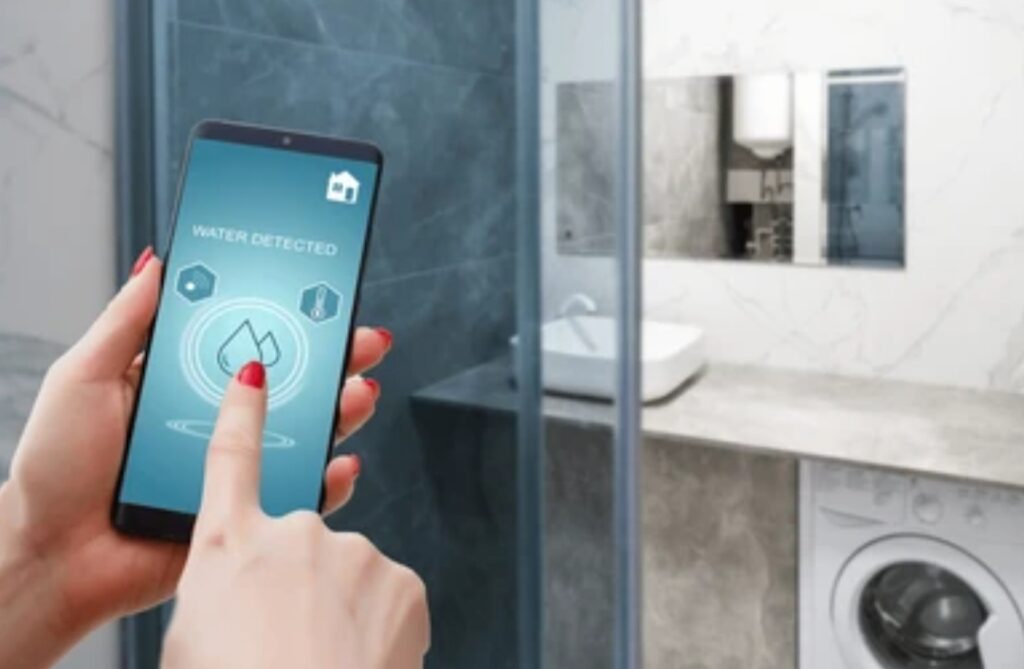
6. Not Pairing with an Auto Shut-Off Valve 🚰🔒
If you’re away from home, knowing about a leak won’t stop the damage.
Mistake: Using detection-only sensors without an automated shutoff solution.
✅ Tip: Invest in systems that integrate with smart shutoff valves.
This combination provides the ultimate defense—detection and prevention.
👉 Browse smart leak detectors with auto shut-off capability
7. Overlooking Firmware and App Updates 🔄📲
Updates often contain important security patches and performance improvements.
Mistake: Ignoring update prompts from the device or app.
✅ Tip: Regularly check for firmware or software updates via the manufacturer’s app.
✅ What Are Common Mistakes to Avoid With Smart Leak Detectors?
Q: What mistakes should I avoid when using smart water sensors for leak detection?
A: Avoid poor sensor placement, neglecting battery checks, failing to test the device, skipping network setup, not enabling alerts, and using sensors without shutoff valves.
Regular maintenance and testing are essential for optimal protection.
🚨 Don’t let small oversights lead to major water damage!
👉 Discover foolproof smart water leak sensors for reliable home protection
Cost vs. Value: Are Smart Water Sensors Worth It? 💸✅
If you’re wondering whether investing in smart water sensors is worth the cost, you’re not alone.
Many homeowners weigh the upfront price against the potential for future savings, especially when comparing various smart home upgrades.
But when it comes to leak detection, the real question isn’t “Can I afford it?” — it’s “Can I afford not to?”
In this section, we’ll break down the costs, long-term benefits, and ROI to help you determine if smart water sensors make sense for your home.
Upfront Cost Breakdown 🧾
Smart water sensors vary in price depending on features, connectivity, and brand.
- 💲 Basic Models (Wi-Fi only): $20–$50 each
- 💲💲 Mid-Range with App & Notifications: $50–$100
- 💲💲💲 Advanced Systems with Shutoff Valves: $200–$600+
You may also need:
- 🔋 Replacement batteries ($10–$30 annually)
- 🌐 Smart hubs (if required): $50–$100
👉 Compare affordable smart leak detection devices
Long-Term Savings from Leak Prevention 💰
According to the Insurance Information Institute:
💧 “The average water damage claim costs over $11,000, and water damage is one of the most common home insurance claims.”
A single leak under your sink or water heater could go undetected for days—or even weeks—if you don’t have a proper alert system.
With smart leak detectors, you can:
- Avoid costly repairs from burst pipes or mold
- Catch slow leaks early, preventing long-term damage
- Reduce insurance premiums in some cases (check with your provider!)
- Extend appliance lifespan by preventing corrosion and moisture buildup
Value Beyond Detection 📲🏠
Smart water sensors offer more than leak alerts—they also add convenience, peace of mind, and automation features:
- 📦 Monitor your home remotely when you’re on vacation
- 🤖 Integrate with other smart devices for automated routines (e.g., auto shutoff + alarm trigger)
- 🌡️ Detect freezing temps or high humidity to prevent pipe bursts or mold
👉 Check insurance-approved water sensors for added savings
Return on Investment (ROI) Analysis 📊
| Scenario | With Smart Sensors | Without Smart Sensors |
| Minor appliance leak | $0–$50 (quick fix) | $500+ in floor damage |
| Major pipe burst (unattended) | $2000–$5000 saved | $5,000–$15,000 in damages |
| Mold cleanup from slow leaks | Avoided entirely | $2,000–$6,000 remediation |
| Lowered insurance premiums | -$50–$150/year | No reduction |
A one-time investment of $50–$300 can literally save thousands of dollars and countless hours of stress.
✅ Are Smart Water Sensors Worth the Money?
Q: Are smart water sensors worth buying for your home?
A: Yes. Smart water sensors help detect leaks early, preventing thousands of dollars in water damage.
They provide real-time alerts, integrate with smart home systems, and may even reduce your homeowner’s insurance.
The upfront cost is low compared to the high potential savings.
💡 Protect now or pay later — the choice is yours.
👉 Browse the best-value smart water sensors of 2025
FAQs – Smart Water Leak Detectors Explained 💡❓
Having questions about how to use smart water sensors for leak detection is completely normal—especially if this is your first time diving into smart home technology.
This FAQ section answers the most frequently asked questions to clear your doubts and help you make informed decisions.
Q1. How do smart water sensors work?
Smart water sensors detect the presence of moisture or water using built-in probes.
Once they sense a leak, they send instant alerts via smartphone apps, email, or text message.
Advanced models can also trigger automatic shut-off valves or alert smart home hubs.
Q2. Where should I place smart water leak detectors in my home?
You should place them near high-risk leak zones, such as:
- Under sinks and behind toilets
- Around washing machines and dishwashers
- Near water heaters and HVAC systems
- In basements or crawl spaces
👉 Find a placement guide for water leak detectors
Q3. Can I install smart leak detectors myself, or do I need a professional?
Most smart water sensors are plug-and-play and easy to install yourself with no tools required.
If you’re using sensors with smart shutoff valves or integrating into complex automation systems, you may want to consult a pro.
Q4. Do smart water sensors work without Wi-Fi?
Some basic models use local alarms without Wi-Fi.
However, most smart features—like remote alerts and automation—require Wi-Fi or a smart home hub (like Zigbee or Z-Wave).
Q5. What happens if there’s a false alarm?
False alarms are rare but can occur due to humidity, condensation, or accidental contact with water.
Most devices allow you to customize sensitivity levels or mute false alerts directly in the app.
Q6. Are smart water leak detectors worth the investment?
Absolutely. Even one detected leak can save you thousands in water damage repairs, not to mention stress and time.
They offer high ROI, peace of mind, and even potential insurance discounts.
👉 See why these detectors are a smart investment
Q7. How often should I test or replace smart water sensors?
You should:
- Test them every 1–2 months
- Replace batteries every 6–12 months (or use rechargeable ones)
- Update firmware regularly via the app
Q8. Can I connect multiple sensors to one app?
Yes! Most systems allow you to manage multiple sensors from a single app dashboard—perfect for larger homes or vacation properties.
✅ What You Should Know About Smart Leak Sensors
Q: What should I know about using smart water sensors for leak detection?
A: Place them near appliances and plumbing, connect to Wi-Fi for alerts, test monthly, and consider pairing with shutoff valves for complete protection.
✅ Still have questions? Drop them in the comments or explore our top-rated smart water sensors here!
Conclusion – Take Control Before Water Takes Over 💧🚨
In today’s smart home era, preventing disasters is no longer a luxury—it’s a responsibility every homeowner should take seriously.From basements to bathrooms, even the tiniest hidden leak can escalate into a financial and emotional nightmare.
But the good news?
You now know exactly how to use smart water sensors for leak detection to protect your home proactively and intelligently.
These powerful devices act as silent guardians—watching over your property 24/7, alerting you in real time, and in many cases, automatically shutting off water before damage can occur.
✅ Why Smart Water Sensors Are a Smart Investment:
- 🛡️ Real-time protection from hidden leaks and flooding
- 📱 Instant notifications on your phone—wherever you are
- 🤖 Home automation integrations for complete smart control
- 💸 Potential insurance discounts and thousands saved in avoided damages
- 🧠 Peace of mind knowing your home is protected—even when you’re not there
Whether you’re a tech-savvy homeowner or just beginning to explore smart devices, smart leak detectors are one of the most affordable, effective, and easy-to-use tools you can install right now.
🔧 Ready to Get Started?
Don’t wait until the drip becomes a disaster.
👉 Protect your home with the best smart water sensors available today!
You might also like :