
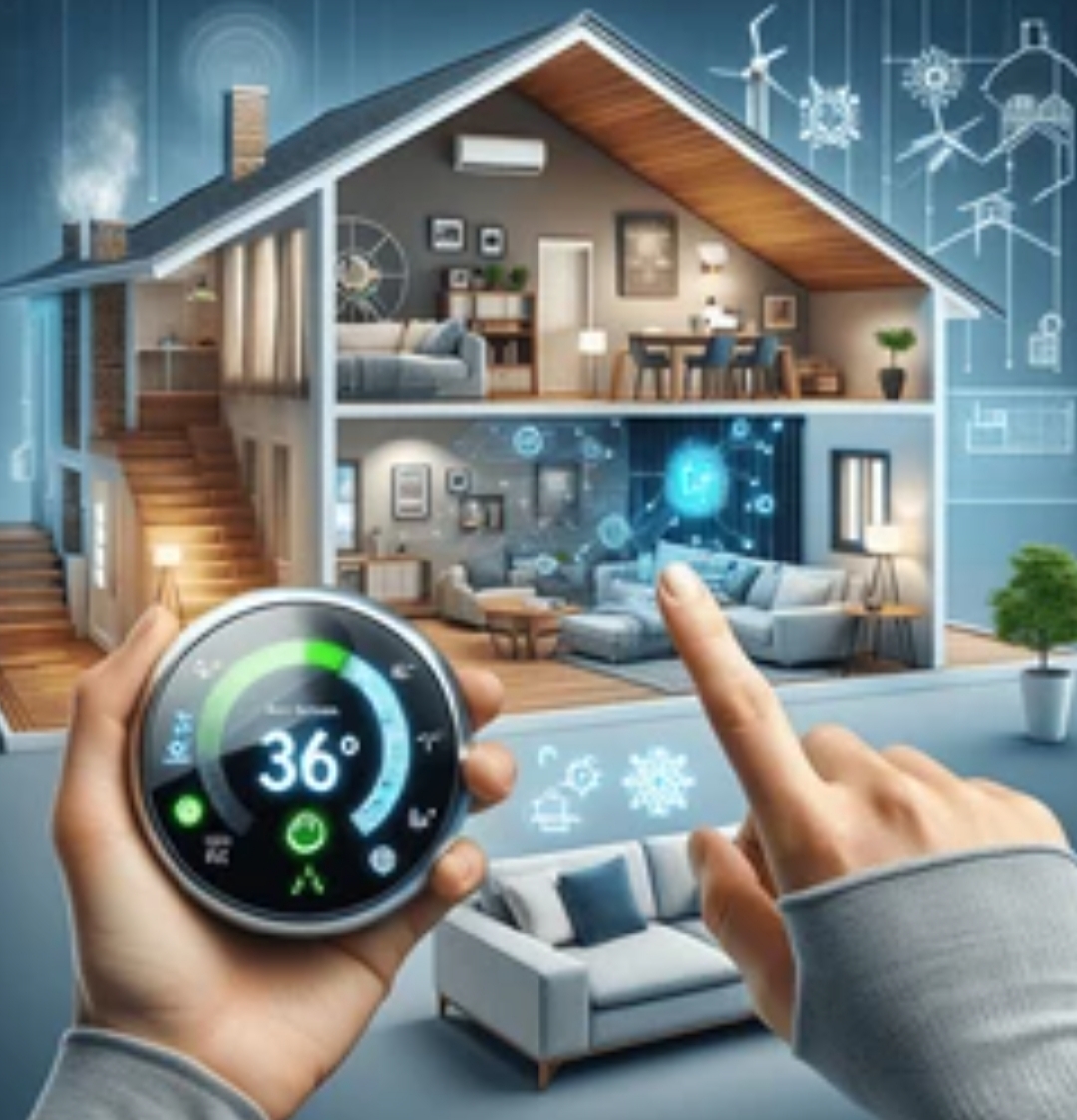
Keywords: adaptive smart home, smart home trends 2026, AI home setup
Introduction to Adaptive Smart Homes in 2026
Welcome to the era where your home doesn’t just respond—it understands.
An adaptive smart home is no longer a futuristic concept reserved for tech enthusiasts or luxury properties.
In 2026, it is quickly becoming the new standard for modern, efficient, and personalized living.
An adaptive smart home uses artificial intelligence, real-time data, and behavioral learning to adjust your home environment automatically.
Instead of relying on fixed rules or manual commands, your home learns from how you live, move, sleep, work, and relax.
That is the key difference shaping the most important smart home trends 2026 is known for.
Within the first few days of use, an adaptive smart home begins identifying patterns.
Over time, it anticipates your needs before you even think about them.
This shift from “smart” to “adaptive” is what makes the modern AI home setup so powerful and game-changing.

Why Adaptive Smart Homes Are Dominating Smart Home Trends in 2026
Traditional smart homes required constant input.
You had to program schedules, create automation rules, and manually adjust devices.
That approach worked, but it lacked intelligence.
In contrast, adaptive smart homes evolve automatically.
They improve daily without repeated configuration.
This is why industry experts consider adaptive systems the most disruptive smart living innovation of 2026.
Here’s what’s driving the surge in adoption:
- AI models are now faster, smaller, and more energy-efficient.
- Edge computing allows homes to process data locally for better privacy.
- Voice assistants now remember preferences and context.
- Smart devices communicate seamlessly across platforms.
- Homeowners demand convenience without complexity.
These forces have pushed adaptive smart homes to the forefront of smart home trends 2026, redefining what automation truly means.
What Makes an Adaptive Smart Home Different From “Regular” Smart Homes
A regular smart home follows instructions.
An adaptive smart home learns behavior.
That difference changes everything.
Instead of reacting to commands, adaptive systems analyze:
- Daily routines
- Environmental conditions
- Time-based behavior
- Seasonal changes
- Personal preferences
The result is a home that feels intuitive and responsive rather than mechanical.
This is why adaptive smart homes are often described as living systems instead of collections of devices.
For example:
Your lighting doesn’t just turn on—it adjusts color temperature based on time, mood, and activity.
Your thermostat doesn’t follow a schedule—it predicts comfort needs using historical data.
This level of intelligence is made possible through advanced AI home setup architectures now mainstream in 2026.
The Role of AI in Modern Adaptive Smart Home Systems
Artificial intelligence is the engine behind adaptation.
Without AI, smart homes remain rule-based and limited.
In 2026, AI-powered smart homes use:
- Machine learning to refine automation
- Predictive analytics to anticipate needs
- Natural language processing for better voice interaction
- Computer vision for security and presence detection
Unlike earlier systems, modern AI does not require constant cloud dependency.
Many adaptive smart homes now use on-device AI processing, improving speed, reliability, and privacy.
This evolution makes the AI home setup both safer and smarter than ever before.
Who Is an Adaptive Smart Home Designed For?
Adaptive smart homes are no longer niche solutions.
They are designed for real people with real lifestyles.
They are ideal for:
- Busy professionals seeking automation without micromanagement
- Families needing comfort, safety, and energy efficiency
- Seniors who benefit from passive monitoring and assistance
- Remote workers optimizing productivity and wellness
- Homeowners focused on long-term energy savings
Whether you live in a small apartment or a multi-story home, adaptive technology scales effortlessly.
This flexibility is another reason adaptive smart homes lead smart home trends 2026.
Why Understanding Adaptive Smart Homes Matters Right Now
Waiting too long to understand adaptive smart homes means falling behind.
Technology adoption cycles are moving faster than ever.
Homebuyers, renters, and investors are already prioritizing intelligent living environments.
Energy costs are rising, and efficiency is no longer optional.
Comfort, personalization, and automation are becoming lifestyle expectations.
Learning how adaptive smart homes work today helps you:
- Make smarter purchasing decisions
- Avoid outdated smart home products
- Build future-proof AI home setups
- Maximize return on investment
- Improve daily quality of life
This is your moment to stay ahead of the curve.
🔥 The Home That Learns You Is No Longer Optional
The question is no longer if homes will become adaptive.
The real question is how fast you are ready to adapt with them.
If you want a living space that works for you—silently, intelligently, and efficiently—then understanding adaptive smart homes is essential.
👉 Ready to take the next step?
Explore the best AI-powered smart home hubs and start building your adaptive smart home today.
What Is an Adaptive Smart Home? (Simple Definition for Beginners)
An adaptive smart home is a living space that uses artificial intelligence, machine learning, and real-time data to automatically adjust itself based on how you live.
Unlike traditional smart homes that rely on fixed rules and manual schedules, an adaptive smart home continuously learns, evolves, and improves without constant human input.
In simple terms:
👉 A smart home follows commands.
👉 An adaptive smart home understands behavior.
This shift is one of the most important breakthroughs shaping smart home trends 2026, and it marks the transition from basic automation to true intelligence-driven living.

Adaptive Smart Home Definition
An adaptive smart home is a home automation system that uses AI to learn user habits, predict needs, and automatically optimize comfort, energy use, and security over time.
This definition matters because it highlights three critical elements:
- Learning from behavior
- Predicting future actions
- Optimizing the home environment automatically
These elements separate adaptive systems from outdated smart home setups that depend on static programming.
Core Components That Make a Home “Adaptive”
An adaptive smart home is not a single device.
It is an intelligent ecosystem working together behind the scenes.
Here are the essential components that define a true adaptive smart home in 2026:
Artificial Intelligence (AI) Brain
AI acts as the decision-making engine.
It analyzes patterns, detects changes, and refines automation logic continuously.
Without AI, a home cannot adapt—it can only react.
Machine Learning Algorithms
Machine learning allows the system to improve accuracy over time.
The more you live in your home, the smarter it becomes.
Examples include:
- Learning your sleep schedule
- Adjusting lighting based on productivity levels
- Predicting temperature preferences by season
This is a core pillar of every modern AI home setup.
Sensors and Environmental Data
Sensors provide real-time feedback from your environment.
Common sensor data includes:
- Motion and presence detection
- Temperature and humidity
- Light intensity
- Sound and activity levels
This data allows adaptive smart homes to make context-aware decisions instead of following rigid schedules.
Connected Smart Devices
Adaptive intelligence only works when devices communicate seamlessly.
These devices include:
- Smart thermostats
- Smart lighting systems
- Smart locks and cameras
- Voice assistants
- Energy monitoring systems
When unified under a single AI-driven platform, these devices become part of an adaptive ecosystem rather than isolated tools.
How an Adaptive Smart Home Thinks and Responds
Adaptive smart homes operate using a continuous feedback loop.
Here’s how it works step by step:
- The system observes your daily habits.
- AI identifies patterns and recurring behaviors.
- The system tests small adjustments automatically.
- Results are analyzed for comfort and efficiency.
- Successful changes become permanent improvements.
This process happens quietly in the background.
You don’t need to program rules or tweak settings constantly.
That effortless intelligence is why adaptive smart homes define the future of smart home trends 2026.
Real-Life Example of an Adaptive Smart Home in Action
Imagine waking up on a weekday morning.
Your adaptive smart home already knows:
- What time you usually wake up
- How much light helps you feel alert
- Your preferred morning temperature
- Whether you work from home that day
Before you even move:
- Curtains adjust gradually to natural light
- Temperature shifts to optimal comfort
- Lighting transitions to productivity mode
- Background noise is minimized
No commands.
No schedules.
No effort.
This is AI home setup intelligence applied to real life.
Adaptive Smart Home vs Automated Smart Home (Quick Comparison)
To fully understand what an adaptive smart home is, comparison helps.
Traditional Smart Home:
- Rule-based automation
- Manual scheduling
- Limited personalization
- Requires constant adjustment
Adaptive Smart Home:
- AI-driven learning
- Predictive automation
- Deep personalization
- Improves automatically over time
This evolution explains why adaptive systems are replacing traditional setups in 2026.
Why “Adaptive” Is the Keyword That Matters Most
Many brands still use the term “smart home” loosely.
But not all smart homes are adaptive.
A truly adaptive smart home:
- Learns without being told
- Adjusts without interruption
- Improves without user frustration
- Feels natural, not technical
This distinction helps buyers avoid outdated products and invest in future-proof systems.
💡 Pro Tip: How to Identify a Real Adaptive Smart Home System
Before buying any product, ask these questions:
- Does it learn behavior automatically?
- Does it adjust settings without manual rules?
- Does it improve over time?
- Does it use AI locally or securely?
If the answer is yes, you’re looking at a genuine adaptive smart home solution.
👉 Want to skip trial-and-error?
Start with a trusted AI-powered smart home platform designed for adaptive learning.
🔥 Smart Homes React—Adaptive Homes Anticipate
If your home waits for commands, it’s already behind.
The future belongs to homes that anticipate, not react.
Understanding what an adaptive smart home truly is gives you the clarity needed to build smarter, safer, and more comfortable living spaces in 2026 and beyond.
How Adaptive Smart Homes Work (Beginner-Friendly Explanation)
Understanding how an adaptive smart home works does not require a technical background.
At its core, an adaptive smart home functions like a learning assistant that quietly observes, analyzes, and improves your living environment every day.
This intelligent process is the foundation of the most advanced smart home trends 2026 is bringing into everyday households.
Instead of relying on rigid schedules or one-time configurations, adaptive systems continuously refine themselves.
They respond to lifestyle changes, seasonal shifts, and personal preferences in real time.
This is what separates a basic smart home from a truly intelligent AI home setup.

The Adaptive Smart Home Learning Cycle (Step-by-Step)
Every adaptive smart home follows a learning cycle that repeats constantly in the background.
This cycle allows the system to grow smarter without interrupting your daily life.
Here is how the process works from start to finish:
Step 1 – Data Collection Through Sensors and Devices
The system begins by collecting data from connected devices and sensors.
This includes motion, temperature, lighting, sound, occupancy, and usage behavior.
Examples of collected data include:
- When you wake up and go to sleep
- Which rooms you use most frequently
- How lighting affects your productivity
- Your preferred temperature at different times
- Daily and weekly energy consumption
This data becomes the foundation for adaptation.
Step 2 – Behavioral Pattern Recognition
Once enough data is collected, artificial intelligence looks for patterns.
It identifies habits, routines, and preferences unique to you and your household.
For example:
- You lower the lights every evening after 9 PM
- You increase cooling on hot afternoons
- You stop using certain rooms during weekends
This pattern recognition phase is where AI home setup intelligence truly shines.
Step 3 – Predictive Decision-Making
After patterns are identified, the system begins predicting future actions.
This allows your adaptive smart home to act before you make a request.
Instead of waiting for a command, it anticipates needs such as:
- Adjusting lighting before sunset
- Cooling rooms before occupancy
- Activating security modes when you leave
- Optimizing energy usage during peak hours
This predictive behavior defines modern smart home trends 2026.
Step 4 – Continuous Optimization
Adaptive systems do not stop learning.
They test small adjustments and analyze outcomes constantly.
If a change improves comfort or efficiency, it becomes permanent.
If not, the system refines its approach.
This ongoing optimization ensures your adaptive smart home never becomes outdated.
The Role of AI in Adaptive Smart Home Automation
Artificial intelligence acts as the brain of the system.
It connects all devices into a single decision-making network.
In 2026, AI-powered smart homes use:
- Machine learning for behavioral adaptation
- Edge AI for faster local processing
- Context-aware automation
- Privacy-focused data handling
Unlike older cloud-dependent systems, modern AI home setups process much of the data inside the home itself.
This improves response time, reliability, and security.
How Adaptive Smart Homes Adjust in Real Time
Adaptive smart homes react instantly to changing conditions.
They do not wait for fixed schedules.
Examples of real-time adaptation include:
- Lights dim automatically when natural light increases
- Temperature adjusts when more people enter a room
- Security modes shift based on occupancy
- Noise control adapts during work or sleep hours
This responsiveness makes adaptive systems feel natural and human-centric rather than mechanical.
Smart Home Automation vs Adaptive Intelligence
To understand how adaptive smart homes work, it helps to compare them with traditional automation.
Traditional Smart Automation:
- Pre-defined rules
- Static schedules
- Manual updates required
Adaptive Smart Intelligence:
- Self-learning logic
- Dynamic behavior changes
- Continuous improvement
This evolution is why adaptive smart homes are leading smart home trends 2026 and replacing rule-based automation entirely.
How Adaptive Smart Homes Handle Privacy and Security
Privacy is a major concern for modern homeowners.
In 2026, adaptive smart homes address this using smarter architecture.
Key privacy-focused improvements include:
- Local AI processing
- Encrypted device communication
- User-controlled data permissions
- Reduced cloud dependency
This approach allows you to enjoy personalization without sacrificing control.
Beginner Tip – Why Adaptive Systems Get Better Over Time
Many beginners expect instant perfection.
But adaptive smart homes improve gradually.
The more you live naturally, the better the system understands you.
Avoid over-configuring settings early on.
Let the AI observe and learn first.
This patience leads to the best long-term results.
🔥 Your Home Should Learn You—Not the Other Way Around
If you are constantly adjusting settings, your home is not truly smart.
A genuine adaptive smart home works quietly, intelligently, and automatically.
👉 Want to experience real adaptation?
Start with a beginner-friendly AI smart home hub designed for learning-based automation.
Adaptive Smart Home vs Traditional Smart Home (Detailed Comparison)
Choosing between a traditional smart home and an adaptive smart home is no longer a small decision.
In 2026, this choice directly impacts comfort, energy costs, privacy, and long-term value.
Understanding the real differences helps you avoid outdated technology and build a future-ready AI home setup.
This section breaks everything down clearly, honestly, and in plain language.

Core Difference Between Adaptive and Traditional Smart Homes
The fundamental difference lies in intelligence.
Traditional smart homes operate on instructions.
Adaptive smart homes operate on understanding.
A traditional smart home does exactly what you tell it to do.
An adaptive smart home figures out what you want and does it automatically.
This intelligence gap is the reason adaptive systems dominate smart home trends 2026.
Automation Logic – Rules vs Learning
Traditional Smart Home Automation (Rule-Based)
Traditional smart homes rely on fixed rules created by users.
Every action must be manually programmed.
Examples include:
- Lights turn on at 7:00 PM
- Thermostat sets to 24°C at night
- Security arms at 10:00 PM
If your routine changes, the system fails.
You must reprogram everything manually.
This rigidity is the biggest limitation of traditional smart homes.
Adaptive Smart Home Automation (AI-Driven)
An adaptive smart home does not depend on rigid rules.
It uses AI and machine learning to learn behavior patterns naturally.
Instead of schedules, it understands:
- When you usually arrive home
- How temperature affects your comfort
- Which rooms you use at specific times
- Seasonal and lifestyle changes
This learning-based automation is what makes modern AI home setup solutions superior.
Personalization Level – Static vs Dynamic
Personalization in Traditional Smart Homes
Personalization is limited and static.
You define preferences once and hope they remain accurate.
Problems include:
- No adaptation to lifestyle changes
- Poor handling of irregular schedules
- Limited multi-user personalization
This often leads to frustration and constant tweaking.
Personalization in Adaptive Smart Homes
Adaptive smart homes offer deep, dynamic personalization.
They recognize multiple users and adjust automatically.
Examples include:
- Different lighting preferences per person
- Individual temperature comfort zones
- Activity-based automation (work, relax, sleep)
This level of personalization evolves over time without manual input.
Ease of Use – Manual Control vs Effortless Living
Traditional smart homes often feel technical.
They require frequent adjustments and troubleshooting.
Adaptive smart homes feel natural.
They reduce user interaction instead of increasing it.
In 2026, convenience is not about more features.
It is about less effort.
This shift explains why adaptive systems lead smart home trends 2026.
Energy Efficiency and Cost Savings
Energy Management in Traditional Smart Homes
Energy savings depend on how well you configure schedules.
If settings are wrong, energy is wasted.
Common issues include:
- Cooling empty rooms
- Lights left on unnecessarily
- Poor response to weather changes
Energy Optimization in Adaptive Smart Homes
Adaptive smart homes continuously optimize energy use.
They respond to occupancy, weather, and usage patterns automatically.
Benefits include:
- Lower electricity bills
- Reduced carbon footprint
- Smarter peak-hour usage
- Better long-term efficiency
Energy optimization is one of the strongest reasons people upgrade to adaptive systems.
Privacy and Security Comparison
Traditional Smart Home Privacy Risks
Older smart home systems rely heavily on cloud processing.
This increases latency and privacy concerns.
Risks include:
- Data stored externally
- Limited user control
- Slower response times
Adaptive Smart Home Privacy Improvements
Modern adaptive smart homes use edge AI processing.
Data is analyzed locally whenever possible.
Advantages include:
- Faster decision-making
- Enhanced privacy
- Reduced internet dependency
- Better system reliability
This privacy-first design is now a core requirement in AI home setup planning.
Scalability and Future-Proofing
Traditional smart homes struggle to scale.
Adding new devices often requires reconfiguration.
Adaptive smart homes are designed to grow.
New devices integrate naturally into the learning system.
This scalability ensures your home remains relevant beyond 2026.
Maintenance and Long-Term Experience
Traditional smart homes require constant maintenance.
Schedules break.
Rules conflict.
Updates cause issues.
Adaptive smart homes reduce maintenance dramatically.
They self-correct and refine behavior over time.
The long-term experience is smoother, smarter, and more enjoyable.
Side-by-Side Comparison Table (Quick View)
Traditional Smart Home:
- Rule-based automation
- Manual configuration
- Limited personalization
- Higher maintenance
- Lower long-term efficiency
Adaptive Smart Home:
- AI-driven learning
- Automatic adaptation
- Deep personalization
- Low maintenance
- Future-proof design
Which One Should You Choose in 2026?
If you enjoy constant tweaking, traditional smart homes may suffice.
If you want effortless intelligence, adaptive smart homes are the clear winner.
For anyone building a long-term AI home setup, adaptive systems provide better value, comfort, and scalability.
🔥 Don’t Upgrade Your Home—Evolve It
Smart homes were the first step.
Adaptive smart homes are the evolution.
👉 Ready to move beyond basic automation?
Choose a future-ready adaptive smart home platform and experience intelligent living today.
Key Features of an Adaptive Smart Home in 2026
The true power of an adaptive smart home lies in its features.
In 2026, smart homes are no longer defined by individual gadgets, but by how intelligently everything works together.
These features are driven by artificial intelligence, real-time data, and continuous learning—not static rules.
If you are planning a modern AI home setup, understanding these key features will help you avoid outdated systems and invest in future-proof technology aligned with the latest smart home trends 2026.

Self-Learning Automation That Improves Over Time
Self-learning automation is the foundation of every adaptive smart home.
Instead of asking you to program schedules, the system observes behavior naturally.
It learns:
- Daily routines
- Preferred comfort levels
- Usage patterns across rooms
- Seasonal lifestyle changes
The longer you live in the home, the smarter it becomes.
This feature alone separates adaptive homes from traditional automation systems.
Context-Aware Intelligence (Beyond Time-Based Automation)
Adaptive smart homes do not rely on clocks.
They rely on context.
Context-aware intelligence allows your home to understand:
- Who is home
- What activity is happening
- Time of day and lighting conditions
- Weather and temperature changes
For example:
Lighting adjusts based on activity, not time.
Cooling activates when occupancy is detected, not when a schedule says so.
This dynamic behavior defines modern AI home setup design.
Predictive Comfort and Environmental Control
Predictive control allows your adaptive smart home to act before discomfort occurs.
Key predictive features include:
- Pre-cooling or pre-heating rooms
- Adjusting humidity automatically
- Optimizing airflow based on usage
- Managing lighting temperature for productivity or relaxation
By anticipating needs, adaptive systems eliminate constant manual adjustments.
Advanced Voice Assistants With Memory and Context
Voice assistants in 2026 are no longer command-based tools.
They remember preferences, recognize users, and understand context.
Modern adaptive smart homes feature voice assistants that:
- Recognize individual voices
- Remember past interactions
- Respond differently based on time and activity
- Control multiple systems with a single command
This evolution transforms voice control into a true interface for adaptive living.
Energy Optimization Using AI and Real-Time Analytics
Energy efficiency is a major reason homeowners adopt adaptive smart homes.
In 2026, AI-driven optimization goes far beyond basic power saving.
Adaptive energy features include:
- Occupancy-based power management
- Peak-hour energy optimization
- Smart integration with solar panels and EV chargers
- Real-time energy usage insights
These features reduce costs while supporting sustainable living—one of the most important smart home trends 2026.
Adaptive Smart Security and Safety Systems
Security in adaptive smart homes is proactive rather than reactive.
The system learns what is normal and flags what is not.
Key security features include:
- Familiar face recognition
- Behavior-based anomaly detection
- Intelligent alert prioritization
- Adaptive lighting and alarm responses
Instead of constant notifications, the system alerts you only when something truly matters.
Multi-User Recognition and Personalization
Modern households are diverse.
Adaptive smart homes recognize and adjust for multiple users automatically.
Personalization features include:
- Individual comfort profiles
- Customized lighting and audio preferences
- Role-based access controls
- Personalized routines without manual switching
This feature is essential for families and shared living spaces.
Seamless Device Integration Across Ecosystems
In 2026, adaptive smart homes are platform-agnostic.
They support cross-brand and cross-ecosystem integration.
This means:
- Devices communicate seamlessly
- New devices integrate without reprogramming
- Automation logic adapts automatically
This flexibility ensures your AI home setup remains scalable and future-ready.
Edge AI Processing for Privacy and Speed
Privacy is no longer optional.
Adaptive smart homes now process most data locally using edge AI.
Benefits include:
- Faster system responses
- Reduced internet dependency
- Greater data control
- Enhanced privacy protection
This architecture reflects the most responsible smart home trends 2026.
Wellness-Focused Smart Living Features
Adaptive smart homes are now designed around human wellness.
Wellness-focused features include:
- Circadian lighting alignment
- Sleep-optimized environments
- Noise reduction during rest periods
- Air quality monitoring and optimization
These features support healthier daily routines without conscious effort.
Automatic System Updates and Continuous Improvement
Adaptive smart homes update themselves intelligently.
They improve algorithms without disrupting daily life.
This ensures:
- Compatibility with new devices
- Improved AI performance
- Long-term reliability
Your home evolves with technology instead of becoming obsolete.
💡 Pro Tip: Focus on Features, Not Devices
When building an adaptive smart home, avoid chasing individual gadgets.
Focus on systems that offer learning, prediction, and integration.
👉 Want a future-proof foundation?
Start with a trusted AI-powered smart home ecosystem built for adaptive intelligence.
🔥 The Smartest Homes Don’t Feel Smart—They Feel Right
If your home fades into the background while working perfectly, you’ve done it right.
That is the true mark of an adaptive smart home in 2026.
AI Home Setup – What You Need to Get Started (Beginner Guide)
Setting up an AI home setup may sound complex, but in 2026 it is more beginner-friendly than ever.
You no longer need technical skills, coding knowledge, or expensive custom installations.
With the right foundation, anyone can build an adaptive smart home that grows smarter over time.
This beginner guide breaks everything down step by step, using modern best practices aligned with the latest smart home trends 2026.

Start With the Right Mindset (Build Systems, Not Gadgets)
Many beginners make the mistake of buying random smart devices.
This leads to compatibility issues and poor automation results.
Instead, think in terms of systems.
An adaptive smart home works best when devices share data and learn together.
Power Tip:
Choose platforms designed for AI-driven learning—not just basic automation.
Step 1 – Choose an AI-Capable Smart Home Hub
The smart home hub is the brain of your setup.
It connects devices, processes data, and runs adaptive intelligence.
In 2026, the best hubs offer:
- AI-powered learning capabilities
- Edge processing for privacy
- Cross-brand compatibility
- Reliable voice assistant integration
Avoid outdated hubs that rely only on schedules and manual rules.
👉 Recommended starting point:
A trusted AI-powered smart home hub designed specifically for adaptive automation.
Step 2 – Select Core Adaptive Devices First
You don’t need everything at once.
Start with core devices that provide the most learning value.
Essential Devices for Beginners
- Smart lighting systems
- AI-enabled thermostats
- Motion and occupancy sensors
- Smart plugs with usage monitoring
- Voice assistants
These devices generate the behavioral data needed for adaptive learning.
Step 3 – Use Voice Assistants as Your Control Interface
Voice assistants play a major role in modern AI home setup design.
They act as both control tools and learning interfaces.
In adaptive smart homes, voice assistants:
- Understand context
- Remember preferences
- Recognize individual users
- Trigger intelligent routines
Instead of issuing commands, you communicate naturally.
Step 4 – Enable Learning Mode and Let AI Observe
One of the most important beginner steps is patience.
Do not over-configure automation in the beginning.
Allow the system to observe:
- Daily routines
- Movement patterns
- Environmental preferences
This learning phase is critical for long-term success.
Pro Tip:
Live naturally for at least two weeks before making major adjustments.
Step 5 – Add Sensors to Improve Context Awareness
Sensors are the eyes and ears of your adaptive smart home.
They provide real-time environmental data for better decisions.
Common sensor types include:
- Motion sensors
- Temperature and humidity sensors
- Light sensors
- Door and window sensors
More context equals better adaptation.
Step 6 – Build Adaptive Routines (Not Rigid Schedules)
Traditional smart homes rely on fixed schedules.
Adaptive smart homes use behavior-based routines.
Examples include:
- Lighting adjusts when activity changes
- Climate control responds to occupancy
- Security arms automatically when the house is empty
Focus on triggers and patterns—not time-based rules.
Step 7 – Prioritize Privacy and Data Control
Privacy should never be an afterthought.
In 2026, modern adaptive smart homes offer privacy-focused design.
Look for platforms that provide:
- Local data processing
- End-to-end encryption
- User-controlled permissions
- Minimal cloud dependency
This ensures your AI home setup is both intelligent and secure.
Step 8 – Expand Gradually for Maximum Effect
Once your system begins learning, expansion becomes easy.
New devices integrate seamlessly into the adaptive ecosystem.
Recommended expansion areas include:
- Smart security systems
- Energy monitoring devices
- Smart blinds and curtains
- Wellness-focused devices
Adding slowly prevents overload and improves learning accuracy.
Beginner Mistakes to Avoid
Avoid these common errors when building your first adaptive smart home:
- Buying incompatible devices
- Over-automating too early
- Ignoring privacy settings
- Mixing too many platforms
- Expecting instant perfection
Patience and simplicity lead to better results.
💡 Pro Tip: Budget-Friendly AI Home Setup Strategy
You don’t need a luxury budget.
Start small and scale intelligently.
A basic setup with adaptive lighting and climate control already delivers noticeable benefits.
👉 Want a beginner-proof setup?
Start with a highly rated AI smart home starter kit and upgrade gradually.
🔥 Smart Homes Start With Devices—Adaptive Homes Start With Intelligence
The smartest homes aren’t built overnight.
They grow, learn, and improve alongside you.
If you start with the right foundation today, your home will be ready for tomorrow.
Smart Home Trends 2026 Driving Adaptive Living
The world of smart homes is evolving at lightning speed, and 2026 is set to be a revolutionary year for adaptive living technologies.
The concept of an adaptive smart home is no longer just futuristic—it’s becoming the standard for homeowners seeking convenience, security, and personalized experiences.
But what exactly are the smart home trends 2026 that are reshaping the way we live? Let’s dive in.

AI-Powered Home Automation
One of the biggest trends driving adaptive living is the integration of AI into home systems. Unlike traditional smart homes that rely on preset schedules, an AI home setup can learn your daily routines and adapt automatically.
- Lights adjust based on your presence and mood.
- Thermostats optimize energy usage depending on your habits.
- Smart assistants anticipate your needs and suggest actions proactively.
This level of intelligence creates a truly personalized living environment, where your home adapts to you, not the other way around.
Voice and Gesture Control Evolution
Voice assistants have been around for years, but in 2026, they will become far more sophisticated. Adaptive smart homes are embracing:
- Multilingual AI assistants that understand context and nuances.
- Gesture-controlled systems allowing touchless interaction with devices.
- Contextual commands where the system responds differently based on your location or activity.
Imagine walking into your living room, and your lights dim automatically while your favorite playlist starts—without you even speaking a word.
Advanced Energy Efficiency & Sustainability
Sustainability is a huge driving factor for smart home trends 2026. Adaptive smart homes now integrate:
- AI-driven energy management systems that optimize electricity consumption.
- Smart solar panels paired with battery storage to reduce utility bills.
- Water usage monitoring to prevent waste and track consumption.
These features not only lower costs but also contribute to a greener lifestyle, which is a major consideration for modern homeowners.
Enhanced Security & Personalized Safety
Security is no longer one-size-fits-all. Adaptive smart homes use AI and predictive analytics to create a highly personalized safety network:
- Facial recognition cameras alert you only when unknown individuals are detected.
- Smart locks and access control adjust permissions based on family schedules or visitors.
- Emergency AI alerts that notify you instantly if something unusual is detected.
This proactive approach ensures peace of mind, as your home anticipates threats rather than just reacting to them.
Integration with Wearables and IoT Devices
Another key smart home trend 2026 is the seamless connection between your home and wearable devices:
- Your smartwatch can signal your home to preheat the oven or adjust lighting when you’re about to arrive.
- Health-monitoring devices can interact with your adaptive smart home to adjust environment settings, like air quality or temperature, based on your well-being.
This interconnected ecosystem creates a truly intelligent and responsive living space, tailored to every aspect of your life.
Predictive Personalization
Perhaps the most exciting trend in adaptive living is predictive personalization. Adaptive smart homes are no longer reactive—they anticipate your needs.
- Morning routines are automated with coffee machines, showers, and lighting synced to your wake-up patterns.
- Evening settings automatically adjust for relaxation or entertainment.
- AI systems suggest improvements to your home environment for comfort, efficiency, or health.
This level of foresight makes everyday life smoother, safer, and more enjoyable than ever before.
The smart home trends 2026 are setting the stage for a future where homes don’t just serve as shelters—they become intelligent partners in daily life.
If you want to experience the ultimate adaptive smart home that learns, predicts, and personalizes every detail of your living environment, it’s time to start exploring your AI home setup today.
Click here to discover the top adaptive smart home solutions for 2026.
Benefits of an Adaptive Smart Home (Why It’s Worth It)
In 2026, the rise of adaptive smart homes is transforming the way people live, work, and interact with their living spaces.
Unlike traditional smart homes, which follow pre-programmed schedules, adaptive smart homes learn from your behaviors and adjust automatically to meet your needs.
But what makes investing in an adaptive smart home truly worthwhile? Let’s explore the key benefits in detail.
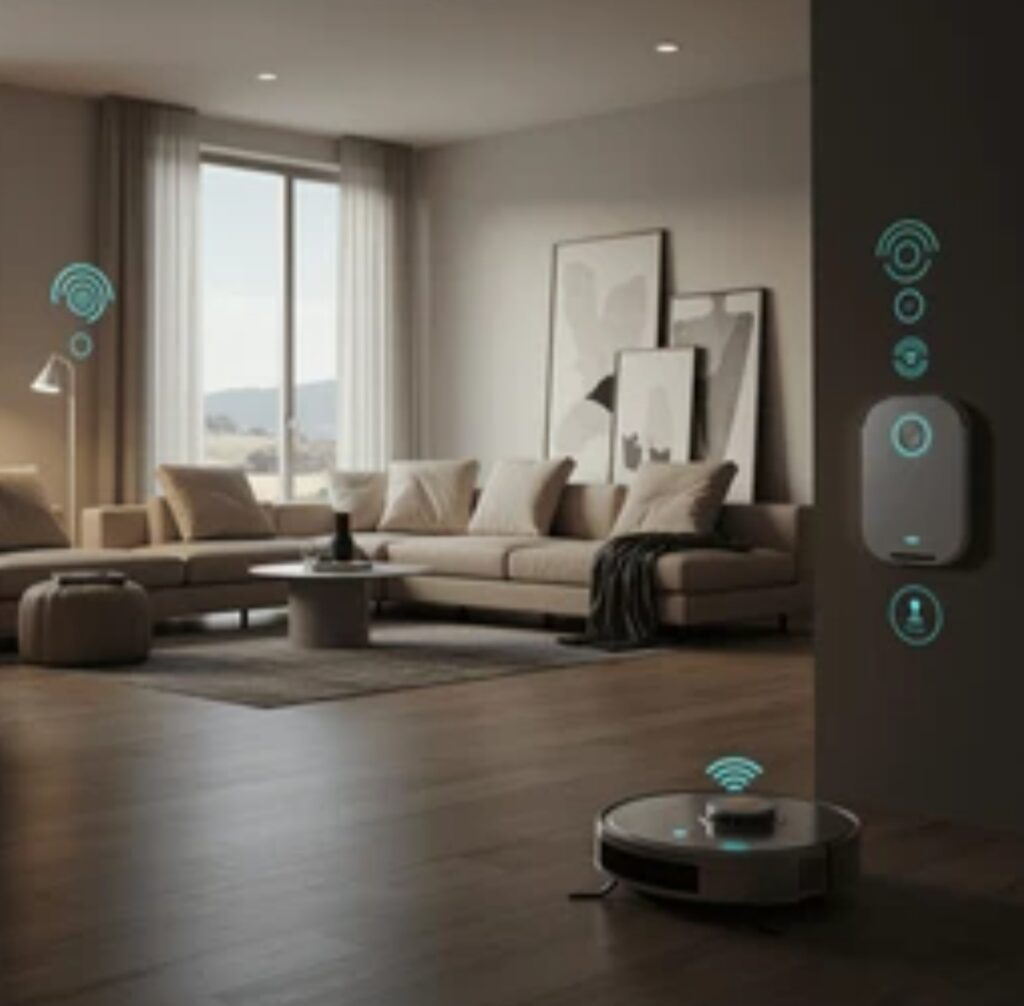
Unmatched Convenience and Comfort
The most obvious benefit of an adaptive smart home is the incredible level of convenience it brings.
- Automatic environment adjustments: Lights, climate, and appliances adapt to your routines without you lifting a finger.
- Personalized experiences: From preferred lighting moods to music playlists that match your activity, your home creates a tailored environment.
- Seamless integration: All devices—from smart thermostats to security cameras—work together, eliminating the need for multiple apps or manual controls.
Imagine walking into your home after a long day and having it automatically adjust to the perfect temperature, lighting, and ambiance—that’s the power of an adaptive system.
Enhanced Energy Efficiency and Cost Savings
An AI home setup doesn’t just make life easier—it also helps you save money.
- Smart energy management: Adaptive systems learn when to run appliances efficiently, lowering energy bills.
- Predictive heating and cooling: Thermostats anticipate your schedule to reduce wasted energy.
- Water and resource optimization: Advanced monitoring ensures minimal waste while maintaining comfort.
By reducing unnecessary consumption, adaptive smart homes are both eco-friendly and cost-effective, aligning perfectly with the smart home trends 2026 focused on sustainability.
Improved Safety and Security
Safety is a top priority for modern homeowners, and adaptive smart homes provide next-level protection:
- AI-driven monitoring: Cameras and sensors detect unusual activity and send instant alerts.
- Smart access control: Locks adjust permissions automatically based on who’s home and when.
- Predictive risk prevention: Advanced systems can detect hazards like leaks or fire risks before they escalate.
This proactive security approach offers peace of mind, knowing that your home is not just protected, but continuously learning and adapting to potential threats.
Health and Wellness Benefits
A lesser-known but significant advantage is the positive impact on health and wellness.
- Air quality management: Adaptive homes monitor and optimize air quality for healthier living.
- Lighting adjustments: Smart lighting can sync with circadian rhythms to improve sleep and mood.
- Wellness integration: Wearable devices can communicate with your home to personalize temperature, lighting, and sound based on your physical state.
With these features, an adaptive smart home becomes more than a convenience—it actively contributes to your physical and mental well-being.
Future-Proof Investment
Investing in an adaptive smart home is a forward-thinking decision.
- Systems are AI-driven and continuously learning, meaning they improve over time.
- Upgrades and new devices can integrate seamlessly, avoiding obsolescence.
- The flexibility of adaptive systems ensures your home stays at the cutting edge of technology.
By embracing these smart home trends 2026, homeowners are ensuring that their living spaces remain relevant, efficient, and valuable for years to come.
The benefits of an adaptive smart home go far beyond convenience. From cost savings and improved security to health and personalized comfort, the value of an AI-driven living environment is undeniable.
If you’re ready to transform your home into an intelligent, adaptive space, now is the perfect time to start your AI home setup journey.
Discover the ultimate adaptive smart home devices here and step into the future of living!
Challenges and Limitations You Should Know
While adaptive smart homes offer a revolutionary living experience, it’s important to understand that no technology is without its challenges.
For anyone planning an AI home setup in 2026, knowing these limitations upfront will help you make informed decisions and avoid unexpected issues. Let’s dive into the key challenges and limitations of adaptive smart homes.
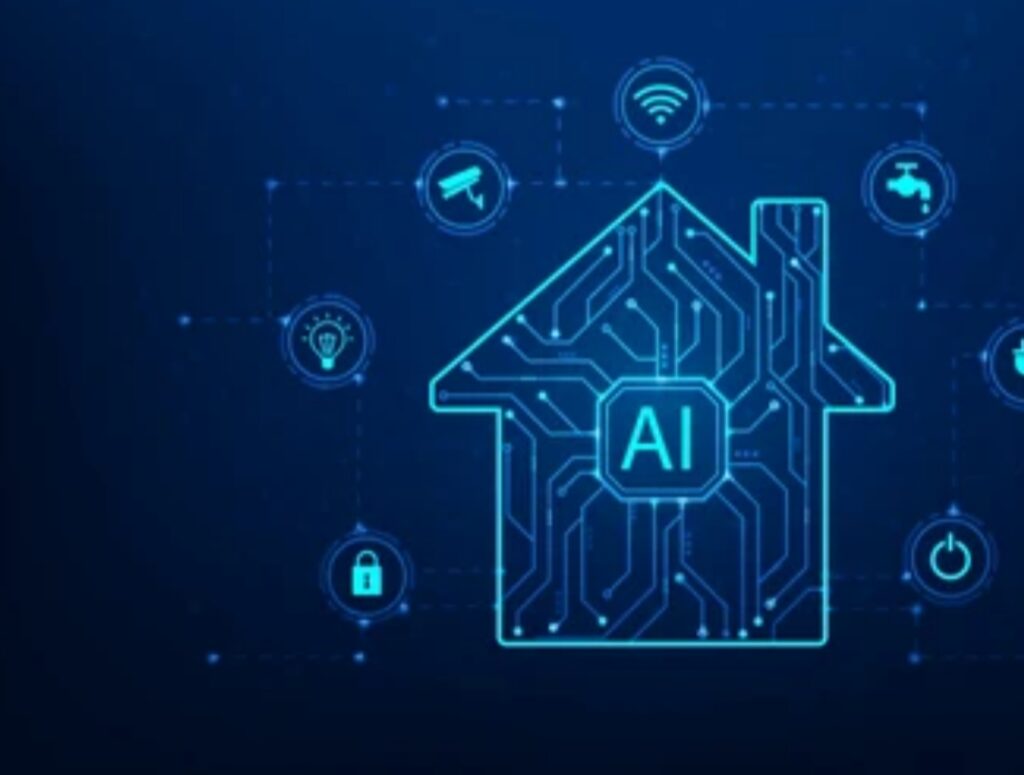
High Initial Cost of Setup
One of the primary challenges of an adaptive smart home is the upfront investment. Unlike basic smart devices, adaptive systems rely on advanced AI, sensors, and interconnected platforms.
- Smart thermostats, AI-driven lighting, predictive security systems, and integrated home assistants can add up quickly.
- Professional installation may be required for more complex systems, adding labor costs.
While these costs may seem high initially, the long-term benefits—including energy savings, convenience, and security—often outweigh the initial expense.
Complex Integration and Compatibility Issues
Adaptive smart homes rely on multiple devices working seamlessly together, but compatibility issues can arise:
- Different brands may not communicate effectively, leading to fragmented experiences.
- Software updates from one device can sometimes disrupt system functionality.
- Integrating older devices with newer AI-powered solutions can be challenging.
To mitigate this, it’s important to choose devices that support open standards and have reliable integration features when designing your AI home setup.
Privacy and Security Concerns
Because adaptive smart homes rely heavily on data collection, privacy and security are major considerations:
- AI systems track routines, habits, and personal preferences.
- A security breach could expose sensitive information or grant unauthorized access to your home.
- Cloud-based services can be vulnerable if not properly secured.
Homeowners must invest in strong passwords, two-factor authentication, and secure networks to protect their personal data while enjoying the benefits of an adaptive smart home.
Dependence on Internet and Technology
Adaptive smart homes depend on stable internet connectivity and functioning devices:
- Power outages or Wi-Fi disruptions can temporarily disable key home functions.
- Technical glitches or software bugs may require troubleshooting, which can be frustrating for non-tech-savvy users.
Having manual overrides and backup systems ensures that essential functions, such as locks and lighting, remain operational even during connectivity issues.
Learning Curve for Users
Even though adaptive systems are designed to simplify life, there can be a learning curve:
- Users must understand how to customize and interact with AI-driven automation effectively.
- Over-reliance on automation may make it challenging to operate the home manually when needed.
To overcome this, user-friendly interfaces, tutorials, and gradual adoption of automation features are recommended for beginners.
Continuous Updates and Maintenance
Adaptive smart homes are not “set and forget” systems:
- Regular software updates are necessary to keep AI features running smoothly.
- Some devices may require periodic maintenance or calibration.
- Ignoring updates can lead to reduced performance or vulnerabilities in security.
Staying proactive about updates ensures that your AI home setup continues to function optimally and securely.
While adaptive smart homes bring unprecedented convenience, comfort, and personalization, they are not without challenges.
Understanding the limitations of cost, compatibility, privacy, and maintenance will help you plan a smarter, safer, and more effective AI home setup.
Explore trusted adaptive smart home solutions here to start your journey with confidence and enjoy the full benefits while minimizing potential risks.
Is an Adaptive Smart Home Worth It in 2026?
As we move further into the era of smart home trends 2026, many homeowners are asking the big question: “Is an adaptive smart home really worth the investment?” The answer depends on your lifestyle, priorities, and willingness to embrace advanced technology.
Let’s break down why an adaptive smart home could be a game-changer—and what to consider before making the leap.
Personalized Living That Adapts to You
One of the strongest arguments in favor of an adaptive smart home is its ability to learn and adapt to your routines.
- From climate control to lighting and security, your home responds automatically to your preferences.
- Morning coffee is ready as you wake up, lights adjust based on natural sunlight, and temperature is optimized throughout the day.
- The AI learns from your habits, creating a living environment that feels truly personalized.
This level of customization is something traditional smart homes cannot offer, making adaptive systems far more intuitive and user-friendly.
Long-Term Cost Savings and Energy Efficiency
While the initial setup for an AI home setup can be costly, the long-term savings often justify the investment:
- Predictive energy management reduces electricity and heating costs.
- Smart appliances run only when needed, minimizing wastage.
- Water-saving technologies and AI-driven resource management further cut utility bills.
Over time, these cost-saving benefits can offset the upfront investment, making the system both practical and economical.
Advanced Security and Peace of Mind
Safety is another critical factor when evaluating whether an adaptive smart home is worth it:
- AI-driven security systems detect unusual activity and notify you instantly.
- Smart locks, cameras, and sensors adjust based on occupancy and behavior patterns.
- Predictive analytics can even anticipate potential risks before they occur.
In essence, an adaptive smart home provides peace of mind that traditional setups simply cannot match.
Health and Lifestyle Benefits
Modern adaptive smart homes go beyond convenience—they actively support your health and well-being:
- Air quality monitors and smart ventilation improve indoor air.
- Lighting systems sync with circadian rhythms, promoting better sleep and mood.
- Wearable integration allows your home to adapt to your physical and mental state.
For homeowners prioritizing wellness, these features make an AI home setup highly valuable.
Future-Proof Technology Investment
Investing in an adaptive smart home in 2026 is a step toward future-proof living:
- Systems continuously learn and evolve with AI updates.
- Devices are modular and often compatible with future technologies.
- Your home remains at the cutting edge of innovation, maintaining its value over time.
By embracing these smart home trends 2026, you’re not just upgrading your home—you’re preparing for a smarter, more connected lifestyle.
So, is an adaptive smart home worth it in 2026? Absolutely—especially if you value personalization, efficiency, security, and long-term savings.
With the latest AI-driven technology, your home doesn’t just respond to your needs—it anticipates them.
Start building your adaptive smart home today and transform your living space into an intelligent, adaptive environment that elevates every aspect of your life.
Future of Adaptive Smart Homes Beyond 2026
As smart home trends 2026 continue to evolve, the future of adaptive smart homes promises even more transformative experiences.
The concept of an AI-driven living environment is just the beginning—innovations in technology, connectivity, and personalization are set to make homes smarter, safer, and more intuitive than ever before.
Let’s explore what the future holds beyond 2026.
Hyper-Personalized AI Experiences
Future adaptive smart homes will move beyond basic learning and predictive automation to deliver hyper-personalized experiences:
- Homes will understand emotional states through AI-driven sensors and adjust lighting, temperature, or music accordingly.
- Predictive AI will anticipate not only routines but also preferences and moods, creating a truly responsive environment.
- Smart kitchens, bathrooms, and living spaces will customize experiences for each family member.
This next level of personalization transforms homes into living, intelligent partners rather than just functional spaces.
Integration of Advanced Robotics
The future of adaptive living is closely tied to robotic technology:
- Autonomous cleaning and maintenance robots will seamlessly operate alongside smart systems.
- AI-assisted home robots may handle tasks such as cooking, inventory management, and even elderly care.
- Robots will work in tandem with IoT devices to create a fully automated and adaptive environment.
This integration will further reduce manual effort and increase the efficiency and convenience of daily life.
Energy Self-Sufficiency and Sustainability
Adaptive smart homes of the future will focus heavily on sustainability and energy self-sufficiency:
- Homes will generate, store, and optimize energy using smart solar panels, advanced batteries, and AI energy management.
- Water and waste management will become fully automated and eco-friendly.
- Predictive AI will optimize resources to reduce environmental impact while maintaining comfort.
These innovations will make future homes not just smart but also responsible and environmentally conscious.
Smarter Security and Predictive Safety Systems
Security in future adaptive smart homes will rely on next-generation AI and predictive analytics:
- Homes will anticipate threats before they occur, from break-ins to environmental hazards.
- AI will analyze patterns to detect unusual behavior, alert homeowners, and even contact authorities automatically.
- Biometric and behavior-based authentication will replace traditional locks and passwords.
Safety will become proactive rather than reactive, giving homeowners unprecedented peace of mind.
Full Integration with Smart Cities and Networks
Looking beyond individual homes, the future of adaptive living involves integration with smart cities and urban infrastructure:
- Homes will communicate with traffic systems, energy grids, and public services for optimized efficiency.
- Predictive AI could adjust your home’s systems based on external factors such as weather, energy prices, or community alerts.
- The line between home, neighborhood, and city will blur, creating a connected, intelligent ecosystem.
This will not only enhance convenience but also redefine urban living in ways previously unimaginable.
Continuous Learning and Autonomous Adaptation
The most exciting aspect of the future is autonomous adaptation:
- Homes will continuously learn from user behavior, lifestyle changes, and environmental data.
- AI systems will self-optimize, requiring minimal manual input while improving functionality over time.
- Predictive analytics and machine learning will make homes smarter each day, evolving alongside the family.
This ensures that your adaptive smart home remains cutting-edge for decades, adapting to your lifestyle as it changes.
The future of adaptive smart homes beyond 2026 promises a world where homes are intelligent, self-sufficient, and fully personalized.
From hyper-personalization and robotics integration to predictive safety and city-wide connectivity, the possibilities are endless.
Step into the future today and start building your adaptive smart home, and experience a living space that evolves with you.
Final Thoughts: Embracing the Future of Adaptive Smart Homes
As we reach the conclusion of this guide, it’s clear that adaptive smart homes represent the next frontier in modern living.
With smart home trends 2026 pointing toward AI-driven personalization, predictive automation, and sustainable technology, the homes of tomorrow are no longer just functional—they are intelligent, responsive, and truly adaptive.
Why Adaptive Smart Homes Are a Game-Changer
An adaptive smart home transforms your living environment in ways that traditional setups cannot:
- Automation that learns from you: Instead of following static schedules, your home adapts to your habits and lifestyle.
- Efficiency and cost savings: AI-driven energy and resource management reduces utility bills and environmental impact.
- Enhanced comfort and convenience: Every system in your home works seamlessly to provide personalized experiences.
- Proactive security: Advanced AI ensures your home detects and mitigates risks before they become problems.
In short, an adaptive smart home isn’t just about technology—it’s about enhancing quality of life, saving time, and giving peace of mind.
Preparing for the Future of Living
If you’re considering making the leap into an AI home setup, now is the perfect time to start:
- Evaluate your lifestyle needs and determine which systems will provide the most benefit.
- Start with core adaptive devices such as AI lighting, smart thermostats, and predictive security systems.
- Gradually expand your home ecosystem, integrating robotics, wearables, and IoT devices for a fully adaptive environment.
The key is to start small, plan strategically, and expand intelligently, ensuring a smooth transition into adaptive living.
The Takeaway
The future of adaptive smart homes beyond 2026 is bright and full of possibilities. These homes offer:
- Hyper-personalization tailored to your routines
- Energy efficiency and sustainability benefits
- Advanced security and wellness features
- Seamless integration with broader smart networks
By embracing these innovations, you are not just upgrading your home—you are future-proofing your lifestyle.
Are you ready to step into the future and transform your living space into a fully adaptive smart home?
Don’t wait—explore the latest AI home setup solutions today and experience the ultimate in convenience, security, and personalized living.
You might also like :