
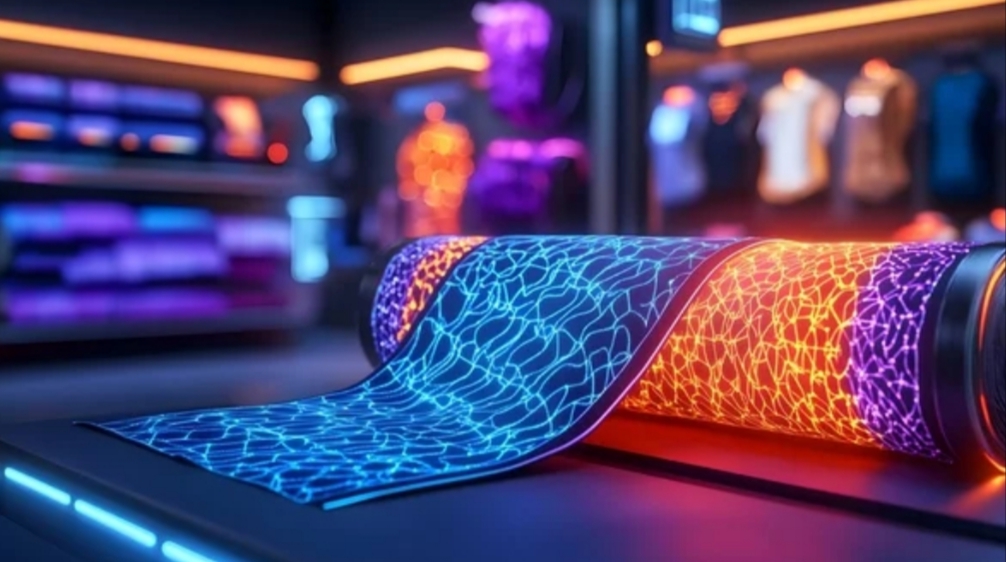
What are smart fabrics, smart fabrics
Introduction to Smart Fabrics
🧵 What are smart fabrics and why are they capturing so much attention in today’s rapidly evolving tech landscape?
In the simplest terms, smart fabrics—also known as e-textiles or intelligent textiles—are materials designed to interact with the environment or user through embedded technologies.
These textiles are revolutionizing the way we think about clothing, transforming passive garments into active, reactive, and adaptive tools that can enhance our daily lives.
✅ Whether it’s clothing that adjusts to your body temperature or athletic wear that monitors your heart rate, smart fabrics are redefining the future of wearable technology.
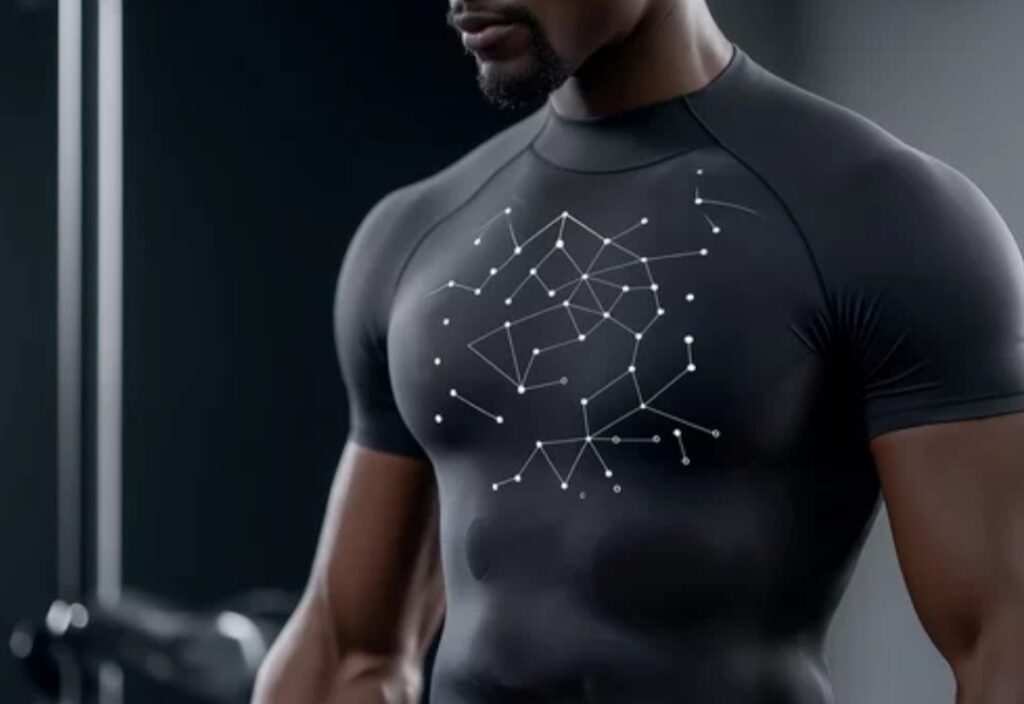
What Are Smart Fabrics? A 21st Century Revolution in Textiles
Smart fabrics are textiles that go beyond traditional fabric functionality by integrating electronic components such as sensors, actuators, and microcontrollers directly into the material.
This innovation allows garments and accessories to sense, respond, and adapt to external conditions or internal stimuli like temperature, pressure, motion, or moisture.
Today’s smart fabric technology is not just futuristic—it’s already being used in industries like healthcare, fashion, defense, and sports.
Some even interact with the Internet of Things (IoT), making it possible for your jacket to communicate with your phone or adjust based on the weather.
This seamless blend of fabric and function is creating a world where what you wear becomes an intelligent part of your life.
The Evolution of Smart Fabrics 🌐
Although the term “smart fabrics” might sound modern, its roots trace back to early research in technical textiles and military applications.
Initially, the focus was on fabrics that offered improved durability, thermal insulation, or moisture-wicking properties.
However, with the advancement of nano-engineering, microelectronics, and AI, today’s smart textiles offer features like:
- 💡 Real-time biometric monitoring
- 💡 Self-healing material properties
- 💡 LED displays sewn directly into fabric
- 💡 Electro-responsive designs that shift based on stimulus
This journey from traditional textile design to tech-enhanced innovation showcases how fast the industry is evolving—and just how vast the potential really is.
How Smart Fabrics Work ⚙️
At their core, smart fabrics function by combining three key components:
- Sensors – to detect changes in the environment or body (e.g., heat, sweat, movement).
- Processors or Microcontrollers – to interpret the data gathered.
- Actuators – to initiate a response, such as sending signals or adjusting temperature.
These components are typically made from flexible conductive materials like silver-coated yarns or graphene-infused fibers, which are seamlessly woven or printed into the fabric.
Unlike bulky wearables, these components maintain the fabric’s comfort, softness, and washability—making them ideal for everyday use.
Why Are Smart Fabrics Important Today? 🌍
The demand for smart fabrics has grown as consumers and industries seek more connected, personalized, and sustainable solutions.
Here’s why they matter:
- Health Monitoring: Track vitals like heart rate, temperature, or hydration—perfect for elderly care or athletes.
- Energy Efficiency: Regulate body temperature naturally, reducing the need for external heating or cooling.
- Safety: Firefighters can wear suits that detect heat levels and alert when thresholds are exceeded.
- Eco-Conscious Fashion: Smart fabrics enable sustainable production, reduce waste, and extend the life of garments.
In short, smart fabrics are helping us live smarter, safer, and more sustainably.
Real-World Examples of Smart Fabrics In Action 🌟
Let’s break down some incredible real-life applications:
- 🏃 Nike and Under Armour have released performance shirts embedded with biometric sensors.
- 🛏️ Smart bedding by brands like Eight Sleep adjusts temperature for deeper sleep.
- 🚑 Hospital garments equipped with wireless ECG monitoring reduce the need for intrusive medical gear.
- 🧥 Google and Levi’s Jacquard jacket lets wearers control phone functions by simply swiping their sleeve.
These examples show that smart textiles aren’t a dream—they’re already transforming lives.
Smart Fabrics vs. Traditional Textiles 🧵⚡
Here’s a quick comparison to illustrate how far we’ve come:
| Feature | Traditional Textiles | Smart Fabrics |
| Functionality | Basic (style, warmth) | Responsive (sensing & reacting) |
| Technology Integration | None | Embedded electronics & IoT-ready |
| Customization | Limited | Highly personalized & adaptive |
| Application Scope | Fashion, home | Healthcare, sports, military, tech |
As you can see, smart fabrics aren’t just a tech upgrade—they represent a total transformation in how textiles serve us.
Q: What are smart fabrics?
A: Smart fabrics are technologically enhanced textiles that use embedded sensors, processors, and actuators to monitor and respond to environmental or user-specific conditions like temperature, movement, or moisture.
Pro Tips for Readers Looking to Learn More 🧠
- Tip #1: Always check the type of smart fabric (passive, active, or ultra-smart) before buying.
- Tip #2: Look for certified smart fabric products for quality assurance.
- Tip #3: Follow innovation news in wearable tech and IoT—this field is evolving fast!
Why You Should Care About Smart Fabrics 🧵💡
We’re no longer in the era of simple cotton and polyester.
We’ve stepped into a world where your clothes can think, adapt, and even communicate.
Whether you’re an athlete, a medical professional, or just tech-curious, smart fabrics offer you a powerful glimpse into the future of fashion and function.
🔥 Want to experience this innovation for yourself? Check out our expert picks for top-rated smart fabrics and wearable tech accessories! 🔥
Types of Smart Fabrics
Smart fabrics are not a one-size-fits-all concept.
Instead, they come in various categories based on their level of functionality, technology integration, and interactivity.
Understanding the different types of smart fabrics is essential for anyone looking to invest in, work with, or simply understand this groundbreaking field.
If you’ve been wondering about “What are smart fabrics and how are they categorized?” — you’re in the right place.
Passive Smart Fabrics – The Foundation Layer 🧵🔍
Passive smart fabrics are the simplest type of intelligent textiles.
They do not actively respond to stimuli but are designed to sense and detect environmental conditions like temperature, moisture, light, or pressure.
These fabrics serve as sensors but require an external system or device to collect and act on the data.
💡 Examples of passive smart fabrics include:
Moisture-wicking athletic wear that detects sweat levels
UV-protection clothing that changes color under sunlight
Temperature-indicating baby clothes that shift shades with body heat
🔁 These fabrics often act as the base layer for more advanced applications in smart textiles.
They are also highly valued in low-energy wearable tech where power conservation is critical.
Active Smart Fabrics – Responsive and Reactive 🛡️📲
Active smart fabrics take things a step further.
These textiles are designed to both sense and respond to environmental stimuli in real-time.
They contain integrated actuators and often include embedded electronics or shape memory materials.
In other words, these fabrics don’t just collect data—they act on it.
✨ Examples of active smart fabrics:
Self-heating jackets that respond to cold weather
Fabrics that contract or expand based on muscle movement
Color-changing dresses that react to sound or mood
These fabrics are commonly used in sports gear, military uniforms, and performance wear, where dynamic adaptation is crucial.
They also pave the way for truly interactive clothing, pushing the boundaries of fashion tech and wearable computing.
Ultra Smart Fabrics – Adaptive and Intelligent 🧠⚙️
Now we enter the cutting-edge: ultra-smart fabrics.
These advanced textiles go beyond sensing and responding—they include embedded microprocessors and artificial intelligence that allow the fabric to analyze data, make decisions, and even learn from the environment.
These are essentially self-aware fabrics that close the feedback loop by performing autonomous functions.
💎 Real-world uses of ultra-smart fabrics:
Medical garments that detect health risks and notify healthcare providers
Military uniforms that adapt camouflage to the environment in real time
Smart yoga pants that correct posture through haptic feedback
Ultra-smart fabrics are used in critical fields like healthcare, aerospace, robotics, and defense, where precision, automation, and real-time reaction are not optional—but necessary.
Comparison Chart – Know the Differences Quickly 📊
Type of Smart Fabric Functionality Level Includes Sensors Reacts to Stimuli Can Make Decisions
Passive Sensing only ✅ ❌ ❌
Active Sensing + Response ✅ ✅ ❌
Ultra Smart Sensing + Response + Logic ✅ ✅ ✅
This table gives a snapshot of the functional gradient of smart fabrics—from basic sensory capability to AI-powered interactivity.
Bonus: Hybrid Smart Fabrics 🧪🌟
Some innovations don’t fit neatly into one category.
Hybrid smart fabrics combine the features of passive, active, and ultra-smart types to achieve multi-functional benefits.
Think of them as custom-built intelligent fabrics designed for specific applications such as:
Smart firefighter suits that monitor temperature and offer alerts while adapting insulation
AI-infused athletic wear that tracks performance metrics and delivers in-app feedback
Smart hospital bedding that tracks patient movement, heart rate, and pressure points
These cross-functional fabrics are gaining popularity in smart healthcare, elite sports, and emergency services, where failure is not an option.
Q: What are the different types of smart fabrics?
A: Smart fabrics are categorized into passive, active, and ultra-smart fabrics. Passive types sense environmental stimuli, active ones respond to changes, and ultra-smart fabrics can analyze data and make decisions using embedded AI.
Why It Matters: Choosing the Right Smart Fabric 🎯
Not all smart fabrics are built for the same tasks.
Understanding these types helps you make smarter buying and application decisions, especially if you’re:
- A tech-forward fashion designer
- A healthcare professional exploring new patient solutions
- A consumer interested in wearable fitness tech
- Or a manufacturer entering the smart textile market
✅ Tip: Always research the fabric type before investing. For example, if you want a smart jacket with built-in heating, avoid passive fabrics—they won’t deliver what you need.
🔥 Ready to experience the future of fashion? Don’t just wear clothes—wear intelligence. Explore our top smart fabric picks and stay ahead of the curve! 🔥
Applications of Smart Fabrics
As the world embraces the next era of wearable technology, smart fabrics have rapidly moved beyond concept into real-world applications.
If you’ve ever wondered “What are smart fabrics used for?” — you’re about to discover the game-changing potential these innovative textiles hold across multiple industries.
From healthcare to fashion, sports to space exploration, smart fabrics are reshaping how we interact with clothing and the environment.
They don’t just cover us — they communicate, protect, monitor, and even enhance our performance.
Below is a deep dive into the most powerful and practical applications of smart fabrics today.
Smart Fabrics in Healthcare – The Future of Patient Monitoring ❤️🩹📡
Healthcare is one of the most impactful areas where smart fabrics are making waves.
With the growing demand for non-invasive, real-time health tracking, smart textiles offer solutions that go far beyond traditional monitoring devices.
🏥 Key healthcare applications include:
- Vital signs monitoring: Shirts embedded with biosensors that track heart rate, respiration, and body temperature
- Glucose-monitoring socks for diabetic patients
- Smart wound dressings that change color to indicate infection or healing progress
- Compression garments that improve circulation and reduce the risk of clots
✅ These smart fabrics allow for remote patient monitoring, reducing the need for hospital stays and empowering elderly or chronically ill patients to live independently.
💡 Imagine wearing a t-shirt that alerts your doctor before a heart attack happens—that’s the future we’re stepping into.
Sports & Fitness – Track, Improve, Perform 💪🏃♂️📊
Athletes and fitness lovers are turning to smart fabrics to maximize performance and reduce injury risk.
Why carry external devices when your clothes can do the job better?
👟 Top use cases in sports include:
- Smart leggings that detect posture and provide corrective feedback
- Workout shirts that monitor muscle fatigue in real time
- Hydration-level tracking fabrics to prevent cramps or heatstroke
- Self-cooling or warming materials that adapt based on body temperature
These innovations help users optimize their training, recover faster, and perform at elite levels — all while eliminating bulky wearables.
💪 Athletes now wear their personal trainer—literally.
Fashion & Lifestyle – Style Meets Intelligence 👗🌈
Smart fashion isn’t science fiction anymore — it’s becoming a style statement.
Designers are experimenting with smart fabrics to create clothes that respond to touch, sound, light, and even emotion.
🎨 Examples of fashion-forward applications:
- Color-shifting fabrics based on mood or light
- Touch-sensitive jackets that control your phone or playlist
- LED-integrated dresses that glow with synchronized patterns at events or parties
- Weather-adaptive coats that change insulation based on outdoor temperatures
These textiles offer not just functionality, but expression, personalization, and bold creativity.
💃 Why settle for static clothes when your outfit can reflect your mood in real time?
Military & Defense – Protection Meets Innovation 🪖⚙️
In high-risk scenarios, smart fabrics can mean the difference between safety and danger.
Military organizations are rapidly investing in textile tech to protect soldiers, increase situational awareness, and enhance decision-making in the field.
🪖 Critical military applications include:
- Smart camouflage that adapts to environmental colors
- Bullet-impact-detecting uniforms that immediately alert medics
- Temperature-regulating base layers for extreme climates
- Embedded communication systems in combat suits
💥 These innovations reduce soldier fatigue, increase survivability, and streamline operations—all in real time.
Space & Aerospace – Smart Fabrics Beyond Earth 🌌🚀
NASA and other space agencies are exploring smart textiles as an essential part of the next-generation space suit.
Because space exploration demands the highest precision, smart fabrics offer the durability, adaptability, and real-time feedback that astronauts need.
🌌 Futuristic space-based applications:
- Radiation-detecting materials that alert astronauts
- Temperature-regulated suits for harsh planetary environments
- Smart gloves with gesture control and real-time feedback
- Stress-sensing garments that monitor astronauts’ physical condition
These garments combine life-support functionality with high-tech wearability, redefining what a “spacesuit” really is.
Smart Homes & Everyday Life – Invisible Tech in Daily Use 🏠📲
Not all smart fabric applications are flashy.
In fact, many are integrated into our everyday environments in ways we barely notice—but which dramatically enhance comfort and safety.
🛋️ Everyday use cases include:
- Smart bedsheets that monitor sleep quality and movement
- Pressure-sensing cushions for wheelchair users
- Temperature-regulating curtains that adapt to sunlight
- Furniture upholstery that adjusts firmness and position automatically
These quiet innovations are ushering in the smart home era—one stitch at a time.
Industrial & Workplace Safety – Smarter Protection 🦺🛠️
Smart fabrics also serve as life-saving assets in industrial environments.
From construction workers to utility engineers, intelligent textiles help prevent accidents and enhance safety.
🚧 Industrial applications include:
- Vibration-sensing gloves to detect equipment failure
- Flame-resistant suits that monitor heat exposure
- Fall-detection smart vests that alert supervisors in case of impact
- Connected uniforms with GPS for high-risk zones
💼 In dangerous workplaces, smart fabrics are becoming the ultimate bodyguard.
Emerging Applications Worth Watching 🔮🧠
The field of smart fabrics is rapidly evolving, with new frontiers opening every year.
Here are a few emerging trends to keep an eye on:
- Smart maternity wear that monitors fetal health
- Emotion-detecting fabrics for mental health therapy
- Wearable solar fabrics that charge devices on the go
- AI-enhanced wearable computing systems fully integrated into your clothes
🔥 The smart fabric revolution is just getting started—don’t blink.
Q: What are the main applications of smart fabrics?
A: Smart fabrics are used in healthcare, sports, fashion, military, aerospace, home automation, and industrial safety. They enable real-time monitoring, communication, protection, and adaptive responses.
⚡ Don’t just wear clothing—experience innovation! Explore our top-rated smart fabric products today and future-proof your wardrobe, health, and lifestyle! ⚡
Benefits of Smart Fabrics ✅✨
When exploring “What are smart fabrics”, it’s easy to be impressed by the technology — but the real value lies in their benefits.
From enhancing our comfort to saving lives, smart fabrics are engineered to solve real-world problems with intelligence woven into every fiber.
Let’s dive deep into the powerful, life-changing benefits of smart fabrics and discover why they’re considered the future of wearable technology.
If you’re wondering why smart fabrics matter or how they outperform traditional textiles, this section will give you the clear, compelling answers.

1. Real-Time Health Monitoring for Improved Wellbeing 🩺💓
One of the biggest benefits of smart fabrics is their ability to monitor vital health signs in real time.
Unlike bulky wearables, intelligent textiles are comfortable and unobtrusive—perfect for daily use.
👕 Key health benefits include:
- Continuous tracking of heart rate, breathing, and body temperature
- Early detection of medical issues, such as arrhythmias or respiratory distress
- Monitoring conditions like diabetes, epilepsy, or hypertension
- Ideal for elderly care and post-operative patients needing remote observation
💡 Think of it as wearing your own personal health assistant—without needing any gadgets.
Smart fabrics empower both individuals and healthcare providers with actionable data, promoting early intervention and better outcomes.
2. Enhanced Comfort Through Adaptive Technologies 😌🌡️
Traditional clothing is passive.
Smart fabrics are dynamic and responsive, adjusting to your needs in real time.
🔄 These adaptive fabrics:
- Regulate your body temperature by heating or cooling depending on external conditions
- Respond to moisture levels, keeping you dry and comfortable
- Adapt to movement, providing stretch and support where needed
- Feel and fit like regular fabric—no discomfort, no stiffness
🧥 Whether it’s a coat that keeps you cool in summer or warm in winter, smart fabrics turn fashion into function.
3. Performance Optimization in Sports & Fitness 🏋️♀️📈
In fitness, every movement counts.
Smart fabrics help athletes train smarter, not harder, by offering instant feedback and performance insights.
Here’s how they benefit athletes:
- Track muscle exertion and fatigue levels
- Improve form through motion-detecting textiles
- Provide hydration and sweat analysis for safety and endurance
- Enable injury prevention through real-time stress and pressure detection
👟 Whether you’re a professional athlete or weekend runner, smart textiles are your built-in coach and physiotherapist.
4. Elevated Fashion With Functionality 👗⚡
Beyond tech, smart fabrics enhance aesthetic appeal and interactive experiences.
They’re ushering in an era where clothing is customizable, reactive, and even expressive.
🎨 Functional fashion benefits include:
- Clothes that change color based on mood, temperature, or lighting
- Fabrics that respond to touch, creating interactive designs
- Garments with built-in LEDs or screens for personal expression
- Style-meets-utility by integrating music, lights, or control panels
💃 Now, fashion is not just about what you wear—it’s about what it does.
5. Greater Safety in High-Risk Environments 🚨🦺
Whether you’re on a battlefield, a construction site, or working with machinery, smart fabrics offer a protective edge.
These intelligent textiles are being used to:
- Detect toxic gases or extreme temperatures
- Alert wearers in case of falls, impacts, or stress overload
- Integrate GPS for location tracking in dangerous zones
- Provide visibility enhancements with light-reflective or LED elements
👷 When every second counts, smart fabrics could be the difference between risk and rescue.
6. Eco-Friendly and Sustainable Solutions 🌱♻️
In today’s climate-aware world, sustainability is no longer optional.
Smart fabrics are advancing green innovation by:
- Reducing the need for disposable tech gadgets
- Supporting energy efficiency with solar-powered or self-charging features
- Encouraging longer garment lifecycles through durable, multi-functional design
- Offering eco-conscious production processes using biodegradable materials
🌍 Smart doesn’t just mean intelligent—it means sustainable too.
7. Seamless Integration with Digital Life 📱🌐
Smart fabrics aren’t standalone novelties — they’re part of the larger Internet of Things (IoT) ecosystem.
This opens up endless connectivity benefits, such as:
- Controlling smart home devices directly through your clothing
- Syncing wearables with apps for data logging and analytics
- Using voice or gesture control through fabric-embedded interfaces
- Receiving vibrational alerts or tactile feedback from your clothing
🔗 Your clothes become an extension of your digital lifestyle.
Bonus: Summary of Key Smart Fabric Benefits 📌
| Benefit | Description |
| Health Monitoring | Tracks vital signs in real time |
| Adaptive Comfort | Adjusts to body temp, moisture & movement |
| Athletic Performance | Enhances training, recovery, and feedback |
| Fashion Innovation | Adds interactivity, color-shifting, and LEDs |
| Safety Enhancement | Alerts in emergencies, tracks location |
| Sustainability | Promotes eco-friendly, long-lasting clothing |
| Digital Integration | Syncs with smart devices and apps |
Q: What are the benefits of smart fabrics?
A: Smart fabrics offer real-time health monitoring, adaptive comfort, improved athletic performance, fashion interactivity, enhanced safety, sustainable design, and seamless digital integration.
💡 Ready to experience the future of clothing? Don’t just wear fabric—wear intelligence. Check out our top smart fabric wearables and gear to upgrade your lifestyle today! 💡
Challenges and Limitations of Smart Fabrics ⚠️
While smart fabrics offer exciting innovation and futuristic possibilities, it’s important to recognize that they also face real-world limitations.
Understanding the challenges of smart fabrics not only provides a complete picture of their development—but also highlights the opportunities for future improvement.
If you’re asking “What are smart fabrics and why aren’t they everywhere yet?”—this section explains the barriers and bottlenecks behind mass adoption.

1. High Cost of Production 💰🔧
One of the most significant limitations of smart fabrics is their high production cost.
These fabrics rely on advanced materials, embedded electronics, nanotechnology, and custom manufacturing, all of which drive up costs compared to traditional textiles.
Challenges include:
- Expensive electronic components and sensors
- Need for specialized equipment and expertise
- Low scalability for mass production
- Difficulty in maintaining consistent quality control
📉 As of now, smart fabrics remain premium products—making them less accessible for everyday consumers.
2. Durability and Washability Concerns 🚿📉
Clothing goes through a lot—stretching, folding, exposure to sweat, sun, and countless washes.
Integrating tech into garments introduces new durability challenges, especially when it comes to electronics surviving everyday wear and tear.
🧺 Common limitations:
- Electronic fibers may lose functionality after repeated washing
- Moisture, heat, or friction can damage embedded components
- Difficulty in maintaining comfort while protecting circuitry
👚 A shirt that can track your heart rate is exciting—but not if you can’t safely throw it in the washing machine.
3. Limited Battery Life and Power Supply Issues 🔋⚠️
Some smart fabrics require power to function, whether for sensing, displaying, or connectivity.
Unfortunately, battery integration remains a hurdle for many smart textile designs.
🔌 Current limitations include:
- Bulky batteries that compromise fabric flexibility
- Short battery life reducing functionality
- Inconvenient charging requirements
- Challenges in developing wireless or solar-powered alternatives
⚠️ Until energy harvesting becomes standard, power supply remains a weak link in smart fabric development.
4. Complex Maintenance and Repair 🧰👎
If your regular shirt tears, you can easily fix it.
But when smart fabrics malfunction, repair is far more complicated and costly.
🛠️ Challenges include:
- Lack of repair services or standard tools
- Need for technical expertise to replace sensors or circuits
- Non-replaceable components in many smart garments
- Users may need to replace the entire item, increasing waste
🧵 These aren’t your average clothes—they’re miniature machines.
5. Data Privacy and Security Risks 🔐📉
With smart fabrics collecting health data, location information, and motion tracking, they raise serious privacy and cybersecurity concerns.
🧠 Key risks involve:
- Unauthorized data access or hacking
- Inadequate encryption protocols
- Lack of clear regulations for wearable data collection
- Potential misuse of personal or biometric information
🔎 Who owns your data when your clothes collect it?
Smart clothing manufacturers need to address this transparency gap to earn user trust.
6. Limited Standardization Across the Industry 🧪🧩
The smart fabric industry is still evolving, and that means:
- No global quality standards
- Varying definitions and expectations of what qualifies as a smart textile
- Difficulty in integrating with other systems or platforms
- Fragmented ecosystem causing compatibility issues
Until there is uniformity in design and performance expectations, the industry will struggle to scale effectively.
7. Environmental Impact of E-Waste and Materials 🌍🗑️
While smart fabrics can promote sustainability, they can also contribute to electronic waste (e-waste) if not designed responsibly.
☣️ Challenges include:
- Use of non-biodegradable components
- Difficulty in recycling embedded electronics
- Risk of toxic chemical exposure during disposal
- No clear e-waste collection infrastructure for smart clothing
♻️ Green innovation must be backed by responsible design to avoid adding to the planet’s waste problem.
Quick Recap: Common Challenges of Smart Fabrics 🧠📌
| Challenge | Impact |
| High Cost | Limits accessibility |
| Durability | Short lifespan, washing issues |
| Power Supply | Battery life constraints |
| Repairability | Hard to fix or replace components |
| Privacy | Risk of data breaches |
| Standardization | No universal guidelines |
| E-Waste | Environmental concerns |
Q: What are the main limitations of smart fabrics?
A: Smart fabrics face limitations including high costs, limited durability, battery life issues, complex repairs, data privacy concerns, lack of industry standardization, and potential environmental impacts.
🚨 Curious how leading brands are solving these challenges? Explore our list of eco-friendly, washable smart fabric products designed for real-world use! Discover what’s next in wearable innovation. 🚨
Future of Smart Fabrics: Trends and Innovations 🔮🧵
The future of smart fabrics is not just promising—it’s revolutionary.
As technology continues to evolve at breakneck speed, smart textiles are transforming from niche concepts into mainstream marvels.
So, what lies ahead?
Let’s explore how cutting-edge trends, emerging technologies, and market innovations are shaping the next generation of smart fabrics—and what it means for consumers, industries, and the world.
1. Integration with Artificial Intelligence (AI) 🧠🤖
One of the most powerful upcoming trends in smart fabrics is the seamless fusion with AI.
AI-enabled smart textiles can do more than monitor—they can learn from patterns, predict behaviors, and adapt in real time.
Examples of innovation include:
- AI-powered athletic wear that analyzes posture and corrects form
- Smart hospital gowns that detect changes in vitals and alert medical staff
- Emotion-sensing clothing that adjusts temperature based on stress levels
This dynamic feedback loop between user and fabric makes AI integration a game-changer in wearable technology.
2. Advancements in Energy Harvesting and Battery-Free Fabrics ⚡🔋
Imagine a smart fabric that powers itself—no charging required.
Thanks to ongoing research, we’re getting closer to self-sustaining fabrics that can harvest energy from the body or environment.
Emerging innovations include:
- Thermoelectric fabrics that generate power from body heat
- Piezoelectric fibers that convert movement into energy
- Solar-powered textiles that soak in sunlight
- Kinetic energy fabrics for powering sensors on-the-go
These fabrics could eliminate battery issues, making smart clothing lighter, safer, and longer lasting.
3. Bioengineered and Sustainable Smart Textiles 🌿🧬
As the world shifts toward eco-conscious living, the future of smart fabrics is going green and organic.
Leading research institutions are working on biodegradable materials and eco-friendly production methods that support circular fashion.
Upcoming trends include:
- Smart fabrics made from algae, fungi, or recycled waste
- Natural nanofibers that conduct electricity
- Water-saving and carbon-neutral textile processing
- Integration of blockchain for full traceability and ethical sourcing
♻️ Sustainable smart fabrics may soon become the new gold standard in fashion and tech combined.
4. Smarter Wearables for Healthcare Monitoring 💓🏥
Health tech is arguably the most rapidly advancing sector for smart fabrics.
We’re moving toward a world where your clothing could save your life—literally.
Breakthroughs include:
- Remote patient monitoring via hospital-grade smart shirts
- Electroceutical fabrics that deliver therapeutic impulses
- Continuous glucose monitoring embedded into socks or patches
- Fall detection clothing for seniors and mobility-challenged individuals
🧠 These innovations enable real-time diagnostics, early detection, and proactive care—without bulky equipment or invasive procedures.
5. Fashion-Tech Collaborations and Interactive Clothing 👗📱
The fashion industry is increasingly merging with tech to create interactive, immersive apparel that’s both stylish and functional.
Trends on the rise include:
- LED-infused fabrics that change color with mood or music
- Bluetooth-enabled jackets that control your smartphone
- Gesture-controlled sleeves for gaming or VR interaction
- Smart accessories like responsive scarves or reactive handbags
🌟 Fashion is no longer just about fabric—it’s about experience.
6. Military and Space-Grade Smart Textiles 🚀🪖
Organizations like NASA and military agencies are investing heavily in high-performance smart fabrics.
These textiles must withstand extreme conditions, support mission-critical data transmission, and enhance wearer safety.
Innovations include:
- Thermoregulatory suits that adapt to body temperature
- Bullet-resistant smart uniforms with embedded communication tech
- Bio-monitoring systems for astronauts or soldiers in combat zones
- Fabric antennas and sensors built directly into military gear
The advancements in these sectors will likely trickle down to consumer-level wearables in the near future.
Future-Proofing the Smart Fabric Industry: What’s Next? 🚀🔍
As we look ahead, here’s what’s trending:
✅ Greater miniaturization of components
✅ Interoperability across platforms and brands
✅ Enhanced flexibility, stretchability, and washability
✅ 5G-enabled connectivity for faster data transfer
✅ Cloud integration for real-time remote analytics
Whether it’s for healthcare, sports, entertainment, or defense, the smart fabric ecosystem is evolving at a stunning pace.
Expert Tip: How to Stay Ahead in the Smart Fabric Revolution 🧠💡
✅ Follow brands and startups innovating in wearable tech
✅ Keep up with research from institutions like MIT, Stanford, and ETH Zurich
✅ Monitor regulatory updates on data privacy and sustainability
✅ Explore cutting-edge smart apparel options before they hit the mainstream
🛍️ Want early access to smart clothing before it goes viral?
Check out these next-gen smart apparel deals and pre-orders!
Q: What is the future of smart fabrics?
A: The future of smart fabrics includes AI integration, self-powering textiles, bioengineered sustainable materials, wearable health monitors, interactive fashion-tech garments, and advanced military applications. These innovations aim to make smart fabrics more accessible, functional, and eco-friendly.
🌟 Ready to experience the smart clothing revolution? Don’t wait. Explore the latest innovations in wearable tech now and be part of the future of fashion-tech today! 🌟
How to Choose the Right Smart Fabric Product for You 🧥✅
As smart fabrics become more widely available, the biggest challenge isn’t finding them—it’s knowing which one is right for your needs.
With dozens of cutting-edge options in fitness, health, fashion, and more, it’s important to understand how to evaluate smart textiles based on technology, use-case, comfort, and value.
This section will walk you through a step-by-step guide to help you make a smart and informed decision—whether you’re a casual consumer, a fitness junkie, or a healthcare provider.

1. Identify Your Primary Use Case 🔍🎯
Ask yourself: Why do I need smart fabric?
Different smart textiles are optimized for different goals.
Use this quick checklist to match your goal with fabric type:
✅ Fitness Tracking? → Choose sensor-integrated activewear that monitors movement, heart rate, and performance.
✅ Health Monitoring? → Look for medical-grade textiles with bio-sensing capabilities and remote connectivity.
✅ Fashion or Aesthetic Appeal? → Opt for LED-integrated or color-changing fabrics for self-expression.
✅ Thermal Regulation? → Seek temperature-responsive clothing or heating-enabled fabrics.
✅ Workwear or Safety? → Prioritize impact-detection or alert-enabled smart gear for workplace environments.
➡️ Pro Tip: Don’t just follow trends—choose smart fabric that solves a real need in your daily life.
2. Evaluate the Fabric Technology Used 🧪🧵
Understanding the tech behind smart fabrics will help you pick a reliable product.
Here’s what to consider:
- Embedded Sensors: Are they washable, flexible, and accurate?
- Connectivity: Does it connect via Bluetooth, Wi-Fi, or near-field communication (NFC)?
- Battery Life: Is it rechargeable? Does it rely on body heat or movement for power?
- Data Privacy: How is your biometric data stored and shared?
Always read the specifications and safety documentation before buying.
👉 Some top smart fabrics use cutting-edge technologies like graphene threads, microprocessors, conductive polymers, and even nanotechnology.
3. Check Compatibility with Devices 📱🔗
Most smart fabrics come with companion apps or connect to third-party platforms.
✅ Make sure it’s compatible with your smartphone (iOS/Android)
✅ Verify syncing options with fitness apps like Apple Health, Google Fit, Fitbit, or Strava
✅ Look for cloud storage or remote access features for data tracking
📌 If you’re in healthcare, check if the product is certified for telehealth use or integrates with EMR/EHR systems.
4. Test for Comfort, Fit, and Washability 🧺🧤
Let’s not forget—it’s still clothing!
You don’t want to invest in smart fabrics that are itchy, bulky, or fragile.
Here’s what to check:
🧷 Is it lightweight and breathable for long wear?
🧷 Does it offer stretch and movement support?
🧷 Is the tech layer removable for washing, or is it waterproof?
🧷 Is it hypoallergenic and skin-safe?
➡️ Always read customer reviews or try on demo smart garments before purchasing.
5. Set a Budget and Compare Features 💸📊
Smart fabrics range from affordable tech tees to premium medical-grade wearables.
Factors that affect price:
💡 Type of embedded tech (sensor vs. AI-enabled)
💡 Brand reputation
💡 Data integration capabilities
💡 Warranty and after-sales service
Compare at least 3 brands before buying and look for money-back guarantees or limited-time deals.
📌 Tip: Avoid ultra-cheap knockoffs that might compromise performance or safety.
Red Flags to Watch Out For ⚠️🛑
- ❌ No product reviews or customer feedback
- ❌ Vague or missing tech specs
- ❌ No mention of washability
- ❌ Lacks transparency on data usage
- ❌ Doesn’t meet safety certifications (especially for medical or sports use)
Buying the wrong smart fabric could waste your money or pose health risks.
Always do your homework.
Suggested Picks Based on Popular Needs 👕👗
Here are editor-recommended smart fabric categories based on real user demand:
🧘 For fitness lovers: Smart compression shirts with heart-rate sensors
🏥 For health-conscious users: Smart socks for diabetic foot monitoring
🌡 For winter wear: Heated jackets with app-controlled warmth
🎨 For style icons: Mood-responsive color-shifting dresses
👷 For workers: Impact-sensing vests with emergency alert system
💡 Click on each product name to find out how it works, what it costs, and where to buy.
Q: How do I choose the right smart fabric product?
A: Choose smart fabric based on your primary use-case (fitness, health, fashion, etc.), evaluate its tech features, check device compatibility, ensure comfort and washability, and compare prices. Read product reviews and verify data privacy practices before purchasing.
🛍️ Ready to upgrade your wardrobe with intelligent textiles? Shop the best-rated smart fabrics now and experience the future of clothing today!
Conclusion 🧵✨
Smart fabrics are not just a trend—they’re the future of fashion, wellness, and technology merged into one seamless experience.
If you’ve ever wondered what are smart fabrics, the answer is clear: They are intelligent textiles engineered to respond to environmental stimuli, collect data, and enhance human experience.
From fitness enthusiasts tracking real-time performance to healthcare professionals monitoring vital signs non-invasively, and even designers creating jaw-dropping interactive outfits, the versatility of smart fabrics is rewriting the rules of clothing.

🌍 Why Smart Fabrics Matter More Than Ever
We live in a time when functionality and innovation must coexist with sustainability.
Smart fabrics are enabling:
- Smarter healthcare with passive monitoring
- Greener alternatives to disposable tech wearables
- Enhanced safety and utility for workers and athletes
- Next-level personalization in fashion and retail
And this is just the beginning.
With AI, IoT, nanotechnology, and 5G integration, the future possibilities are endless—and fast-approaching.
🧠 Final Thoughts: Are Smart Fabrics Worth It?
Absolutely—if you choose the right product for your needs.
They offer:
✅ Real-time data collection
✅ Seamless integration with mobile apps
✅ Personalized comfort and functionality
✅ Stylish, futuristic design
But like any innovation, they come with challenges like cost, data privacy concerns, and tech durability.
The key is to stay informed, compare options, and choose brands that prioritize both performance and ethics.
🚀 Ready to experience the next generation of wearable technology?
Discover top-rated smart fabrics here and take the first step into a more connected future!
🔍 Don’t just wear clothes—wear intelligence.
You might also like :