

Introduction
In today’s fast-moving digital age, cybersecurity threats are no longer just manual attacks from hackers sitting behind a screen.
We are now witnessing a new and more dangerous wave — autonomous AI-driven cyberattacks.
Unlike traditional methods, these attacks use artificial intelligence and automation to launch fast, adaptive, and highly sophisticated intrusions that can target businesses, governments, and even individual users.
This shift means that defending AI attacks requires a smarter and more proactive approach.
It’s not enough to rely on old firewalls or outdated antivirus software.
You need to learn the most effective ways to prevent AI-driven cyberattacks before they exploit your digital vulnerabilities.
That’s why understanding autonomous cyberattack prevention has become a top priority for anyone who wants to stay safe online — whether you’re running a small business, managing sensitive customer data, or just browsing the internet from home.
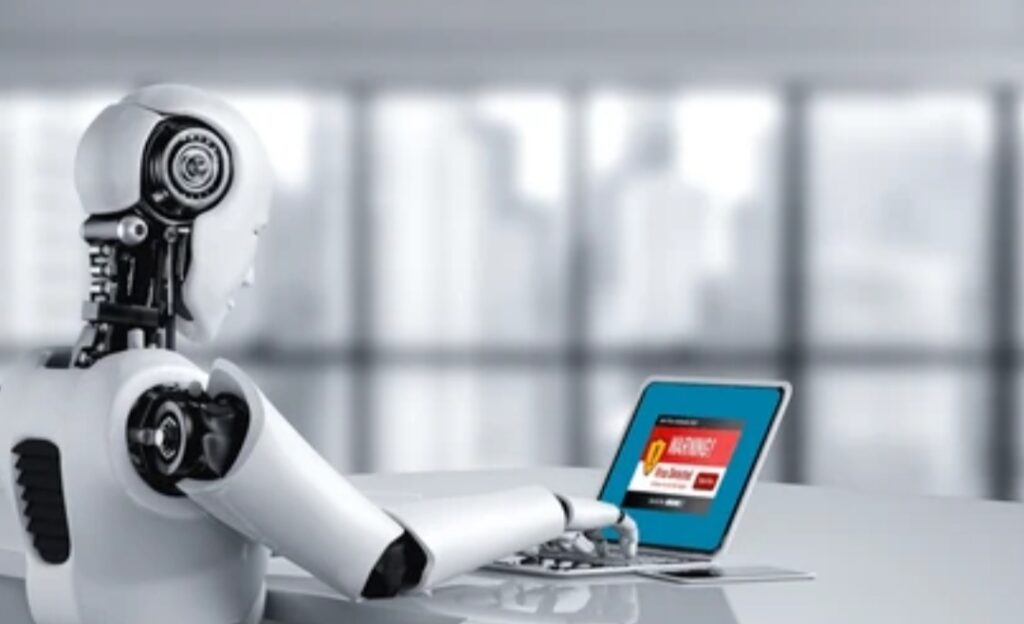
🔒 Why should you care about autonomous cyberattack prevention?
Because these attacks are fast, self-learning, and unpredictable.
AI-powered threats can analyze weaknesses, launch phishing campaigns automatically, and even adjust their attack strategy in real time without human input.
This makes them harder to detect and far more dangerous than traditional cyber threats.
The good news?
There are proven strategies and AI security tips you can follow to protect yourself.By applying a layered defense approach, you can stay one step ahead and ensure your data, systems, and networks remain secure.
This blog post will guide you through 5 powerful ways to defend AI attacks and provide you with practical steps for autonomous cyberattack prevention.
✨ In this guide, you will learn:
- What autonomous AI-driven cyberattacks are and how they work.
- The biggest risks they pose to individuals and businesses.
- The 5 best ways to prevent AI-driven cyberattacks before they target you.
- Practical AI security tips that even non-technical users can apply today.
👉 Stay until the end of this article because we’ll share actionable advice that can save you from costly data breaches and reputational damage.
And if you’re serious about taking your security to the next level, don’t miss our exclusive resource here: Best Cybersecurity Tools to Block AI Attacks.
Remember, the best defense is prevention.
By being proactive today, you can avoid becoming tomorrow’s victim of an autonomous AI-powered cyberattack.
⚡ Don’t wait until a cyberattack hits you — start protecting yourself today with the right tools, strategies, and mindset.
Understanding Autonomous AI-Driven Cyberattacks
The first step to defending AI attacks is understanding exactly what they are and how they differ from traditional cyber threats.
Most people think of a cyberattack as a hacker sitting in front of a computer, manually breaking into systems.
But autonomous AI-driven cyberattacks are far more dangerous because they use artificial intelligence (AI), machine learning, and automation to launch, adapt, and scale attacks at a level humans simply can’t match.

What Makes Autonomous AI-Driven Cyberattacks Different?
Traditional cyberattacks rely heavily on human effort.
A hacker must manually code exploits, send phishing emails, or brute-force their way into systems.
This process is often slow and easier to detect.
Autonomous AI-driven cyberattacks, on the other hand, are:
- Self-learning → They analyze defenses and adjust their methods in real time.
- Scalable → They can launch thousands of attacks simultaneously without human involvement.
- Adaptive → They quickly identify what works and discard what doesn’t.
- Persistent → Once inside, AI-driven malware can remain hidden for long periods.
This ability to learn, adapt, and evolve automatically makes AI-powered threats much harder to defend against compared to older cyberattack methods.
Common Types of AI-Powered Cyberattacks
To build strong autonomous cyberattack prevention strategies, it’s important to know the most common forms these attacks take:
- AI-Enhanced Phishing
- Cybercriminals use AI to generate convincing phishing emails that mimic trusted companies or even specific people you know.
- AI can analyze your communication style and create emails that look authentic.
- Cybercriminals use AI to generate convincing phishing emails that mimic trusted companies or even specific people you know.
- Automated Malware & Ransomware
- AI malware spreads rapidly, automatically finding vulnerabilities.
- Once inside, it can encrypt files, steal data, or hold systems hostage.
- AI malware spreads rapidly, automatically finding vulnerabilities.
- AI-Driven Brute Force Attacks
- Instead of random password guessing, AI uses predictive algorithms to crack passwords much faster.
- Instead of random password guessing, AI uses predictive algorithms to crack passwords much faster.
- Deepfake & Social Engineering Attacks
- AI-generated audio or video messages trick employees or users into giving up credentials or authorizing fraudulent transactions.
- AI-generated audio or video messages trick employees or users into giving up credentials or authorizing fraudulent transactions.
- Data Poisoning & AI Manipulation
- Attackers target the AI systems themselves, feeding them false data to alter their behavior and outcomes.
- Attackers target the AI systems themselves, feeding them false data to alter their behavior and outcomes.
These threats show that attackers are no longer just using AI — they are letting AI do the attacking for them.
Why Traditional Security Fails Against AI Threats
Most companies still rely on old-fashioned defenses: firewalls, antivirus, and signature-based detection.
While these tools are useful, they are reactive rather than proactive.
They detect attacks based on known patterns — but AI-driven attacks evolve constantly, creating new patterns that slip past outdated systems.
This is why modern businesses and individuals must focus on smarter ways to prevent AI-driven cyberattacks, such as:
- Continuous monitoring and anomaly detection.
- Zero-trust security frameworks.
- AI-powered defense systems.
Simply put: if attackers are using AI, defenders must use AI too.
The Rising Need for AI Security Tips
With AI becoming mainstream in both business and consumer tools, cybercriminals are weaponizing the same technology.
That’s why following up-to-date AI security tips is no longer optional — it’s essential.
From multi-factor authentication to AI-driven penetration testing, every layer of protection counts.
The reality is simple: you can’t wait until after an attack happens.
You need to start building autonomous cyberattack prevention strategies today if you want to safeguard your data, your finances, and your reputation.
⚡ Pro Tip: Think of AI-driven cyberattacks like a chess game where your opponent can predict multiple moves ahead.
To win, you must use smarter strategies, anticipate risks, and deploy defenses that evolve just as quickly as the threats themselves.
5 Ways to Prevent Autonomous AI-Driven Cyberattacks
Now that you understand the danger of autonomous AI-driven cyberattacks, let’s dive into the most effective strategies to protect yourself and your business.
These methods go beyond basic cybersecurity — they are proactive, AI-aware, and battle-tested against the next generation of threats.
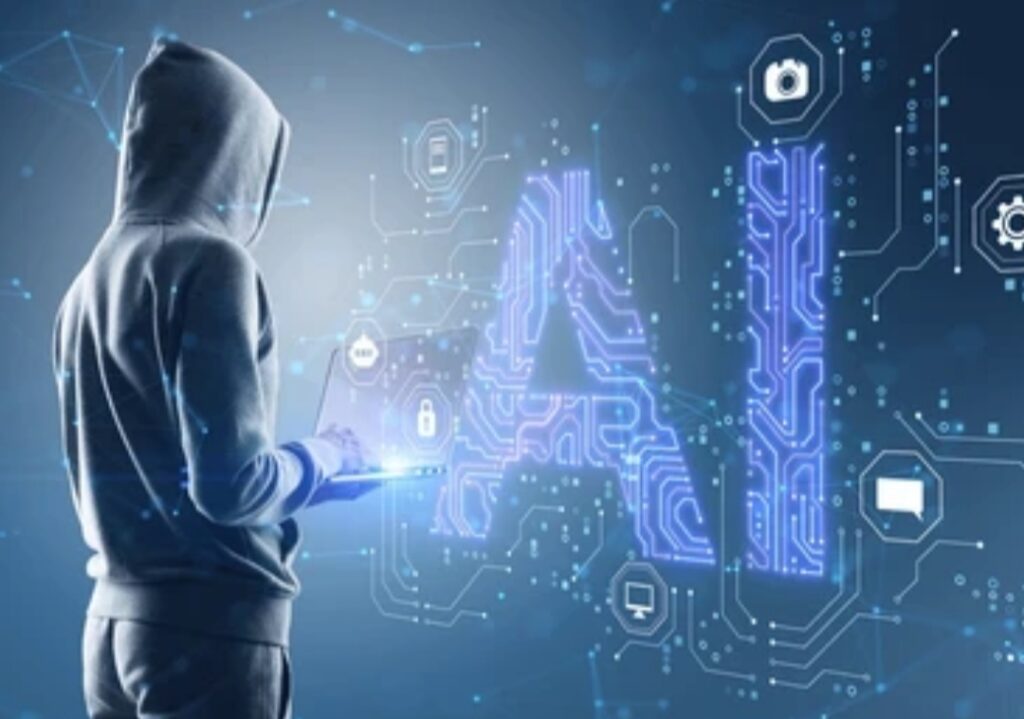
1. Strengthen Endpoint Security with AI-Powered Defense
Every device connected to your network — laptops, smartphones, IoT devices — is a potential entry point for attackers.
This is why endpoint security is the first and most critical line of defense.
Unlike traditional antivirus tools, AI-powered defense solutions:
- Monitor behavior in real time.
- Detect unusual activity (like malware trying to run silently).
- Stop zero-day exploits that don’t match any known virus signature.
For example, modern AI-driven intrusion detection systems can analyze billions of signals per second, identifying threats before they spread.
This is a powerful way to prevent AI-driven cyberattacks because you are fighting AI with AI.
✅ Tip: Invest in next-gen endpoint protection software that uses machine learning to continuously adapt. Look for solutions that combine antivirus, firewall, and behavioral analytics in one platform.
2. Implement Continuous Monitoring and Threat Intelligence
Cybercriminals don’t sleep — and neither should your defenses.
One of the best autonomous cyberattack prevention methods is continuous monitoring.
Instead of waiting for alerts after an attack, continuous monitoring tools:
- Run 24/7 to detect anomalies.
- Use AI-driven threat intelligence to predict future attack patterns.
- Automatically block suspicious activity before it escalates.
By integrating global threat intelligence platforms, you gain access to real-time updates on the latest hacking trends and vulnerabilities.
This allows you to react before an attack reaches your system.
✅ Pro Tip: Combine monitoring with automated alerts to your IT or security team.
Even small businesses can now use affordable AI-driven monitoring systems.
3. Prioritize Zero-Trust Security Frameworks
One of the most powerful ways to defend AI attacks is to adopt a Zero-Trust model.
Unlike traditional networks that assume “inside the network = safe,” zero-trust operates on one principle: never trust, always verify.
Zero-trust frameworks mean that:
- Every user, device, and app must authenticate before gaining access.
- Access is limited only to what is absolutely necessary.
- Even insiders are constantly verified to prevent insider threats.
This prevents autonomous AI-driven malware from spreading unchecked within your system.
If one device is compromised, zero-trust ensures it doesn’t compromise everything else.
✅ Tip: Implement multi-factor authentication (MFA), identity verification, and micro-segmentation of your network as part of zero-trust.
4. Automate Incident Response and Recovery
Even with the best defenses, no system is 100% attack-proof.
What separates vulnerable businesses from resilient ones is how fast they can respond and recover.
This is where SOAR (Security Orchestration, Automation, and Response) platforms come in.
These tools:
- Automatically isolate infected systems.
- Block malicious traffic.
- Launch backups and recovery protocols without waiting for human action.
An automated response drastically reduces downtime and financial losses.
It also ensures you don’t panic during a crisis — the system already knows how to fight back.
✅ Pro Tip: Set up automated playbooks for common threats like ransomware or phishing attempts.
This guarantees your response is instant and consistent.
5. Regular Security Audits and AI-Driven Penetration Testing
The final step in autonomous cyberattack prevention is proactive testing.
You can’t fix what you don’t know — and hidden vulnerabilities are exactly what AI-driven hackers exploit.
Regular security audits help identify weak points in your system.
Meanwhile, AI-driven penetration testing simulates real-world attacks to expose flaws before attackers do.
Unlike human testers, AI tools can:
- Run continuous vulnerability scans.
- Test multiple attack scenarios at once.
- Learn from past attempts to find deeper security gaps.
This not only helps you defend AI attacks but also strengthens your long-term resilience.
✅ Tip: Schedule quarterly security audits and consider hiring cybersecurity firms that specialize in AI penetration testing.
The fight against AI-driven cyberattacks isn’t about waiting for “if” they happen — it’s about preparing for “when.”
Start implementing these prevention methods today to protect your future.
Additional AI Security Tips to Stay Ahead
Even if you already use advanced defenses, cybercriminals are constantly evolving.
That means you need to stay one step ahead by following ongoing AI security tips that keep your protection updated and future-proof.
These tips are simple enough to apply daily but powerful enough to drastically reduce your risk exposure.

Train Employees Against AI-Enhanced Phishing
One of the biggest weaknesses in cybersecurity isn’t technology — it’s people.
Attackers know this, which is why they use AI to create highly convincing phishing emails that mimic real colleagues, clients, or vendors.
- Host regular cyber awareness training so employees know how to spot suspicious links.
- Use simulated phishing campaigns to test their response.
- Encourage staff to verify requests for sensitive information before acting.
✅ Tip: Teach employees to always double-check sender addresses and avoid clicking on unfamiliar links.
This simple habit is one of the easiest ways to prevent AI-driven cyberattacks targeting your inbox.
Enforce Multi-Factor Authentication (MFA) Everywhere
Passwords alone are no longer safe.
With AI-powered brute force attacks, hackers can guess passwords faster than ever before.
That’s why enabling multi-factor authentication (MFA) across all accounts is critical.
MFA requires a second verification step — like a text code, biometric scan, or authentication app — which makes it much harder for attackers to break in, even if they have your password.
✅ Pro Tip: Always choose authentication apps (like Google Authenticator) over SMS codes, since AI can intercept SMS messages more easily.
Encrypt Data and Use Secure Backups
Data is often the main target in autonomous attacks.
Even if attackers breach your defenses, encryption ensures stolen data is useless without the proper keys.
Additionally, secure backups protect you from ransomware attacks by allowing you to restore files without paying criminals.
Store backups offline or in a separate, secure cloud environment.
✅ Tip: Automate backups and regularly test them to ensure they work when needed.
Regular Software Updates and Patch Management
AI attackers thrive on exploiting outdated systems.
Every unpatched vulnerability is like an open door for hackers.
- Enable automatic updates for operating systems, apps, and devices.
- Patch known vulnerabilities as soon as updates are released.
- Don’t forget about IoT devices like smart cameras, routers, or office printers.
✅ Quick Win: Create a patch schedule for your business so no device or application gets overlooked.
Limit Data Access with the Principle of Least Privilege
Not every employee needs access to every system.
By applying the principle of least privilege, you minimize the damage an AI-powered attack can cause if one account is compromised.
- Give users only the access they need to do their job.
- Regularly review and revoke unused permissions.
- Monitor insider threats as closely as external ones.
This method of autonomous cyberattack prevention makes it much harder for AI malware to spread across your entire system.
Partner with Cybersecurity Experts
Even the best in-house teams can miss something.
Working with specialized cybersecurity firms gives you access to the latest defense technologies, penetration testing, and expert advice on how to defend AI attacks before they happen.
✅ Pro Tip: Choose a partner that offers AI-powered monitoring and testing, not just traditional security services.
⚡ Final Note on Staying Ahead
Cybersecurity isn’t a one-time setup — it’s a continuous process.
The best AI security tips are the ones you follow consistently.
By combining strong technology, employee awareness, and proactive policies, you create a layered defense strategy that makes it nearly impossible for attackers to succeed.
👉 Stay vigilant, stay updated, and stay proactive — because the cost of prevention is always lower than the cost of recovery.
Future of AI in Cybersecurity
Artificial Intelligence is no longer a futuristic concept — it’s already shaping the way cyberattacks are launched and defended against.
As we look ahead, the future of AI in cybersecurity will be a constant battle between attackers using AI as a weapon and defenders using AI as a shield.
Understanding this evolving landscape is crucial if you want to master the best ways to prevent AI-driven cyberattacks before they reach you.

The Dual Role of AI — Attacker vs. Defender
AI is a double-edged sword.
On one side, cybercriminals are using AI to automate attacks, create realistic phishing campaigns, and bypass security systems.
On the other side, cybersecurity professionals are deploying AI-powered defense tools to detect anomalies, stop intrusions, and predict future threats.
- AI as the Attacker
- Automates phishing with human-like precision.
- Creates adaptive malware that changes its signature to avoid detection.
- Uses predictive algorithms to crack passwords and authentication systems.
- Automates phishing with human-like precision.
- AI as the Defender
- Powers next-gen firewalls and intrusion detection systems.
- Provides real-time anomaly detection and behavioral analysis.
- Automates security responses to minimize downtime.
- Powers next-gen firewalls and intrusion detection systems.
This constant tug-of-war means businesses must keep adapting their autonomous cyberattack prevention strategies — because the moment defenders stop evolving, attackers gain the upper hand.
Emerging Threats to Watch in the Near Future
To truly defend AI attacks, you need to know what’s coming next.
Here are some of the most likely threats we’ll see in the near future:
- AI-Powered Deepfake Fraud → Attackers creating convincing audio/video messages to trick employees into transferring funds.
- Automated Insider Threats → Malware that mimics employee behavior to blend in.
- Self-Spreading AI Malware → Viruses that independently evolve and spread without human input.
- Adversarial AI Attacks → Hackers feeding false data into AI security systems to confuse them.
- Autonomous Botnets → Networks of infected devices that launch massive, coordinated attacks powered by AI.
Each of these threats proves why proactive AI security tips are essential — because waiting until they become mainstream is already too late.
How Businesses Must Prepare for the Future
Businesses and individuals can’t just rely on what works today.
The future of cybersecurity demands:
- Investing in Adaptive AI Defenses → Security systems that learn and evolve just as fast as attackers.
- Regular AI Penetration Testing → Simulating future-style attacks to find weaknesses before hackers do.
- Cybersecurity Collaboration → Sharing intelligence across industries to stay ahead of new threats.
- Employee Upskilling → Training staff not only on today’s risks but also on emerging AI-powered attack methods.
- Stronger Policies and Regulations → Governments worldwide will push for stricter AI and cybersecurity compliance.
By combining these approaches, you create a future-proof defense strategy — one that evolves at the same pace as AI-driven threats.
Why Continuous Evolution is Key
The most important lesson for the future is this: cybersecurity is never finished.
AI ensures that attackers will always find new angles.
The only way to stay secure is by continuously upgrading defenses, monitoring trends, and applying the latest AI security tips.
Remember: autonomous cyberattack prevention is not a one-time task, but an ongoing battle.
Don’t just defend against today’s threats — prepare for tomorrow’s.
The organizations that survive AI-driven cyberattacks will be the ones that adapt, evolve, and act before attackers do.
Conclusion
The rise of autonomous AI-driven cyberattacks is no longer a distant possibility — it’s a reality that businesses and individuals face every day.
These attacks are faster, smarter, and more adaptive than traditional threats, which means the old ways of defending yourself simply aren’t enough anymore.
By following the strategies we discussed — from strengthening endpoint security with AI-powered tools to adopting zero-trust frameworks and automating incident response — you are already ahead of most targets.
These five proven ways to prevent AI-driven cyberattacks are designed to help you defend AI attacks before they even have a chance to hit your system.

But prevention doesn’t stop there.
You also need to apply additional AI security tips like multi-factor authentication, employee training, encryption, and proactive penetration testing.
Cybersecurity is not a one-time setup — it’s an ongoing process of adaptation and vigilance.
👉 Here’s the truth:
If attackers are using AI to launch attacks, you must use AI and proactive strategies to defend against them. Waiting until you’re attacked is not an option — the cost of recovery is always higher than the cost of prevention.
🔑 Key Takeaways
- AI-driven cyberattacks are faster and harder to detect than traditional threats.
- You must use autonomous cyberattack prevention strategies to stay secure.
- Combining technology, employee awareness, and regular audits builds a layered defense.
- Following simple but effective AI security tips can protect you from becoming an easy target.
Don’t wait until it’s too late.
Start protecting yourself today with the best cybersecurity tools and strategies available.
Check out our recommended Top-Rated AI Security Tools to build your defenses and stay one step ahead of attackers.
You might also like :