
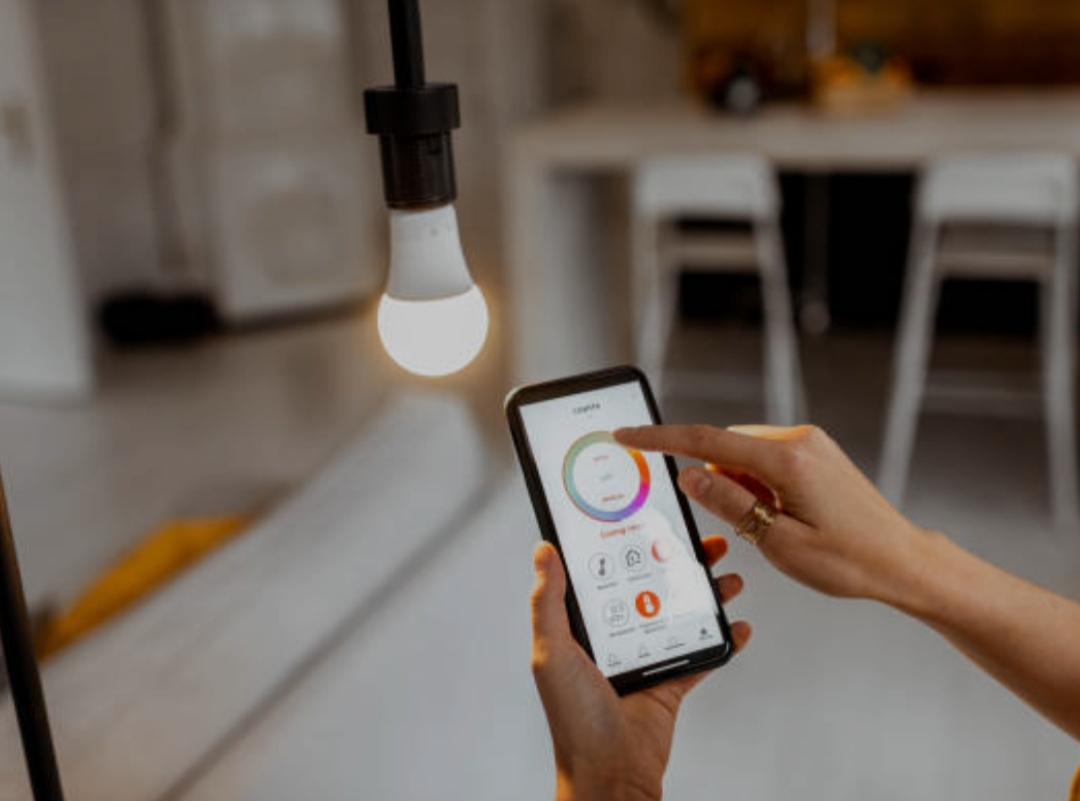
smart lighting setup, energy saving lights, best smart bulbs 2025
Introduction — Why Smart Lighting Matters More Than Ever in 2025
Smart homes are no longer a futuristic concept reserved only for tech enthusiasts or luxury homeowners, and in 2025, smart technology has become an essential part of modern lifestyle design, with the smart lighting setup trend leading the transformation across living spaces worldwide.
As people continue searching for practical ways to reduce energy bills, enhance interior comfort, and create personalized atmospheres that match their productivity and emotional needs, energy saving lights and intelligent lighting solutions have quickly become one of the most impactful and affordable upgrades available today.
Unlike traditional lighting systems that simply switch on and off, smart lighting introduces adaptive illumination, automation routines, voice-controlled convenience, and real-time energy monitoring, making homes not only brighter but also significantly more efficient and mood-supportive.
In fact, many homeowners and renters are now turning to advanced solutions like tunable white LEDs, RGB ambient lighting, IoT-connected bulbs, motion-sensing fixtures, and the best smart bulbs 2025 options such as Philips Hue, Nanoleaf Essentials, Govee Smart Bulbs, and Yeelight Smart LED Bulbs to create spaces that feel intelligent rather than ordinary.
✔ If you want a home that responds to your lifestyle rather than forcing you to adapt to fixed lighting conditions, smart lighting is the most accessible and cost-effective starting point.

🌟 What Makes Smart Lighting Different From Traditional Lighting?
Smart lighting is built on three core pillars that set it apart from regular bulbs and switches:
1️⃣ Automation & Scheduling
2️⃣ Personalized Lighting Scenes & Mood Control
3️⃣ Energy Efficiency & Resource Optimization
These key elements allow users to enjoy customized lighting without needing to touch a switch, while reducing wasted electricity through automated dimming, occupancy sensing, and time-based routines.
🌍 Why Smart Lighting Is Becoming a Global Trend
There are several reasons why millions of households are shifting from old lighting systems to smart LED technology, and here are the most relevant, up-to-date drivers:
- Rising global electricity costs and the need for energy-efficient home solutions.
- Increased awareness regarding the effects of lighting on mental wellness, sleep cycles, and productivity.
- Broader support and compatibility with smart home platforms like Alexa, Google Home, Siri, Matter, Zigbee, Thread, and future-proof IoT networks.
- Greater affordability and longer lifespan of LED-based smart bulbs compared to halogen or CFL alternatives.
- Growth in remote work and digital lifestyle habits that demand more comfort-centred home environments.
In short:
People no longer want lights that simply illuminate a room — they want lights that enhance mood, support well-being, and reduce unnecessary spending.
💡 Who Should Consider Smart Lighting?
You should strongly consider upgrading to smart lighting if you fit into any of the categories listed below:
| User Type | Primary Benefit |
| Work-From-Home Users | Better focus & reduced eye strain |
| Minimalist & Tech Lovers | Clean, futuristic home environment |
| Energy Conscious Homeowners | Long-term electricity savings |
| Parents & Busy Families | Automation for convenience |
| Renters | Easy installation without renovation |
Even if you are not into technology, smart lighting can still offer hands-free comfort, and simple preset routines mean you set it once and enjoy it forever.
🧠 Psychology Behind Smart Lighting & Emotional Well-being
Scientific studies continue to prove that light color temperature and brightness can influence:
- Sleep quality
- Stress levels
- Productivity and motivation
- Creativity
- Mood stability
Warm yellowish tones help calm the mind.
Cool daylight tones improve alertness.
Soft dim settings trigger relaxation.
Colored ambient light creates immersive environments.
With a properly configured smart lighting setup, your home becomes a therapeutic and functional sanctuary rather than just a shelter.
🚀 Why 2025 Is the Perfect Year to Upgrade
Today’s smart lighting ecosystem is more affordable, compatible, and future-ready than ever before.
Prices have dropped, Matter-supported devices now allow universal system pairing, and energy saving lights are designed to last significantly longer while consuming minimal power.
If you are still using regular bulbs, you are missing out on:
- Auto-dimming during sunset
- Scene presets like Movie Mode, Focus Mode, Sleep Mode
- Voice commands without touching switches
- Motion-activated pathway lighting
- Energy usage monitoring reports
- Smart ecosystem control from anywhere
This upgrade is not a luxury, it is a smart long-term investment.
📌 Before We Continue
If you want a home that feels luxurious, performs intelligently, and saves money effortlessly, you are about to discover the most complete and updated guide to turning your ordinary room into a smart lighting masterpiece.
👉 Keep reading because the next sections will reveal expert setup tips, recommended devices, automation blueprints, and cost-saving tricks that most people never learn until it is too late.
👉 Prepare to create a living space that inspires productivity, happiness, and relaxation — all with the power of light.
⭐ PRO-TIP:
Always start small, test your preferred lighting style, and gradually expand your setup so you do not overspend.
Why Smart Lighting Setup Matters for Modern Homes (2025 Edition)
Modern homes are evolving rapidly, and the way we use lighting is no longer limited to illumination alone, because today’s lifestyle demands comfort, well-being, digital convenience, and energy-efficient technology that can automatically adapt to our needs without constant manual adjustment.
The global shift toward smarter living has made the smart lighting setup a central part of home automation, because it provides advanced control, savings on electricity consumption, next-level aesthetics, and personalized lighting scenes that enhance physical and mental performance.
When comparing traditional bulbs with energy saving lights, the difference goes far beyond wattage and brightness level, because modern smart lighting systems are built with sensor-activated triggers, wireless automation, AI-assisted lighting intelligence, voice-activated dimming, and color-temperature tuning that helps align indoor lighting with our circadian rhythm.
Below is a complete breakdown of why smart lighting matters more than ever, especially for digital-first homes, remote workers, creative spaces, and families who want improved comfort and better energy management.
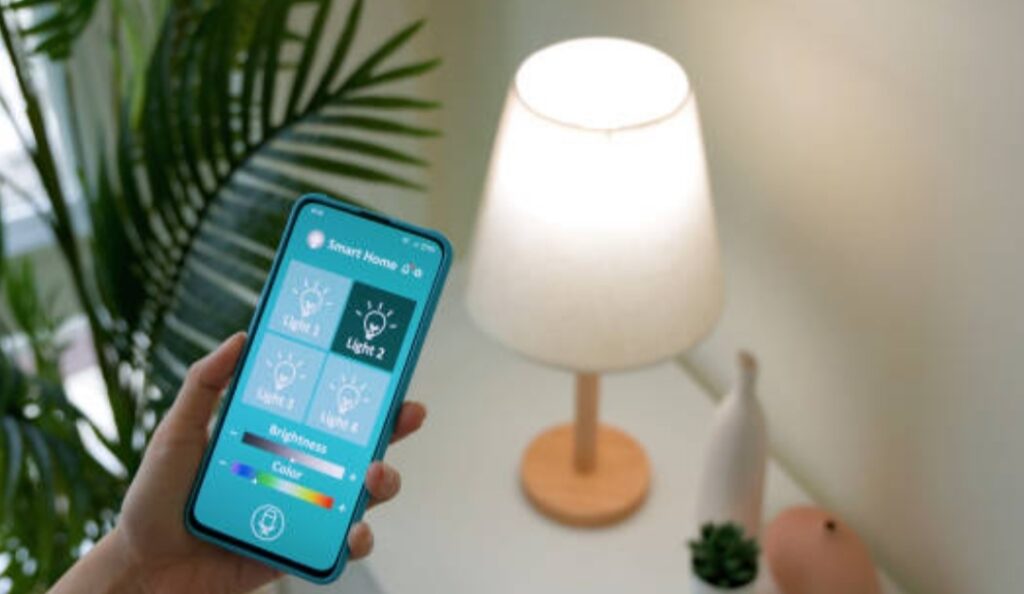
1️⃣ Smart Lighting Improves Energy Efficiency & Reduces Electricity Bills
One of the most compelling reasons why homeowners are upgrading to energy saving lights and LED-based automation systems is the noticeable reduction in monthly utility bills, because smart bulbs typically use up to 75% less energy than incandescent bulbs and up to 40% less power when dimmed or scheduled correctly.
Unlike normal bulbs that remain fully powered the entire time they are switched on, smart lights use adaptive brightness logic and auto-shutoff routines, ensuring that no room stays lit unnecessarily.
Examples of cost-saving automation routines include:
- Motion-activated hallway, staircase, kitchen, and bathroom lights.
- Auto-off timer for children’s rooms, pantry, or laundry area.
- Daylight-sensing adjustments that dim automatically during the day.
- Vacation mode that simulates presence without high power usage.
📌 Tip:
Start using ambient light sensors and smart occupancy detectors to drastically reduce wasted electricity throughout your home.
2️⃣ Smart Lighting Enhances Mood, Wellness, Sleep & Productivity
Lighting plays a major role in human psychology and biological rhythm, and studies continue to show that light temperature and intensity influence how we feel, think, work, and sleep.
For example:
- Cool, bright daylight lighting (5000K–6500K) boosts focus, alertness, and motivation.
- Warm lighting (1800K–2700K) helps relax the brain, reduce stress, and support melatonin production.
- Soft dim lighting at night prepares the body for sleep and reduces eye strain.
This is why selecting the best smart bulbs 2025 such as Philips Hue White & Color Ambiance, Nanoleaf Essentials, or Govee RGBIC Wi-Fi Bulbs allows you to create custom lighting scenes for productivity, meditation, exercise, entertainment, romance, and stress relief — all without buying additional lamps or decor.
📌 Pro-Wellness Insight:
Use warm amber lighting after 10 PM and set an automatic wind-down scene to promote deeper sleep cycles and faster recovery.
3️⃣ Smart Lighting Supports Future-Proof Home Automation Ecosystems
Today’s smart homes are powered by systems such as Amazon Alexa, Google Home, Apple HomeKit, Matter, Thread, and Zigbee, all of which are designed to help homeowners experience seamless automation.
A modern smart lighting setup becomes even more intelligent when paired with:
- Smart thermostats
- Security cameras
- Smart plugs
- Smart speakers
- Smart curtains/blinds
- Voice assistants
- Smart smoke detectors
- Smart home hubs
This allows multi-level automation like:
“Turn on living room lights to 40% and switch TV to Cinema Mode.”
or
“Dim bedroom lights to warm candlelight when sleep tracker hits bedtime mode.”
This level of integration provides a hotel-like luxury lifestyle with effortless control, even when you’re not at home.
4️⃣ Smart Lighting Adds Aesthetic Value & Makes Any Home Look Premium
Smart lighting dramatically improves interior design, because it can highlight textures, walls, artwork, decor, and architectural elements using dynamic light layering, RGB ambient effects, and hidden lighting placement strategies.
You can instantly transform a plain living room, bedroom, home office, or gaming setup with LED light strips, under-cabinet lighting, ceiling cove lighting, or accent wall lights, creating an environment that feels:
- Cinematic
- Futuristic
- Cozy
- Luxurious
- Instagram-ready
This makes modern lighting a powerful low-cost visual upgrade when compared to expensive reno projects like repainting walls or buying new furniture.
📌 Design Tip:
Use 2700K+ indirect lighting behind beds, desks, TVs, and shelves for ultra-premium, soft-glow ambience.
5️⃣ Smart Lighting Provides Voice-Activated and Hands-Free Convenience
Smart lighting offers instant, effortless lighting control without needing switches or remotes, making it especially useful for people with mobility limitations, busy parents, late-night routines, or rooms far from switches.
Examples of simple voice commands:
- “Alexa, turn on kitchen lights.”
- “Hey Google, set Study Mode to bright daylight.”
- “Siri, activate bedtime lighting scene.”
Hands-free convenience is not just luxury — it is modern home efficiency.
The Real Benefits of Smart Lighting Setup
Here’s a fast breakdown for easy reading and Featured Snippet capture:
| Benefit | Why It Matters | Result |
| Energy Efficiency | Reduces electricity usage | Lower bills |
| Mood Enhancement | Lighting affects hormones & emotions | Better mental state |
| Sleep Optimization | Circadian aligned lighting | Deeper rest |
| Aesthetic Upgrade | Ambient lighting design | Luxury visual effect |
| Automation Convenience | Hands-free voice & schedule control | Stress-free lifestyle |
| Future-Proof Setup | Works with Matter & smart ecosystems | Long-term value |
🔥 Why You Should Not Wait Anymore
If you want a smarter, healthier, more efficient home, upgrading your lighting system is one of the fastest, easiest, and most affordable starting points.
You don’t need to renovate or change wiring.
You don’t need to replace your entire lighting system at once.
Even one smart bulb can transform the experience of a room.
Start with the right selection of smart bulbs today and grow your setup step-by-step for maximum comfort, savings, and mood-boosting benefits.
Types of Smart Lighting Systems for Modern Homes (2025 Updated Guide)
Choosing the right smart lighting setup is crucial if you want the perfect balance of energy efficiency, mood-enhancing lighting scenes, and long-term smart home system compatibility, because not all smart lights function the same and different environments require different lighting technologies to achieve maximum comfort and savings.
In 2025, smart lighting has evolved into a wide ecosystem of smart bulbs, connectable LED strips, smart switches, motion and ambient light sensors, and smart lighting control hubs, offering homeowners more flexibility than ever before.
Understanding each type helps you select lights based not only on cost but also on automation compatibility, energy saving performance, lifestyle needs, and design aesthetic goals, ensuring you don’t overspend or buy products that are not future-proof.
Below are the most important types to consider before purchasing the best smart bulbs 2025, installing energy saving lights, or investing in premium smart lighting accessories.
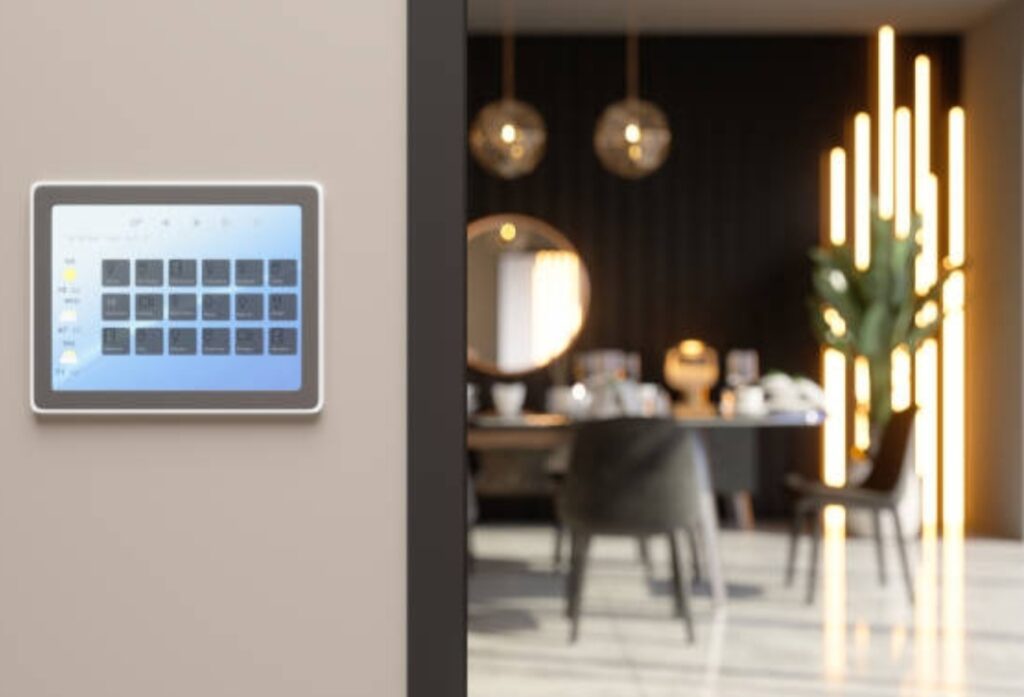
1️⃣ Smart LED Bulbs (Most Popular Choice for Beginners)
Smart LED bulbs are the easiest and most common entry point for homeowners and renters who want a plug-and-play upgrade without changing wiring or installing new switches.
These bulbs connect via Wi-Fi, Bluetooth, Zigbee, Thread, or Matter-supported hubs, allowing you to control color temperature, brightness levels, timers, voice commands, and custom scenes using your smartphone.
Smart bulbs are available in three main variations:
| Type | Features | Best For | Notes |
| Tunable White | Warm-to-cool adjustable | Bedrooms, offices | Great for sleep & productivity |
| Full RGB | Millions of colors | Gaming, living rooms | Best for creative ambient mood |
| Filament Smart Bulbs | Vintage look + smart tech | Cafes, bedrooms, loft rooms | Combines aesthetics + IoT control |
📌 Pro Tip:
Choose Thread or Matter-compatible bulbs if you want the most future-proof ecosystem and fastest response times with low latency.
2️⃣ Smart Light Strips (For Mood & Interior Design Ambience)
Smart LED strips are long, flexible lighting strips that can be placed behind TVs, under cabinets, around bed frames, under shelves, or along ceiling coves to create cinematic ambient lighting and immersive interior design effects.
Modern high-end LED strips offer advanced features such as:
- RGBIC multi-zone lighting control
- Music rhythm sync effects
- Custom gradient color transitions
- Adaptive ambient scene modes
These qualities make LED strips extremely popular for home theaters, gaming setups, creative studios, kitchens, and walk-in wardrobes.
📌 Interior Design Hack:
Install LED strips with indirect light reflection (hidden from view) for a luxury hotel-style glow that feels premium and relaxing.
3️⃣ Smart Wall Panels & Modular Light Tiles (High-End Visual Experience)
Smart wall lighting panels are decorative, interactive lighting tiles designed to build creative shapes, wall art patterns, or immersive ambient backgrounds, making them perfect for content creators, modern living rooms, and social media-friendly home designs.
Brands like Nanoleaf and Govee Glide offer advanced modular tiles with:
- Dynamic theme scenes
- Gradient and ambient visual modes
- Touch-response and sound-reactive lighting
- Sync effects for gaming and music streams
These systems are more aesthetic-focused than functional, but they deliver a wow factor that no standard bulb can match.
📌 Tip:
Place wall panels on accent walls instead of full room lighting for the best visual impact.
4️⃣ Smart Switches & Dimmers (Perfect for Whole-House Automation)
Smart switches are ideal if you want an upgrade that looks clean, works with standard bulbs, and continues to function even if someone manually toggles the wall switch.
They are installed in place of traditional wall switches and offer:
- Remote control via app or voice
- Dimming functionality (if supported)
- Automation schedules
- Physical backup control
Smart dimmer switches are especially useful for living rooms, hallways, dining rooms, and shared spaces, where guests or kids may not understand smart bulb rules.
📌 Buyer Caution:
Confirm whether your house wiring needs neutral wire support before purchasing smart switches.
5️⃣ Motion Sensors & Ambient Light Sensors (Hands-Free Automation)
Motion and light-sensing technology transforms your lighting into fully intelligent automation that activates only when needed and saves energy when not in use.
These sensors are perfect for bathrooms, pantries, corridors, stairs, closets, garages, and late-night pathways, providing safety while cutting electricity costs.
Automation examples include:
- Turn on soft night light when motion detected after 11 PM
- Dim hallway lights automatically after 20 seconds of no movement
- Activate study light only when room brightness is below a set threshold
📌 Expert Tip:
Pairing sensors with energy saving lights maximizes ROI because automation prevents unnecessary usage.
6️⃣ Smart Lighting Control Hubs (Brain of the Ecosystem)
Smart lighting hubs such as Philips Hue Bridge, Aqara Hub, HomePod Mini (Thread), and Amazon Echo with Matter support act as the central communication system for all connected lights and accessories.
Benefits include:
- Faster communication speed
- Offline control without cloud dependency
- Advanced automation scenes
- Lower latency response
- Better multi-device communication
If you plan to scale to more than 8–10 devices, investing in a hub-based lighting ecosystem is highly recommended.
Which Smart Lighting Type Should You Choose? (Quick Selection Guide)
Use the guide below for fast decision making:
| Scenario | Best Option | Reason |
| Budget starter | Smart bulbs | Cheapest entry, no wiring |
| Luxury ambient setup | RGBIC strips or wall panels | Best aesthetic impact |
| Whole house automation | Smart switches + hub | Most scalable |
| Kids or elderly home | Motion sensors | Hands-free safety |
| Gaming / streaming room | RGB strips + wall panels | Creative visual effects |
🔥 Before Moving Forward
There is no single best lighting type, because every home has different needs, but the most successful smart home upgrades combine multiple lighting devices to achieve layers of illumination, mood flexibility, and energy savings without overspending.
👉 Action Step:
Start with one smart bulb or strip in a key room, then expand with switches and sensors to build a complete smart lighting ecosystem.
🔍 How a Smart Lighting Setup Actually Works Behind the Scenes
A modern smart lighting setup may look simple on the outside, but behind every smooth tap, voice command, and automation rule, there is a powerful combination of sensors, connectivity, and intelligent software working together to deliver a personalized experience.
Unlike traditional switches that simply turn lights on or off, a smart lighting system integrates Wi-Fi, Bluetooth, Zigbee, or Thread-based communication, enabling your lights to respond instantly to mobile apps, voice assistants, or programmed automations.
Inside each smart bulb, LED driver chips and microprocessors interpret user commands and convert them into real-time lighting actions such as dimming, color shifts, brightness changes, or power-saving adjustments, making them far more intuitive than normal LED lights.
➡️ With the increasing popularity of energy saving lights, modern smart bulbs automatically adapt to natural daylight levels, occupancy, and preferred ambiance settings, which means you waste less electricity while enjoying perfectly optimized lighting every single day without manual adjustments.
Whether you choose Wi-Fi controlled bulbs, smart switches, smart plugs, or motion-activated lighting sensors, all devices communicate through your home hub or cloud platform, creating a centralized ecosystem that works even when you are thousands of kilometers away.
Most best smart bulbs 2025 come with built-in compatibility for major smart home ecosystems including Google Home, Amazon Alexa, Apple HomeKit, Samsung SmartThings, Matter, and IFTTT, making it easier than ever to create a fully connected and scalable smart home lighting solution.
Here is a quick breakdown to help you understand how the system flows:
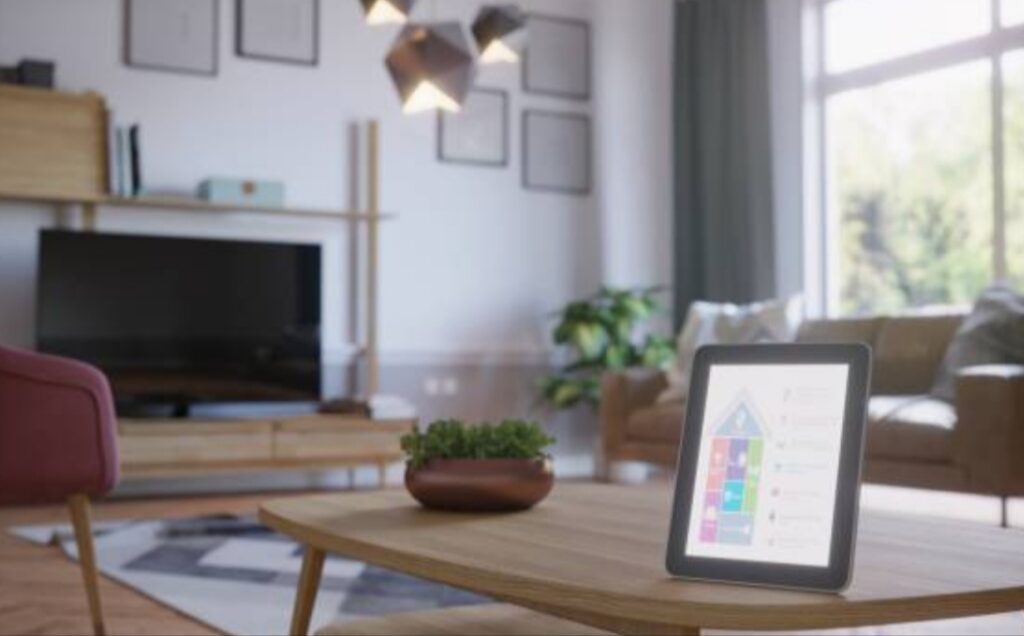
⚡ Step-by-Step Communication Flow Inside Smart Lighting
- You trigger a command
(voice, app, automation rule, NFC tag, geo-location, or sensor input). - The device receives and interprets the signal
via Wi-Fi, Bluetooth, Zigbee, Thread, or Matter. - The smart bulb or controller processes instructions
using embedded microprocessors and lighting drivers. - The bulb adjusts its behavior instantly
(brightness, Kelvin temperature, color mood, or power optimization). - Energy usage data is stored and analyzed
giving users valuable insight for long-term efficiency and sustainability.
🧠 Advanced Automations You Can Create With Smart Lighting Setup
✔ Motion-triggered hallway lights
✔ Auto-dimming movie mode
✔ “Bedroom Sunrise Alarm Simulation”
✔ Geo-tracking lights that turn on when you arrive home
✔ Notification light pulses for messages or security alerts
✔ Temperature-based color therapy lighting
These automation routines are not just cool features — they also maximize comfort, safety, health, and long-term electricity savings.
📌 Key Technologies Powering Smart Lighting Today
| Technology | Purpose | Benefits |
| LED Microchips | Light output & efficiency control | Ultra-low energy consumption |
| Wireless Protocols | Device communication | Seamless automation & remote control |
| AI + IoT Integration | Smart decision making | Personalized lighting & energy savings |
| Cloud + App Control | Remote access | No location limitation |
| Sensors (PIR, LUX, IR) | Motion / brightness detection | Hands-free automation |
💡 Pro Tip:
Choose products labeled as Matter-compatible or Zigbee-enabled if you want long-term compatibility, faster performance, and smoother integration into future smart home upgrades.
🏗️ How to Build the Perfect Smart Lighting Setup (Step-by-Step)
Creating the perfect smart lighting setup is not just about installing expensive smart bulbs and controlling them with your smartphone, but rather designing a well-planned, personalized lighting system that enhances mood, saves energy, and integrates smoothly with your smart home ecosystem.
Before buying anything, it is crucial to understand your lighting needs, your room behavior, your existing fixtures, and the level of automation you want, so you can invest wisely without wasting money or buying the wrong devices.
The steps below will guide you through the entire process, whether you are building your first setup or upgrading your current home lighting into a premium, future-ready solution using the best smart bulbs 2025, smart switches, motion sensors, energy saving lights, and compatible smart home platforms.
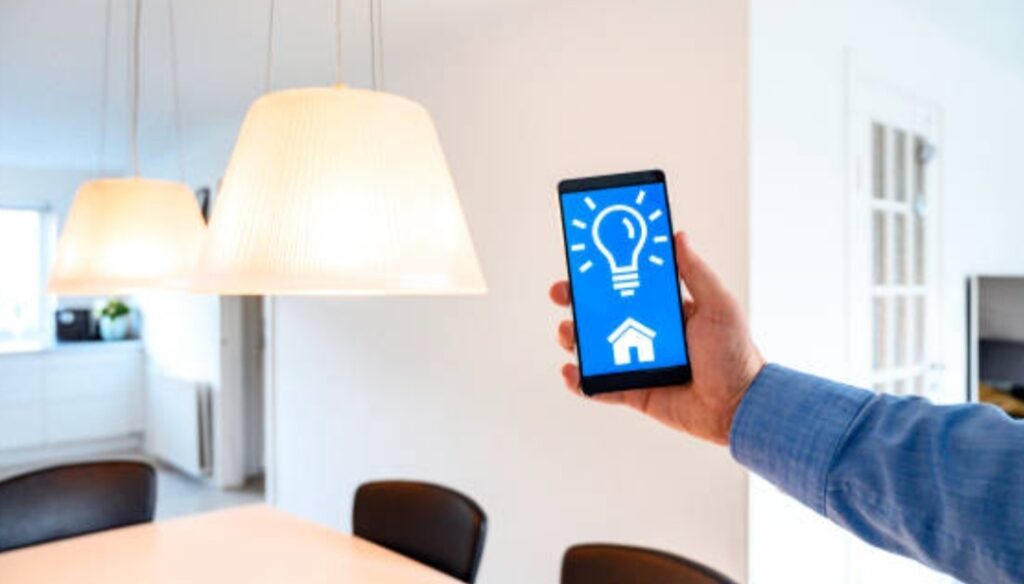
Step 1 — Evaluate Your Home Lighting Goals & Purpose
Start by identifying what you want your lighting system to achieve, because every home and lifestyle is different, and smart lighting should fit your unique daily routines rather than force you to adapt.
Ask yourself:
- Do you want improved ambiance for relaxation or productivity?
- Do you want automation and convenience for hands-free control?
- Are you focused on energy saving lights to reduce electricity bills?
- Do you want modern RGB mood lighting for a stylish interior?
- Do you want voice-activated lights for accessibility and comfort?
Once your goals are clear, you will know exactly which rooms need smart lighting first and what type of hardware is suitable.
Step 2 — Choose the Right Connectivity Standard (Wi-Fi, Zigbee, Thread, or Matter)
Smart lighting products use different wireless protocols, and choosing the right one determines reliability, responsiveness, and scalability.
Here is a simplified breakdown:
| Standard | Best For | Pros | Cons |
| Wi-Fi | Small setups | No hub needed & easy install | Can congest Wi-Fi network |
| Zigbee | Whole-home setups | Stable mesh + low power use | Usually needs a hub |
| Bluetooth Mesh | Local control | Fast pairing & responsive | Limited remote control |
| Thread & Matter | Future-proof homes | Highly compatible + secure | Still growing ecosystem |
If you want long-term stability, Zigbee or Matter-compatible devices are highly recommended.
Step 3 — Select the Right Smart Lighting Devices for Each Area
You can mix and match different smart lighting components depending on your room type, décor, and usage patterns.
Popular smart lighting options include:
- Smart bulbs (RGB, RGBIC, White-tunable, Warm-to-Cool LED)
- Smart wall switches & dimmers
- Smart recessed downlights
- Smart motion sensors & ambient sensors
- Smart LED light strips and neon accent strips
- Smart bedside lamps & table lamps
💡 Tip:
Living rooms and bedrooms benefit from RGB smart bulbs, while kitchens and hallways are better with smart switches + motion sensors because the lights turn on automatically even when your hands are full.
Step 4 — Check Compatibility with Your Preferred Smart Ecosystem
Choose whether you want full control via:
- Google Home
- Amazon Alexa
- Apple HomeKit
- SmartThings
- Home Assistant
This ensures everything can be controlled in one platform rather than juggling multiple apps, remotes, and settings, which can be stressful and confusing.
If you are buying new devices, always look for the tag:
➡️ “Works with Alexa / Google / HomeKit / Matter”
Step 5 — Install, Configure & Optimize Automations
Install your devices following each manufacturer’s instructions, connect them to your preferred protocol, and assign each device to a room or zone for easy management.
Once configured, begin automating your scenes:
✔ Morning wake-up sunrise mode
✔ Nighttime low-brightness hallway route
✔ Romantic or cinematic dimmed scene
✔ Productivity daylight white mode
✔ Sleep-friendly warm amber mode
Advanced users can combine multiple triggers such as motion + time + brightness + weather conditions, creating powerful automations that feel magical and futuristic.
Step 6 — Add Energy Monitoring & Smart Scheduling
To maximize savings, activate features like:
- Auto-off timers
- Dusk-to-dawn brightness sync
- Adaptive lighting
- Motion-triggered lighting
- Vacation security mode
- Low power standby optimization
With the correct scheduling, a smart lighting setup can reduce unnecessary energy usage, giving you lower utility bills without sacrificing comfort or style.
Optional — Expand & Upgrade with Premium Add-Ons
Once the core system is ready, you can expand your ecosystem with:
- Smart curtains & blinds
- Ambient light bars behind TVs
- Waterproof outdoor smart floodlights
- Smart stairway LEDs
- Smart mirror lighting
- Smart driveway sensors
This allows you to transform your home from basic to luxury-level living.
🔥 Final Expert Tip
If you are confused about which smart lighting brand to buy, start with budget-friendly smart bulbs first, then upgrade room-by-room with the best smart bulbs 2025 and eventually transition into a fully unified automation-driven smart home environment.
💬 Want a personalized smart lighting plan for your home layout, budget, and style?
Comment “LIGHTING PLAN” below and I will customize one for you for FREE!
💡 Energy-Saving Tips for Maximum Efficiency
Achieving maximum energy efficiency with your smart lighting setup requires more than just installing energy saving lights, because true sustainability comes from using intelligent settings, efficient automation, and modern smart home features that reduce unnecessary power usage without compromising brightness, comfort, or mood.
Most homeowners do not realize that traditional lighting usage habits — such as leaving lights on for convenience, using high-wattage outdated bulbs, and relying on manual switching — result in silent and continuous energy leakage, which contributes to expensive monthly power bills and faster bulb degradation.
The following proven and practical strategies will help you maximize efficiency, extend the lifespan of your smart lights, and keep your home beautifully lit while saving money over time, especially when using the best smart bulbs 2025 that come with advanced automation and energy monitoring features.
🌅 Tip #1 — Use Adaptive Lighting & Circadian Rhythm Scheduling
Enable adaptive auto-brightness or circadian rhythm lighting to automatically adjust color temperature and brightness levels throughout the day based on natural sunlight patterns so your lighting always stays in harmony with your biological clock.
This helps you prevent over-usage of unnecessarily bright lighting during daytime while supporting better sleep patterns, health, and mental relaxation at night through warm, low-Kelvin lighting.
🚪 Tip #2 — Install Motion & Occupancy Sensors in Strategic Zones
Motion sensors are extremely efficient when installed in hallways, bathrooms, closets, garage spaces, outdoor areas, and staircases because these areas only require temporary lighting access.
With occupancy sensors, lights automatically turn on when movement is detected and turn off after a set duration, eliminating human forgetfulness which is one of the biggest causes of wasted electricity worldwide.
🕒 Tip #3 — Use Smart Timers and Auto-Off Schedules
Activate smart timers to automatically shut off lights after specific durations during bedtime, work hours, movie sessions, or away-from-home periods.
Examples:
✔ Turn lights off at 12:30 AM automatically.
✔ Dim bedroom lights 40 minutes before sleep.
✔ Turn off all living room lights after 20 minutes of no activity.
You can also set vacation mode, which randomly turns lights on and off to simulate occupancy for security while still maintaining low-energy usage.
📉 Tip #4 — Reduce Brightness Levels to 70% or Lower
Smart LED lighting is designed to still look bright even when set at 50% to 70% brightness, and according to energy testing experts, reducing brightness from 100% → 70% can save up to 30-35% of energy across your entire home.
You can set default brightness values so all newly activated lights start automatically at your preferred energy-efficient level instead of full power.
🌤️ Tip #5 — Use Daylight Sensing for Natural Light Compensation
If you have windows, skylights, or glass sliding doors, activate daylight sensors so your smart lights dim or turn off when sunlight is sufficient.
This helps your lighting system work with nature instead of competing against it, creating a balanced visual environment while reducing unnecessary power consumption.
🧠 Tip #6 — Choose Premium Low-Watt, High-Lumens LED Smart Bulbs
Modern energy saving lights and the best smart bulbs 2025 are designed to produce stronger brightness output using significantly less power compared to old CFL and incandescent bulbs.
Always look for bulbs with:
- Low watt consumption
- High lumens rating
- Energy-Star certification
- Long lifespan (20,000+ hours)
- Power-usage analytics
This ensures you get the best illumination with minimum energy waste.
📊 Tip #7 — Monitor Real-Time Energy Usage Analytics
Many modern smart lighting apps provide built-in energy usage dashboards where you can see which rooms or zones consume the most power.
With this data, you can adjust routines, remove inefficient habits, and further optimize your smart lighting system for permanent long-term savings.
🔧 Tip #8 — Upgrade Gradually & Replace Inefficient Fixtures
If your home still uses outdated halogen or fluorescent fixtures, replace them with LED-compatible smart bulb holders or retrofit smart downlights for maximum savings and better automation flexibility.
Upgrading slowly room-by-room allows you to budget wisely and avoid unnecessary purchases while still moving toward a fully optimized system.
💎 Quick Summary Checklist for Faster Results
- Use smart LED bulbs, not incandescent or CFL
- Activate scheduling, automation, and motion sensing
- Lower brightness levels where possible
- Use warm & dim lighting after sunset
- Monitor usage habits monthly
⚡ Want me to create a personalized smart lighting energy-saving blueprint tailored to your home layout, lifestyle, and budget?
Comment “CUSTOM PLAN” or message me and I will create one for you — absolutely FREE!
🚫 Common Smart Lighting Mistakes & How to Avoid Them
Even though smart lighting technology is becoming more user-friendly, many homeowners still make costly mistakes that reduce efficiency, limit automation potential, and result in frustration rather than comfort, convenience, and savings.
Understanding these common mistakes can save you money, improve overall lighting performance, and ensure your smart lighting setup truly enhances your lifestyle while working seamlessly with energy saving lights, sensors, hubs, and the best smart bulbs 2025.
Below are the most common issues people face — and what you can do to avoid them.
❌ Mistake #1 — Buying Smart Bulbs Without Considering Ecosystem Compatibility
Many users buy smart bulbs impulsively without checking whether they support Google Home, Alexa, Apple HomeKit, Samsung SmartThings, Matter, Thread, or Zigbee, leading to app overload, pairing issues, and limited future upgradability.
✔ Solution:
Always check for “Works With” badges and choose a uniform ecosystem for stable automation and streamlined device control.
❌ Mistake #2 — Overusing Wi-Fi Bulbs for Large Lighting Networks
Wi-Fi smart bulbs are great for small setups, but using too many can overload your router, causing delays, slow response times, and poor connectivity.
✔ Solution:
For medium-to-large homes, always switch to Zigbee or Thread/Matter-ready products because they create mesh networks that become faster and more reliable as you add more devices.
❌ Mistake #3 — Not Planning for Lighting Zones and Placement
Many users install smart bulbs randomly without dividing the home into logical lighting zones such as work, relaxation, pathway, accent, and security.
✔ Solution:
Create labeled zones in your app and plan scene-based lighting such as movie mode, bedtime mode, cooking mode, reception mode, or outdoor security mode.
❌ Mistake #4 — Using Smart Bulbs With Manual Wall Switches
Turning off a physical switch cuts power entirely, making your smart bulb “offline” and unable to respond to automations or voice commands.
✔ Solution:
Replace manual switches with smart switches, button remotes, or switch guards to ensure constant power delivery.
❌ Mistake #5 — Ignoring Color Temperature & Light Psychology
Some users focus solely on brightness and RGB colors without understanding Kelvin temperature, which affects mood, sleep, and productivity.
✔ Solution:
Use warm white (2700K–3000K) for relaxation and sleep, natural white (3500K–4500K) for reading and living spaces, and cool white (5000K–6500K) for productivity and task-oriented rooms.
❌ Mistake #6 — Not Using Motion Sensors and Schedulers
Relying completely on manual control or voice commands eliminates major energy-saving benefits provided by smart automation.
✔ Solution:
Install motion sensors, ambient sensors, timers, and sunrise–sunset schedules for true hands-free efficiency.
❌ Mistake #7 — Choosing Cheap, Unknown, Low-Quality Smart Brands
Ultra-cheap no-brand bulbs often have poor app support, limited firmware updates, inaccurate color rendering, and may fail early — costing more long-term.
✔ Solution:
Invest in proven products like Top-Rated Smart Lighting Brands, Matter-Compatible Bulbs, and Trusted Zigbee Hubs for durability, scaling, and premium performance.
❌ Mistake #8 — Forgetting About Data Privacy & Security
Smart home devices connected to the internet can become vulnerable if not properly managed.
✔ Solution:
Use strong Wi-Fi passwords, enable two-factor authentication, and only install reputable apps with consistent updates.
💡 Quick Avoidance Checklist
✔ Choose a single, long-term ecosystem
✔ Prefer Zigbee, Thread, or Matter for large setups
✔ Always maintain power to your smart bulbs
✔ Use motion and ambient automation rules
✔ Choose high-quality certified brands
✔ Optimize lighting temperature & brightness
✔ Secure your smart home network
🔥 Final Expert Insight
A well-planned smart lighting system should be future-proof, scalable, reliable, and energy-efficient — not just “smart” on the surface — which is why taking the right steps from the beginning will save you money, effort, and frustration in the long run.
✨ Want me to review your existing lighting layout and recommend upgrades or corrections for FREE?
Comment or message “LIGHTING AUDIT” and I will help optimize your setup personally!
💰 Cost Breakdown: Is a Smart Lighting Setup Worth It?
Determining whether a smart lighting setup is worth the investment mostly comes down to balancing initial costs with long-term savings, and smart design can deliver a significant return on investment (ROI).
Below, I break down the typical costs, potential savings, and how to calculate whether upgrading to energy saving lights and the best smart bulbs 2025 will pay off in your home.

Upfront Costs — What You’ll Spend Initially
- Smart Bulbs
- Entry-level Wi-Fi smart bulbs can cost around US$8–$20 per bulb (or local equivalent), depending on brand and features.
- Premium bulbs (color-changing, high-lumen, Matter/Zigbee-compatible) may run at US$40–$80+ per bulb.
- If you’re replacing 10 bulbs, your cost could range from $80 (basic) to $800 (high-end).
- Entry-level Wi-Fi smart bulbs can cost around US$8–$20 per bulb (or local equivalent), depending on brand and features.
- Smart Switches and Dimmers
- Smart switches typically cost US$20–$60 each.
- Dimmers or multi-gang smart switches may be more expensive, especially with compatibility for HomeKit, Zigbee, or Thread.
- Smart switches typically cost US$20–$60 each.
- Smart Hub / Bridge
- If your bulbs require a hub (for Zigbee, Thread, or Matter), you might spend US$40–$100 on a bridge device.
- Some smart home speakers or hubs (e.g., smart speakers) already act as a bridge, reducing your need to buy a separate device.
- If your bulbs require a hub (for Zigbee, Thread, or Matter), you might spend US$40–$100 on a bridge device.
- Sensors
- Motion sensors or ambient light sensors typically cost US$10–$40, depending on quality, range, and brand.
- Installing these in high-traffic zones (hallways, bathrooms, closets) can improve energy efficiency and boost your savings.
- Motion sensors or ambient light sensors typically cost US$10–$40, depending on quality, range, and brand.
- Installation (Optional)
- If you’re comfortable, you can install bulbs and devices yourself at no extra cost.
- Hiring an electrician for smart switches or more complex installations may cost extra, depending on your region.
- If you’re comfortable, you can install bulbs and devices yourself at no extra cost.
Estimated Total Initial Investment Example (for a Small Home):
- 8 smart bulbs (mid-tier) → approx. US$320
- 2 smart switches → approx. US$80
- 2 motion sensors → approx. US$60
- 1 hub/bridge → approx. US$70
→ Total: ~US$530
Recurring Costs & Energy Savings
- Lower Energy Consumption
- Smart LEDs typically use up to 75% less energy than incandescent bulbs.
- With automation (motion sensors + scheduling), you avoid leaving lights on unnecessarily.
- Smart LEDs typically use up to 75% less energy than incandescent bulbs.
- Reduced Bulb Replacement Frequency
- High-quality smart LED bulbs often have lifespans of 20,000 to 25,000 hours or more, meaning fewer replacements compared to traditional bulbs.
- High-quality smart LED bulbs often have lifespans of 20,000 to 25,000 hours or more, meaning fewer replacements compared to traditional bulbs.
- Energy Monitoring
- Many smart lighting apps show real-time energy use, letting you target high-consumption zones and optimize usage.
- By identifying and adjusting inefficient behaviors, you can reduce your electricity bill further.
- Many smart lighting apps show real-time energy use, letting you target high-consumption zones and optimize usage.
- Maintenance Savings
- Because smart lighting systems are more durable and use LED technology, your ongoing maintenance cost (bulb replacement, repairs) is lower.
- Because smart lighting systems are more durable and use LED technology, your ongoing maintenance cost (bulb replacement, repairs) is lower.
Calculating Payback Period (ROI)
To estimate how fast your investment pays off, use this example:
Example Calculation:
- Suppose your electricity cost is US$0.12 per kWh.
- If your smart lighting saves 300 kWh per year (through smart scheduling and automation), that’s US$36 in annual savings.
- With an initial investment of US$530, your payback period would be roughly 14–15 years.
However, this is a simplified estimate and your real payback period could be much shorter if:
- You use automation aggressively (motion sensors, timers)
- You live in a region with higher electricity rates
- You replace many inefficient old bulbs
Non-Monetary Benefits & Intangible Returns
While cost savings are important, smart lighting offers value beyond just reduced bills:
- Mood & Well-Being: Tunable white lights can improve sleep quality and daily productivity.
- Convenience: Voice control, automation, and smart scheduling add comfort to everyday routines.
- Safety & Security: Motion-activated lights increase safety in hallways and outdoors, while “vacation mode” makes your home look lived-in.
- Aesthetic Uplift: Smart light strips, panels, and color scenes can transform your home into a stylish, modern environment.
These intangible benefits often justify the cost even if the payback period seems long.
Is It Worth It for Your Home?
Yes — in most cases it is.
- If you’re planning to stay in your home for several years, the long-term energy savings and lifestyle improvements will more than offset the initial expense.
- If your electricity rates are high, or you are very conscious of energy consumption, a smart lighting upgrade becomes even more attractive.
- Even a partial upgrade (just a few key bulbs + sensors) gives you noticeable impact and often shorter payback times.
🔥 Pro Tip: Maximize Your Investment
- Prioritize rooms with high usage (living room, hallway, kitchen) when selecting which lights to upgrade first.
- Choose energy-efficient, high-lumen smart bulbs to get more light per watt.
- Use automation (motion + scheduling) aggressively to avoid waste.
- Reinvest some of your energy savings into more smart devices — compounding returns.
Ready to estimate your own ROI and get a personalized cost-versus-savings report for your home?
Comment “LIGHTING ROI” or send me a message with your number of bulbs and your region’s electricity rate — I’ll run the numbers for you for FREE!
Conclusion — Why a Smart Lighting Setup Is a Smart Investment
A smart lighting setup isn’t just a modern tech upgrade — it’s a long-term investment in comfort, convenience, and energy efficiency.
You get better control, lower electricity bills, and the ability to transform any room’s atmosphere with a single tap or voice command.
Whether you’re aiming for mood lighting, security automation, or long-term savings, smart lighting offers benefits that traditional bulbs simply can’t match.
With the right smart bulbs, sensors, and automation routines in place, your home becomes more efficient, more personalized, and more enjoyable to live in.
Bottom line:
Smart lighting is absolutely worth it — especially if you want to save energy, boost your mood, and future-proof your home with modern technology.
You might also like :